signal
Latest

The FTC accuses Amazon of using Signal’s auto-deleting messages to erase evidence
As part of its antitrust suit against Amazon, the FTC accused the company of using Signal’s disappearing messages feature to conceal communications.
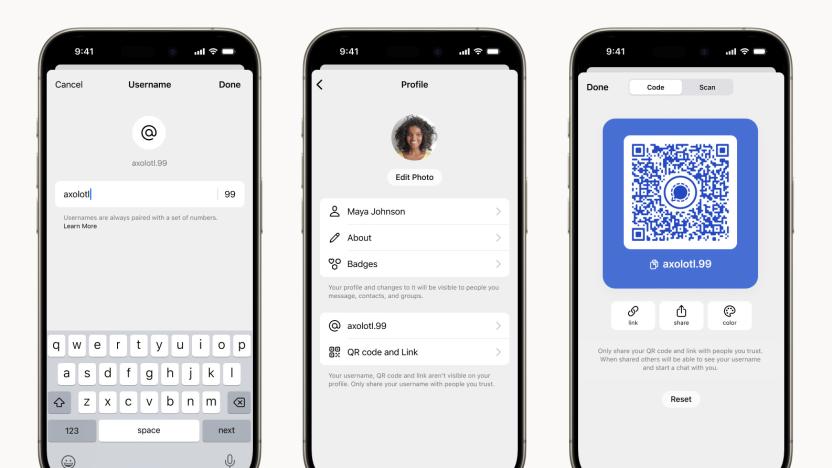
Signal usernames will keep your phone number private
You'll soon be able to create a unique username on Signal, which you can share with others via a link or QR code, instead of your phone number.

WhatsApp tests feature that could open it up to other messaging apps
The latest WhatsApp beta contains a new screen called Third-party chats that may allow it to work with other messaging apps.
Wall Street banks fined $549 million for not backing up messaging app histories
Federal regulatory agencies have fined 11 financial institutions a combined $549 million for using “off-channel” messaging apps (WhatsApp, iMessage, Signal and text messages) for conversations about trades and other business. Securities laws require investment firms and banks to preserve communications records and ensure employees only carry out business through authorized channels. “The firms did not maintain or preserve the substantial majority of these off-channel communications, in violation of the federal securities laws,” the Securities and Exchange Commission (SEC) wrote in a statement today.

Federal prosecutors ask court to bar Sam Bankman-Fried from using Signal
Sam Bankman-Fried allegedly used Signal earlier this month to contact the general counsel of FTX.
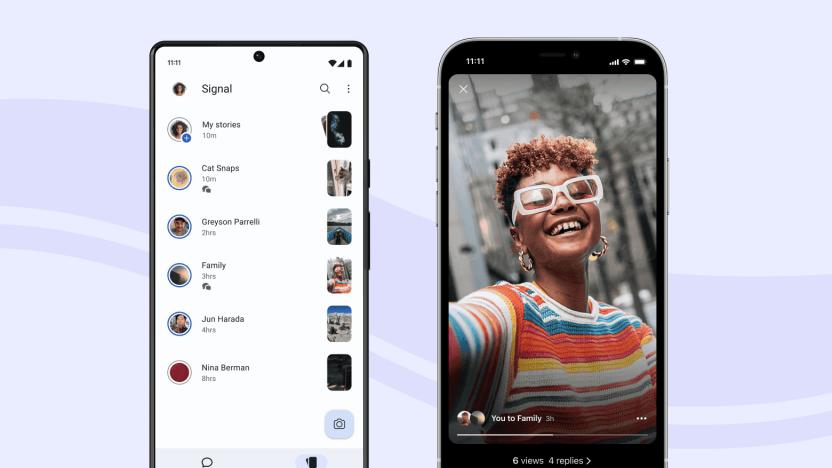
Signal adds Stories to its secure messaging app
Signal has released the feature a month after it revealed that it was hopping on the Stories bandwagon and was already beta testing the capability.

Signal is winding down plaintext SMS support in its Android app
While it may be inconvenient, the move could make messaging more secure.
Even Signal is hopping on the Stories bandwagon
At least it's different than copying TikTok.
Elon Musk and Twitter are now fighting about Signal messages
Lawyers for Twitter argued that Elon Musk has withheld messages, including some sent via encrypted messaging app Signal.

Signal makes Google strike organizer Meredith Whittaker its first president
Privacy-focused messaging app Signal has hired former Google manager and tech critic Meredith Whittaker as its first president.
Signal says third-party data breach exposed 1,900 phone numbers
Signal has warned that a Twilio breach exposed 1,900 user phone numbers, and at least a few of those accounts came under attack.
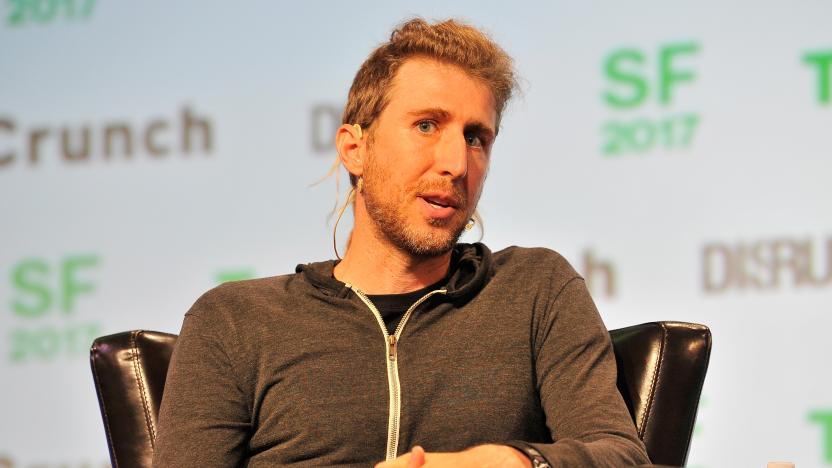
Signal founder Moxie Marlinspike steps down as CEO
Moxie Marlinspike created the Signal encrypted messaging app, which launched in 2014.

An NFT from Signal's founder will look like a poop emoji when someone owns it
Know what you're getting into when you bid on an NFT.
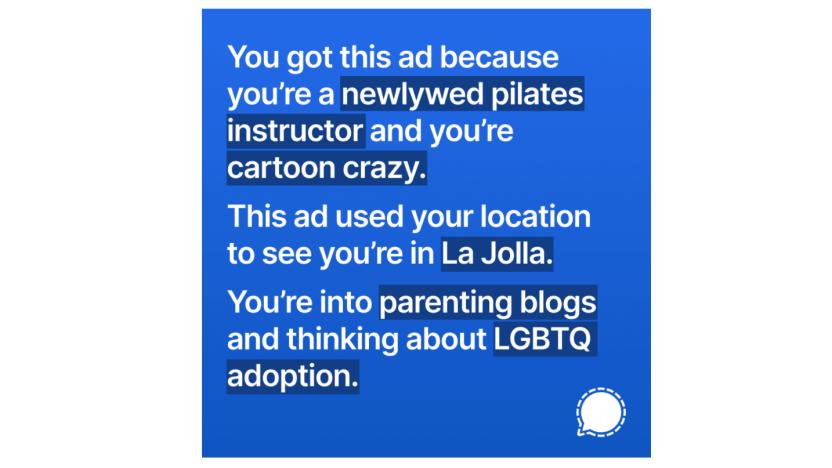
Signal tried to use Facebook's targeted advertising data against it
Signal is accusing Facebook of disabling its ad account after it tried to expose its ad targeting practices.
Signal hacked Cellebrite's phone hacking software used by law enforcement
After the cellphone hacking company Cellebrite said it had figured out a way to access the secure messaging app Signal, Signal said that it's turning the tables.
Signal's encrypted messaging app stops working in China
One of the last Western social media apps available in China, Signal, has now gone dark in the nation.
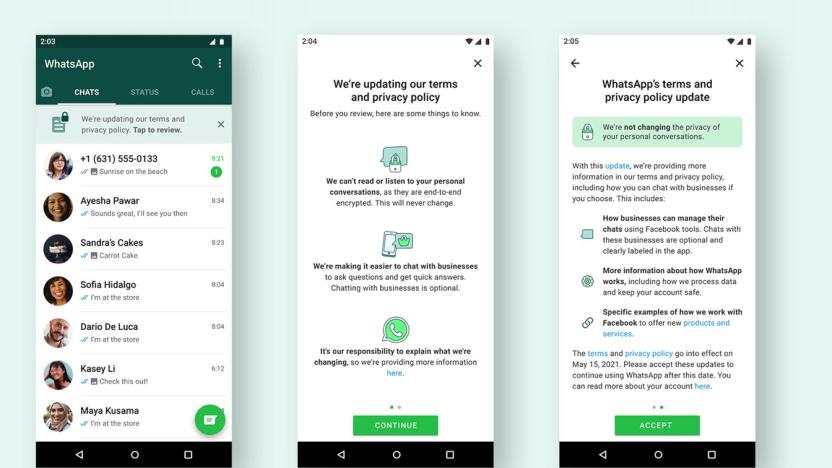
WhatsApp will re-introduce controversial new privacy policy
WhatsApp plans to re-introduce the updated privacy policy that ignited a massive backlash against the Facebook-owned messaging app.

Signal recovers from a day-long service outage
Signal has recovered after more than a day of service issues due to an influx of WhatsApp users.
WhatsApp postpones new privacy policy amid ‘confusion’
WhatsApp says it will give users more time to agree to its controversial new privacy policy, citing mass “confusion” and “misinformation” about the update.
WhatsApp reassures users it can't read their messages
The Facebook-owned messaging platform has drawn ire for the way it's handled the policy changes.


