

Does TSA actually allow AirTags in your luggage? Here's what the rules say
Airline regulations are strict about batteries, but AirTags are thankfully a simple case.
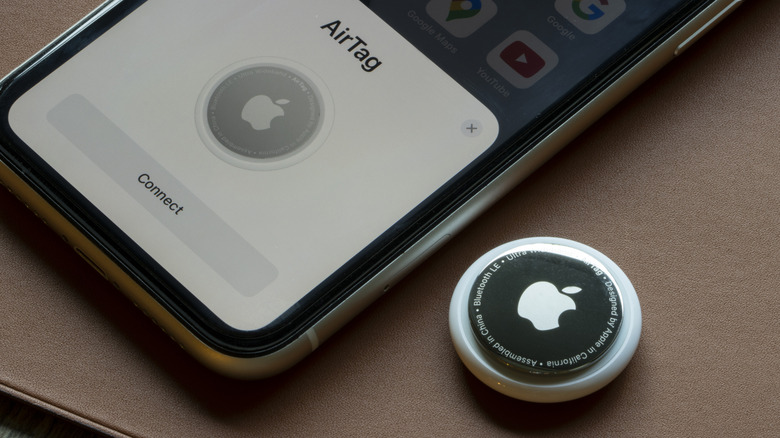
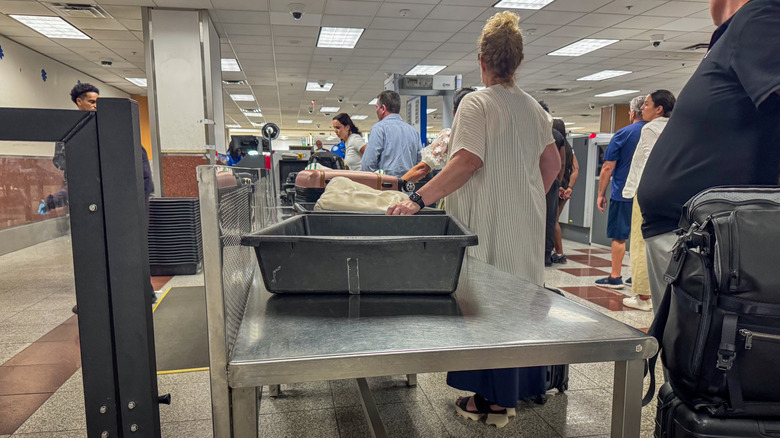
From filthy TSA bins to extraordinary delays, flying can be a harrowing experience. And lost luggage is undoubtedly near the top of the stressors list. Keeping track of your suitcase by setting up an AirTag lets you know that your possessions have safely made the journey, or at least figure out where they got lost along the way.
Of course, even using an AirTag isn't a flawless system, particularly if you're flying somewhere with lower percentages of iPhone users like Eastern Europe or South America, since an AirTag relies on the presence of Apple devices to function. And while several airlines do accept Apple's Share Item Location feature to better locate a lost bag, it's not universal, meaning you might get little out of the tracking system other than seeing your suitcase isn't where it's supposed to be.
However, with so many battery-centric rules in place for flying, is this actually allowed by the TSA?
The TSA rules regarding AirTags
The TSA has very specific limitations regarding lithium batteries on flights. Non-rechargeable lithium metal batteries are limited to 2 grams of lithium content, and rechargeable lithium ion batteries must have a maximum rating of 100 watt hours (Wh), with higher watt-hour devices requiring specific airline permission. An AirTag utilizes a small CR2032 coin cell battery, which contains less than 0.1 grams of lithium, falling well below this limit. Because AirTags aren't rechargeable, the watt-hours restriction doesn't technically apply. But even if it did, the AirTag is once again in compliance, with a power threshold that works out to less than 0.7 Wh.
Outside the United States, this same legality for AirTags is nearly universal. The International Civil Aviation Organization, the UN's aviation agency, passed an amendment in 2023 meant to ease AirTag bans imposed by some airlines. The revised rule states that lithium battery devices in checked baggage can stay turned on during the flight so long as their lithium content is less than 0.3 grams, or if the lithium-ion battery's output is less than 2.7 Wh. So regardless of where you go, your AirTag can come along.
Why the TSA takes issue with lithium batteries
The key risk posed by lithium-ion batteries is a phenomenon called thermal runaway. It's a chain reaction that makes lithium-ion devices uncontrollably overheat, leading to smoke, fire and even shrapnel ejection — all of which can obviously be extremely dangerous in an enclosed space like an airplane.
This can be caused by a various factors, from damage to improper packing to manufacturer defects. The issue can happen to any lithium-ion battery, like those in your laptop or phone, but are most common with portable chargers. Since the Federal Aviation Administration began tracking lithium-ion incidents in 2006, there have been over 700 instances, with nearly four in 10 involving portable battery packs.
Despite the risk, it's impossible to impose a full ban on lithium-ion batteries when so many devices use them, which is why we've seen more rules added around this. The TSA has ruled that any device containing lithium metal or lithium-ion batteries needs to be in your carry-on, not checked baggage, as a thermal runaway incident taking place in the cargo hold could easily get out of hand before anyone notices. Since portable chargers are particular offenders, they've seen a focused rise in regulation, with various airlines having specific policies around them.
Many airlines require that your charger is kept within sight for the duration of the flight in case anything goes awry, and some (like Southwest Airlines) have limited travelers to one charger per person. For international travel, this can be a bit stricter. The UK Civil Aviation Authority has stated that portable chargers should not be used to charge other devices while on board, for example, and the Hong Kong Civil Aviation Department also announced a usage ban following a power bank fire. Some airlines like Virgin Australia, Qantas and Jetstar have even banned the use of portable chargers onboard entirely. It's thus best to check the rules about your lithium battery devices for every involved airline and country before you set off.