Emily Price

Engadget Editorial Policies

The unique content on Engadget is a result of skilled collaboration between writers and editors with broad journalistic, academic, and practical expertise.

In pursuit of our mission to provide accurate and ethical coverage, the Engadget editorial team consistently fact-checks and reviews site content to provide readers with an informative, entertaining, and engaging experience. Click here for more information on our editorial process.

Stories By Emily Price

  • The FTC wants to help you control how you're tracked online

    Brokers are collecting and selling information about where you go and what you do online, and you might not even realize it's happening. According to an FTC report Tuesday, data brokers are compiling profiles on Americans, and then peddling that info to marketers and even politicians who want to target them. That's not anything new, however, the FTC is now recommending that Congress take a look at the industry and consider regulating data broker's collection practices.

    By Emily Price Read More
  • 'Lomo Instant' takes your standard Polaroid to the next level

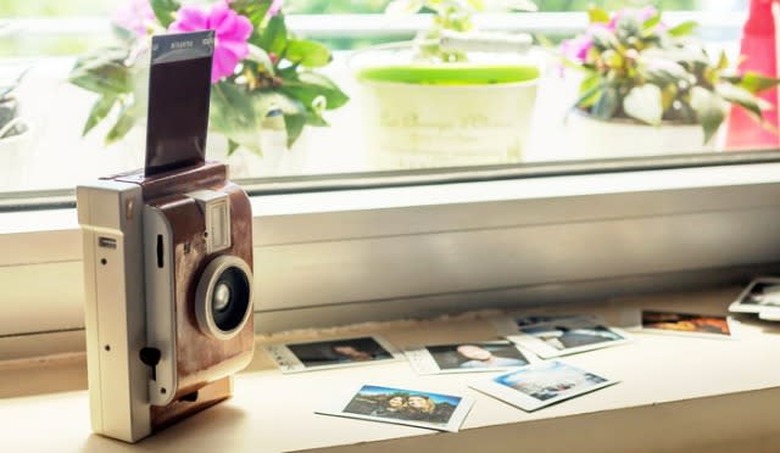
    Back in the good old days, you could take a photo of Fido with your Polaroid, and after a few shakes be ready to tape it to your dorm room wall. Now Lomo is looking to bring that same old-school experience into the next decade with the Instant – a self-developing film camera with a vintage feel. It has support for several different lenses, color filters and can even create images with multiple exposures of your furry friend. The company already has a pretty sizable line of toy and DIY cameras that push the envelope (like this one made out of a paint can). The Instant follows in that tradition, building off an old favorite, the Fuji Instax. The camera uses its easy-to-find credit card-sized film, but has five aperture settings, including f/8, the largest available on any instant camera. It also has three different shooting modes for tons of flexibility.

    By Emily Price Read More
  • X-Men enthusiast turns himself into a real-world Magneto (sort of)

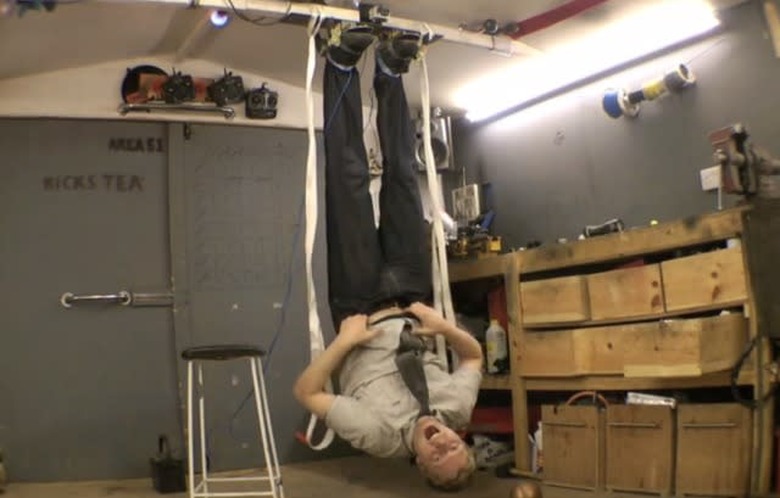
    Sure, we'd all love to have at least a few super powers, but finding the right scientific "accident" to make your dreams comes true can be such a hassle. One British inventor, Colin Furze, is taking matters into to his own hands, and has started designing projects that give him some of the same abilities as X-Men characters. He started with real-world Wolverine claws, and now he's channeling metal-master Magneto with shoes that let him walk on the ceiling. It's not exactly the same experience you might have if your whole body was able to control everything metal, but it's still pretty impressive to watch.

    By Emily Price Read More
  • NYC's Met museum is offering 400,000 works of art as free downloads

    The NYC Metropolitan Museum of Art is making some of its gigantic collection of masterpieces available for you to use in your next project. The Met just marked almost 400,000 digital images of its works as Open Access for Scholarly Content (OASC), which is bringing some pieces to the web for the first time and making them all available for non-commercial use. What that means is that now you can use Rembrandt's epic Toilet of Bathsheba in your thesis (because, why not?), or bring some bling to your next documentary with a photo of an Aztec necklace for free. The collection includes all of the images the museum feels are in the public domain and aren't subject to any other copyright restrictions. You can tell a photo is up for grabs by looking for the OASC label and download button below each pic.

    By Emily Price Read More
  • California's new self-driving car regulations prohibit falling asleep at the wheel

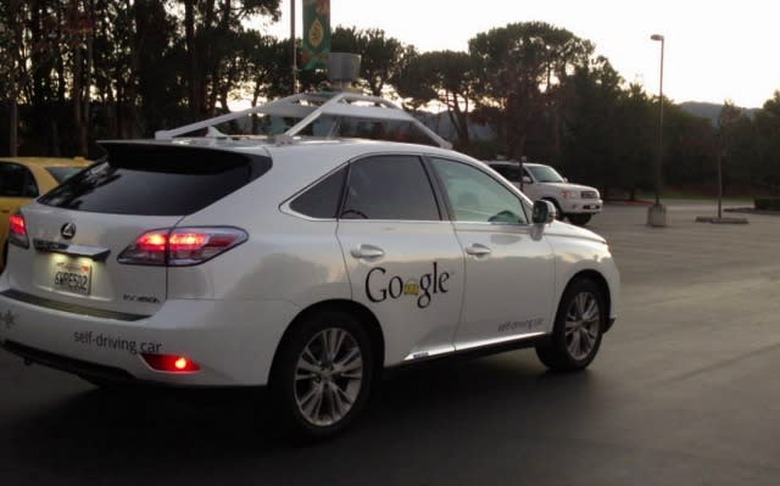
    California is fine with car makers test-driving autonomous vehicles on its roadways, but the DMV now has some rules on exactly how. Under new regulations, drivers (or riders as the case may be) will need to be official testers on a manufacturer's payroll and go through a special training program to get a yearlong permit. They'll also have to remain attentive behind the wheel -- so no napping on the way to work yet -- and notify the DMV if they're in an accident or have to override the car's manual controls for any reason. When it comes to cars, it's not a free-for-all. Manufacturers will need to apply for a permit for each individual vehicle, and cars are required to have at least five million dollars worth of liability insurance.

    By Emily Price Read More
  • Apple's iWork for iCloud now lets you collaborate on projects with 100 friends

    If you're using Apple's iWork for iCloud to get stuff done, now you can collaborate on projects with even more people. Before if you wanted to get your co-workers input on your big plans for the company retreat (Laser Tag definitely promotes synergy) you could only have 50 contributors. Now 100 people can work on the same Keynote, Numbers or Pages file at once, and those projects can also be a lot larger. Previously you were limited to 200MB per file, with a 5MB cap for included images. Now there's 1GB of space to fill with details about your group-cooking class plans, complete with images of up to 10MB each -- that's a lot more fancy dessert photos

    By Emily Price Read More
  • Oculus Rift is coming to... Chuck E. Cheese's?

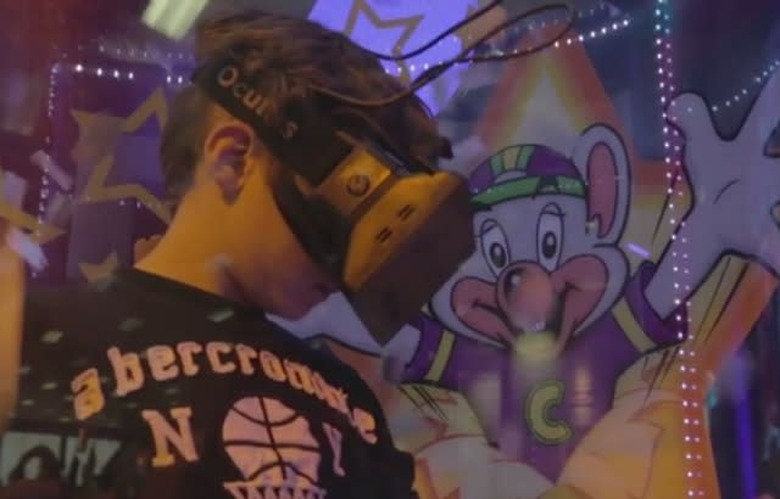
    Sure, a spin in the ol' ticket grabber machine on your birthday can be fun, but trying to capture the small pieces of paper as they whiz by your head? That's a lot of work. Luckily, Chuck E. Cheese's is offering a new, less physical way to reach prize station glory using Oculus Rift. The pizza party giant is offering a "Virtual Ticket Blaster Experience" at parties for the guest of honor that uses the VR headset to simulate the high-speed grabbing experience.

    By Emily Price Read More
  • Scientists make deep-brain implants possible through wireless charging

    Stanford researchers have figured out a way to wirelessly charge electronic devices that are deep inside your body. Currently pacemakers and nerve transmitters need to have large receiving coils near the top of your skin to charge up (limiting where you can put them), or periodically have their battery replaced through surgery. This new method, however, would allow devices to be much smaller because they don't have to tote around such a huge battery. Also since they're not reliant on charging coils they could live much deeper in the body and brain.

    By Emily Price Read More
  • Researchers maximize your hybrid's battery by learning your routine

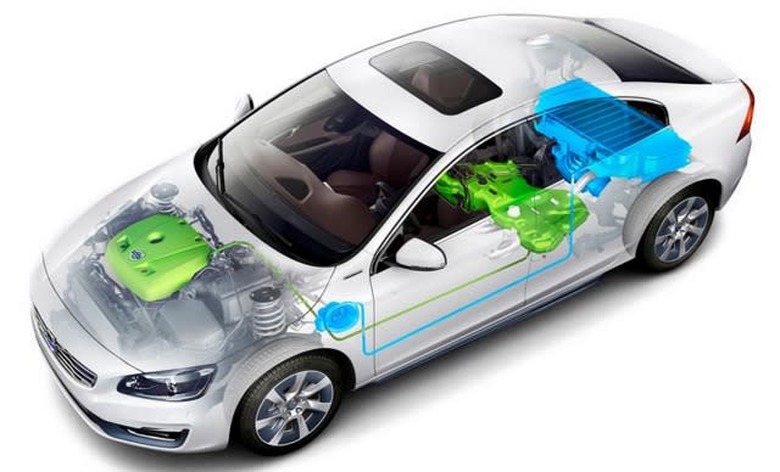
    Researchers have figured out a way to make your Prius even more efficient by tracking your route to work. Right now your car uses the battery until its power runs out and then starts dipping into your gasoline supply. It's a solution that works, but isn't the best use of power. Viktor Larsson from Chalmers University of Technology developed a system that analyzes that monotonous route you take to work (including that much-needed Starbucks detour), and then determines how to get the most out of your battery. For instance, your car might switch to gas on the highway where it's more efficient and save your stored power for the stop-and-go traffic in the office park.

    By Emily Price Read More
  • New algorithm turns 'Lord of the Flies' into an emotional ballad

    Sure, you've read Lord of the Flies, but have you ever danced to it? Well, now you can. Researchers have created a way to digitally compose songs using the text from books. To make the jams, a computer program reads the book, applying sentiment analysis (the same thing marketers use to gauge emotions in tweets) and a special algorithm to assign notes to individual emotions. All those tones are then tied together to create a track that represents the book as a whole. The project, aptly named TransProse, is the creation of Hannah Davis from New York University and Saif Mohammad at the National Research Council Canada.

    By Emily Price Read More
  • Remixing Renaissance art with help from a 3D scanner

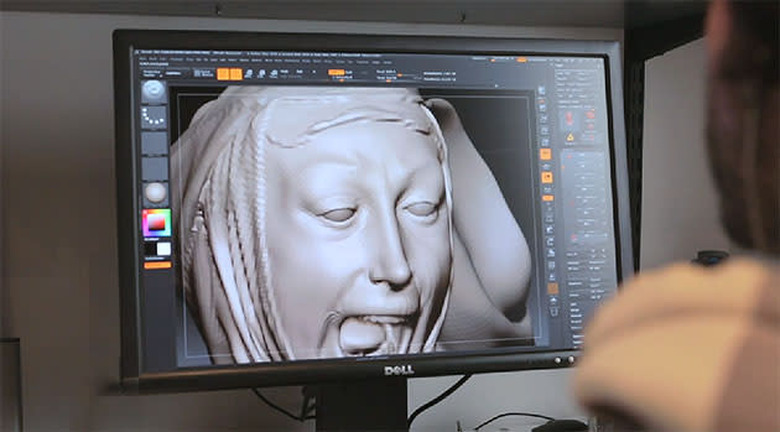
    Some of the world's oldest art is getting a bit of a facelift. Brooklyn artist Barry X Ball has developed a way to recreate Renaissance-era sculptures using 3D scanning. Rather than printing duplicates, Ball takes the statues "to the next level," by adding on to them. In some cases that means finishing details in the way he thinks the original artist intended, and in others he's looking to make something completely new. For instance, in one of his sculptures he replaced the roughed out head of Jesus in a famous Michelangelo sculpture with the original artist's head, a tribute to him since he died a few days after carving it.

    By Emily Price Read More
  • Now you can text 911... just not from everywhere

    Text-to-911 became available in select markets today. As the name implies, the service allows you to text your emergency to first responders rather than call. There's just one issue: it doesn't work in most places. The list of supported cities is so small in fact, you should probably just assume the feature isn't up and running in your town. Today's launch stems from a policy the FCC adopted back in January to make text-to-911 available everywhere. All four major carriers signed on to launch the service by May 15th -- that's today -- everywhere a call center could support it. Turns out, they're pretty few and far between. Locations that are online today are using existing TTY systems (traditionally used by the hearing impaired) to accept texts, or new browser-based solutions. However, Iowa, Maine and Vermont are the only ones who've managed so far to get support statewide.

    By Emily Price Read More
  • Vanhawks' connected bike helps you avoid traffic and potholes

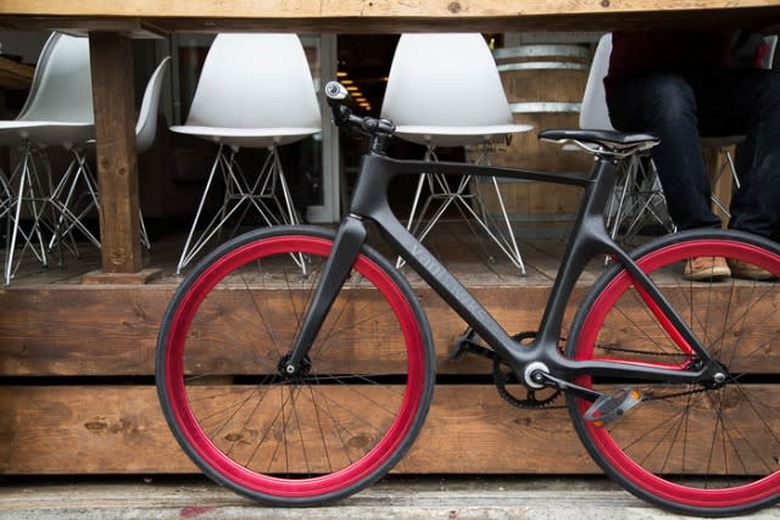
    Vanhawks' Valour is a connected commuter bicycle that hopes to make your travels both smarter and safer. The 16-pound carbon fiber bike can help you find a route to the office that avoids heavy traffic, and gives you turn-by-turn bike-specific directions to your destination along with blind spot detection while you're on the road. It's a combination of features that's likely to have you traveling on two wheels a lot more often.

    By Emily Price Read More
  • Experimental navigation system swaps satellites for quantum physics

    GPS can be useful when you're trying to navigate to that hot new bar -- as long as your travels don't take you somewhere its signal can't reach. A new so-called quantum positioning system could pick things up when satellites fail, and help guide your way using super-cooled atoms. Aside from better directions, the solution might even make travel safer. While existing accelerometer-based systems can track location underwater within a kilometer, quantum positioning can do it within a meter, making it 1,000 times more accurate. With submarines, that could be the difference between staying safe and drifting into hostile waters.

    By Emily Price Read More
  • Electronic artists turn 600 phones into a symphony of light and sound

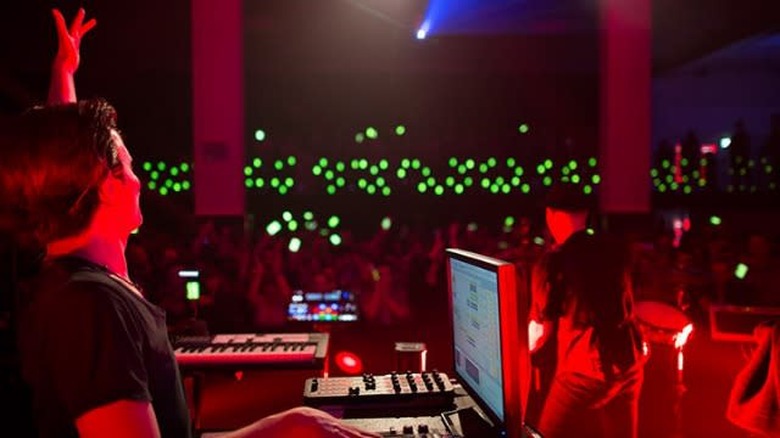
    Forget Prince's "Purple Rules" demanding smartphone-free concerts, one group is actually encouraging fans to wave their handset in the air because it's part of the show. Electronic group Booka Shade recently performed a concert where the audience's phones played coordinated sound and lights via a custom app during songs, making them less of an annoyance and more an integral part of the performance.

    By Emily Price Read More
  • Hollywood, Amazon and your local realtor are fighting to legalize drones

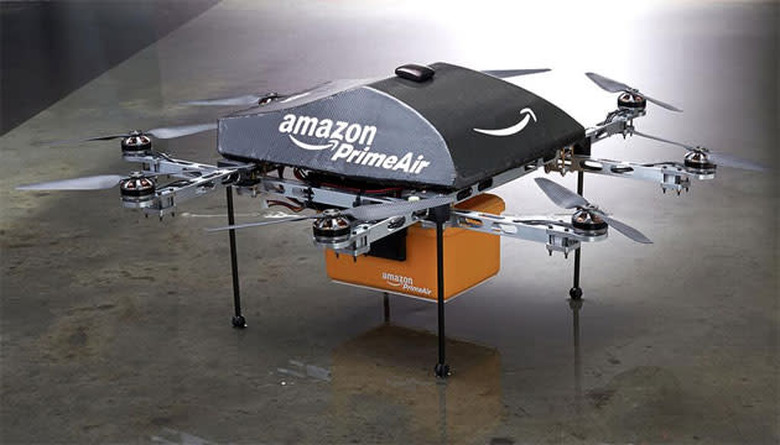
    In the United States it's legal for you to take your A.R Drone out for a spin around the neighborhood, but if you want to use one to shoot a car chase on a closed movie set you'd be breaking the law. The use of commercial drones is a complicated issue, in part because of how many different ways you can use them. Defense companies have traditionally been the biggest advocates for drones; but now everyone from Hollywood to your realtor are pulling for the unmanned aircraft.

    By Emily Price Read More
  • Parrot Flower Power review: Can technology give you a green thumb?

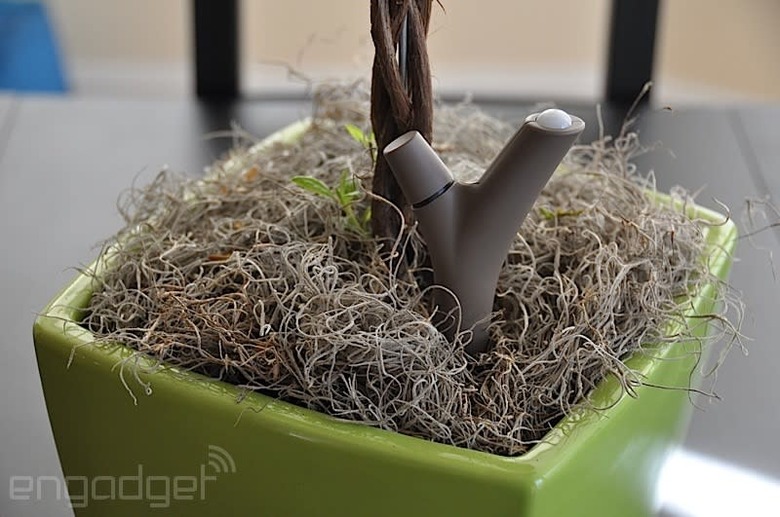
    Sure, you've heard of the connected home, but what about the connected garden? If you're someone who manages to always kill your plants, Flower Power, a new gadget from Parrot, might sound like just the thing. The $60 Bluetooth-connected device aims to turn your black thumb green by sending you daily push notifications about your garden's health. The small sensor can provide up-to-the-minute reports that can ensure everything from your potatoes to your petunias are getting exactly the right amount of sunlight, water and even fertilizer. So, is the tiny gadget what your garden needs?

    By Emily Price Read More
  • Square to replace its digital wallet app with one that lets you order dinner

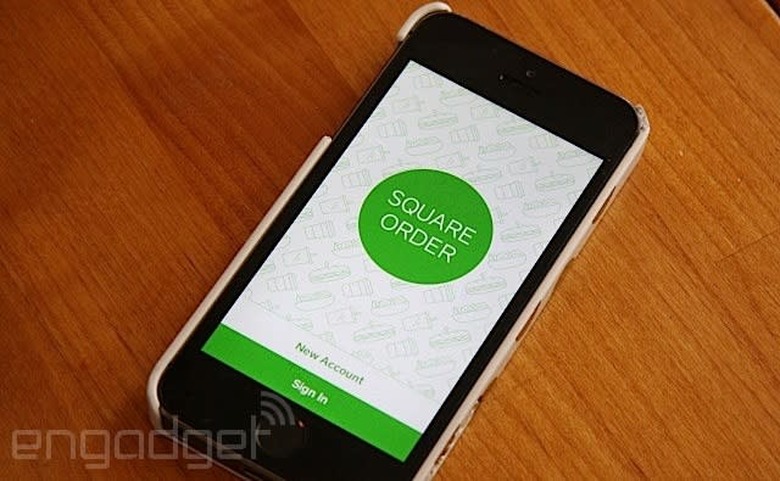
    Square pulled its Wallet app from the App Store Monday in order to make way for something new: Square Order. With Wallet, you could check in to a restaurant and pay your bill using just your name. With Order, you can still pay, except now you can select your artisan grilled cheese while en route to the cafe down the street and complete the transaction on your phone, bypassing the line entirely. It's not just for restaurants either -- we took it for a test drive in February, where we purchased a scarf from Uniqlo. Square followed that trial with beta testing in several take-out restaurants in the San Francisco and New York, which is also where Order is launching today. If you don't live in either city, you won't be able to use the app for now. However, you can get roughly the same experience on the web through Square's recently announced product Pickup.

    By Emily Price Read More
  • Custom controller lets disabled man dig into Minecraft using his eyebrows

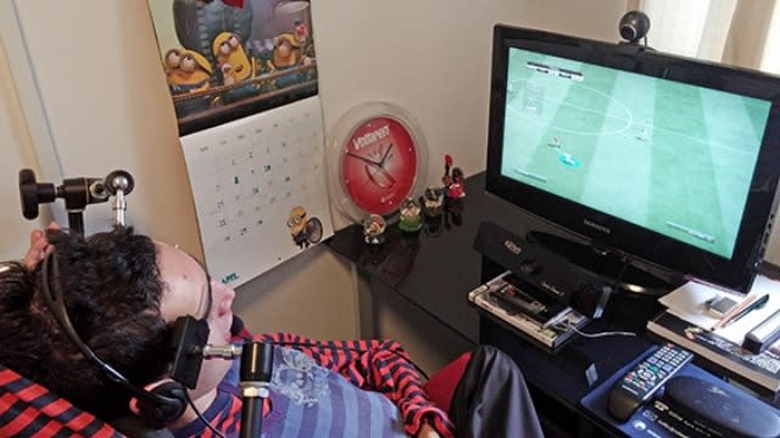
    Alexander Kostov has spinal muscular atrophy, a disease that makes impossible for him to use most traditional game controllers. Rather than let that hold him back, he just got creative with the help of UK-based gaming charity Special Effect. The company outfitted him with a rig to play titles like Minecraft and FIFA using his eyebrows. Kostov started out in 2013 with a custom controller that used voice commands as well as hand and eye movements. After using it for a while, he found that the original controls were useful but too subtle for some games -- he needed a more precise solution. Kostov tried out a few different options, including a sip/puff switch that would give him control using breath, and finally settled on a head-mounted impulse switch that's trigged by muscle movement near his eyebrows. With the system he can play FIFA using his old voice and eye controls, and then use his eyebrows as an extra level of control to do things like pass the ball or shoot.

    By Emily Price Read More
  • We take flight with Parrot's new Oculus-friendly Bebop drone

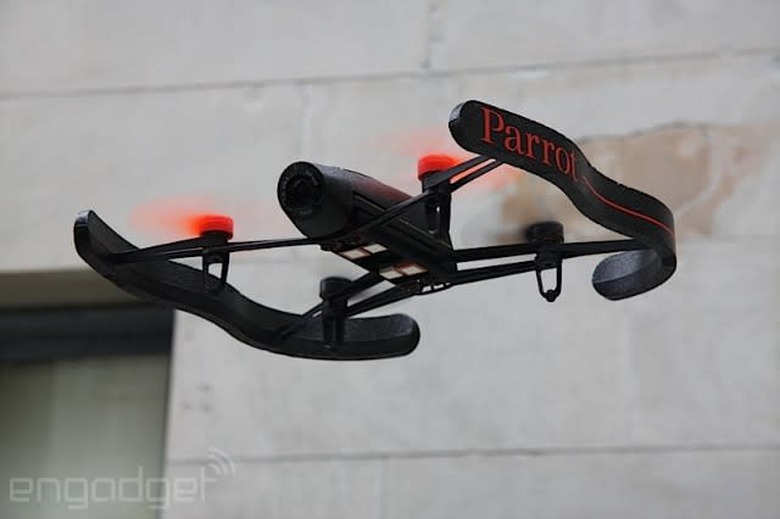
    Parrot still hasn't released that MiniDrone we saw at CES, but its already got something new up it's sleeve: BeBop. Unveiled Monday, the indoor/outdoor quadricopter has a new accessory for extended-range flights, and gives fliers the ability to control its camera using a virtual reality headset. Bebop isn't expected to hit store shelves until later this year, but Parrot let us take one of its few prototypes out last week for a maiden voyage in San Francisco.

    By Emily Price Read More
  • WhatsApplebees: Lunch with America's hottest chain-restaurant app

    When news broke Friday of WhatsApplebees, an Applebee's-exclusive networking app, we were pretty pumped. A place for us to network with like-minded Steak Quesadilla Tower lovers sounds like it deserves a permanent place on the dock of our iPhone (move over email!). Anxious, of course, to take it for a spin for ourselves, we headed over to the Taj Mahal of neighborhood grills in San Francisco's Fisherman's Wharf (San Francisco's first location) for lunch to check out the amazing experience first hand.

    By Emily Price Read More
  • This smartphone app can detect skin cancer

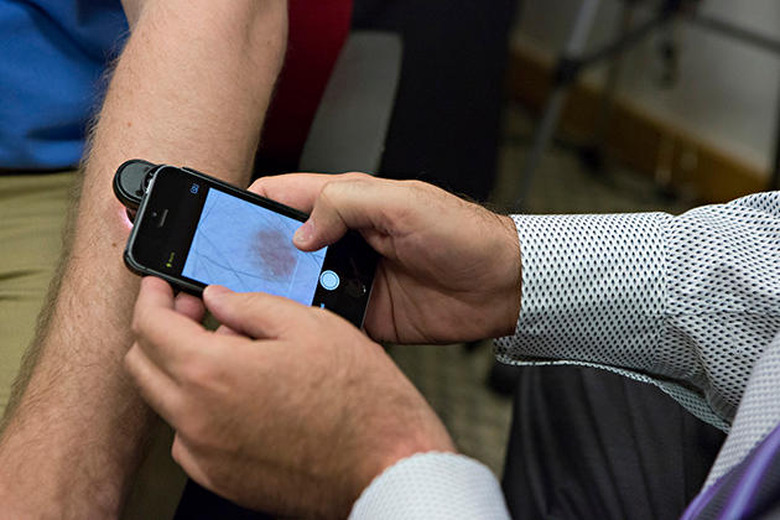
    You can already use your smartphone to do things like hail a pimp ride home or order an artisan pizza, obviously the next step is cancer detection, right? Researchers at the University of Houston think they've created a smartphone app that can detect melanoma even better than your doctor. Called DermoScan, the app works by taking a photo of your odd-shaped mole, and then analyzing it to determine if it might be cancerous. Initial testing found that DermoScan was able to identify skin cancer roughly 85 percent of the time, making it just as effective as visiting a dermatologist and even better at diagnosing melanoma than the average primary care physician. Don't head over to the app store just yet. The app requires a special $500 magnifying glass to make the magic happen -- not exactly more cost effective than a trip to the old MD.

    By Emily Price Read More
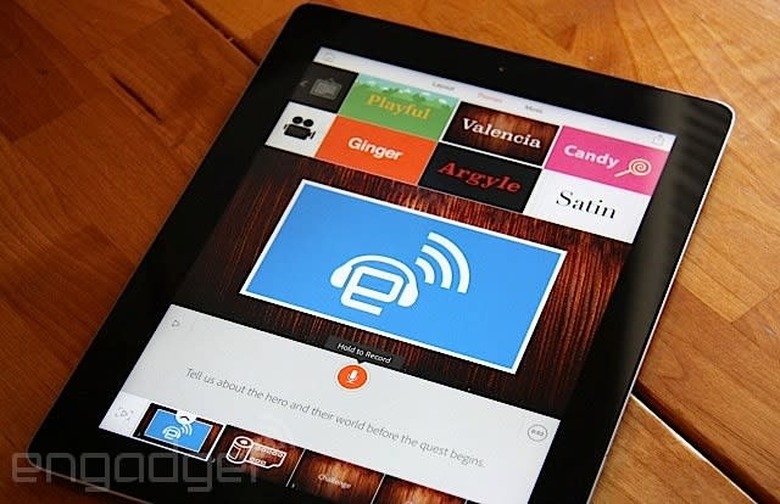
  • Adobe Voice lets amateurs make videos like a pro (sort of)

    Whether you're doing a book report or trying to show someone how to boil an egg: video can make it a heck of a lot easier for you to get your point across. Adobe's new iPad app, Voice, hopes to make the often time-consuming experience of creating your own such videos a lot faster and easier. The app guides you through making a sharable vid, from the conception of your idea to the finished product. We've had a chance to try it out for the past week. We found that the app makes it easy to create some pretty professional looking stuff without having any special skills or a lot of time, but there's just one thing missing.

    By Emily Price Read More
  • Taiwan considers fines for smartphone-addicted pedestrians

    Taiwan is considering ticketing people who cross the street paying more attention to their iPhone than the cars around them. No, seriously. Taiwan currently has over 14 million mobile internet users, many of whom lawmakers consider "addicted" to their phones. The hope is a fine would curb that addiction (quite literally), and cut down on pedestrian deaths. According to the government, Taiwanese drivers often don't yield to pedestrians (even when they have the right-of-way). The "chaotic traffic" is already a dicey situation for those on foot. When you add a phone into the mix, your chances of survival get even worse. Distracted walking infractions would only apply to people in roads (walking off a pier while checking Facebook is a-ok), and would cost just $10 a piece. If the chance of being flattened by a motor scooter isn't enough for you to pause Angry Birds, our guess is a small fine won't do the trick either.

    By Emily Price Read More
  • LinkedIn and Evernote partner to make business cards useful again

    Fact: everyone likes doing business with the guy who remembers them. With that in mind, LinkedIn and Evernote just announced a new partnership to bring the Rolodex into the 21st century, and it all starts with a photo of a standard business card. Evernote will instantly digitize it and bring in any relevant LinkedIn info. You're then given the option to connect with that CEO, secretary or digital prophet on LinkedIn or add their contact info to your address book. However, things get interesting as your business relationship blossoms. Over time, you can add things like audio from a meeting, documents, or even key emails with him or her to the card's page in Evernote.

    By Emily Price Read More
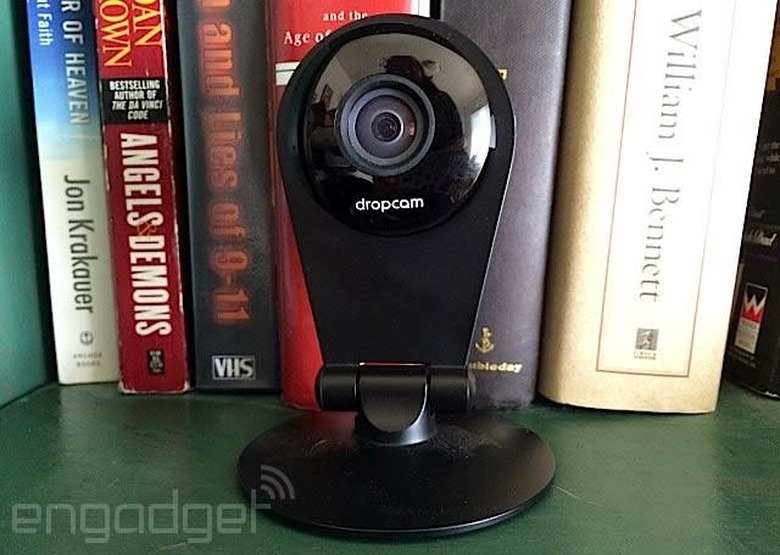
  • Dropcam can now tell the difference between your cat and boyfriend

    Wi-Fi-connected surveillance camera Dropcam can be useful for checking on your special furball when you're away from home. However, movement from an enthusiastic scratching post session registers the same as a burglar running off with your flatscreen, making it a less than ideal for security. That means you either have to deal with constant push notifications, or run the risk you're getting robbed. Today Dropcam announced that an update coming August will allow the cams to differentiate between people and pets. The company created an algorithm for picking out Fluffy without using depth sensors like other systems by analyzing hours of publicly-shared videos. That means she can keep on frolicking in that sun spot, and you don't have to hear about it all day.

    By Emily Price Read More
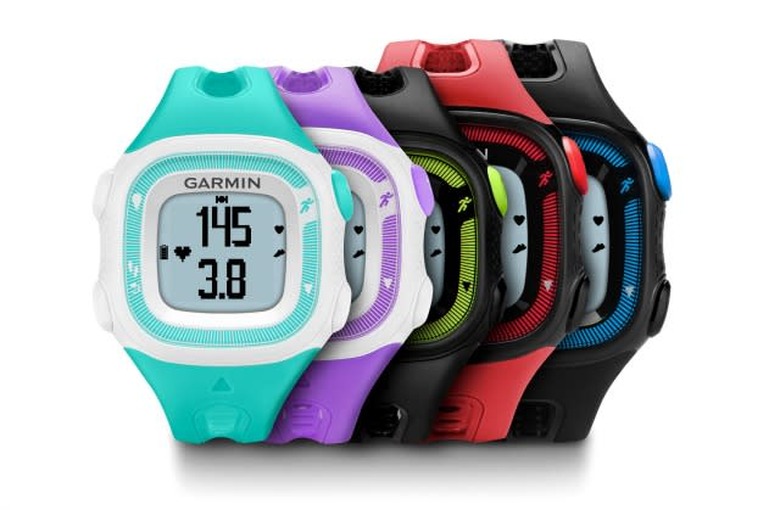
  • Garmin's new GPS watch wants to keep you moving on and off the track

    Running watches are great when you're headed out for an afternoon of training, but are typically pretty useless when it comes to day-to-day activities. Garmin is looking to change that by combining two of its most popular wearables, the Forerunner 10 and vivofit, into a new device called the Forerunner 15. The device does everything you'd expect from a GPS watch, such as tracking your distance, pace and calories burned during a big run, but it's also meant to be worn all day. Also an activity tracker, it'll encourage you to get up and move if you've been lounging around too long.

    By Emily Price Read More