Marc Perton

Engadget Editorial Policies

The unique content on Engadget is a result of skilled collaboration between writers and editors with broad journalistic, academic, and practical expertise.

In pursuit of our mission to provide accurate and ethical coverage, the Engadget editorial team consistently fact-checks and reviews site content to provide readers with an informative, entertaining, and engaging experience. Click here for more information on our editorial process.

Stories By Marc Perton

  • With iPad app, Microsoft begins to move out of the office

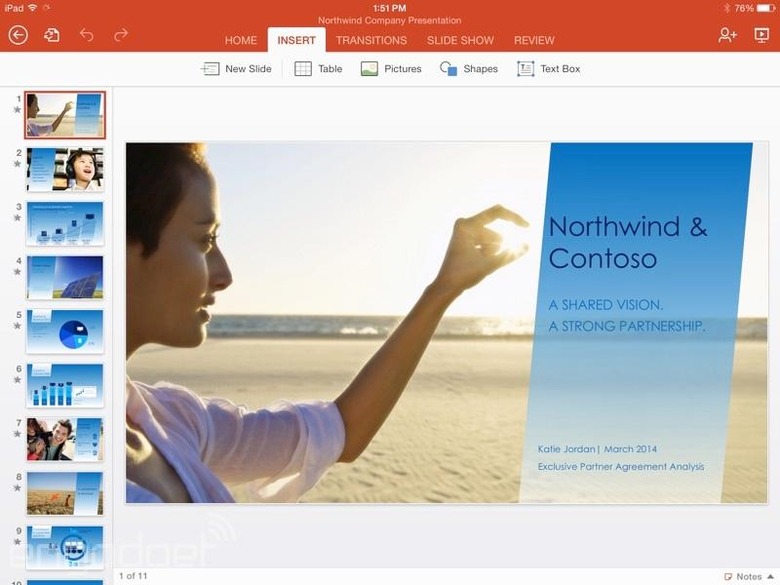
    Microsoft finally announced a version of its Office productivity suite for the iPad today, and it's a solid, functional set of apps. As we say in our review, "Office for iPad is elegantly designed, with a robust feature set and intuitive layout." And it's free, as long as you're only interested in reading or viewing docs, that is. Want to edit that spreadsheet, or create your own PowerPoint deck? You'll need an Office 365 subscription, starting at about $10 a month. That may seem steep compared to the price of some other iPad productivity apps, like Apple's iWork suite, which is free for some iPad users. But that price includes the full desktop versions of the Office suite, which you can install on up to five computers.

    By Marc Perton Read More
  • Can Oculus survive the Facebook effect?

    The response was swift, and almost universally negative. Within minutes of Facebook's announcement that it was acquiring Oculus VR for $2 billion, the internet had begun to mobilize against the deal. From Twitter to Reddit to our own forums, the message from early commenters was clear: This was bad for Oculus, bad for virtual reality, bad for gaming -- just bad. Part of this was the normal reaction to any popular, independent startup being bought out by a big company. There's a natural -- sometimes justified -- suspicion that the acquirer will ruin everything that made the small company successful, and the onus is on the newly merged business to prove otherwise. In Oculus' case, however, there was more than the typical anti-acquisition backlash. Facebook has become known as a company that is built around one thing: monetizing your social interactions. On Facebook, you're the product, with everything you do sold to advertisers, and that makes a lot of people uncomfortable. As Minecraft creator Markus "Notch" Persson said in a tweet announcing that he had scrapped plans for a version of the hugely popular game optimized for Oculus' head-mounted display, "Facebook creeps me out."

    By Marc Perton Read More
  • Oculus founders: Facebook lets us bring the best VR experience to a billion people

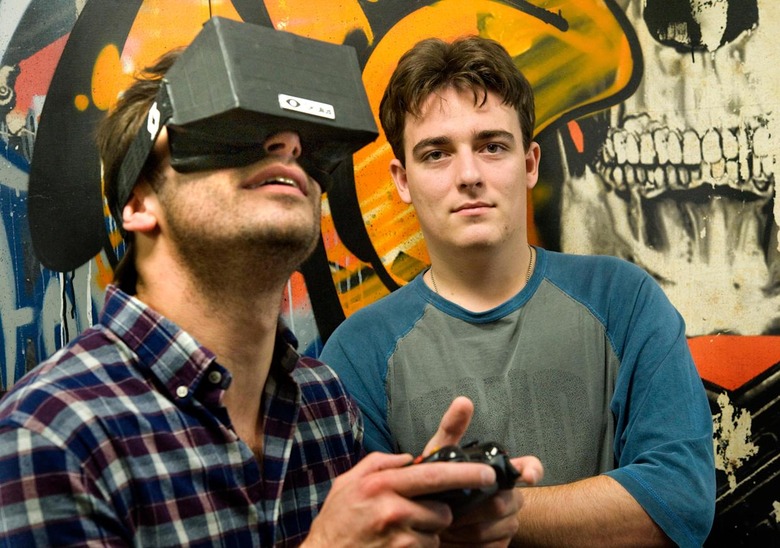
    Oculus VR co-founders Palmer Luckey and Brendan Iribe had a vision for their company: to bring virtual reality to as many people as possible, in the best way possible, at the lowest possible price. And, according to the duo, selling the company to Facebook is the best way to reach those goals. "This is the best thing for us to do," Luckey told us in a post-announcement interview. "It leaves us in the same position we've always been in, doing the same things we wanted to do."

    By Marc Perton Read More
  • Android Wear: Zen and the art of smartwatch design

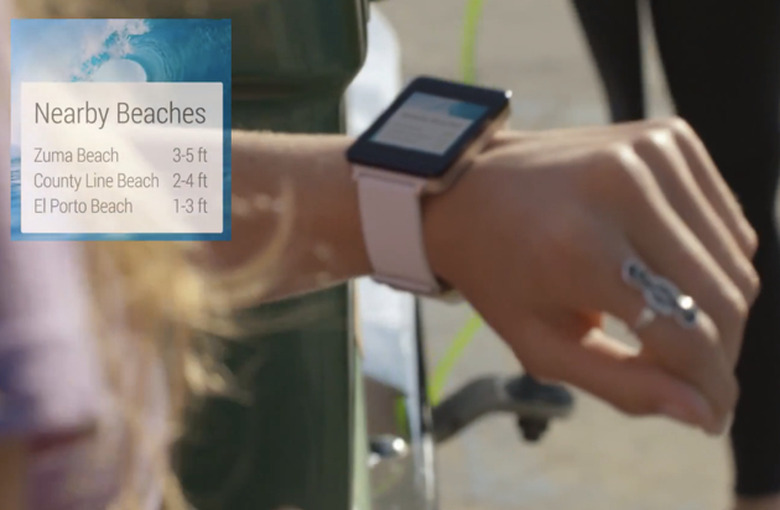
    Are you ready for a smartwatch that knows where you are, what information is important to you and, above all, wants you to forget that you're even wearing it? That seems to be the basic idea behind Google's Android Wear platform, which promises to deliver contextual, relevant information to you whenever you need it, while fading into the background when you don't. With today's announcement of the Android Wear platform for wearables, much of the discussion has revolved around how Google is following the Android smartphone playbook and focusing on creating an ecosystem that can accommodate multiple manufacturers, with a range of products with different price points and feature sets. And Google has lined up an impressive list of partners, including smartphone makers HTC, LG and Motorola; chipmaker and smartwatch-wannabe Qualcomm; and watchmaker Fossil. Even Samsung, which just last month held a splashy launch for its latest round of Gear smartwatches, is in on the game.

    By Marc Perton Read More
  • 10 Years In: The birth of Engadget

    The evening of June 23, 2005, wasn't especially hot in New York City, at least by historical standards. The day's high was a mere 79 degrees, slightly below average for late June, and well below the record for the day of 96. But inside Compact-Impact, a Japanese gadget store on the city's Lower East Side, things were downright steamy. As more than 200 sweaty fans packed the tiny storefront, it quickly became stifling, crowded and noisy. It wasn't an appearance by a hot local band or political activist. It was a meetup. For a blog. Engadget had arrived. "I didn't know if anyone would come," recalled founder Peter Rojas. "The fact that people would show up and hang out with the guys from a gadget site kind of blew my mind."

    By Marc Perton Read More
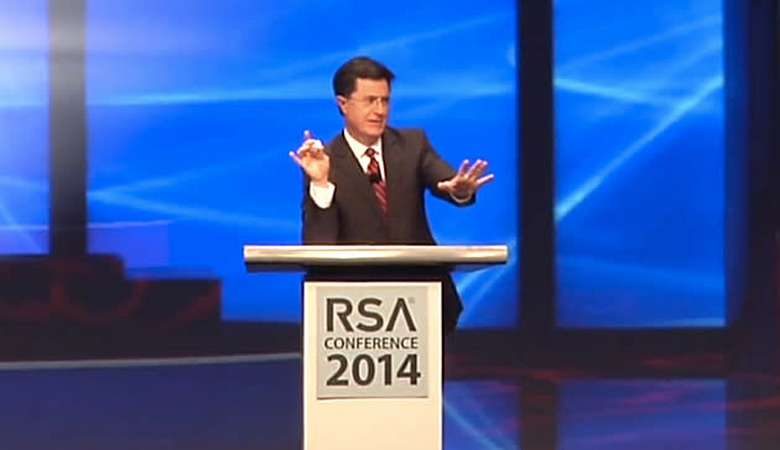
  • Stephen Colbert explains Cloud Fog: 'part cloud, part fog, all security'

    Stephen Colbert has a lot to say about online privacy, Edward Snowden and the NSA, and he shared his thoughts Friday evening at an Internet security conference in San Francisco. Privacy advocates had implored Colbert to skip the event, which was hosted by security giant RSA -- a company that reportedly took $10 million from the NSA to give the agency a back door into its software. Said Colbert: "I looked at the signatures on the online petition, then I looked at the signature -- my signature -- on the bottom of the contract saying I'd be here today, and my conscience was clear, as long as the check clears. Well, it's not actually a check. They gave me a Bitcoin voucher for Mt. Gox. And I'm sure it's going to be fine."

    By Marc Perton Read More
  • Today is Engadget's 10th birthday!

    Ten years ago today (in fact, exactly 10 years ago, if you're reading this post in real time), Engadget was born. Our first post featured T-Flash, a new memory card format created to serve cellphone users who wanted extra storage -- as long as they were willing to cap their needs at 128MB.

    By Marc Perton Read More
  • What does national security have to do with the Lenovo-Motorola deal?

    Lenovo's planned acquisition of Motorola's mobile phone business will likely be reviewed by the Committee on Foreign Investment in the US (CFIUS), the government agency that makes sure foreign investments don't impact national security. Though the deal will inevitably be heavily scrutinized, few experts expect the agency to scuttle it. That doesn't, however, mean Lenovo's deal will be rubber stamped. When Lenovo bought IBM's PC division in 2005, members of Congress openly fretted that the Chinese company would use its new asset to spy on American rivals – and the US government. One concern: IBM was (and still is) a major supplier of computers to the government. "Why would the US government be reliant on a Chinese company whose major shareholder is the Chinese government?" Rep. Don Manzullo told The Wall Street Journal. "That in itself sends a chill up and down the spines of members of Congress."

    By Marc Perton Read More
  • Leaving Las Vegas: Farewell to CES 2014

    We came. We saw. We got punched in the head. Some of Engadget's New York-based editors took longer to get to Las Vegas than those traveling in from Hong Kong or Tokyo, thanks to winter storms that caused the cancelation of thousands of flights. But we all made it, and by Sunday evening, when we kicked off our coverage at CES Unveiled -- the unofficial start of the event -- our whole team was in place, and some had already been here for days.

    By Marc Perton Read More
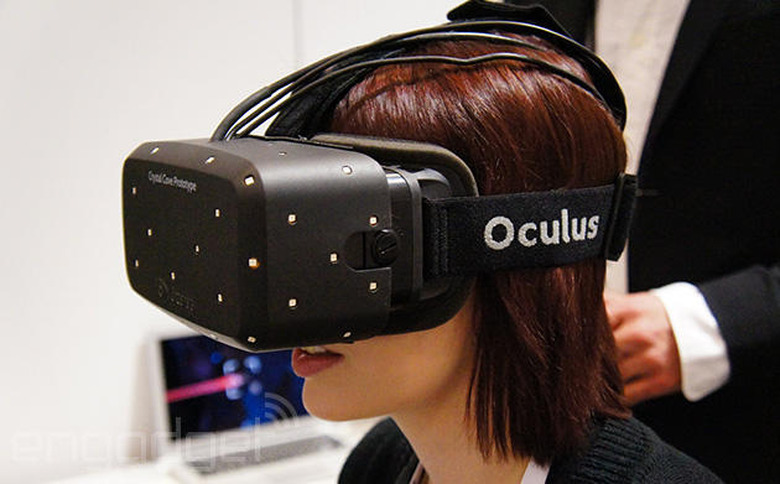
  • The Oculus Rift 'Crystal Cove' prototype is 2014's Best of CES winner

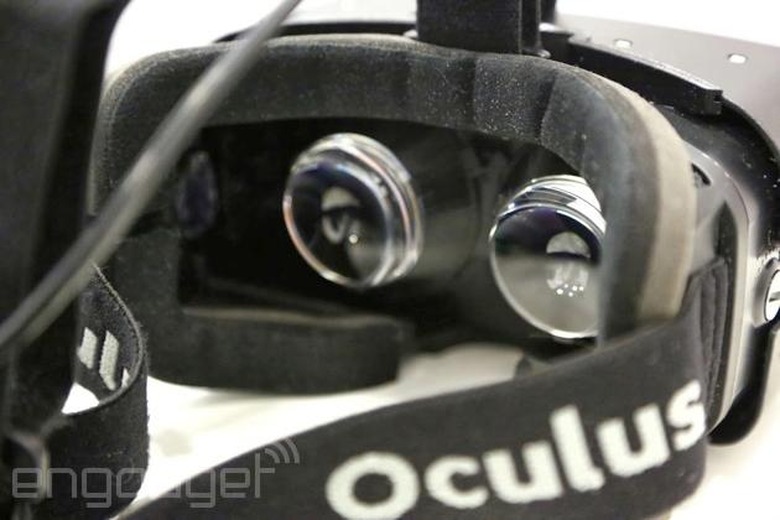
    Virtual reality has captured the imagination of developers, consumers and businesses for decades, but most VR headsets produced so far have been notable more for their limitations than their capabilities. With its latest prototype, code-named "Crystal Cove," Oculus VR has taken a massive leap forward, eliminating the stomach-churning motion blur that has plagued previous generations of VR headsets, and adding sensors and a camera to track the position of both your head and body and provide more accurate simulated movement. With the latest Rift, Oculus has created a device that may usher in an era of truly immersive gaming and entertainment, and even create new opportunities for businesses to use virtual reality in everything from manufacturing to medical environments. Of all the exciting, innovative products we've seen at CES this year, the Oculus Rift "Crystal Cove" prototype is unquestionably the best of the best.

    By Marc Perton Read More
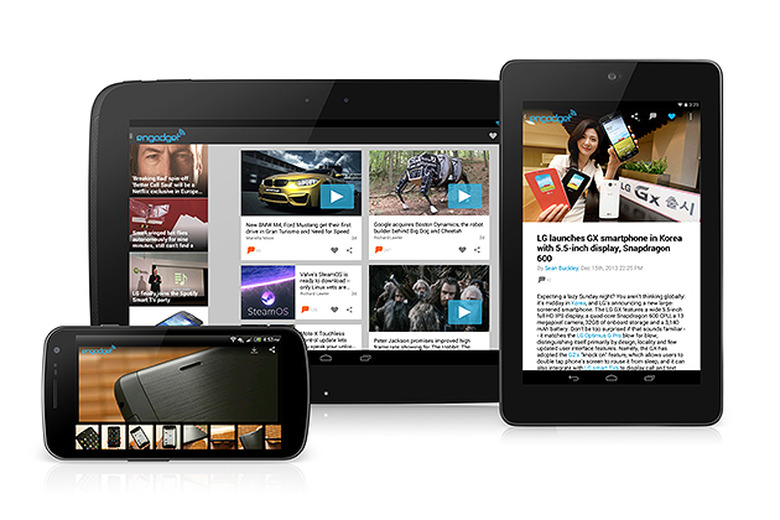
  • Engadget 2.0 for Android is here!

    You've been asking for a new version of our Android app, and we've been listening. And after months of development and testing, Engadget for Android 2.0 is finally here, just in time for you to use it stay on top of all of the latest news from CES! We've totally rebuilt the app from the ground up, with a ton of new features and enhancements, including: An all-new card UI layout: Each card highlights the media within the article, highlighting comment count and share tools. Most Popular articles lets you get a quick view of what's trending on Engadget. Easy content sharing via any app on your device that supports sharing. Podcasts now play in the background. Send tips to Engadget directly from the app. Quick access to sections like Reviews, Videos and Galleries from the side drawer. Comment counts turn orange as the conversation goes deeper, letting you know where to join in. Articles now have related content and tags support to find more of the content you love Articles also have a "back to top" icon to quickly return to the top of any article from anywhere. Greatly improved performance. The app is available right now from Google Play, and supports both phones and tablets. Download it today, and let us know what you think!

    By Marc Perton Read More
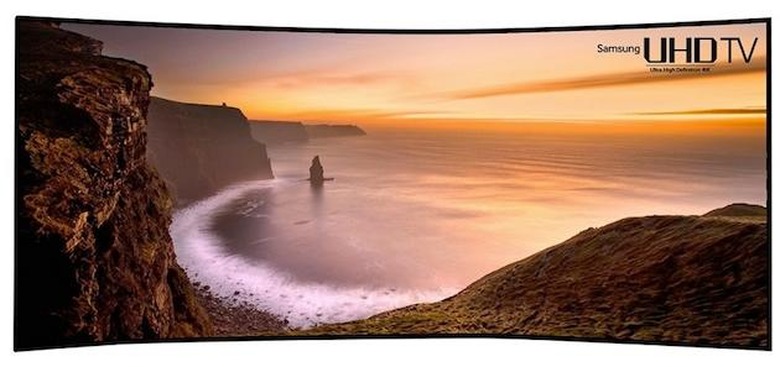
  • Up to 150 Ultra HDTV announcements possible at CES

    During a pre-CES briefing today, Shawn DuBravac, chief economist for the Consumer Electronics Association, said he "wouldn't be surprised to see 75 UHDTV announcements" this week. That number could be as high as 150, including hardware rollouts, distribution deals and more, as manufacturers and programmers begin "coming together to figure out what that's about," he said. While DuBravac said it will be a while before most people upgrade to UHD, he pointed out that, according to CEA research, close to 500,000 UHDTVs will be sold this year, up from just 60,000 in 2013. By 2017, that number could leap to almost 3 million, as consumers upgrade HDTVs purchased in the last decade. DuBravac is also bullish on 3D printers, and said that about 7,000 square feet of exhibit space will be devoted to the devices at CES this year, and that 99,000 units will be sold worldwide in 2014. Wearable technology is also expected to grow dramatically (as you may have heard), with worldwide smartwatch sales hitting about 1.5 million this year, and ratcheting up to about 4 million by 2017. Perhaps unsurprisingly, growth in UHDTV is expected to follow a pattern similar to other new technologies, according to DuBravac, with slow early adoption followed by more rapid growth. He compared it to the 3D TV market, which he said experienced 100 percent growth last year. "3D TV has done really well," he said. "We've just stopped talking about it." He did point out, however, that most people aren't necessarily buying 3D sets for their 3D functionality. As a feature on higher-end and mid-range TVs, "consumers are adopting it by default."

    By Marc Perton Read More
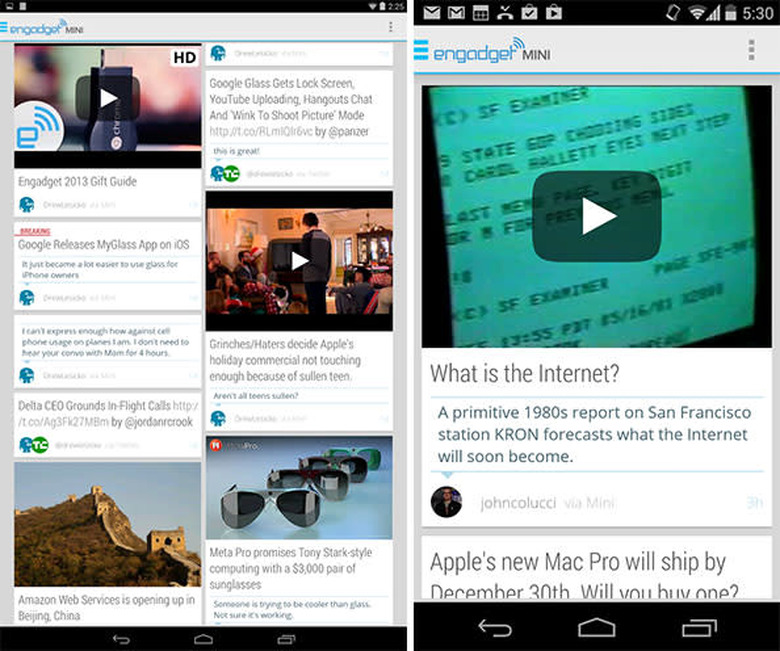
  • Introducing Engadget Mini!

    CES is about to start, and as usual, we'll be covering the show wall-to-wall, with liveblogs, hands-ons, news and, of course, Best of CES. One thing we'll be doing differently this year is providing you with a quick and easy way to access our CES coverage -- and more -- from your smartphone or computer. Engadget Mini, which is available now for iOS and Android, is an app that features headlines from Engadget; the best of our social media content from Twitter, Facebook, Google+ and other sources; exclusive headlines, photos, and videos; and our picks for the best tech news from around the web and the social universe. You can also catch the latest updates to Mini right here on Engadget, or on the Mini web site. Mini is a mix of creation, curation and conversation -- think of it as a companion microblog to Engadget -- and an experiment to see what a next-generation real-time feed might look like. We're still kicking the tires on this thing, but we can't think of a better time than right now, during CES, to share it with you, and we hope you'll find it to be an exciting new way to keep up with the show. Download it now, bookmark the site and join us in our Mini forum, where you can share your feedback and get more info on this great new addition to Engadget!

    By Marc Perton Read More
  • Cablevision: Case against Aereo could destroy cloud computing (and our cloud DVR)

    Cable operator Cablevision agrees with its competitors that streaming startup Aereo is illegal, but warns that the legal approach taken by the other cable and broadcasting giants could render services like Apple's iCloud, Amazon's Cloud Player -- and, of course, Cablevision's own remote DVR service -- illegal. In a white paper released today, Cablevision expanded on earlier arguments it made against both Aereo and the rest of the indusry, saying that the approach taken against Aereo "would imperil consumers' rights to use innovative technologies, such as popular digital locker services like the Apple iCloud, Amazon Cloud Player and Google Play Music."

    By Marc Perton Read More
  • If you're reading this, you're an early adopter

    When Engadget launched, almost 10 years ago, we had a pretty simple mission: We followed tech news obsessively for readers who took technology as seriously as we did. Engadget was the site for tech enthusiasts, early adopters and unabashed gadget fans. Over the past 10 years, a lot has changed. But as we get ready to embark on our second decade, we still have a pretty simple mission: We're here to serve the early adopter -- the early adopter in all of us.

    By Marc Perton Read More
  • Dell: No, our laptops don't smell like cat urine

    Dell has, er, come clean about a problem forum users have commented about for months: Its Latitude E6430u laptop does indeed have a pungent aroma, but it was caused by "a manufacturing process that has now been changed," and "is not in any way related to biological contamination." Dell's response came after months of complaints by laptop owners who insisted that the model smelled, in the words of one commenter, "as if it was assembled near a tomcat's litter box."

    By Marc Perton Read More
  • Facebook latest random company said to be eyeing BlackBerry bid

    Never mind that Facebook hasn't exactly taken the world by storm with smartphones carrying its brand. And never mind that what's left of BlackBerry's user base is largely comprised of Enterprise-based users who value the platform's added layer of security -- not exactly the kind of people who would embrace the idea of a BlackBerry built around easy wall updates and photo sharing. According to The Wall Street Journal, Facebook is the latest company to kick the tires at the beleaguered smartphone maker, and execs from the two companies met in California last week to discuss a possible deal.

    By Marc Perton Read More
  • Apple confirms it's 'unclear' whether there will be enough Retina iPad minis to meet demand

    While Apple CEO Tim Cook may have put one rumor to rest during today's earnings call, he basically confirmed another one: When asked about the availability of the iPad mini with Retina display, Cook said that the new model will start shipping "later in November," but that it's "unclear whether we'll have enough for the quarter or not." Cook quickly pointed out that "we know how many we'll have," but that it's difficult to predict demand for a product until it starts shipping. He seemed to be confirming persistent rumors that the Retina mini would be in short supply during the holiday shopping season. Although Cook insisted that "we'll do fairly well with iPad," and that Apple will have a "really great holiday season," the company may have reason to be concerned about not being able to meet demand for the new model. As reported earlier, iPad sales were flat compared to the same period last year, even while competitors are seeing major growth in tablet sales. Apple has seen its share of the total tablet market drop from 60 percent a year ago to just 32 percent today. Apple is hoping, according to Cook, for "an iPad Christmas," but it may be one that many customers will have to celebrate without the company's most notable new model.

    By Marc Perton Read More
  • Apple: The iPhone 5c is our 'mid-tier' model

    Just in case Apple's pricing scheme didn't make things crystal clear, CEO Tim Cook set record straight during today's earnings call: The iPhone 4s is the company's entry level model. The 5c, which was rumored to be tailored for emerging markets and more price-sensitive consumers, is officially Apple's mid-tier model. In response to a question about iPhone pricing strategy, Cook was adamant that the 5c was never intended as an entry-level model. The 4s, he said, is the entry-level model, and is a "fantastic product," with access to the entire iOS ecosystem.

    By Marc Perton Read More
  • Apple sold 33.8 million iPhones this summer, but faces tough competition

    In reporting its latest quarterly earnings today, Apple announced record fourth-quarter sales of iPhones -- 33.8 million, up 26 percent from 26.9 million in the same quarter last year -- along with virtually flat iPad sales of 14.1 million this quarter, up from 14 million last year. During the same period, arch-rival Samsung, which just reported its earnings last Thursday, sold 86 million smartphones, though Samsung's lineup has far more models than Apple's, including entry-level versions that don't compete directly with the iPhone. Samsung is facing its own challenges at the top of its range, and sold just 16 million of its flagship Galaxy S4 during the period, according to estimates. Apple continued to lead the tablet market, selling 14.1 million iPads in the quarter, compared to Samsung's 10.5 million -- though Samsung's tablet sales doubled from last year.

    By Marc Perton Read More
  • Take two tablets: Will the iPad Air and Retina iPad mini cure Apple's market share slide?

    Apple put up some impressive numbers today: 170 million iPads sold to date. 475,000 iPad apps available. $13 billion paid to app developers. Yet those numbers only tell part of the story. While the iPad may continue to be the top-selling tablet line, it no longer dominates the market the way it once did. A year ago, 60 percent of all tablets sold were iPads, according to numbers from IDC. By this summer, that number was down to 32 percent, with Android models soaring from 38 percent to 63 percent. Even Windows models jumped from just 1 percent of the market to 4 percent -- and that was before Microsoft slashed the prices of older Surface models and released its second-generation tablets.

    By Marc Perton Read More
  • Apple: 170 million iPads sold to date

    Pointing out that it was once mocked as something that would "never replace netbooks," Apple CEO Tim Cook boasted that the company has sold 170 million iPads since the device's launch. "Remember netbooks?" He quipped. According to Cook, there are 475,000 iPad apps, and they're not those "stretched out" apps you may see on other platforms. Of course, Apple faces continued competition from those other platforms, and, has seen its market share drop from 60 percent of all tablet sales a year ago to 32 percent by this summer, according to IDC. However, iPads, according to Cook, are used up to four times as much as competing tablets, and are ranked first in customer satisfaction (presumably by J.D. Power).

    By Marc Perton Read More
  • Apple App Store hits 60 billion cumulative downloads

    Over 64% of compatible devices are already running iOS 7, according to Apple, making it by far the company's most successful mobile operating system. In all, iOS 7 was downloaded over 200 million times in the first five days after it was released. Apple also reported paying developers over $13 billion to date, thanks to the over 1 million apps available in the App Store, which have hit over 60 billion cumulative downloads. (Apple still has the edge over Android; there are about 900,000 apps available in the Google Play store.)

    By Marc Perton Read More
  • Report: Fat lady already singing for Twitter #Music

    Twitter is reportedly planning to kill off its #Music service, just six months after launching it, according to AllThingsD. The #Music mobile app was an iOS hit when it first launched, but download levels are now "abysmal," according to AllThingsD's sources. Although Twitter has continued to add features to the music discovery service, which relies on partners such as Rdio and Spotify to actually play music, its fate may have been sealed by the departure of project head Kevin Thau, who left Twitter shortly after #Music was launched to join Twitter co-founder Biz Stone's Jelly startup. According to AllThingsD, "that left the app, a product some have said felt half-baked, in the wind." Twitter has, apparently, already decided that #Music may not be a great source for direct revenue. In the company's recent IPO filing, Twitter, which makes "the substantial majority" of its revenue from advertising, declared that "we do not currently place, or currently plan to place, ads on #Music."

    By Marc Perton Read More
  • Don't even bother trying to upgrade to Windows RT 8.1 today

    If you're one of the few people who own a Windows RT tablet (don't all raise your hands at once, now), you just got a chunk of your Saturday back. Citing a "situation affecting a limited number of users updating their Windows RT devices to Windows RT 8.1," Microsoft has pulled the upgrade from the Windows Store. The company hasn't supplied an explanation, though various sources cite boot configuration issues that can cause the update to fail. Microsoft says it is "working to resolve the situation as quickly" and "will provide updates as they become available."

    By Marc Perton Read More
  • Editor's Letter: Slow and steady wins the race

    In each issue of Distro, Executive Editor Marc Perton publishes a wrap-up of the week in news. In this week's Distro, we take a closer look at Apple's two new iPhones, the 5c and 5s. The 5c, despite being less impressive when it comes to features and specs, may actually be the more popular of the two models. As Myriam Joire says in her review, the pastel-hued phone is "a gorgeous handset that brings a breath of fresh air to the iPhone lineup. For many people, it might even be a better choice than the iPhone 5s." That, of course, doesn't mean the 5s isn't worth considering. In her review of Apple's new flagship model, Myriam declares it the best iPhone ever made and says that Apple "took a good product and made it better through hardware upgrades, new features and completely revamped software." If you have an iPhone 5, should you upgrade? You'll have to read the full review to find out. Also in this week's Distro, we check in with audiophile and Head-fi.org founder Jude Mansilla. His favorite classic gadget? It's a tie between the Newton MessagePad and a portable CD player paired with a good set of headphones, which he says "started me on the journey that turned into Head-Fi.org."

    By Marc Perton Read More