Gaming
By Richard Mitchell December 15th, 2014
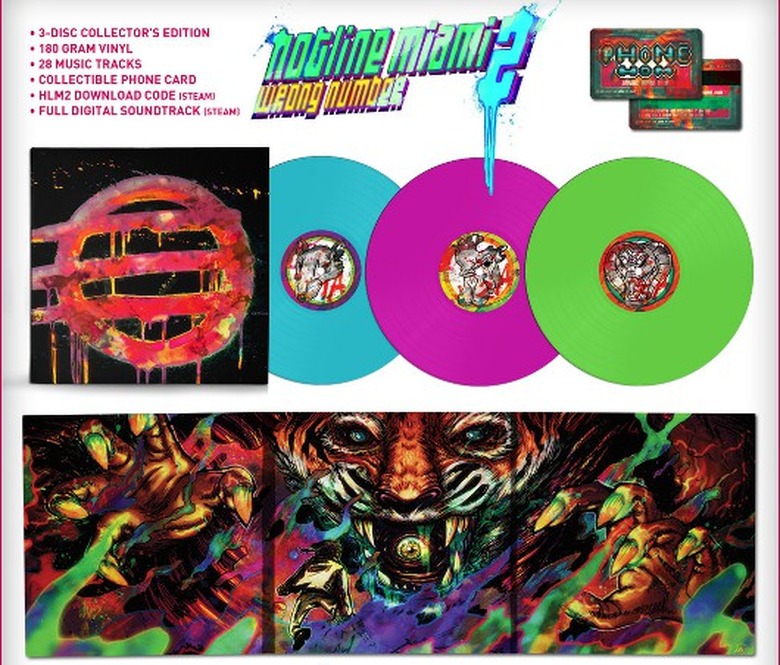
There was a time when you bought a game, pulled it out of the box, popped it into your device of choice, and that was it. In today's video game industry, however, a single game isn't even the end product. Now we have downloadable content and expansion packs – and don't forget to buy the season pass so you get it all for a nominal discount. Never mind just pre-ordering your games either, now we can pre-load them, guaranteeing access the very second a game becomes available. And the pre-order bonuses, bestowing us with trivial costumes or weapons, or maybe even some extra levels that will inevitably be sold after launch, despite being billed as pre-order "exclusives." Even without these premium additions, the game you bring home isn't the static creative work it once was. Developers and publishers are free to update their games now, patching out unforeseen problems or even adding fan-requested improvements. It's good that issues can be resolved, but the darker side of this is the now infamous "Day 1 Patch." These crucial updates are applied on launch day, providing fixes so last-minute that they couldn't make it onto the discs before they were pressed (or even onto the downloadable code, for that matter). The implication of the Day 1 Patch, of course, is that the game in the box, or sitting in your Steam download queue, isn't actually finished. The troubling part, as 2014 has proven, is that even after you've applied that patch, you can still wind up with a broken game. Not only that, but if the marketing has done its job, you have a broken game for which you have already purchased additional content. Maybe you paid a little extra for a special edition. You're a savvy shopper, so you saved five bucks on future DLC with a season pass. In today's climate, it's easy to plunk down $100 on a game before you've played a single minute of it. If said game doesn't work, all you've got is a fancy SteelBook case, a useless download token for DLC and maybe a plastic tchotchke for your desk. And that's assuming you didn't pre-order digitally, in which case all you have is a broken game and no hope of a refund.
By Richard Mitchell December 15th, 2014
Read More