Sorry, judges, encrypted chat is not like a private thought
A judge recently claimed that encrypted messages are similar to private thoughts. We, and the FBI, bed to differ.
Read More

The unique content on Engadget is a result of skilled collaboration between writers and editors with broad journalistic, academic, and practical expertise.
In pursuit of our mission to provide accurate and ethical coverage, the Engadget editorial team consistently fact-checks and reviews site content to provide readers with an informative, entertaining, and engaging experience. Click here for more information on our editorial process.
A judge recently claimed that encrypted messages are similar to private thoughts. We, and the FBI, bed to differ.
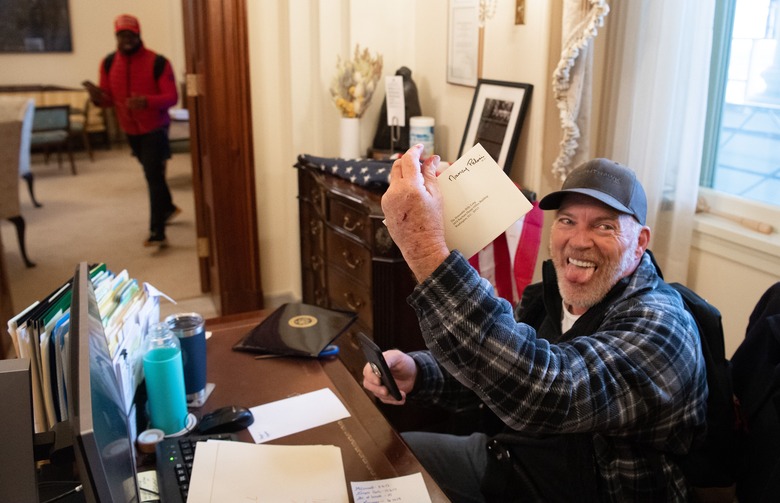
Read MoreThe insurrection at the Capitol had many worried about nation-state actors. It turns out, the real threat could be much closer to home.
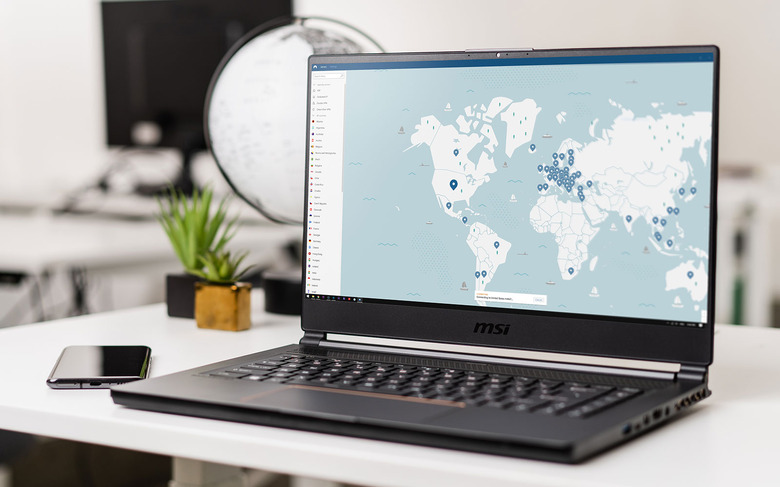
Read MoreHere's a list of the best VPN services you can get right now, plus advice on how to choose the best VPN for you.
Read MoreIt shouldn't feel like it took a pandemic to get Twitter to boot 7,000 QAnon accounts (and crack down on 150,000 more related to the violent conspiracy group), but it does. At least Twitter is doing harm mitigation around its role in this interconnected disaster. Five months in, you'd think 145,000 American deaths would move platforms like Facebook, Instagram, and YouTube to ban virus "truther" content, but nah.
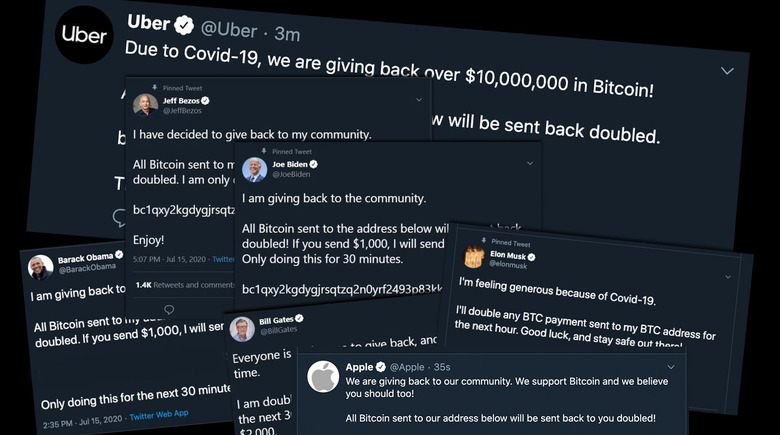
Read MoreImagine getting the keys to the Twitter kingdom -- access to all the account admin panels in the world. What would you do? If you're any kind of seasoned attacker, you wouldn't blow your own cover by tweeting from the world's biggest accounts -- for a bitcoin scam.
Read MoreIt's a pretty cool idea, but my point is that it's the app making the claim, and not necessarily the ring.
Read MoreThe order's gist centers on the White House belief (or rather, tactic) that fact-checking the White House or its allies constitutes anti-conservative bias. So yeah, here we go with Section 230 (again). FOSTA was vague and sought to neuter Section 230, too.
Read MoreLooks like more bad news with the renewal of the Patriot Act/USA Freedom Act — and its terrible provision to allow government collection of Americans' internet browsing and search histories without a warrant.
Read MoreDuring a cyberpunk dystopia, a highly contagious pandemic, and tons of leadership incompetence, it's surprising that video call privacy and security is pissing me off the most.
Read MoreCan you imagine trying to get 80 percent of Americans, from the privacy and security aware to coronavirus "truthers," to download a tracking app? It could also save a lot of money; our economy is bleeding out before our eyes.
Read MoreA lot of us are wondering just how full of crap Zoom is. Acting like Facebook is already bad, even more so now that we're all fighting for our lives.
Read MoreOur worlds are so upside-down and backwards right now that Wired claims Surveillance Could Save Lives Amid a Public Health Crisis, and privacy activist Maciej Cegłowski flat-out stated We Need A Massive Surveillance Program.
Read MoreFor the horny and lonely, sex and dating continues during the coronavirus pandemic. While Big Tech sticks its head in the sand, forcing its users to adapt, the sex industry leverages tech to show us how to play safe.
Read MoreVirus enthusiasts from all over the world converged in San Francisco this week for America's largest security event: RSA Conference 2020. Before it began, fourteen companies withdrew from RSAC over concerns about the impending Coronavirus (COVID-19) pandemic. On opening day, organizers sent a message through the conference app asking attendees to stop greeting each other with handshakes.
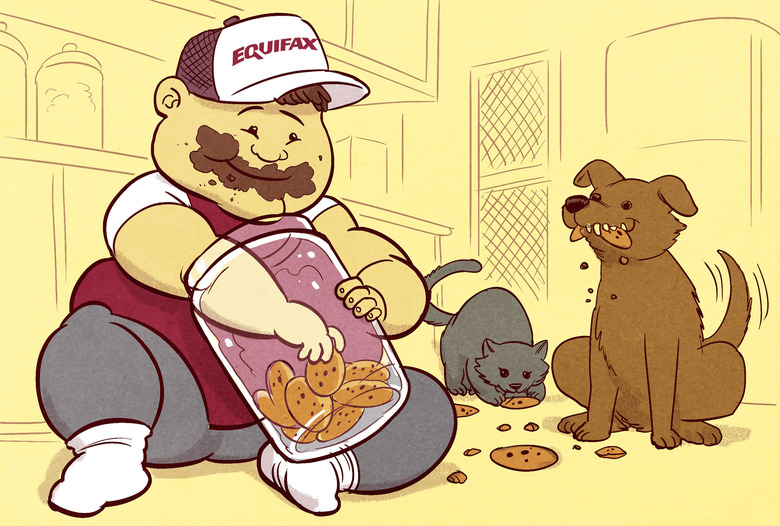
Read MoreOn Monday the FBI and AG Barr announced "an indictment last week charging four members of the Chinese People's Liberation Army (PLA) with hacking into the computer systems of the credit reporting agency Equifax and stealing Americans' personal data and Equifax's valuable trade secrets." China's military refutes the charges.
Read MoreMore than a bit of "I'm smarter than you" politics creates the divide between hacking headlines and what we actually need to worry about. On one side, researchers present findings at conferences hoping someone will raise the alarm and practical things will get done before things get worse. On the other, we have Jeff Bezos and his iPhone.
Read MoreKaylen Ward's Twitter fundraiser for the Australian bushfire relief has ended. The Los Angeles-based model said she raised $1 million (by comparison Jeff Bezos donated $690,000). At the start of Ms. Ward's successful donation drive she had three Instagram accounts — none of which were part of the campaign.
Read MoreOur situation became clear when my friend ran through Trader Joe's screaming "ALEXA WHAT TIME IS IT?" This wasn't a cringey mockumentary comedy segment. It's the way we live now. I'm certain San Francisco's sea of terrified Postmates and Prime delivery runners parted for her, trampling an Instacart personal shopper already wallowing in the misfortune of crawling along the baked goods aisle, feeling blindly under tortillas for lost earbuds. Everyone wondering if they should yell at Google or Siri to call 911. Several cameras are trained on everyone, of course, to memorialize and broadcast these special moments forever.
Read MoreAs we gather 'round the fire, warming our facepalm-weary hands, the blaze burning bright with the shreds of our privacy and security, it's important to reflect on what we're grateful for: Companies that did the infosec version of stepping on a rake, forcing them to secure us better. Idiots who tried to "hack" the FCC comment system while leaving their OPSEC cake out in the rain. Whatever geniuses left road signs eminently hackable, and the ones who made ATMs susceptible to malware that literally spits out cash. Here are the "winners" of utter and complete security failures we're almost grateful for. Let's hope the next time these clowns fall off a stack of servers, they don't fail to miss the ground.
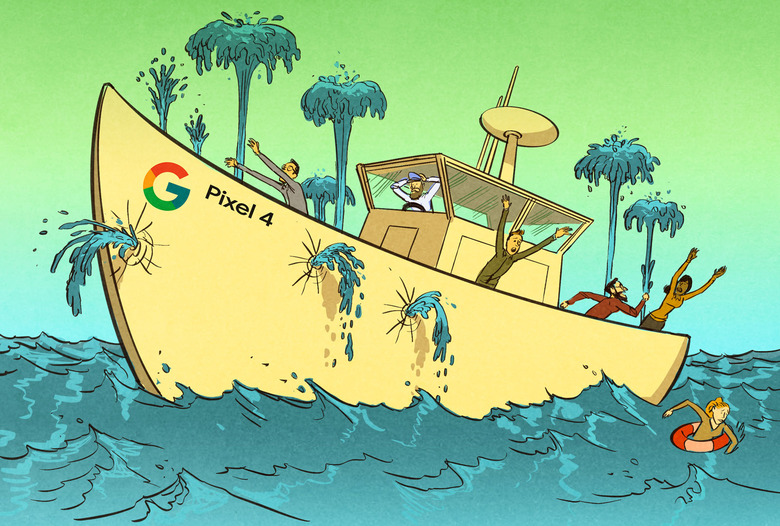
Read MoreLike many tech writers, I've been struggling to wrap my head around the brand-new Pixel 4's face unlock security #fail. Before the phone was even released, BBC technology reporter Chris Fox discovered that his review unit had a deeply disturbing security flaw: The phone's only biometric security option, facial recognition, worked just fine if the subject's eyes were closed.
Read MoreIf your dad were the technical advisor for the realistic hacks on Mr. Robot and he lovingly micromanaged your gadgets, you'd probably feel pretty badass about the security of your personal devices. So when one of Marc Rogers' kids had their iPhone pickpocketed at San Francisco Pride this year, things took an unexpected turn when tech-savvy thieves pulled off hacking tricks that had Rogers beside himself with curiosity and fascination. And concern. Lots of concern.
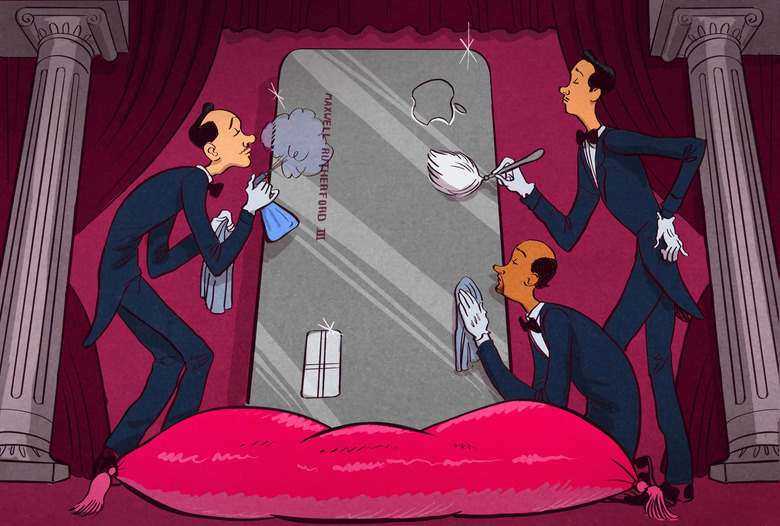
Read MoreWhen it came time to pay for dinner with my friend and his wife the other night, he said, "No, let us get this." It was a kind gesture. When you don't have to pay for a meal out in San Francisco, the feeling of relief is similar to narrowly avoiding getting hit by a self-driving car in the crosswalk. My friend is generous. He used to work in Apple security and now does security for a different Big Tech entity.
Read MoreIf we've learned anything in the past few years, it's that the internet is full of creeps trying to spy on us. And I don't just mean malicious hackers, scammers, wi-fi snoopers, account hijackers and wankers in trench coats. Often the creeps in question are companies snatching our private data. And advertisers following us around like mouth-breathing Peeping Toms.
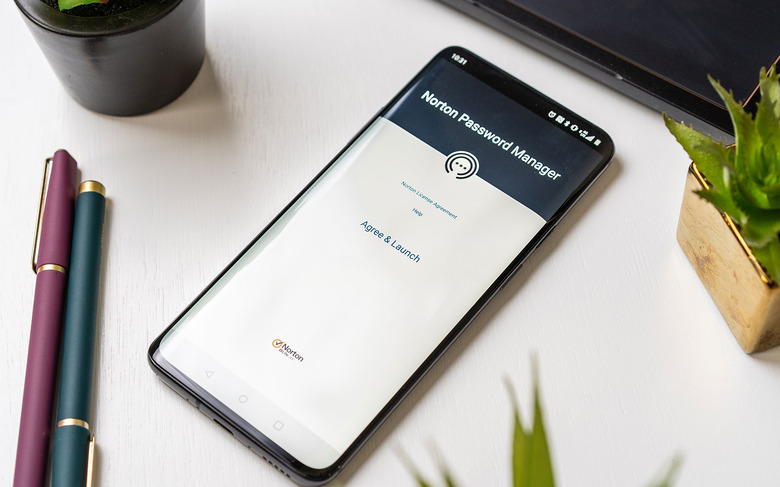
Read MoreWho loves dealing with passwords? No one. Password managers help by saving all your passwords in one, secure place. Let's break down how they work and the best password manager apps available now.
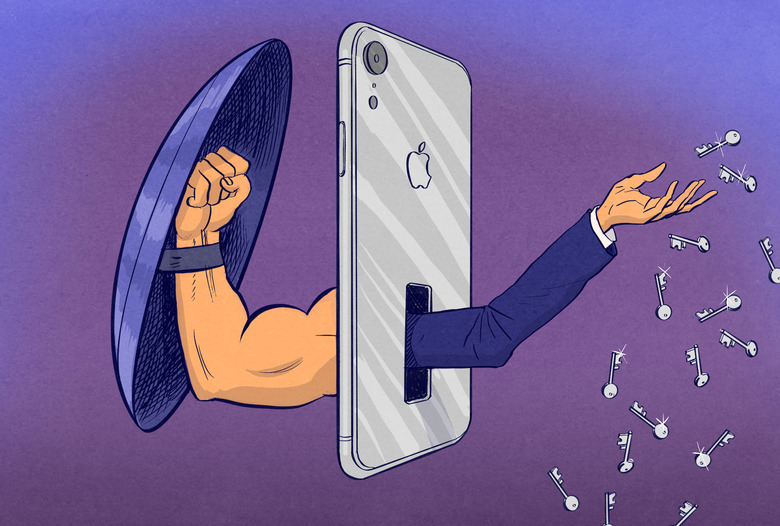
Read MoreIf you heard the reverberation of a few thousand heads exploding last week, it was the sound of information security professionals reacting to US Attorney General Barr saying that Big Tech "can and must" put backdoors into encryption. In his speech for a cybersecurity conference at Fordham University, Barr warned tech companies that time was running out for them to develop ways for the government to break encryption. FBI Director Christopher Wray agreed with him.
Read MoreOn a Tuesday night in May, Sean Coonce was reading the news in bed when his phone dropped service. He chalked it up to tech being tech and went to sleep. When he woke up, his Gmail account had been stolen and by Wednesday evening he was out $100,000.
Read MoreSilicon Valley's biggest companies have partnered with a single organization to fight sex trafficking -- one that maintains a data collection pipeline, is partnered with Palantir, and helps law enforcement profile and track sex workers without their consent. Major websites like Facebook, Twitter, Snapchat and others are working with a nonprofit called Thorn ("digital defenders of children") and, perhaps predictably, its methods are dubious.
Read More