0
Scammers have been inserting fake songs onto real artist's pages on Spotify and other platforms
A distribution loophole lets scammers collect royalties uploading fake songs to profiles for real bands.
Read More

A distribution loophole lets scammers collect royalties uploading fake songs to profiles for real bands.
Read MoreAt least that's the hope.
Read MoreThe new version of this keyboard-like thingamajig will have some small improvements.
Read MoreIt's the most sweeping proposal yet to limit kids' access to social media.
Read MoreBoth new open-ear products go on sale next month.
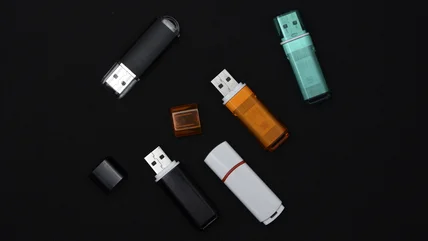
Read MoreFlash drives can vary wildly in cost. While a cheap drive will get the job done, a premium one offers extra sped and features that might be worth the money.
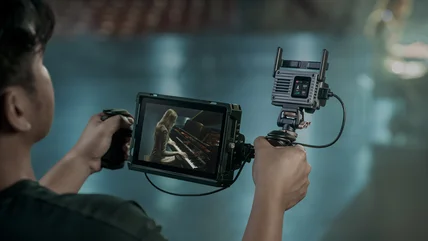
Read MoreAn underrated part of DJI's success is in the area of video transmission.
Read MoreA new coalition of tech giants aims to speed AI data center grid connections in exchange for more flexibility.
Read MoreOpenAI says it doesn’t believe the industry has solved its problems ‘to a sufficient degree to continue responsibly scaling at maximum speed for much longer.’
Read MoreThe Oversight Board is asking Meta to prioritize AI content when it's reported.
Read MoreIf your newly updated iPhone suddenly freezes, don’t panic. Here’s how to fix it.
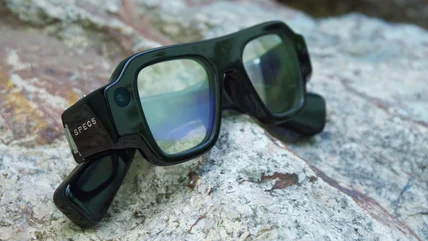
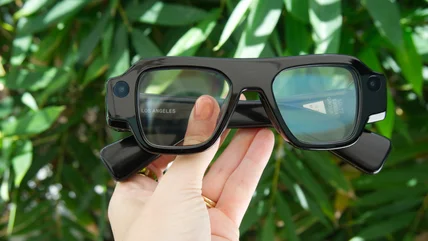
Read MoreThe glasses come with AR apps that actually feel useful, but is that enough to get people excited for the $2,195 device?
Read MoreThe new assistant works with the company's new AR glasses, but will also have its own mobile and desktop apps.
Read MoreThe 10.3-inch color ereader runs Android 16 and can access the Google Play Store.
Read MorePremium Advanced users will get an early access build "in the coming weeks."
Read MoreAnthropic is adding the ability to create docs, slideshow and access Cowork capabilities inside chat. It will roll out to Pro and Max subscribers first.
Read MoreFeatures that debuted on foldables, such as My FanCam, are coming to more devices.
Read MoreMeta is making the platform even better for podcast promotion.
Read MoreApple Reference Image is like giving your photos a tamper-proof seal.
Read MoreBoox has unveiled three new E Ink devices, including the Palma 3.
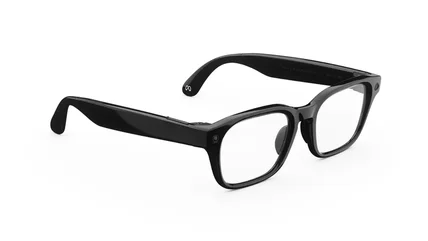
Read MoreMeta will soon unveil new camera-free smart glasses, according to The Information.
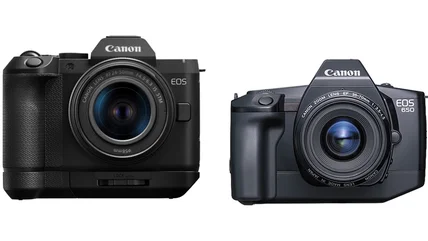
Read MoreThough preoccupied with vlogging lately, Canon hasn't forgotten its full-frame photography market.
Read MoreCharging your EV from home is cheap and convenient, but knowing which type of charger will get the most out of your electric car can often be confusing.
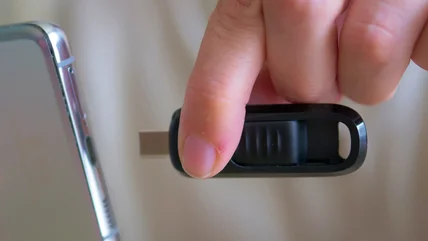
Read MoreUSB-A and USB-C flash drives both have their purposes. USB-C is increasingly common, but USB-A isn't going anywhere yet.
Read MoreThat should keep these infotainment systems from hogging all the important screen real estate.
Read MoreGoogle has revealed the updates coming with the latest Pixel drop.
Read MoreHardly the first time Binance has been a vector for illegal transfers of funds.
Read More