virtual
Latest

Microsoft thinks remote workers need a 'virtual commute'
Microsoft Teams wants to recreate the daily commute for remote workers.
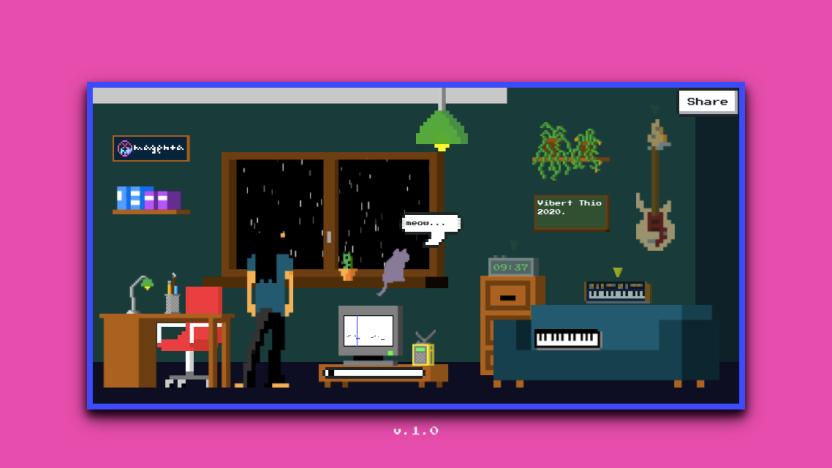
Google Magenta’s Lo-Fi Player is an AI-based virtual music studio
Google Magenta's Lo-Fi Player lets you create your own lo-fi hip hop tracks by clicking around in a pixelated, 2D room.

Adobe Max 2020 will be virtual and free for all
Adobe's Max 2020 virtual conference begins October 20th.

Texas embraces a virtual jury trial amid coronavirus concerns
A Texas court is conducting what officials believe is the first virtual jury trial.

Airbnb and Bumble push virtual first dates to stay relevant
Airbnb is introducing a collection of Bumble-approved online experiences, and Bumble is kicking off a contest to give away 100 virtual first dates.

Premier League football stars face off in a weeklong virtual tournament
With both traditional and esports adjusting their schedules due to COVID-19, England’s Premier League announced a new, hybrid tournament, the ePremiere League Invitational, in which football stars and celebrity fans will test their esports abilities in a five-day, 20-team, single-elimination tournament. The winner will take home the ePremier League Invitational champion title, and all proceeds will go to the #PlayersTogether fund, supporting the National Health Service. Liverpool’s Trent Alexander-Arnold will face off with musician and lifelong Manchester United fan Tom Grennan, who will represent the Red Devils.
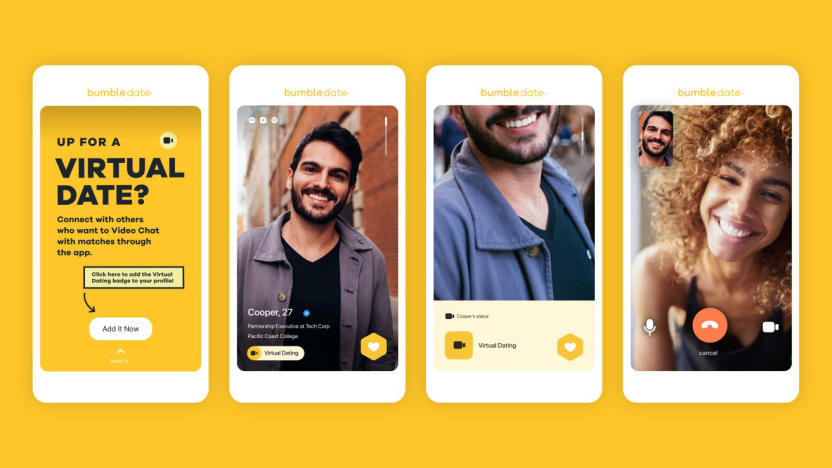
Bumble users can now match with anyone in the US
Like most things, dating has become more difficult since the coronavirus pandemic began. Dating apps recognize this, and to make life a little easier for users, Bumble is introducing a few new virtual dating features.
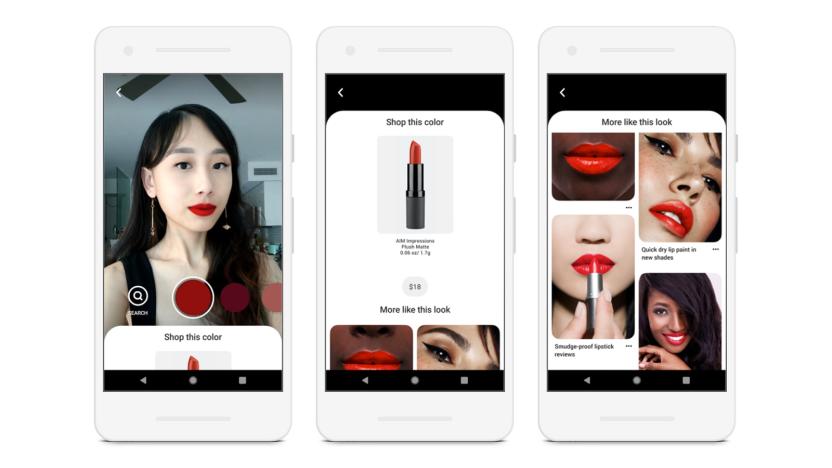
Pinterest lets users virtually try on makeup
Pinterest is joining the AR makeup game. From today, Pinners will be able to virtually try on lipstick from brands such as Sephora, Urban Decay, NYX and Lancôme before they buy, using a new Try On feature, powered by Lens. Just open the Lens camera icon in search, tap "try on" to explore different shades, then swipe-up to shop.
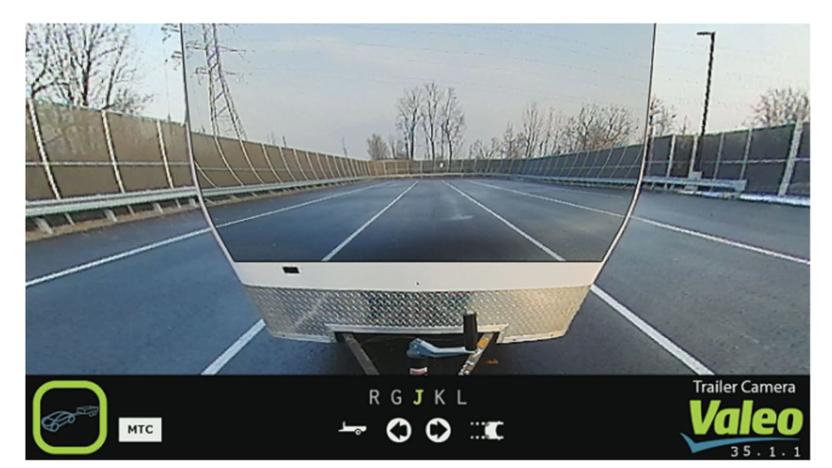
Valeo's vehicle camera makes whatever you're towing disappear
If you've already had enough of all the laptops, TVs and Amazon-enabled devices at CES 2019, autonomous vehicle supply company Valeo has unveiled the XtraVue Trailer. It takes images from cameras behind both your vehicle and trailer, and joins them in a virtual view. That appears on a small display in front of the driver, making it look like your fifth wheel has disappeared, David Copperfield-style.
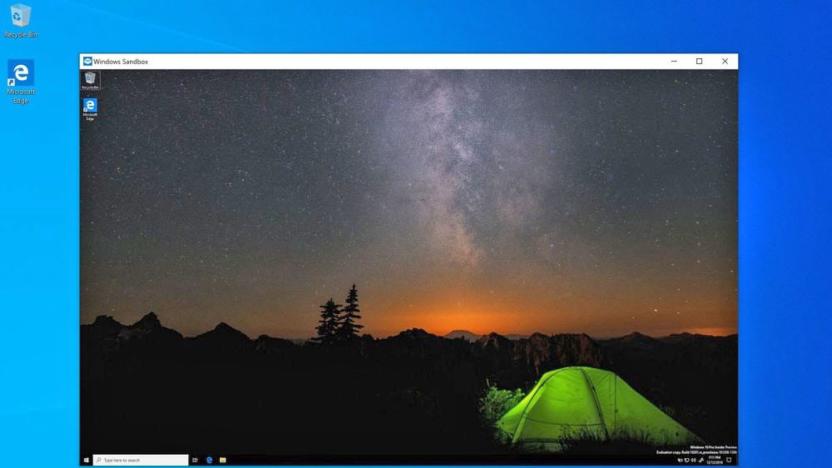
Windows Sandbox is a safer way to run programs you don't trust
Downloading and running an unknown .exe file can be fraught with terror -- or at the very least, a whole lot of a faff as you're required to set up a clean installation of Windows on a virtual machine. Now, Microsoft is introducing a new solution that brings it in line with a standard already found on other operating systems: Windows Sandbox. The feature creates "an isolated, temporary desktop environment" (and lightweight, at 100MB) on which to run an app, and once you've finished with it, the entire sandbox is deleted -- everything else on your PC is safe and separate. The feature is available for users of Windows 10 Pro or Enterprise running Build 18301 or later, and requires AMD64 and virtualization capabilities enabled in BIOS.

UNC Health Care offers free virtual appointments to hurricane victims
UNC Health Care announced that it will give anyone in North Carolina free access to its virtual care service through September 23rd as the state works to recover from Hurricane Florence. Via phone, tablet or computer, UNC Urgent Care 24/7 gives users virtual access to physicians who can then diagnose them, recommend treatments and prescribe medications. The healthcare group initially waived its virtual visit fees over the weekend, but it's extending the free access since many North Carolina residents have been displaced or can't travel because of the storm.
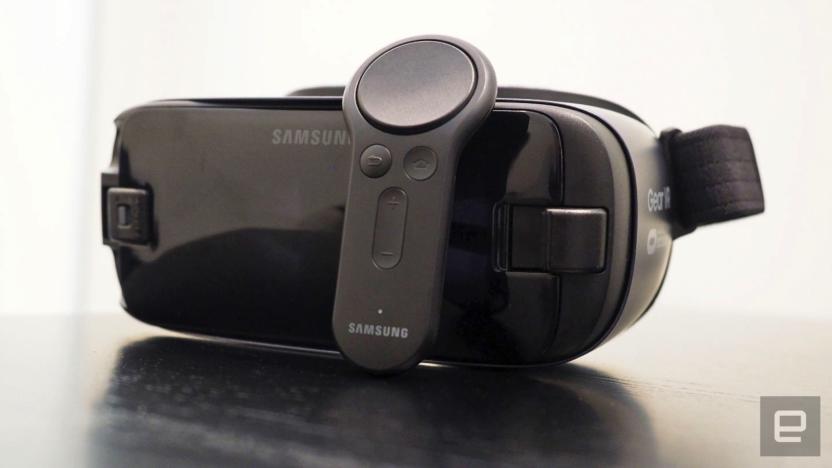
YouTube's virtual reality app is now available on Samsung Gear VR
YouTube VR is already available for PlayStation VR, Daydream and HTC Vive. Now Google is making the app available for Gear VR users this week. The company is also introducing a new feature to let you and your friends watch videos together in a communal, virtual space.
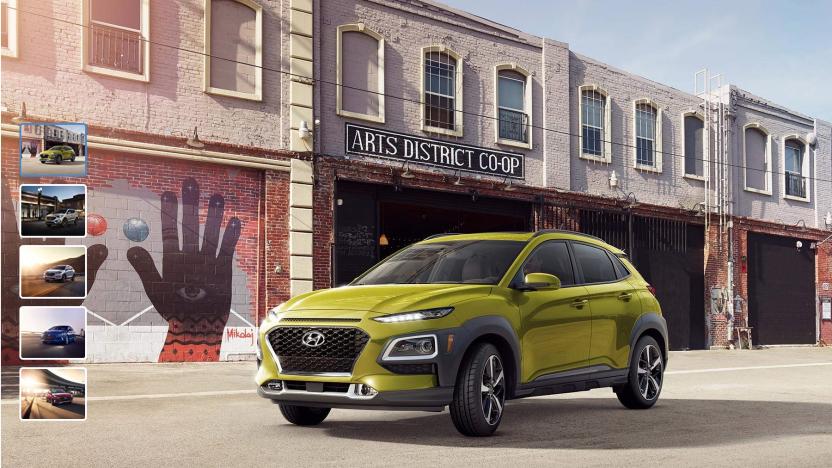
Hyundai offers virtual showroom on Amazon
If you have any cash left over from Prime Day, you might be considering a new car. Hyundai and Amazon have teamed up to offer a virtual showroom of the car maker's automobiles in the Amazon Vehicles section. You won't be able to order an Elantra with Alexa just yet, however. The new section only provides details for a variety of automobile models, with links to find local dealers.

Insurers increasingly use apps and drones instead of agents
Hobbyists aren't the only ones using the phone and drone cameras to explore the world in new ways, as insurance companies are increasingly opting for "virtual" or "touchless" handling of claims. The Wall Street Journal cites the 2017 Future of Claims Study survey by LexisNexis Risk Solutions (PDF) which found that 38 percent of insurers don't send employees out for physical inspections in at least some situations. One story mentioned says that Lemonade Insurance settled and paid out a claim in just three seconds using the AI bot connected to its app.

You can now give your Valentine a virtual blowjob
Valentine's Day is less than 24 hours away, and if you're still scrambling for a gift for your special guy, porn website CamSoda has an idea -- send him a virtual blowjob. Yes, that's a thing now.

Razer's second OSVR devkit is now available for pre-order
If you've been looking for a lower-cost alternative to the Oculus Rift and HTC Vive that doesn't skimp on hardware, you're in luck. Razer has officially started taking pre-orders for the OSVR HDK2: its second generation Open-Source Virtual Reality hardware development kit. The company announced this upgrade last month at E3. It features a higher resolution 2,160 x 1,200 low-persistence OLED 441 PPI display, a winder, 110-degree field of view and a 90Hz refresh-rate -- specs on par with what you'll find in other commercial VR headsets.

Use your Xbox One to try on clothes at home
High-tech fitting rooms have been around for quite some time, but most of the gear stays inside a retail location. However, Xbox One owners can now have a personal setup in the comforts of their living room. Thanks to a new shopping app called The Mall, the console's Kinect motion-tracking camera and the software's virtual wardrobe tech drives the in-home fittings. Launching with the help of Von Bismark, a Dublin-based television e-commerce company and veteran of Microsoft Ventures, the shopping platform allows Xbox users to browse for new clothes before standing in front of their TV to try them on in real time.

We go virtual trail biking on a robotic smart bike
It takes you less than 30 seconds sitting on top of Activetainment's Ebove B\01 smart bike before you start wishing you could own one. Sure, there are plenty of static exercise bikes that let you follow a trail with the benefit of a tablet strapped on top. There are a lot fewer bikes that are set up on a gimbal that lifts up when you crest a hill and dips down when you hit the opposite side. When you factor in the fact that the bike has working gears and the effort you make represents the distance you travel, it's the closest thing we've seen to trail biking that doesn't involve getting muddy.

Linden Lab releases Versu, an interactive fiction system for iPad
Linden Lab is best known for putting together the old social MMO Second Life, but more recently the company has been getting involved in tablet development, releasing its first iPad app last year. Today, Linden has released another app, and like Creatorverse and Second Life, this app is more of an engine than a game -- it's an interactive fiction platform essentially, designed to upgrade the idea of traditional text adventure games into something more replayable and dynamic. Versu is what it's called, and you can download it for free on the App Store right now. There are only a few stories available right away, with most of them based on Jane Austen's Pride and Prejudice. As you can see in the app, the action plays out like a text adventure: you get a description of the surroundings and the setting, and then can interact with various characters at different moments, either engaging them in dialogue, or performing certain simple actions. The big innovation here is that Versu allows you to play through the same scene or story from multiple perspectives, so you can play once through as one character, and then play through the same scene again as another character, playing out different reactions every time. Unfortunately, what's available right now with Versu isn't very much -- the platform's potential is impressive, but the current content is more of a demo than anything else. But the app's FAQ says this will turn into a content creation system very soon, and that seems like the fun part: users will be able to create their own characters, actions and even stories, and fit them into the Versu system. There have been some really intriguing interactive fiction games showing up lately, and Versu could do a lot to really expand upon and improve that genre -- if it can get those content creation tools out and running. In the meantime, you can check the app out for free, and you should, if you want a look at what Linden Lab has been working on. Hopefully, they'll open the platform for creation very soon, and then we should see some really intriguing uses for this new app.

In China, virtual stores may go one step more virtual
I love the concept of virtual stores. You whip out your phone and order merchandise for home delivery, typically using QR codes. We first saw these pop up when Tesco launched one in the South Korea subways. They appeared in the Prague subway system, in Sweden's Jetshop and with Toys R Us' mobile interactive virtual store initiative. Virtual stores have been spotted in Australia, Singapore, Germany, Canada and the UK. The system usually works through large posters of fake store shelves, all labeled with phone-readable codes. When you see items you desire, just point, shoot and order. Customers receive an automated message that confirms the purchase and work with vendors to iron down delivery details. Now, China is joining the virtual storefront revolution. According to Springwise, Unlimited Yihaodian plans to add ecommerce to public spaces, with a virtual virtual store experience. (Yes, you read that right.) The store will actually project over the real world, adding another layer of virtual into the virtual shopping experience. Retailers will be able to cut down on physical plant costs by skipping bricks and mortar and creating a straight path from warehouses to the consumer. It sounds like this may still be proof-of-concept project (if any Chinese readers can figure anything further out, please let us know!) but we look forward to seeing it pan out. Right now, here in Denver, it's 0 degrees Fahrenheit. Heading to a public square to play shopping games with my phone doesn't sound nearly as appealing as competitive shopping in a warm, enclosed subway. In the TUAW newsroom, we're having a debate whether this new option is more weird than cool or more cool than weird. What do you think? Drop a note in the comments and share your opinion.


