

Why deep discounts on smart home gadgets can cost you in the long run
This is a category of products where you often get what you pay for.
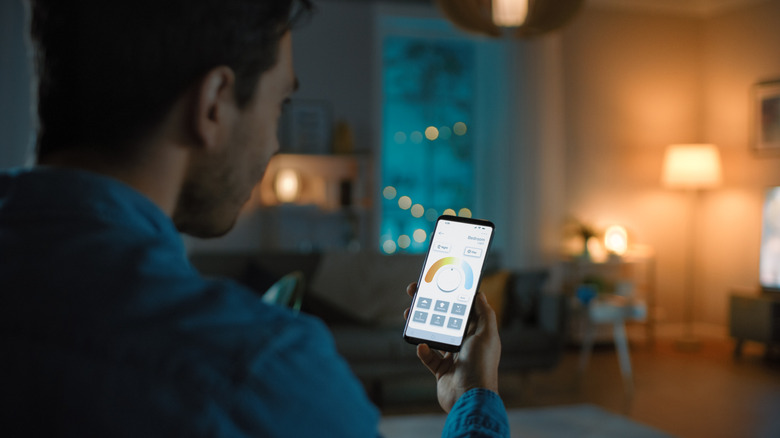
When they're firing on all cylinders, smart home devices can be some of the best investments you'll ever make. Smart thermostats, for example, can legitimately save you money while keeping you comfortable. Light bulbs and lamps, meanwhile, can dramatically alter the mood of a space and even improve home security by simulating your presence while you're away.
The catch, of course, is that outfitting a home can get expensive in a hurry, at least if you want the better products out there. Philips Hue, for example, normally charges upward of $140 for a starter kit with just three or four bulbs, and the best smart locks (from brands like Yale and Level) can cost twice as much, if not more. Fully upgrading a home might cost thousands of dollars.
There are cheap options out there that can get the job done. But you need to exercise caution when shopping, because a mistake could actually cost you more in the long run in the form of replacement gear, ongoing subscriptions or simply unwanted hassle.
The hidden problems with cheap smart home gear

The most common issue is compromised functionality. Many cheap bulbs, for example, rely on 2.4GHz Wi-Fi instead of hub-based wireless standards like Thread and Zigbee. There are quality Wi-Fi bulbs out there, such as the ones by LIFX (its color bulb was runner-up in our roundup of the best smart LED bulbs). But the more of them you have, the more congested your router becomes, and automations stop working if they can't connect to the internet. Some 2.4GHz accessories don't play well with mesh routers, either, since they can have trouble connecting over 5 or 6GHz bands.
You'll also notice that a lot of cheaper accessories only support Amazon Alexa and/or Google Home, not Apple Home, which has tough certification standards. This isn't necessarily a big deal, since Amazon's and Google's ecosystems are multiplatform, and a growing number of accessories support Apple via the universal Matter pairing standard. But you have to be prepared for these limitations, and check for the appropriate "Works With" labels on boxes.
A major concern is support. Some of the cheaper accessories out there are just generic products rebranded and sold by small, faceless companies. They can't offer the same level of troubleshooting as their better-known counterparts, which could leave you in the lurch if something breaks or doesn't install properly. Even some well-known brands can leave you stranded if they rapidly cycle old products or they're not committed to the smart home market. Consider Roku, which recently abandoned smart home products entirely to refocus on streaming.
Subscriptions and other potential pitfalls
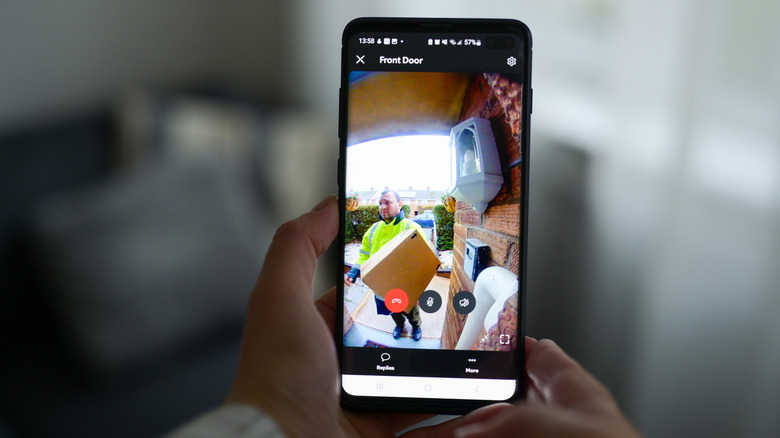
Subscriptions are sometimes unavoidable, no matter the initial cost of the device, because of the expensive infrastructure required for features like cloud-based video recording. But if a product seems crippled without a subscription, that could be a red flag. One of the worst offenders in this regard is actually Amazon's Ring — while you can buy some of its cameras and doorbells for $80 or less, a Ring Protect subscription is required for any kind of recording, as well as person, package and vehicle detection. Without object recognition, your phone could be flooded with unlabeled motion alerts from things like squirrels or tree branches, as I discovered. There are alternatives with free, on-device recognition technology.
You may be willing to risk some of the issues we've covered to save cash. But if your budget is flexible, it's almost always wiser to adopt the buy once, cry once philosophy. The goal is improved convenience or security, after all, and accessories that fail that test can lead you in the opposite direction. Assuming you can get them running, you may waste hours solving problems or adapting your home to their limitations instead of vice versa.
Remember also that quality smart home accessories can stick around for the long haul. I'm still using a few products from a decade ago, despite going through multiple phones, tablets, PCs and even cars in the same time frame. Simply put, if you invest in well-built options with proper support, they might actually be some of the longer-lasting products you own.