Alexis Santos

Engadget Editorial Policies

The unique content on Engadget is a result of skilled collaboration between writers and editors with broad journalistic, academic, and practical expertise.

In pursuit of our mission to provide accurate and ethical coverage, the Engadget editorial team consistently fact-checks and reviews site content to provide readers with an informative, entertaining, and engaging experience. Click here for more information on our editorial process.

Stories By Alexis Santos

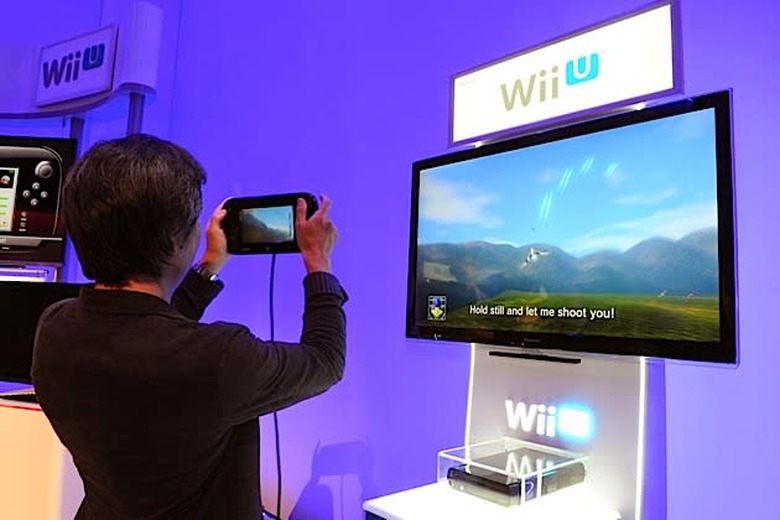
  • 'Star Fox' sets course for Wii U along with smaller projects from Miyamoto

    Sure, Star Fox hasn't seen a home console game of his own since the GameCube, but Nintendo has different plans for the Wii U. Time's let word slip that the Big N is releasing a game starring the anthropomorphic space canine. While there aren't many details just yet, players will use the GamePad's motion controls to aim and fire, while controlling their ship Arwing with thumbsticks. And yes, it'll still be able to transform into the land tank. In addition to the tried-and-true roving fortress, Nintendo's baked in a new helicopter-like craft. The aircraft's movements can be controlled by one player, while another takes control of shooting enemies or directing a small robot that drops down and blasts things independently.

    By Alexis Santos Read More
  • Apple's Swift is a new programming language with a focus on speed and ease of use

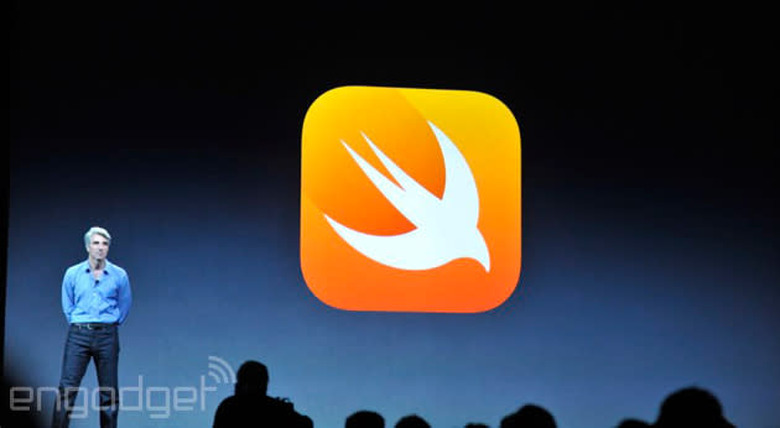
    Apple's used Objective-C as its programming language of choice for right around 20 years now, but it's brought something new to its yearly developer conference: Swift, a new tongue of its own making. Apple describes its new lingua franca as "Objective-C without the C," but it keeps (and improves on) the speed of its progenitors. Even if you don't know what those terms mean, it's easy to pick up that apps iOS and OS X developers build with Swift should run even smoother and faster than counterparts made with the Objective-C language they've been using. According to the folks from Cupertino, Swift can be used to craft anything from social networking apps to 3D games.

    By Alexis Santos Read More
  • iOS 8 apps can share data, features with each other

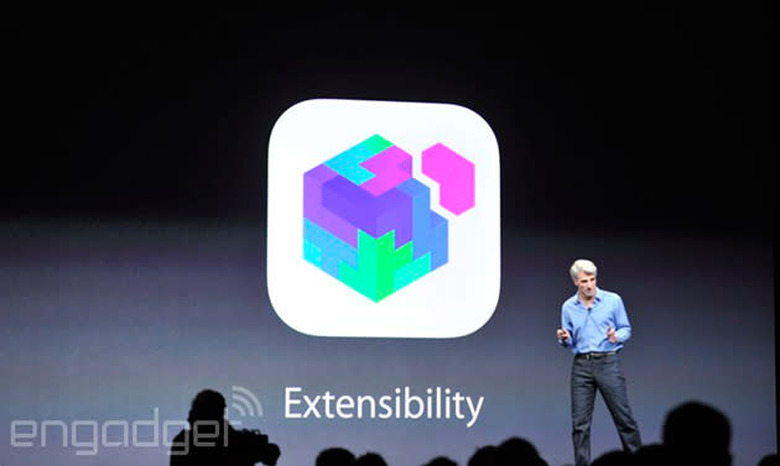
    Apple's annual developer conference is well underway, and it just revealed what could be a seismic shift in the iOS world: Third-party apps will soon be able talk to each other. Historically, applications on iOS have lived in their own silos, without being able to share data and features, but that's set to change in iOS 8. Apple has given developers "Extensibility" tools -- a suite of APIs, if you want to get technical -- that they can wield to let their apps share everything from documents to translation services. A demo onstage showed a Bing extension for Safari doing inline translation of a Japanese website, and using Pinterest to share a photo from a website in just a few taps.

    By Alexis Santos Read More
  • Meet NASA's commercial space capsule contenders

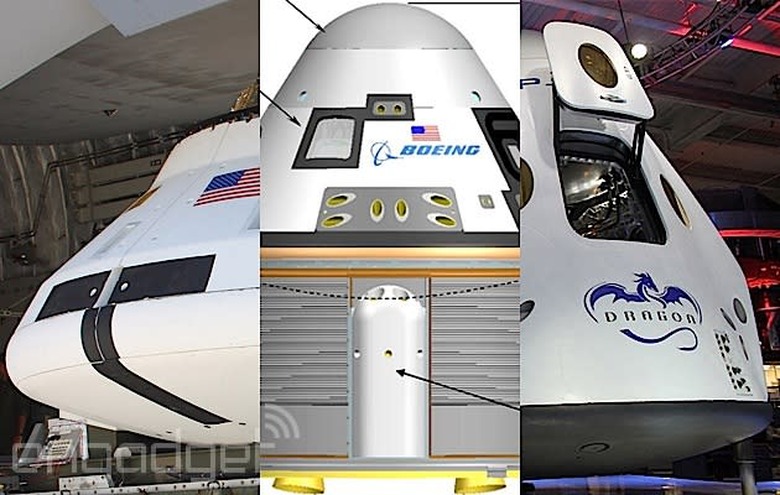
    Sure, the Dragon V2 is the latest (and greatest) spacecraft from SpaceX, but it's not the only capsule that may one day schlep astronauts to the International Space Station. In fact, Elon Musk's firm is just one of three private outfits currently competing in a NASA program for commercial launches with their own vehicles. We've surveyed the space capsule landscape and have whipped up a primer on the future crafts that may wind up taking humans to space.

    By Alexis Santos Read More
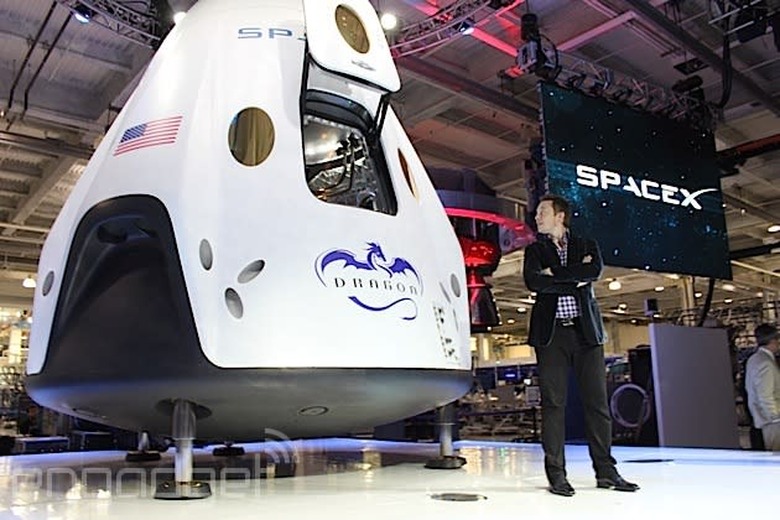
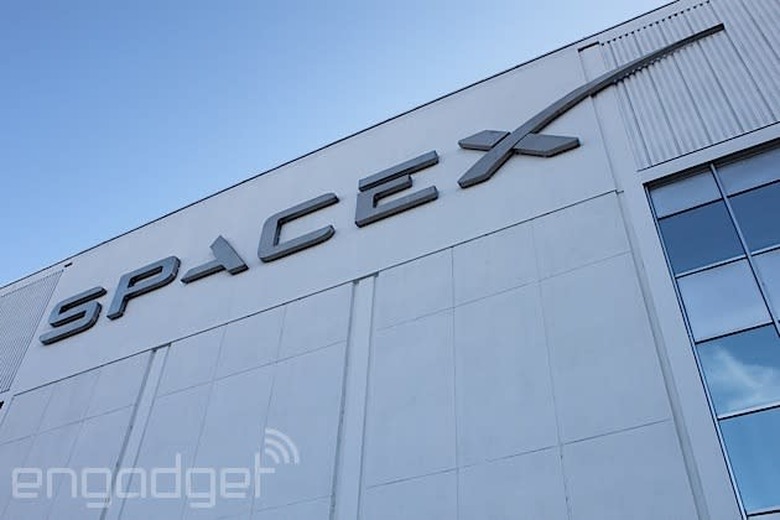
  • SpaceX Dragon V2 can seat up to seven passengers, use thrusters to land on solid ground

    SpaceX's Dragon capsule has been taking cargo to the International Space Station since 2012, but it's done so lacking the chops to shuttle humans into orbit. The firm's just unveiled the next generation of the spacecraft, dubbed Dragon V2, to remedy that, and it's designed to do much more than carry people. The new craft is reusable, can hold up to seven passengers and is designed to allow for swapping crew space for additional cargo. What's more, the vessel is able to land on solid ground with the accuracy of a helicopter -- as opposed to splashing down at sea -- without parachutes. Using eight SuperDraco thrusters, engines 3D-printed from a superalloy, the Dragon V2 can blast out enough force (16,000 lbf for each engine) to slow itself down for a landing on terra firma.

    By Alexis Santos Read More
  • Watch SpaceX unveil its next-gen space capsule, Dragon V2 (update: done!)

    SpaceX is getting ready to reveal its next-generation space capsule tonight at its HQ in Hawthorne, California, and while we'll be covering it live, you can watch as it unfolds too. The firm's setup a stream (which we've included after the break) for the proceedings, and they're set to get started at 10 PM ET/7 PM PT. So, what's the big hubbub about this new craft? It'll be able to carry humans into space, not just cargo. That's something the first Dragon wasn't outfitted to for. Update: And it's over! Elon Musk showed off the Dragon V2, get all the details right here.

    By Alexis Santos Read More
  • Edward Snowden wants you to call him what he is: a trained government spy

    Edward Snowden has been called a variety of things: whistleblower, patriot, traitor. But when it comes to his technical expertise, he's usually just referred to as a hacker, contractor or some flavor of system administrator. That, Snowden says, doesn't do his role and background justice. In an excerpt of an NBC interview, Snowden asserts that he's a technical expert "trained as a spy in sort of the traditional sense of the word," worked undercover and overseas for the CIA and NSA, lectured at a counterintelligence training academy and implemented systems for the government "at all levels." According to the infamous whistleblower, he qualifies as a spy in the classic sense since he "lived and worked undercover overseas -- pretending to work in a job that I'm not -- and even being assigned a name that was not mine."

    By Alexis Santos Read More
  • Samsung hopes 'respected older generations' will dig its new flip-phones

    It may be a tad ageist to presume that some older folks prefer simple flip-phones to souped-up smartphones, but Samsung isn't making any apologies. In fact, the firm's just introduced a new line of clamshell phones in South Korea aimed at "respected old generations." Dubbed "Samsung Master," the class of handsets keeps things tame (and decidedly 2008) with 2G and 3G radios, a 3-inch screen, pedometer and FM radio. Of course, even a feature phone would't be complete without some flair. Not only are the phones available in black, red and silver, but their backs and keypads wear the faux stitched leather that's become a staple in the company's more cutting edge phones, tablets and laptops. If you happen to find yourself in South Korea with 240,000 won (roughly $234) to spare, you can snap up the distinguished-looking flip-phone for yourself.

    By Alexis Santos Read More
  • Far Cry 4 arrives November 18th on current, last-gen consoles and PC

    Amidst talk of its 2014 financials, Ubisoft hid a sliver of information that will please fans of open-world, first-person shooters: Far Cry 4 exists, and it's coming out this year. Ubisoft Montreal -- with the help of developers at Red Storm and the company's other dev shops in Toronto, Kiev and Shanghai -- is bringing the title to PC, PS4, Xbox One, PS3 and Xbox 360 on November 18th in the US, and on November 20th in Europe, the Middle East and Africa. In the fourth installment of the franchise, players will roam the mountainous terrain of Kyrat, a region of the Himalayas with a "despotic self-appointed king."

    By Alexis Santos Read More
  • NYC inks deal to put train tickets on smartphones

    Part of New York City's train system is set to get a 21st-century kick in the pants. Digital tickets that live on commuters' smartphones will soon be introduced thanks to a deal inked between the Metropolitan Transit Authority (MTA) Board and Masabi, one of eleven companies that offered to build such a system for the city. The pact follows a -- presumably successful -- trial conducted between Masabi and the MTA in 2012. Not every locomotive route will see paperless ticketing at first; only the Metro-North Railroad and the Long Island Railroad are scheduled to be equipped with the new tech.

    By Alexis Santos Read More
  • NASA finds Earth-sized planet that could support life

    NASA's Kepler telescope has discovered a veritable bounty of alien planets, but none of them have been quite like Earth -- until now. Today, the agency announced that Kepler-186f is the first confirmed Earth-sized planet in the habitable zone of another star. In other words, it's the right size and distance from its sun to have properties similar to our planet -- namely, a rocky composition and liquid water on its surface.

    By Alexis Santos Read More
  • Roku 3 update lets you search for movies and more with a smartphone

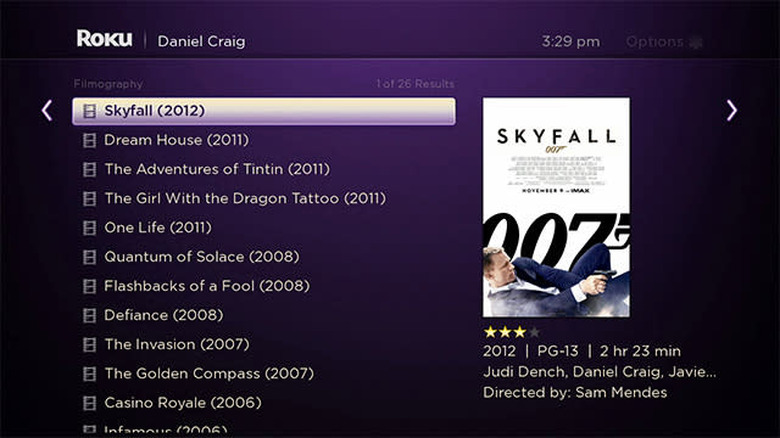
    Roku baked its comprehensive search feature into its mobile apps last month, but only folks who used it with the firm's HDMI Streaming Stick have been able to enjoy life without wielding a remote to hunt and peck for letters. Starting today, however, more of the outfit's hardware is getting some love: an update is trickling out to Roku 3 devices that'll enable the search feature with the apps. Since the company expects the software rollout to wrap up by April 22nd, it may be a while before your own box gets updated. Other Roku models are expected to snag the upgrade in the following weeks. Until then, you can use the clicker to hunt for content by actors, directors and show titles. Like an animal.

    By Alexis Santos Read More
  • Unreal Engine 4 to support Windows Phone and Windows RT, but not anytime soon

    Unreal Engine 4's new $19 subscription option might be real tempting for developers on a budget, unless, of course, they're hoping to make games for Windows Phone and Windows RT. Although Epic Games' next-gen engine doesn't work with the aforementioned flavors of Microsoft's OS, that might be changing, albeit slowly. Tim Sweeney, the studio's co-founder and CEO, divulged on the company's forums that the firm's already doing legwork to support the platforms. "We have been doing some work in this direction (implementing various levels of WinRT API support) and we want to have Windows Phone support eventually, but we're a very long way from having a ship-quality implementation," Sweeney said. Still, the head honcho adds that their focus will remain on Android and iOS development before branching out to Microsoft's other flavors of Windows. Impatient devs can stick with Unreal Engine 3, but those aching for the latest tools will have to sit tight a while longer.

    By Alexis Santos Read More
  • NASA captures over half the galaxy's stars in new infrared panorama

    Keeping a steady hand when snapping panoramic pictures is a valuable skill, but NASA's upstaged your photographic prowess with something a tad more impressive. Using over 2 million infrared pictures shot with the Spitzer Space Telescope over the course of a decade, the agency's created what's being called the clearest infrared panorama of our galaxy ever made. This is the first time all photographs from a project dubbed the Galactic Legacy Mid-Plane Survey Extraordinaire (or GLIMPSE360) have been combined into a single image. Although the final product only shows three percent of the sky, it contains over half of all stars in the Milky Way.

    By Alexis Santos Read More
  • Apple now warns users of in-app purchase settings in iOS 7.1

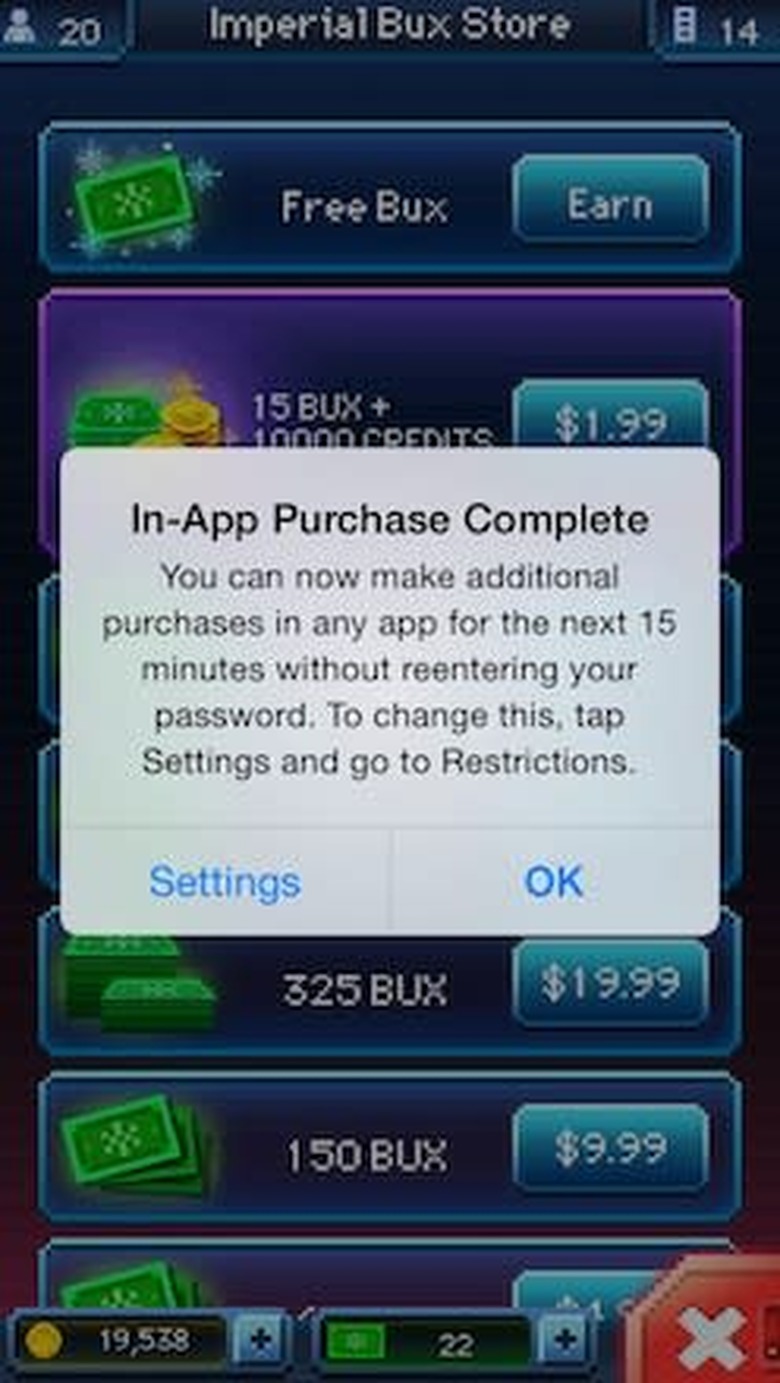
    Sure, Apple's legal scuffle over in-app purchases made by misbehaving youngsters has ended, but the firm's added a precautionary measure to avoid additional costly mishaps. Among other changes included in iOS 7.1, Cook and Co. snuck in an alert after micro-transactions that tells users similar payments can be made for the next 15 minutes without entering their password. Of course, the notice also directs the wielder of the iOS device to adjust the restriction if it's not to their liking. The 15-minute policy is far from new, but the message is likely a welcome -- albeit tiny -- addition for parents with shopping spree-prone offspring.

    By Alexis Santos Read More
  • Google's so-called mystery barge must relocate in light of permit blunder (updated)

    Sure, Google's so-called mystery barge is a little less, well, mysterious now that we know it's meant to be "an interactive space where people can learn about new technology," but the tale of its creation continues the theme of intrigue. After receiving complaints about the craft's construction, the San Francisco Bay Conservation and Development Commission looked into Mountain View's project and discovered that the proper paperwork wasn't in order. As it turns out, the city of San Francisco nor the Treasure Island Development Authority, which gave Google the green light to set up shop in the bay, had applied for the permits necessary to let work begin at the raft's current location. According to Larry Goldzband, the commission's executive director, Page and Co. must move the vessel, and sending it to a permitted construction spot in the bay would do just fine. The future might not be as rosy for the Treasure Island Development Authority, however, as Goldzband says they could face fines and enforcement proceedings for stepping out of line. This isn't the first time Google's float has had a run in with government officials either. Last fall, the US Coast Guard inspected the watercraft and seems to have suggested some design changes. The paperwork blunder likely won't mean much for the barge in the long term, but we've reached out to Google for word on how they'll adjust to the troubles. Update: Google's chimed in to let us know it's still digesting the permit news: "We just received the letter from the San Francisco Bay Conservation and Development Commission and we are reviewing it."

    By Alexis Santos Read More
  • The Onewheel self-balancing, single-wheeled skateboard comes to CES, we take it for a spin (video)

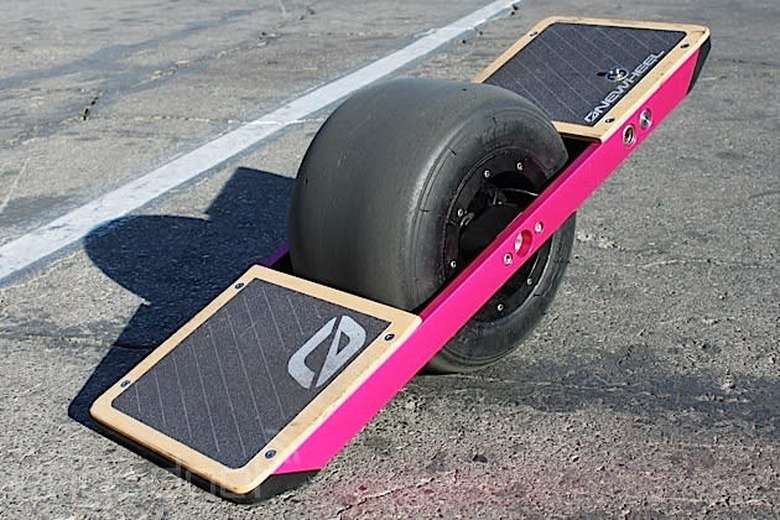
    It's hard not to do a double-take when first laying eyes on the Onewheel. After all, it is a single-wheeled skateboard that uses an electric motor, accelerometers, gyros and a microcontroller to give riders a smooth, self-balancing ride. The contraption's creator, Kyle Doerksen, brought a prototype by the Engadget trailer here at CES, and we couldn't resist putting it through its paces. Although the unit we played with was a pre-production model that still needs refining, you can color us very impressed. If the sight of a metal frame, wooden deck and a chunky go-kart wheel didn't convey a sense of great build quality, laying hands on (and picking up) the 25-pound package drives home its heavy-duty nature. When it comes to speed, the deck can go as fast as 12 MPH, but Doerksen tells us its acceleration is software-limited to allow for better self-balancing (and maybe even to protect users from overdoing it). As for range, Onewheel can go from four to six miles on a single charge thanks to a lithium battery, and it can be juiced up in two hours -- or 20 minutes with an "ultra" charger. What's more, the gadget sports regenerative braking to recoup roughly 30 percent of expended energy. Unfortunately, the device only has about 20 minutes worth of ride time in its battery, though that changes with terrain and personal driving style.

    By Alexis Santos Read More
  • Native Union's Jump charging cable can juice up your devices on the go

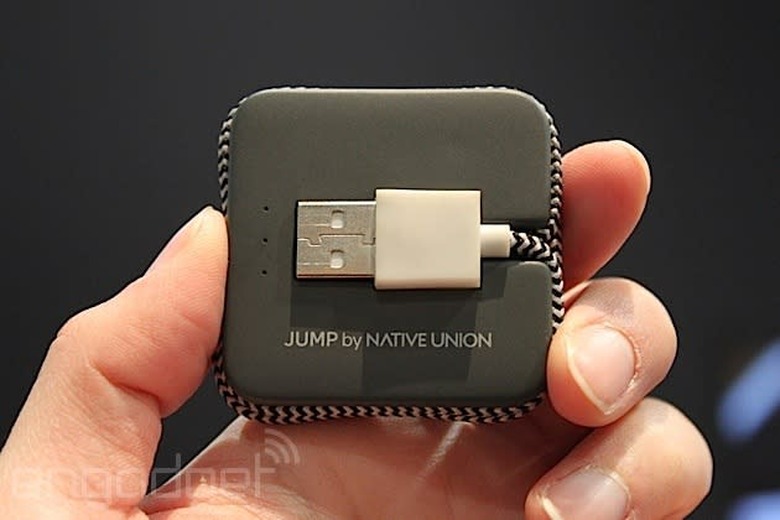
    It only took a little over 24 hours for Native Union's Jump, a charging cable with a built-in battery pack for juicing up on the go, to reach its funding on Kickstarter. Still, the company hasn't abandoned its booth here at CES to go out and celebrate, so we dropped in and laid some paws on the accessory. In case you need a recap, Jump consists of a central hub which contains an 800mAh battery, one braided cable with a Lightning adapter (or micro-USB) at the end, and another with a USB plug. The hardware is lightweight, easily pocketable and feels quite sturdy. Even the cords themselves feel like they can withstand a significant amount of wear and tear. While at first sight, the cables might appear as if they retract, they simply wrap around the central box and fit into small grooves. stretched from end to end, the contraption measures up at roughly 18 inches in length. On the face of the gadget sit a trio of lights that indicate the built-in battery level when a button on its rear is pressed. Not only does the device feel solid, but it's also quite smart. When plugged in, it'll make sure the gear you've connected will be charged up before topping off its own battery. While Jump will be available for $50 when it launches in May, you can snag it now through its already-successful Kickstarter campaign for $40.

    By Alexis Santos Read More
  • Lumus turns its military-grade eyewear into a Google Glass competitor (video)

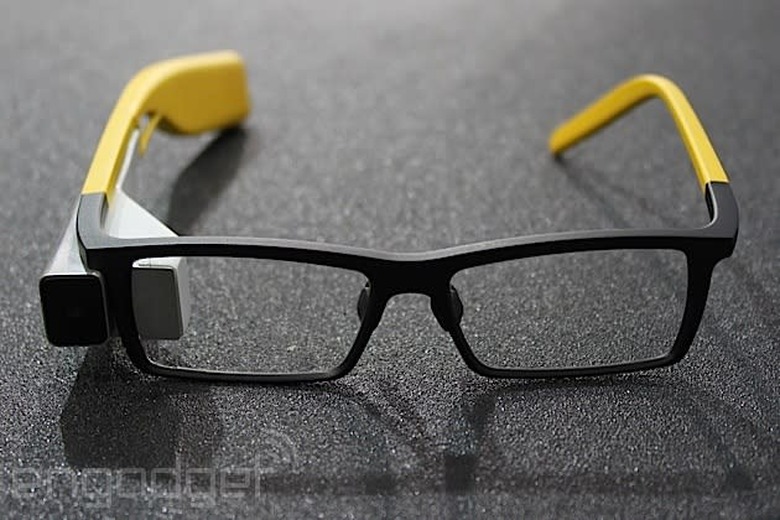
    Lumus has long developed heads-up displays for the US military, but now it's using a developer kit called the DK-40 to bring its HUD tech to wearables outside the battlefield. The contraption's first stop was the CES show floor, so we couldn't resist putting our fingerprints all over it. The key feature of the DK-40 is the "optical engine", which eliminates the need for a thick piece of glass to house a substantially sized prism. For the most part, the lens is transparent, but refracting light can occasionally catch the prisms and remind you (again) that it's not run-of-the-mill eyewear. And as if one display wasn't enough, the firm says it's possible to add a second one for the left eye. Folks with eyesight issues can attach a pair of prescription lenses that rest on the nose grips, but the firm is also developing a version where the medically prescribed glass will be bonded to the lenses.

    By Alexis Santos Read More
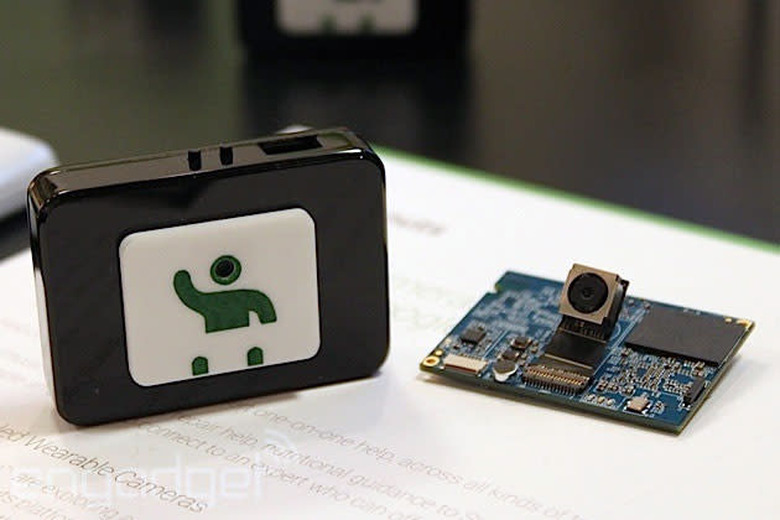
  • Wearable Google Helpouts streaming camera shares GoPro heritage, we go hands-on (video)

    Ambarella isn't exactly a household name, but the 10-year-old company's silicon has long found its way into GoPro cams and other hardware thanks to its video-compression chops and low-power tech prowess. Word broke last month that Google commissioned the outfit to produce a reference design for a wearable camera that would stream to its Helpouts service, which lets folks ask experts for help over video. Here at CES, the manufacturer's brought along a few samples of the device, and we've just put our paws all over one. Inside a plastic housing the size of a chunky matchbox, Ambarella's placed a custom chip (an A7LW, if you're curious) that endows the package with the ability to stream 1080p video at 30fps for a minimum of one hour. The housing also comes with a micro-USB port, microphone, 500mAh battery, 8GB of flash storage, WiFi and Bluetooth connectivity, along with power and "connect" buttons up top.

    By Alexis Santos Read More
  • Toshiba's 5-in-1 laptop concept debuts at CES with a detachable keyboard

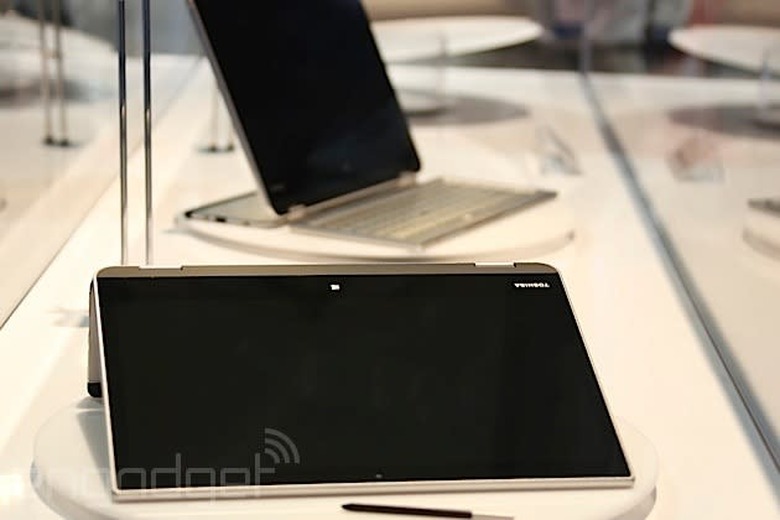
    Sure, notebook makers crow about their 2-in-1 hybrids, but Toshiba's brought something to CES that'll humble its competition: a 5-in-1 laptop. The transforming device comes with a slick magnesium alloy case reminiscent of a MacBook, and a 13.3-inch touchscreen. So, just what can this laptop transform into? On the tamer side of things are a run-of-the-mill notebook configuration and tablet mode, the latter of which is achieved by pushing the display all the way back, much like with Lenovo's Yoga line of devices. The next three forms are where things get interesting, and they're made possible by a detachable keyboard and a bit of metal left attached to the screen's hinge, which acts as a stand and houses stereo Harman Kardon speakers. In "canvas" mode, the laptop is lifted from the table at an angle helpful for drawing, particularly handy since the hardware's display packs a digitizer and its top half holds its own stylus. "Presentation/TV" mode is the fifth and final form, which props the display upright. When it comes to connectivity, the laptop sports two USB ports, a microSD slot and a spot to jack in a mini-HDMI cable. Since the hardware's still in concept phase, there's no word on detailed specs, price or when it'll see the fluorescent lights of your local electronics store. For now, you can see it in all of its forms in the accompanying galleries.

    By Alexis Santos Read More
  • OnTheGo Platforms is bringing gesture recognition to Google Glass apps (video)

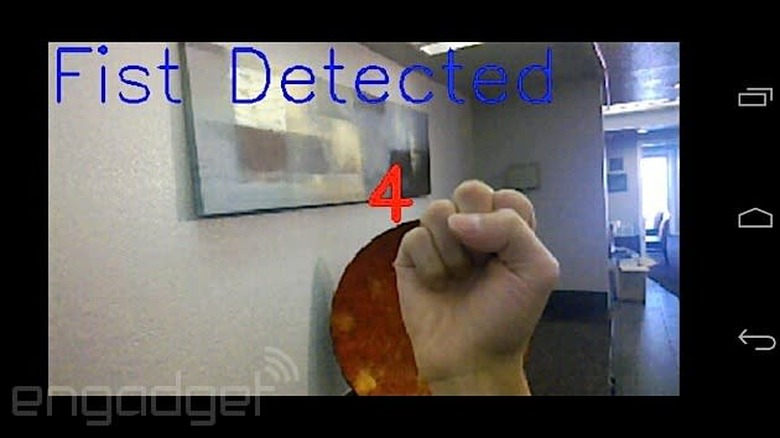
    Google Glass can hold its own when it comes to voice recognition and touch, but its current software doesn't account for gesture controls. OnTheGo Platforms, however, is looking to fix that. The folks at the Portland, Ore.-based company are baking up an SDK for developers to integrate gesture recognition in apps made for Glass and other Android-based smart glasses, such as the Vuzix M100. We went hands-on with a demo photo-snapping and gallery app to put the software through its paces. In its current form, the solution recognizes swipes from the left and right, a closed fist and an open hand. A fist aimed at Glass' camera will fire off a countdown for a snapshot or take you to the app's home, depending on the current screen. Waving a hand in either direction cycles through pictures in the gallery. This editor was tempted to swipe his hand across the camera's view quickly, but the software is tuned to pick up slower, more deliberate motions about a foot or so away. The detection was often hit or miss, but the developers say they're in the process of refining the recognition and that they've recently eliminated many false positives.

    By Alexis Santos Read More
  • Panasonic's first-person 4K camera debuts at CES, set for launch in late 2014

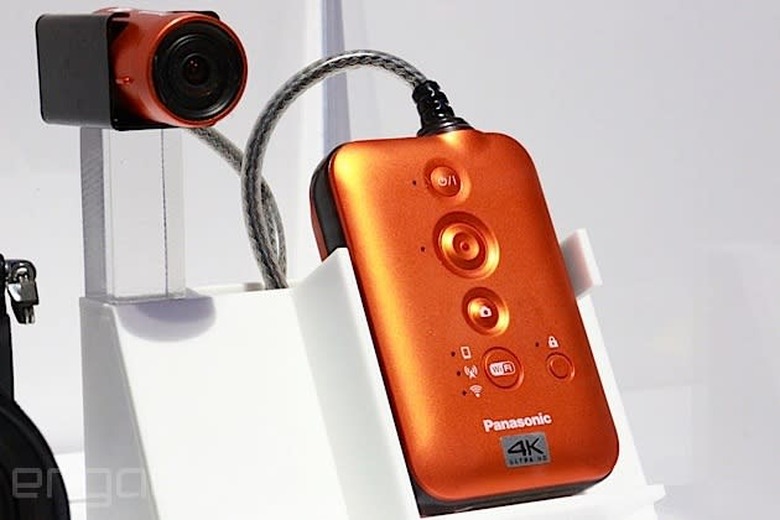
    Wearable devices and 4K are two of the biggest trends at CES, and Panasonic has managed to make both collide. The outfit's revealed a UHD camera that folks can wear on their head with the help of a plastic mount that wraps around their ears and neck. While the prototype is nearly identical to the HX-A100 cam the firm debuted at last year's show (yes, it's still waterproof), this Ultra High-Definition model is lined with some more powerful innards. Detailed tech specs are being kept under lock and key, but the unit on display was sending a live feed of the pixel-packed footage to a 4K display through a mini-HDMI port -- a feature that will be available in the final version. Despite the hardware's compact form, it produced sharp video free of stuttering, and caught a fairly wide field of view courtesy of its fisheye lens. While there's no word on pricing, the first-person camera is slated for a release later this year.

    By Alexis Santos Read More
  • Panasonic's next GH mirrorless camera will record 4K video, arrive late February for under $2,000

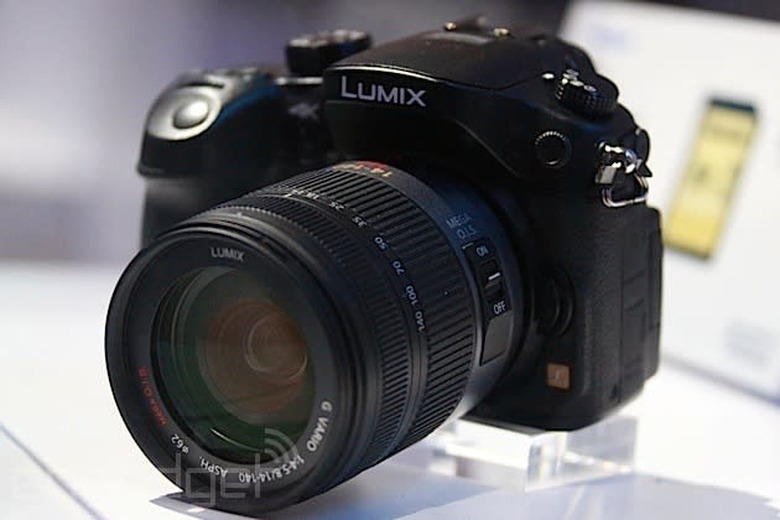
    With plenty of 4K displays in Panasonic's booth, it's appropriate the firm's finally shown off a camera in its GH line that records 4K video. The company's keeping most of the hardware's specs close to its collective vest, but a representative was able to divulge a few details. UHD content can be recorded at 200 Mbps, and output in a full live feed via a mini-HDMI port (thanks to ALL-I Intra mode) to display on a computer or record to a hard drive. Of course, the Micro-Four Thirds shooter can save footage straight to an SDXC card -- a UHS Class 3 prototype variant tuned for such a task was on display -- though space will run out fairly quickly. There's no word how many megapixels the cam totes, but it will be able to simultaneously snap photos while recording video. More details are set to arrive with the camera's official release in late February, when it'll arrive with a price tag of $2,000 or less. In the meantime, look out below for a glimpse of the shooter in the gallery.

    By Alexis Santos Read More
  • The Audi Smart Display is a 10.2-inch Android tablet that lives in your car

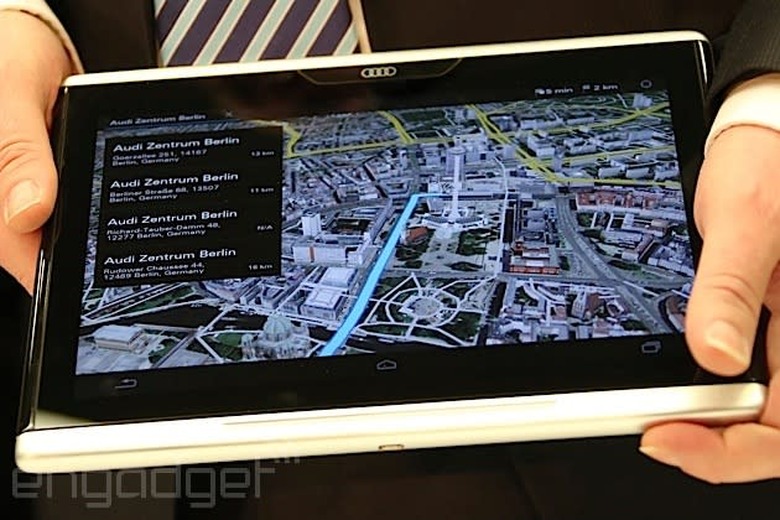
    German car manufacturer Audi just pulled the curtains back on its Audi Smart Display, a 10.2-inch Android tablet wrapped in brushed aluminum that lives in your auto. The slate is powered by an NVIDIA Tegra 4 chip, boasts crash resistance and the chops to survive temperatures as high as 80 degrees Celsius (176 degrees Fahrenheit). Of course, drivers aren't the target users for the device; passengers are. The hardware hooks up to vehicles over in-car WiFi and provides folks along for the ride with access to the web, media and navigation systems, and control over the radio, to boot. It's not clear what version of Google's OS it runs or if and when it'll find its way into autos on the road, but expect more details -- and a hands-on -- as CES continues.

    By Alexis Santos Read More
  • Audi's Sport Quattro Laserlight concept officially debuts at CES

    Audi teased us with concept drawings of its Sport Quattro Laserlight months ago, and tonight it decided to show off the vehicle in the flesh (or metal and carbon fiber) at CES. Before we wax about the auto's looks, it's important to note the machine's technical details, as they alone inspire a fair bit of awe. The car's titular feature is its headlights, whose laser light can cut through through five football fields of darkness. Aside from the futuristic headlamps, the car's calling card is the combination of electric and gas motors -- the latter of which takes it 90 miles per gallon -- for a whopping 700 horsepower. Simply put, Audi's crafted the Laserlight to look stunning from any angle. From the front, its rectangular beams offer a dose of futurism, and its large grille looks eager to breathe in as much air as possible while tearing through the freeway. From the sides, it's difficult to ignore how the top of the car swoops down into its base, still leaving room for two seats in the rear. From behind, the iconic lights make a return alongside a carbon fiber accent, which can be found as trim in other areas of the hybrid. Of course, there's still no word on price or availability, as the automobile is still in the conceptual stage. To ogle at Audi's Sport Quattro Laserlight yourself, take a peek at the gallery above.

    By Alexis Santos Read More
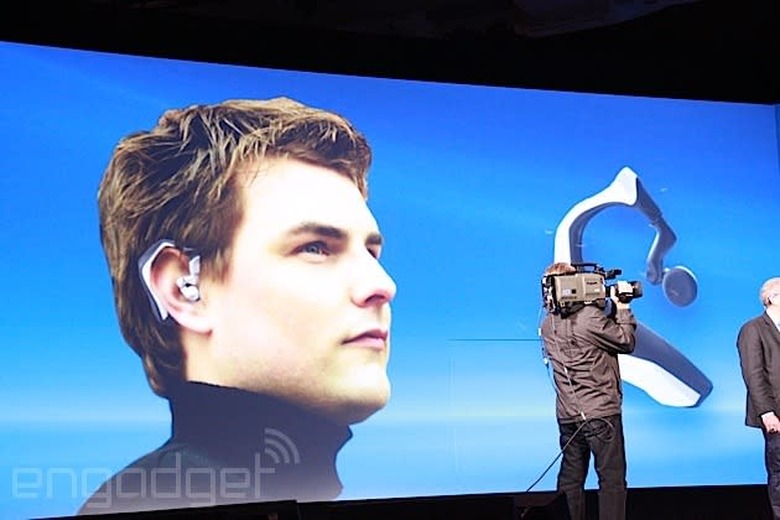
  • Jarvis is Intel's smart earpiece, and it takes on Google Glass without a display

    The next stop on Intel's wearable train is a smart earpiece, dubbed Jarvis (hello, Iron Man). The hardware listens for voice commands and can act as your personal assistant -- and it replies, to boot. You can make appointments cross-referenced with your calendar, check messages and set reminders. To prompt the device to listen for actions, users just say the words, "Hello, Jarvis." Mum's the word on price, but Jarvis is set for release sometime this year.

    By Alexis Santos Read More