Dianna Labrien

Engadget Editorial Policies

The unique content on Engadget is a result of skilled collaboration between writers and editors with broad journalistic, academic, and practical expertise.

In pursuit of our mission to provide accurate and ethical coverage, the Engadget editorial team consistently fact-checks and reviews site content to provide readers with an informative, entertaining, and engaging experience. Click here for more information on our editorial process.

Stories By Dianna Labrien

  • How to Choose Your First DSLR Camera

    It doesn't matter if photographyis a new pursuit for you, or if you've been taking pictures for years. If you are considering buying a DSLR camera, you on the road to making a decision that will take your photography to the next level. The only problem is that there are so many possibilities for you to choose from. How do you determine which features are right for you? It can be hard to sort out all of the specs between all of the available model. That's okay, though, this article will tell you exactly how to choose the DSLR that is ideally suited to you. First Look at The Camera's Sensor Size If crack open the shell of a DSLR camera, you will find an image sensor. This is what picks up the image you are looking at through your viewfinder, then transmits that image to your camera's memory card. In order to take the clearest pictures possible, you need to have a bigger sensor. If you've ever zoomed in a photograph and noticed that the more it was magnetized the blurrier it got, it was possibly taken with a DSLR with a small sensor. The largest sensor or full frame sensor provide the highest level of clarity and quality. These cameras are also exceedingly expensive. If you are looking for more of a beginner's model, you probably will want to look for a camera with a crop sensor. Specific crop sensor sizes vary from model to model. However, one thing remains the same. In this case, bigger really is better. Your job is to find the balance between your budget and your needs as a photographer or hobbyist. Now Check Out Resolution If you walk through your local camera store, or if you listen to or read any camera advertisements, you will hear one word over and over again: megapixels. In fact, this feature is so overemphasized that many assume that it is the gold standard of camera quality. That's not to say that this is not an important feature. It is, but chances are you've been taught that it is much more meaningful than it really is. The truth is this. If your camera has seven or more megapixels, you will have all of the image sharpness you need. Paired with the fact that most beginner's level cameras have more than 15, you can probably relax a bit on this point. Beware of any seller who tries to justify an inflated camera cost by talking about megapixel resolution. It's claptrap. If you do a side by side comparison of two cameras with different megapixels and you see a quality difference, you should probably look at sensor size or other features. Now Let's Think About Videos Even if you don't think you'll be shooting lots of videos, it's still nice to have a camera that has decent video capabilities. Obviously, if shooting video is a real priority for you, it's important to take a close look at how it handles videos. For example, is it important for you to be able to shoot in HD? Do you need a camera that is compatible with HD 1080P? Do you want a camera with a higher frame rate, or is that not on your radar? If you are still tackling a learning curve when it comes to photography, you will probably be doing yourself a favor by selecting a camera that is at least HD capable. You'll probably find that the price difference isn't all that staggering. What About Modes? Every DSLR camera has a set of modes available on it. The specific modes that are available depend on the model that you purchase. For example, a Nikon Digital SLR camera features an exposure mode. If you go for a true beginner's camera you'll have even more modes available to you. Each mode helps you to take the best pictures possible for the conditions that you are in. There might be modes for shooting pictures at night, for snapping pictures of your food, taking portrait pictures vs. landscape pictures, or taking action shots. Some cameras even have a guide mode. This is essentially a tutorial that helps you in real time as you are taking pictures. Professionals and seasoned photographers don't usually rely on these tools. Ideally, you will learn to work without them as well. However, there is nothing wrong with getting this kind of assistance when you need it. If you are comparing cameras, look at the modes they have to offer and then compare them with your needs and desires. What do you take pictures of? When do you usually have your camera out and working? How much help do you really need? Moving on to Editing Capabilities Today, many cameras come with editing capabilities. This means you can directly edit the photos from the screen. You can use auto adjust features, apply filters, and do a few other little things. Obviously, these on camera capabilities aren't going to be nearly as powerful as the ones that your desktop photo editing software has, but it's still kind of nifty. Your Camera's Lens Chances are the camera you purchase will come with a kit lens. This is a zoom lens that is 18 to 55 millimeters. Like most factory parts, they aren't the highest quality you can get. However, for most people, they are more than accurate. If you can find a good deal on a better lens while you are shopping, you should definitely grab that as well. If you are buying used, ask the seller what they have and what they are willing to throw in. In fact, no matter where you shop, ask what they are willing to add to sweeten the deal. You could end up with an extra memory card or camera bag for less money than you would buy each piece separately. Durability The final consideration you have is the camera's body an durability. Once again, this is where you consider where and how you will be using your camera. If you are going to be out on rough terrain, on the water, or in the middle of the action, you'll need a camera that can stand up to rough treatment. If you're taking family photos or shooting landscapes, you have less to worry about. The most important thing here is to read the reviews. You might not need the toughest model around, but you certainly don't want a camera that is going to meet an early demise just because you drop it. Finally - Take a Test Drive Ask the seller if he has one out of the box that you can test out. Then, shoot a few pictures. Think about how the camera feels in your hands. Is it a good fit for you? How does the weight feel? Once you find a camera with features that meet your needs, add it to your list of possibilities. Then, compare what you have found and select the best one.

    By Dianna Labrien Read More
  • The Cost of E-waste and What You Can Do About It

    E-waste or electronic waste is any electronic or electrical device that is thrown away without being reused or recycled. There are laws dictating that these items must be disposed of properly through certified channels, and most garbage collection companies will not knowingly accept these items. Unfortunately, in spite of this, electronic waste is illegally dumped all of the time. Some of this is done intentionally. People will dump old television sets in commercial dumpsters in hopes that they become another person's problem. They will even dump old appliances, radios, and other devices in abandoned areas. In other cases, it's a matter of simple thoughtlessness. Somebody gets a new smartphone, and they toss the old one in the trash without giving it a single thought. Problems Caused by E-Waste To begin, many electronic and electrical devices contain elements such as lead and barium that can be leached into water sources. Then there is the air pollution that can be caused by poor e-waste management disposal processes. In many cases, even if customers do recycle their e-waste, it is sent to unscrupulous companies who operate burning centers in 3rd world countries. This causes serious air pollution issues. Another environmental impact is soil contamination. E-waste also takes up valuable space in landfills, and is unsightly. A final problem that people don't consider is information security. Improperly discarded devices may contain sensitive information that could be hacked. The Human Cost of Electronic Waste And Why Recycling Isn't The Cure All There is are a few reasons that electronic waste processing is sent to 3rd world countries so frequently. The first is that we would never tolerate open burning within our borders. So, it becomes other people's problem. The second is that companies don't have to deal with any real regulations. This leads to the third problem. The people who work for these companies are easily exploited. They often work for sweatshop wages, or they are simply slaves. They suffer the effects of the pollution and hard labor. In the meantime, the processing companies profit in two ways. They are paid to take the waste away. Then, when they have the waste incinerated, they get the precious metals that are left over and make money selling those as well. 10 Tips For Minimizing E-Waste in Your Life Pass Devices Onto Others in Your Circle You might not want a device any more, but that doesn't mean somebody you know isn't interested. Before you do anything else, simply ask folks you know if they would like to take it off your hands. Donate Items Instead of Recycling or Throwing Them Away If you have a device that you no longer need, call up churches, community centers, children's hospitals, and other organizations. They might love to have your devices. If you cannot find any interest there, you can always contact Goodwill or place an ad on Craigslist or Freecycle. Research Reputable E-Waste Recyclers Know the e-waste recyclers near you who operate ethically. Ask them if they rebuild or donate items, or if they just ship them overseas. The less business that you funnel towards unethical recyclers, the better off everybody will be. If you cannot find one, consider sending a letter to your local representative pointing out the problem to them. Make Sure Your Devices Last as Long as Possible Don't overcharge your batteries or let your devices get too hot. Open up computer cases and blow out the dust. Upgrade your OS so that you have the latest security patches. Keep your handheld devices in protective case. Don't Buy Devices as an Ego Purchase If you buy a new device, make sure that you actually need it. There is no reason to buy something new and discard the old simply because you must have the newest gadget. If You Must Dispose of Your Device Know How to Wipe it Clean This is imperative. Your electronic devices are full of important information, and unscrupulous people really do dig through trash cans and dumpsters to find these items. Use a professional software package to ensure that all of your data has been cleared, and physically destroy your hard drives or sim cards. If you store sensitive data for others, be sure you know what your legal obligations are regarding disposal and retention. Buy And Sell Used Devices According to Amy Rice from Gazelle: "The reuse of consumer electronics is one of the three Rs of sustainability - reduce, reuse, recycle. Believe it or not, reuse has a greater impact on perpetuating a sustainable lifestyle than recycling. In-person transactions for recycling, such as those found at ecoATM, immediately incentivize people with cash to recycle". This is one of many great reasons to sell your devices and buy used devices instead of purchasing new items or recycling old. The next time you are ready to upgrade, this can help devices stay out of landfills. Learn to Upgrade Instead of Discarding Before you throw something away, ask yourself why you are doing that? If the device is running slowly, or out of storage space, this can be fixed by adding or replacing a few components. Believe it or not, most of these repairs and upgrades are quite simple. Your performance issues might also be a result of a virus or other software/operating system issue. Once you become comfortable making repairs and upgrades, you might never throw away old desktops, tablets, or laptops. You'll just keep them around for spare parts. Find New Uses For Electronics Think about using old devices in new ways. For example, rather than throwing a laptop away, you can use it as a second monitor for your desktop PC. This allows you to have more screen space for graphic design, gameplay, or other purposes. An old iPod may not be useful as your main music player, but if you plug it into a decent set of speakers it can be a great addition to your workshop or rec room. Know Which Disposal Service Your Electronics Store Uses Most electronics stores will offer to take your devices when you purchase new products from them. Some will also offer this service for a fee, but will apply that fee to a future store credit. This is all well and good, but be sure that you ask who they use to process their e-waste. If they are repairing and updating, or donating most of the items they receive, that's great. Consider making a purchase elsewhere if they are simply sending items overseas. E-waste is both an environmental and an ethical problem. Solving this problem requires that everybody take action to reduce waste, reuse and repair when possible, and patronize businesses that do not exploit others.

    By Dianna Labrien Read More
  • The Technology Stack Behind The Coolest Startups

    Have you ever wondered if you have what it takes to develop the next big thing in apps or websites? Doing so takes hard work, creativity, a great team, and most importantly, a great idea. You'll also have to build your app or site on a great infrastructure. The most important part of that infrastructure will be your technology stack. A technology stack is the framework that great startups such as Snapchat, Lyft, Facebook, and Pinterest use for development, customer relationship management, help desk, analytics, hosting, frameworks, app engines, and more. Perhaps the best way to develop an app that is going to be the next big thing is to see what the big guys are using themselves. Let's take a look at the technology stack that the biggest startups are using. Snapсhat A few years ago, Snapсhat was almost exclusively known as an app that teenagers and young adults used to send pictures and messages that would conveniently disappear once they were viewed. Today, businesses, individuals, even celebrities use Snapсhat as a regular part of their social media efforts, and they see the app as an important part of their overall branding efforts. Here are some of the technologies that drive this wildly popular app. Google Apps: Productivity and collaboration Objective C: Development language Google Analytics: Analyze website traffic and to collect data on the effectiveness of content marketing efforts Google Compute Engine: Cloud hosting Android SDK: Development framework Zendesk: Customer support Instagram It is fair to say that Instagram was an instant success. Once the app was made available in 2010, it's soaring popularity was pretty much immediate. A good bit of that success can be attributed to the thoughtful engineering that went into the development of this app. Take a look at a few of tools and utilities that work behind the scenes at Instagram. Python: Development language Amazon S3: Cloud storage solution NGINX: Web servers Amazon EC2: Cloud hosting Memcached, Cassandra, and PostGRESQL: Databases Testflight: Beta testing Pingdom: Website monitoring Fabric: Server configuration Sentry: Monitoring for exceptions and crashes Pinterest Pinterest is the third most popular social media website in the world. The only two websites ahead of Pinterest are Facebook and Twitter. It features a pinboard style interface where users can pin project ideas, inspirational quotes, recipes, and even business related items for future reference. Users can also search for pins, and follow friends, family members, or those who they simply find to be interesting. Even major brands have gotten in on the action by using Pinterest as part of their overall content marketing efforts. Now, let's see what technologies are behind this wildly popular social network. Hbase, MySQL, Memcached, Hadoop: Databases Amazon EC2: Cloud Hosting Nginx: Web servers Redis: In-memory databases Amazon S3: Cloud storage Qubole: Big data analysis Java and Python: Development languages Django: Framework for Full Stack development process Backbone.JS: Javascript framework Edgecast: Content delivery Testdroid: Mobile testing automation Pingdom: Website monitoring Webpack: Javascript bundler Zendesk: Help desk package Asana: Project management tool OneLogin: Managing passwords Lyft Lyft is an app that acts as an alternative to taxi services and public transportation. People who need a ride quickly can open up the app, and request a ride. In short order, a driver in the area shows up to deliver the customer to their destination. The entire transaction takes place via the app, including making payment and tipping the driver. The fact that the app is so convenient to use, and the company offers multiple tiers of service drives its popularity. Of course, none of this functionality would exist if it were not for a great technology infrastructure. Here are some of the technologies that are behind the Lyft app. Android SDK: Development framework Bootstrap: Front end design framework PHP, HTML5, Java, Swift, Python, & C++: Development languages React: Javascript UI libraries Amazon EC2: Cloud hosting Angularjs: Javascript MVW Framework Google Analytics: Web traffic monitoring and analysis PayPal: Payment processing Stripe: Payment processing Dropbox: File storage Github: Develop collaboration and code management Git: Version control Virtualbox: Creating virtual development machines Xcode: Integrated development environment Testflight: Beta testing Google Apps: Productivity Jira: Bug tracking Creating Your Own Stack So, what will go into your stack? Obviously the details of that depend upon what you want your app or website to do. You've probably noticed a few technologies in common between the three apps/websites we've presented in this article, and lots of differences. Clearly, the technology needs vary widely. The constant, however is that these brands all took the time, prior to launch, to carefully choose the technologies that make up the framework on which their businesses run. Here are a few questions to ask yourself, before you get your tech startup idea off of the ground: How will members of my team communicate and collaborate? Where will I store data? How will I keep that data secure? What development languages and frameworks are the best choice for what I want to accomplish? How will I manage social media? What about CRM and help desk support? How will I handle testing? What about versioning, code management, and deployment? How will I monitor my website? What technology will I use for bug tracking? Once you have decide on what technologies will be in your stack, you can confidently move on to the design and development process. If you've made the right decisions, there is no reason to believe that you cannot develop something that is as wildly popular as any app discussed here.

    By Dianna Labrien Read More
  • Is Apple As Secure As We Once Thought it Was?

    When faced with the decision between Apple or Android, many people choose Apple. One of the primary reasons for this is Apple's reputation for security. Unfortunately, a chink has been found in the armor. It turns out that a security flaw has made it possible for hackers to gain access to iPhone user's passwords simply by sending an MMS message containing an image with malicious code embedded within. iPhone spyware is another issue on the rise. As there're no legislative regulations prohibiting anyone from sneakily installing a tracking/spying app on your phone, the ethical controversy is rather obvious. Whether a jealous lover or a zealous employer requires you to use an app like FlexiSpy or mSpy (or does so without your direct consent), understanding what happens with collected data within this app (or in case a data breach occurs) is essential for your personal security. Fortunately, there are solutions for both of these issues, but it calls into question whether or not iPhone users are right to remain confident about their devices. So, let's take a look at a few security tips for Apple phones. Turn Off Lock Screen Message Access If your iPhone is set up so that you can receive texts and notifications even when it is in lock mode, anybody who happens to access your device can potentially see sensitive information. They don't even need to know your passcode. Fortunately, you can turn this feature off. All you have to do is go into settings and select touch ID and passcode. From there, you will see a section called 'Allow Access When Locked'. Deselect Siri, wallet, reply with message, notifications view, and any other information you don't want to share with the outside world. Use Multi-Factor Authentication Multi-factor authentication is the means by which an additional layer of security is used to protect your Apple ID and your iCloud access. If by some chance somebody gains access to your password and user ID, they still cannot access your account or your data. If they try, a message will be sent to a phone number or device that you have designated. This message will contain an authentication code that must be used to access your data. Since they won't have access to that device, your data will be safe. In the meantime, you will know that somebody is trying to access your account, and can change your password. Resist Temptation to Jailbreak If you are a power user, you might be tempted to jailbreak your device. After all, it does allow you to gain access to more apps, etc. The only problem is that it also leaves you with some significant vulnerabilities. This is no good if you store sensitive data. Jailbreaking essentially creates an end run around Apple's native security features so that you can install whatever you want. This also means that if you install a malicious app, there is little that can be done to protect your device or your data. Get Yourself an iPhone Security Tool As Apple doesn't allow any anti-virus/anti-spyware apps on their store, it may seem like there's no way to additionally safeguard your device. Not quite. Certo, for instance, is a smart Windows application, which can help you understand whether your phone has been compromised, or if there's any spying software installed. You can use it to scan your device for malware, spyware, and other vulnerabilities. You just need to connect your gadget to a computer, backup all the data and then the app will run a very quick scan with a detailed report delivered upon completion. The app supports nearly 250 devices and works on 34 versions of the iOS operating system. If you've purchased a used device, it will also let you know if that device has been jailbroken. Finally, the user interface is extraordinarily intuitive. Those familiar with most Windows based apps should be able to use this tool with ease. Keep Things Updated It's tempting to push off upgrades. They tend to take a bit of time to finish, and they seem to come up at the most inopportune moments. Besides, they don't really do much. Do they? It turns out that they really do. While you might not see much difference after downloading and installing updates, there's a lot of things going on behind the scenes. In fact, the security flaw mentioned at the beginning of this article has been fixed, but that fix only works if users download it to their phones. Make it a habit of going into the software update section of your settings menu and look for new updates. Then, if there are any available, be sure to install those. You never know when a security patch could save you from malware. Pay Attention to The Apps You Install Never go through the app installation process blindly. Pay attention! What kind of access does each app ask you to give? Better yet, why does the app need that access to work? If you cannot think of an obvious reason, be careful. For example, why would a little text editing app need to access your camera, contacts list, or microphone? If something doesn't make sense, don't okay that access. In the meantime, you can also go into your privacy settings and clean up the access you have provided to existing apps. Vet Your Installed Apps Against The App Store For the most part, Apple does a pretty good job of keeping sketchy apps out of the app store. However, they are not perfect, and bad things do get through. The good news is that Apple is usually pretty good at figuring these things out, and giving apps that are malicious or buggy the boot. The only problem is when you have already installed that rogue app. Keep a list of the apps you have installed on hand. Then, every once in awhile, visit the app store and see if they are still available. If one has been pulled for some reason, you might want to delete it from your device as well. Clearly, Apple has found something wrong with it. While Apple does have a good reputation for ensuring that its users' devices and data are safe and secure, it doesn't mean they are perfect, nor does it mean that users can simply rest on their laurels. This latest security breach makes it clear that all of us need to be as vigilant when it comes to security on our Apple devices, as we do with any other connected devices. This includes doing everything possible to enable Apple to employ its own security protocols unfettered.

    By Dianna Labrien Read More
  • How Much Technology Do We Deserve for Free?

    If ever there was a capitalist "world," it is the Internet. Think about it. Entrepreneurs develop e-commerce businesses and sell all kinds of products and services; companies develop software and market it as solutions for consumers and other businesses. And all companies who do business on the Internet are in a very competitive market and must develop marketing strategies to woo customers and keep them. This often requires offering special benefits and perks that attract consumers away from competitors. And this is what capitalism is all about – free enterprise and a competitive marketplace. Disruptions are occurring to this free enterprise system, however, not the least of which is the discussion regarding the extent to which software and technology should be free. Free Unlimited Technology – The Proponents This is the subject of some debate of late, certainly within the realm of those who believe that anything on the web is "free game" for anyone. When this demographic acts out on its belief, it copies the technology that others have created, even when those others have a fee attached to that technology. They then become known as "hijackers" or "pirates." Their argument includes the following points: Software is not a material thing and therefore copyright laws do not really apply. Software developers should make their basic technology free and then can charge for upgrades. The rise of open-source software has been the impetus for this argument. Consider, for example, WordPress, which is open source but which now comes with many plugins developed by individuals who sell them. Charging for technology harms those individuals who cannot afford it. This is particularly true for students, wherein those in poor districts will not have access to the technology that their peers in wealthier districts enjoy. Software developers should provide their technology for free and find funding and other methods of earning money for what they do. These and other arguments are put forth by a number of "free software" organizations (FSM, FOSSM, FLOSS, and GNU Project) and is really a social movement attempting to "level the playing field" for all computer users. Everyone, they claim, should be free to run any software, to study any software and to change it, and to share copies of software with anyone else. Members of these organizations refuse to install proprietary software, and many will purchase a piece of software, study it, and then produce a free version to be distributed to anyone. Others engage in outright piracy, believing that they have the moral right to do so. While this movement is small, it is becoming more vocal. The question is, are their arguments valid, and is universal free technology a realistic goal? Free Unlimited Technology – The Opponents Obviously, the opponents are those individuals and companies that develop software for sale and for profit. Here are their arguments: If there were not profit involved, much of the software and technology we have today would not have been developed, nor will continued development occur. Individuals and companies who spend time, hard work and money developing software and other technology deserve to own a copyright on what they develop, just as much as a book is copyrighted and an auto part is patented. And they deserve to earn money each time their software/technology is sold. The law is on the side of software/technology developers/owners, as many court cases regarding piracy and counterfeiting attest, even in China. Can Monetizing Go Too Far? In the spirit of competition, a lot of software developers/owners have provided their basic versions for free, in order to get conversions and then promote their fee-based upgrades. Or they offer free trials, knowing that many will turn that trial into a purchase. Others embed their software apps with advertising so that they can then offer that app for free. Then, the consumer can pay a fee to remove the advertising. And greed can hit the software market too. Just recently, Evernote limited its free version; Hulu had a free tier due to ad support, but it is trashing that and opting for a collaboration with "Yahoo View." The question becomes, then, how much will the consumer tolerate before he begins to search for other options rather than pay more or settle for less? Microsoft used to sell a permanent copy of its full Office suite. Now it sells a subscription-based plan as well which must be renewed. It cuts the initial cost in an attempt to compete with lots of open-source options. Google Docs, for example, can do most everything that the Office suite can do, and there is no worry about losing files when they are stored in the cloud. Free presentation software abounds; even Evernote faces free alternatives which customers are sure to explore. One of the most popular types of software right now is the entire group of converter products, both free and paid. Business and commercial needs have created a demand for converting video, audio, presentation, and text file formats. Initially, there were only fee-based software options. Now, however, there are free options, or at least free trial options for software, such as an Mbox to pdf converter, a software that is especially important to lawyers. And here is the general takeaway from this example. When there is a niche software need and the demand is great, companies can charge for their software, because there are fewer other options developed. More generic software, however, which appeals to a larger public, will find more free options as competition. How Fee-Based Software/Streaming Companies Can Survive Obviously, software developers do not believe that the world should have free access to their products. But, they are going to have to make some changes in how they price and support their products. Here are a few things to consider: Develop consumer-centric pricing strategies, such as dropping licensing fees in favor of maintenance fees. Free options do not offer maintenance. Convert to SaaS rather than a downloadable product that ties up hard drives Find value that free open software cannot provide Offer flexible options for purchasing. Let customers purchase individual components at a la carte pricing. It's doubtful that the general population believes that all software and technology should be free. That may be the reason why the free software movement remains rather small. There is something in our nature that believes people should be rewarded when they work hard and create something. The challenge for that creator, however, will be to find that sweet spot of pricing and other monetizing efforts that will be palatable.

    By Dianna Labrien Read More
  • The Geek's Guide to Moving to a New City

    It's time to move to a new city. Maybe your relocation is driven by a new job. Maybe you've travelled across the country to go to school in a new town. Whatever the case may be, you've got a lot of challenges to face when you get there. How will you get around? How do you meet new people? Where are you going to shop, eat, and hang out? How do you go about getting everything you need for your new place?How safe is your new place? Fortunately there are a lot of websites, tools, and apps that can help you make your new city feel like home. Here are nine of the best. 1. Walk Score Do you have dreams of moving to a new city that you can explore on foot or on your bicycle? Go to the Walk Score website and enter in the city you are considering and it will give you that city's walk score. The score is tabulated based on a number of factors that include distance between destinations, crime, and road and sidewalk conditions. This is also a great tool to help you determine if you need to bring your car with you to your new location as it tells you how easily you can accomplish your daily errands on foot. 2. Offer Up Once you've unpacked and settled in, you're probably going to notice two things. The first is that you've got stuff to get rid of. The second is that you've also got stuff that you need. Offer Up is a great app and website that let's you quickly and easily post items for sale and to find items you need in your area. It also has buyer and seller ratings so that you know which sellers you can trust and which buyers aren't going to flake out on you. 3. Meetup One of the toughest things about moving to a new city is getting to know people, especially those with similar interests. Meetup allows you to find groups in your area with people who have similar interests to you. A quick search on the website for your new city might include groups that get together to go hiking, book clubs, volunteer groups, gamer groups, and even folks who get together to play Pokemon Go. This is a great alternative to sites that focus solely on romance and dating. 4. Drizly Now that you've arrived at your new place, it's time to get the fridge stocked with beer, the wine rack filled with your favorite vino, and your wet bar ready for your inevitable housewarming party. The only issue is that you don't want to drive around time schlepping all of those bottles of booze, when you are still getting settled in. Check out Drizly.com. It's an online service that works with local grocery and liquor stores to deliver your favorite spirits right to your door. 5. FindLocationsNear.ME Where's the nearest ATM? What pizza places deliver to my new apartment? How do I get to the nearest doc in a box now that this cold has turned into a full blown sinus infection? Find Locations Near Me is a business directory that let's residents find any business that they need either by category or name. 6. Instacart Sure, you want to explore your new city, but sometimes you just want to stay indoors and relax. This is especially true when you are in the midst of unpacking, sorting, and organizing. The last thing you want to do is trek out to the nearest grocery store. Good news, you don't have to. Just head over to Instacart, sign up, and enter in your location. You'll get hooked up with the nearest grocery stores that deliver. Simply pick out the items that you need, and your groceries will be on your doorstep in an hour or less. 7. Moovit Public transportation is a wonderful thing. It's an environmentally friendly way of getting around. It saves you money on gas and car payments, and it helps reduce traffic congestion on city streets. It's also an absolute pain to figure out in a new city, and when there are problems, things can be a real mess. Fortunately, the Moovit app can help you to map out the best routes for you, provide you with up to date departure and arrival times, and it broadcasts alert messages when there are problems. 8. Watch Over Me To be honest, this safety app should be on your device already. Now that you're in a new city, you really need it. Watch Over Me is a free app that tracks your location and watches over you when you are in a situation that could potentially turn dangerous. You simply turn on the app, let it know how long you will be on your errand. You can even take pictures and leave comments. This will let your emergency contacts know where you are and what you will be doing. As an added bonus, if you are in real danger, all you have to do is shake your phone. The app will contact your emergency contacts and activate your phone's video camera. 9. LikeaLocal When you first move into a new city, you feel a bit like a tourist. You don't know any of the truly cool places to shop, eat, and hangout. So, you stick with the big box stores and chain restaurants, and you hang out at well-known touristy spots. But, you know there's something better out there. This is where LikeaLocal comes in. Locals go to the website and enter in information on favorite restaurants, cafes, sights, tours, bars, and more. This gives you the data you need to begin navigating your new city like a local. Use these apps and moving to a new city will feel much more like an adventure than an intimidating event. Before long, you will feel like you have lived in your new location for years.

    By Dianna Labrien Read More
  • Startups are Now Driving The Eco-Reform

    In Florida, it is almost impossible for homeowners to go solar. While solar companies have set up programs to make solar energy much more affordable through a leasing arrangement, local and state government regulations prohibit these programs, so that the only choice is to purchase solar panels outright. Average homeowners can't afford to do that. And why the regulations? Power companies. And Florida is not alone. Most states in the South, where solar power really makes sense, have similar regulations. This governmental resistance goes all the way to the national level, where fossil fuel enjoys a highly privileged position and federal moves into alternative energy are just not there. Fortunately, we are a crafty and creative bunch, and entrepreneurial start-ups, small and large, are finding ways to lead eco-reform with great new technology and gadgets. Many companies have been in business for a while and are well-funded. Others are small and little-known unicorns, incubating their ideas. Here is a list of some of the most interesting and promising products with promise for a greener future. 1. The Seabin Project Ocean waste is a huge concern for scientists. In fact, it threatens the entire ecosystem. There are some "big boys" working on ocean clean-up, but this smaller scale startup has a prototype that is already successful in marinas and ports. It has been developed by two Australian surfers who were tired of navigating all of the trash in their locale. The prototype also removes oil. The technology is truly simple, and the founders are looking for investors. This initial small version will go on sale in November, primarily to yacht clubs and marinas, but the simple concept may have much larger applications. 2. Tiny/Elevated Houses The "tiny house revolution" has been with us for a while. The current appeal is to a small demographic, but it is growing among millennials who want to have a smaller footprint, especially in energy and greenspace use. Another start-up by a group of residential engineers in Hawaii is Elevated Structure, a variation of the theme. These are portable, environmentally-friendly homes that are elevated, allowing more greenspace below as well as the ability to move them at will. 3. Cooling Ourselves Heat waves are getting more prominent and more frequent. Even the Department of Defense is warning of the security dangers involved in global warming. Major city infrastructures are being taxed beyond limits to provide the energy needed to air condition their populaces, and energy companies are woefully behind in their technology, continuing to rely on fossil fuels. Some creative entrepreneurs are coming up with personal devices to cool ourselves – devices that can be moved from space to space as we move about in our homes. These are ingenious and some cost as little as one-cent per 24 hours of operation. 4. Organic Lawn Care Two startups are currently making lots of "noise" in care of our green itself. First is WISErg, self-described as a "hybrid technology company combining bio- clean-, and high-tech systems" to manage organic waste in urban areas. Basically, its product, The Harvester, grinds up organic food waste and turns it into a liquid that can be used as a fertilizer. Several retail facilities, such as Whole Foods, have Harvesters, and WISErg has attracted over $45 million in investment capital. MowGreen.US has produced a new lawn mower, called "Reel2Reel," among its many eco-friendly products. Founder estimate that people can save about 10,000 automobile miles by just opting for a push mower and this model is certainly far better than those of a half-century ago. The younger home-owning demographic is excited about this company and all that it offers. 5. Solar Power This is a subject that has been discussed to death. Many innovative startups are working on making solar panels cheaper and even portable. Smaller solar panels, under $200, can now be purchased to use on boats, trailers, tractors, and can be moved from place to place. Another technology is working on capturing indirect sunlight. An even more exciting innovation has come from a German company, Solarkiosk. And it is just what the name implies. The company manufactures solar-powered business hubs for rural communities in underdeveloped nations without infrastructure. These communities have a solar kiosk that will allow them to power refrigeration, communication tech, purification of water, and more. On a larger scale, some "big boys" are venturing into solar ocean platforms, huge solar structures that could actually one day power entire urban communities. 6. Food Producing meat for human consumption is a costly and environmentally dangerous activity. It takes an amazing amount of energy, water, and food to raise, slaughter, and transport meat products. And there is a rising tide that opposes the methods by which animals are raised for ultimate slaughter. Enter Impossible Foods. It is a California-based startup producing meat and cheese-tasting products from plant proteins. And the taste? People are liking it. These are just a few eco start-ups that have caught the attention of environmentally-conscious people and investors who see the future upon us. Unfortunately, governments are not as on-board as they should be, but, as stated before, we are a crafty and creative human race.

    By Dianna Labrien Read More
  • The Future of Healthcare Part 2: The Next Industry to be Disrupted

    In the 1950's, some people in the insurance industry decided that, in addition to car, homes, and lives, they could offer health insurance. Thus a huge industry was born. And from that time forward, healthcare and pharmaceutical costs continued to soar, along with health insurance premiums. It has now reached a point of crisis. No matter what your feelings about Obamacare or health care in general, economists state that healthcare is the most immediate and urgent threat to America. Millennials especially are concerned that they are now left with cleaning up the mess that the Boomer generation has left to them. And hoping that government will a health care and big pharma industry is not in the works, whether Obamacare remains or goes. There are several aspects of health care that are seeing disruptions, and, if the trend continues, it may very well be that people, entrepreneurs, alternative medicines, and, of course, the Internet, may, in fact bring a major disruption to the healthcare industry. What government will not do, creative, savvy people will. Here are some innovations in health care that we can look forward to as we move further into the 21st century. Delivery Systems 1. Innovative Doctor-Driven Delivery: Doctor burnout is a real thing. And so it just makes sense that doctors are becoming entrepreneurs within their own professions. And the result has been turning medical care into a retail business that is lean and mean, far more affordable, and incorporates a business-to-consumer model. These new clinic models are beginning to spring up across the country with varying types of models, but, in general, they offer the following: Latest technology in maintaining patient histories and records Online scheduling of appointments and emergency care Pricing transparency up front Video conferencing with specialists when needed – appointments made with specialists if necessary Emergency care with equipment and services featured in any hospital emergency room Wellness programs, especially targeted toward prevention of cancer – kitchens in which healthy food preparation is taught, exercise and yoga classes, alternative medicine education, and stress management Dental care Focus on treating as much as possible without hospitalization. Plans at annual premium payments by individuals and/or companies or as walk-ins. These entities are corporations formed by entrepreneurial physicians – physicians who want to deliver health care in new and less expensive ways. The results? Pretty astounding. Here's an example. Zoom Care of Oregon The mantra of this health care corporation is "twice the care at half the cost." And, in fact, some of the costs have been whittled by 1/3. An average emergency room visit in Oregon is $1500. The average cost for Zoom's emergency room visit is $500. And this cost includes X-Rays, CT scans, MRI's, and tests. Buying a care plan through Zoom is within $5 of the lowest health care plan on the Oregon exchange, with far lower out-of-pocket expense for the consumer. 2. Patient-Controlled Delivery Another major trend among millennials is to dump traditional health care systems in entirety. These include several disruptions, two of which are the following: Internet video doctor visits in which patientы describe their symptoms, receive a diagnosis or treatment plan and then follows-through on that prescribed plan, with follow-up visits initiated by the patient. Even Walgreens is getting into the act with online mental health assessments. The healthcare industry is highly critical of this delivery protocol, stating that without seeing a patient and running appropriate tests, diagnoses are little more than guesses. Younger generations, on the other hand, are tired of the cost of traditional health care and, for non-critical illnesses and symptoms find this an easy and efficient method of obtaining treatment. This industry continues to grow, and some predict that growth increase by 63% by 2018. Patient-to-Patient Delivery: Recently, another tech-based innovation has been a host of health tracking and maintenance websites which promote wellness and treatment, an initiative begun by the individual but which relies on communication among people who have or have had similar conditions, symptoms, and health issues. One such site is Track My Stack where members set up their own treatment plans (stacks), monitor them, and modify those plans based upon scientific reports on illnesses, chronic conditions, symptoms, experiences of other users, and reports on the efficacy of supplements for specific conditions. The patient is in total control through these plans and relies on research and experiences to develop treatment goals. Wellness Technology: Wearables are increasingly being used and becoming more sophisticated, monitoring not just what is going on inside the body but the environmental conditions which can also impact health. Alternative Medicines Alternative medicine is a huge industry. From supplements to acupuncture, consumers are looking for alternatives to pharmaceuticals pushed on them by traditional medical care and by the deluge of TV and Internet marketing of every new drug that hits the market. And some scientific research is now beginning to report on the efficacy of natural supplements for a number of acute and chronic conditions. Just relative to marijuana, the benefits for patients with glaucoma, cancer, and epilepsy are now well documented. Continued research may indeed demonstrate that the ancients had many answers with natural medicines that we have ignored. The Search for Superhuman Brain Power This past season, a TV series called Limitless explored the possibility that medical science could develop a drug that would so enhance cognitive power as to make someone a genius. While we are certainly not there yet, there is lots of informal and non-scientific research in this area and a new class of drugs called Nootronics, often called "Smart Drugs." While they do not make geniuses, they do show promise in enhancing memory and boosting focus and motivation. While the best of these are not available without a prescription, many of them are OTC (over-the-counter) for recreational use. The nootropic industry in 2015, for example, had gross sales of over $1 billion, consumer being students, career professionals who needed to remain alert for long hours, and even spouses and children of the elderly with dementia and Alzheimer's. The original nootropics are caffeine and L-theanine, an element found in green tea. And most nootropics beyond caffeine are not controlled in any way and perfectly legal to purchase. There are others that are prescription-based because they contain dopamine reuptake inhibitors, and those are FDA controlled substances. Even these, however, like Modafinil, are purchased illegally online, especially by students. Conclusion This post has covered a lot of medical innovations and disruptions. While they may seem disjointed and unrelated, they all point to a major trend in health care for the future. Younger generations are not going to stand for the traditional health care system that we have today. They want cheaper better care, and they want real participation in and control over their own health care. Further, they are looking for alternatives to the drugs that are being touted and pushed by big pharma, an industry they see as motivated only by profit. And technology will help them in their quests.

    By Dianna Labrien Read More
  • The Future of Healthcare Technology Startups And Data

    The world ofhealthcare technology is extremely exciting right now. New innovations in treatment, delivery, data, and more have opened up a world of possibilities and unearthed a few concerns. Let's take a look at some gadgets, trends, opportunities, and potential problems. Cool Healthcare Gadgets Trends And Innovations Head Transplants A man from Russia with a progressive and debilitating disease has just recently signed on to become the first, experimental head transplant recipient. While this is extremely controversial at this point, because the research and science behind this is so new, it has not been dismissed as an absolute impossibility. Nanobots These are tiny little robots that can be released into the bloodstream. They can collect and transmit data, or be used to fight disease and infection. Use of nanobots will definitely increase in the future. Monitoring Health Via Wearables While this is not the hot trend that it once was a year ago, many healthcare technology firms still see wearables as a very viable means of monitoring a person's health and activity. This information is potentially useful to physicians, sports trainers, and physical therapists. Obtaining Healthcare Services Overseas There is a relatively popular internet meme that addresses the issue of healthcare costs in the United States. It compares the cost of a hip replacement in the States with the cost of a hip replacement in Spain. The gist of the meme is that someone could go to Spain, receive a hip replacement, run with the bulls, get a second hip replacement, and still save money vs. getting their hip replacement in the United States. The reason this meme is funny is that there is a large element of truth. Because of this, many patients are opting to go to Mexico, India, and other foreign countries for surgeries and medical treatments. They are also looking outside of the United States for prescription coverage as well. Medwand Working families, people who live in remote areas, and those who rely on Medicaid or Medicare often struggle to make it to the doctor. Sometimes the issue is transportation, sometimes it is the ability to secure an appointment with an available doctor, and sometimes the issue is being able to attend appointments during working hours. Medwand is a device that helps mitigate these problems by acting as an electronic house call. This device, combined with telemedicine gives doctors the opportunity to receive data about a client's health, provide a diagnosis, and consult with the patient regarding treatment options. For many, this represents a true quality improvement in healthcare delivery. Stemcentrx Mainstream doctors and scientists all agree that stem cells are the key to curing and preventing a wide variety of diseases and for healing injuries ranging from burns to complete spinal cord injuries. Stemcentrx is an exciting startup that pioneering the use of stem cell technology to potentially cure and treat cancer. Healthcare And Data Patient information, research data, and other information combines to make up the sum total of healthcare data that is stored all over the world. Here are some potential concerns and a few opportunities. Data Storage Capacity Becomes an Issue There are vast amounts of healthcare related data stored in a variety of data centers and on the cloud. Unlike data in other industries, much of this information must be retained for years. Because of this, capacity is a concern. Cyber Attacks Remain a Concern While there haven't been any newsworthy data breaches at major healthcare companies in the past few months, the possibility of this still remains a concern. In addition to this, data vulnerabilities have been discovered and exploited by smaller companies, just not on a scale large enough to become national news. Businesses who update, create, or store healthcare data will need to work hard so that they remain in regulatory compliance and protect that information from attack. This creates a nice opportunity for those specializing in healthcare information security. Healthcare Concerns For The Future As always, there are healthcare concerns for the future. These items are cause for worry, but they could also present opportunities to innovators who can create workable solutions to these problems. Increasing Elderly Population The Baby Boom generation is turning elderly, and there are a lot of them. This is putting a lot of strain on geriatric health care providers, and the systems that they use. Much work will need to be done to ensure that the end of life needs of this generation can be met effectively and that funds remain available for medicare. Uninsured Persons In the United States, it is a law that all people must carry health insurance. However, many people are not able to afford the premiums and deductibles. These individuals who fall in the gap between 'able to afford private coverage' and 'qualified for Medicaid and other government programs, can face financial devastation if they have a healthcare crisis. Bad Information Once concern that many healthcare providers have expressed is the worry over the vast amount of bad information and pseudo-science that is being spread over the internet as healthcare advice. The result of this is that physicians and other providers must fight an uphill battle with patients that have been convinced of things that are simply untrue. There are also concerns that patients will delay healing treatment in order to pursue unhealthy alternatives.

    By Dianna Labrien Read More
  • The Challenges of Building AR Games

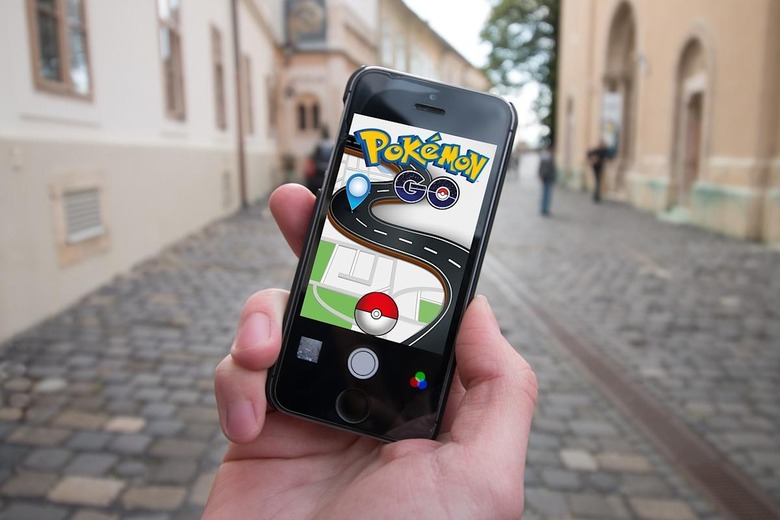
    There's no doubt about it. Pokemon Go is an absolute hit. However, this doesn't mean there haven't been bumps in a row. Niantic's challenges began with release dates that were continually delayed and the company is still facing many challenges today. Fortunately, other game developers can learn from these challenges and create their own amazing AR based games in the future. Having no Control Over The Environment Where Your Game is Played When you develop a game that is intended to be played entirely on screen, the environment the player is in doesn't matter. As long as their device is up to snuff, and you've created a great user experience, things are golden. When you develop AR games, the environment is almost completely beyond your control. One player might launch your game in an open field, while another plays in a cramped bedroom. How do you ensure that both players have a good experience? Yes, you can do some work to manage expectations by suggesting ideal playing locations, and you can also employ your technical know how to help ensure that playability is maintained in a variety of environments, but the challenge remains. Managing Storage Temperature And Battery Life One issue that Pokemon Go players are bringing up as a source of frustration is that the app is a big resource hog. Simply installing the app chews up a lot of space. There's also a documented issue with the battery temperature getting too hot during play. This aggravates the third issue. The game is simply a huge battery drain. In many instances, users are left unable to play because they run out of battery space, and unable to charge their battery while playing. This is because most phones will disable charging once the battery gets past a certain temperature. According to Niantic, these issues are being investigated and developers are working on fixes. But, this brings up another challenge. Dealing With Hardware That Doesn't Have The Ability to Fully Support AR Gaming In addition to the battery and storage issues, many folks eagerly downloaded Pokemon Go and then were quite disappointed. Because the game uses gyroscope technology to figure out a phone's camera orientation, augmented reality play can only be enabled on phones that come equipped with a gyroscope. This means that many players are not able to experience the most hyped element of this game. Developers will have to take this into consideration as they develop AR games in order to be certain that their games are compatible with all devices, or they will have to wait for hardware technology to play catch up. Using a powerful software testing tool such as the qTest platform by QASymphony can help developers and testers effectively manage the effort of ensuring their games are compatibles with all devices. One thing that developers should definitely do is to learn a lesson from Niantic's experiences and once again manage expectations. Mitigating Safety Concerns You're probably encountering at least one news story each day about people coming into harm (or worse!) when playing Pokemon go. So far, people have walked into traffic, fallen into bodies of water, trespassed in people's homes and on military bases, walked off of cliffs, caused car accidents, and been victimized by criminals. These are only the stories that are making the news. There are presumably other incidents that have not been covered by the media. Niantic begins the user's gaming experience with a splash screen warning users to pay attention to the environment around them. The question is, does this count as a sufficient warning? Without the advice of a lawyer, that's hard to tell. Even if an augmented reality game developer finds a way to cover themselves from legal liabilities, what are their moral obligations? Is it enough to issue warnings, or should developers work on finding ways to determine whether or not a user is engaging in unsafe behaviors as they are playing? Socially Responsible And Sensitive Game Development Westboro Baptist Church, one of the most reviled places in America, is a Pokemon Gym. In New York City's Central Park, people have walked on stage during active productions of Shakespeare in The Park to try and catch Pokemon. A ground zero memorial is a Pokestop, as is the Holocaust Museum. Many others have also complained that their places of business and homes have been made into gyms and Pokestops without their approval and that the influx of gamers is disruptive and even offensive. It's unlikely that an individual on the Pokemon Go development team intentionally selected locations like these. This was probably done by some automated process. Unfortunately, that doesn't make things better for people who are hurt or offended by the presence of Pokemon Go players in completely inappropriate settings. In the future, game developers might want to be sensitive about how they use geolocation technology in their games and do some research into the areas in which their players might go. Of course, this also opens up some new opportunities. While some businesses simply don't want to be associated with Pokemon Go at all, others have embraced the phenomenon. In fact, you've probably seen notifications about Pokemon Go events or seen signs in front of local businesses welcome Pokemon go players. Some businesses are even using lures to get players to come to their establishments to catch Pokemon. Finally, speaking of social responsibility, there is a small but growing movement of Pokemon Go players that are dropping lures off at children's hospitals and other similar places so that those who are unable to get outside can enjoy the game. Smart AR developers might be able to recognize these opportunities and work with other brands in team marketing efforts, or to simply build goodwill with the public. Dealing With New Data Security Challenges Augmented reality games can potentially use a lot of personal data provided by their users. This includes physical location, device information, user name, email, and other contact information. If there are premium levels or a paid version, you'll also be accessing financial information. It is the responsibility of the developer to be sure that they have gained the proper permissions and issued the proper disclosures when it comes to information that they collect, store, and disseminate. Then, there is the responsibility of the game designer to ensure that this data is not left exposed in any way.

    By Dianna Labrien Read More
  • The Dark Web Comes to "Normal" People

    Anyone who has read some of the books in the Janet Evanovich series whose titles all have numbers (One for the Money, etc.), they are familiar with the dark and mysterious character, Ranger. Ranger runs a security firm, and while few specifics are given about his company, it becomes obvious that he uses the "Dark Web" in the operation of his business. He has information and uses Internet navigation that "normal" people cannot or do not access on the web. The Technology and Purpose of the Dark Web The "Dark Web" is generally believed to be a place that is scary, that allows illegal operations (e.g., drug trafficking) to take place, and that is a place where law-abiding citizens just do not want to go. In fact, however, it is used by the U.S. government to promote and encourage democratic-leaning forces in autocratic and despotic countries. It is used by corporations to hide communications relative to their trade secrets. Yes, it is also used by those who want to hide their illegal activities, but the overall concept is privacy and anonymity. And for regular citizens, the appeal of anonymity and secrecy is becoming more and more attractive. With the ability of the government to track any Internet use by "normal" people, and the explosion of hacking and theft of personal information through regular web channels, the issue of security and privacy looms large. Recently, the Democratic National Committee had all of its emails hacked (purportedly by Russia), and the leaks of those emails threatened the solidarity of this political party as it began its national convention. Now, there is a movement afoot to bring the Dark Web to regular consumers who want to add layers of protection to their Internet use. This is particularly important as consumers are delving into Smart Home technology. What good is a Smart Home, for example, if, because it is linked directly to traditional servers, hackers can get in? Enter Tor – Dark Web Technology Moves into the Daylight The basic concept of Tor is simple. First, it is a software that lets people browse the web anonymously. The Tor Project is a non-profit organization, operated by volunteers who believe that Internet privacy is critical to a free society. It uses what it calls an "Onion Router" to disguise the connection between server and client. Instead of routing connections directly from client to server, it provides a different route, going through a few other routers, or layers, so that monitors/hackers cannot see the connection at all. For those who are becoming users of IoT, especially for home security purposes, there is a lot of attractiveness in using Dark Web technology. And both Tor and its partner, the Guardian Project, have come to see the value of using their technologies to protect iOT users, especially when their dwellings and family members are concerned. Because homeowners are increasingly using Internet-based technology to control everything from their lighting to their baby monitoring, the need for security beyond normal client-server connections has become apparent. The remote monitoring and control of home devices has led to an entirely new group of , not to mention easing activities such as break-ins. Though the majority of new IoT providers are leveraging the advanced security and authentication methods, some additional precautions certainly won't mind. How the Guardian Project Operates Guardian uses the same "onion" technology that Tor uses. It will obscure the location of servers to which clients are connected. Its software is called HomeAssistant, and it transforms an IoT hub into a fully hidden service. In short, hackers simply cannot find a homeowner's IoT service at all – they will not even know that it exists. This, of itself, is huge. If hackers don't know a security system is even in place, they will not "move in." When using this software, homeowners will still have a passcode, in order to access the Guardian hub, something they are calling a "cookie." Drawbacks? Yes, there Are Setting up and using the new software is a hassle, much more so than using the traditional home security options, such as Google Home or Samsung SmartThings. But, if the goal is increased security, then the hassle may be worth the gain. When homeowners use the other current options, they have to dismantle parts of firewalls to let remote devices in. Or, they have to trust that the cloud service they are using is "hacker-free." But public IP addresses, upon which all of this depends, are vulnerable to hacking, as are the products people put into their homes that they want to control remotely. Still Just a Prototype The Home Assistant Guardian software is still in the demonstration or concept stage. The goal is to make this software available to both "do it yourselfers" who want to set up their own home security systems using dark Web technology, to companies that provide IoT home security, monitoring, and device control to consumers, and to device manufacturers themselves who build IoT technology into their products for consumer use. According to representatives from both Tor and Guardian, they want to advocate the idea that Tor can be used for far more than anonymity on the web and to help those who would circumvent the law. It has a far broader use in the long run – a use that can give "normal" people much greater safety and security in their personal protection. Beyond IoT As is often a rather tired saying, "The possibilities are endless," onion technology may, in fact, be the answer to a whole host of web security issues. While financial and e-commerce organizations, and even government agencies continue to fight the continuing threat of hacking into their systems (think IRS, Defense Department, Target, etc.), with traditional encryption and firewall systems, perhaps the solution is to embrace the technology of the Dark Web. While it has traditionally been seen as a "bad" place to go, a place where criminals hang out, the technology itself has amazing potential for everyone.

    By Dianna Labrien Read More
  • Shooting Great Mobile Pictures: Tips, Tricks, and Apps Worth Trying

    With visual social media on the rise, learning to create killer photos with an iPhone will become more and more important – mobile photographers, content marketers and those who want to become Instagram and Snapchat influencers will need to rise to a much higher bar. Fortunately, this is not as tough as people might believe. With some basic understanding of composition, lighting, smartphone camera software, and using some phenomenal apps, anyone can become a stellar photographer. And there are some great tutorials all over the web. Here are some tips for Smartphone photography and some recommendations for the best apps. 1. Become Knowledgeable About the Built-In Software Your camera can do a lot all by itself, but you have to practice with more than just the basic operations. More than just switching between still and video modes or using the flash or auto options, chances are your phone may have HDR, panorama, or scene modes? 2. Learn the Basics of Composition Obviously, photography is part art and part skill. There are some "rules" for composition that any aspiring photographer mu9st learn and practice. There is, for example, the "Rule of Thirds." This divides your screen into thirds, both vertically and horizontally, so you end up with nine small boxes. Many newer phones actually have a grid feature that can be turned on. The subject of your photo should be placed at intersection points, not in the center of the screen – this makes your picture much more interesting. Learn a bit about light. What you don't want is "flat" light, with no shadows or diffusion. This is the kind of lighting you get in the middle of the day, sunny or overcast, or when you shoot indoors with artificial lighting. Natural light in morning or close to evening, or daylight that comes through windows will make your photo far more interesting. Experiment with this – it's fun. Look for moments and movement. Social media pictures are filled with sunsets and sunrises. They are boring because there are thousands of them, no matter how beautiful they may be. What you want to add to that scene is something different – a flock of birds or a person passing by. You can't "make" moments happen but look for them and get your shots. This shows movement rather than just still life. Move About Your scene. Don't just take one picture. Move around and up and down, and take several. Wait for people or animals to move and take more. If you really have a cool scene, take a bunch. 3. Maestros are Made Not Born You have to commit to lots of practice. Shoot photos every day, and experiment, whether you really feel like it or not. Food and cat photos, for example, have become so boring that viewers just skip over them without even looking. What can you differently with the food that is on your plate? Or can you capture something different with a common subject? You may not even realize it as you take the photo, but later you see it, and it's amazing. 4. Work on Editing There are lots of editing apps but there can also be a learning curve. This will take some study and lots of practice If, however, you find a photo that can be exceptional with some editing and you do not yet feel accomplished, you can use a desktop editing app for that. Doing this can also give you a better understanding of what types of editing you should try yourself, apart from the standard filters offered by mobile apps. Let's Talk Apps There are so many apps out there, it is hard for an amateur becoming a "pro" to know which ones to start with and which one will provide the desired effects. Of course, there are similar apps for both Smartphones and Androids, but here are the types of apps you may want to try first. These will be Smartphone apps, but you can easily find Android equivalents. 1. Manual One of the new features of the iOS 8 is the ability to manually adjust your exposure. The "Manual" app adds more to this, especially shutter speed. You will have more flexibility with the app, but no editing capability. 2. Photoshop Touch You can use this app to edit your lighting, highlight toning, contrast. You can blur, add shadowing, merge images, filter, and more – basically all of the same features that the desktop version gives. 3. Replay This editing app for videos is popular because it is so easy to use and has so many tools. Adding text and music, slow motion are all presets with this app. And throw in filters if you want. And once you have want you want, you can "share" on social media. 4. Simply B & W Black and white photos stop viewers. They can be dynamic and compelling if done well. The keys are lighting, contrast, and often capturing emotion. You can take a color photo and transform it, and you can experiment with hues, some of which have templates. The other cool feature is that you can add those borders that used to be present on traditional black and white photos. 5. SKRWT One of the things that phone cameras have not been able to prevent is some distortion when photos are taken from different angles. The center of the shot sort of "bulges" out and straight lines will curve. If you don't want this in a photo you take, then this little app will fix it. 6. Tin Type The app for selfies. If you take a lot of selfies or photos of others, then this app will let you add some dramatic effects that will add lots of interest. You can adjust grain, field depth, and even eye intensity. 7. Brushstroke Transform your photo into a watercolor with the single push of a button. And you can customize it further by choosing brush styles, color and hues, and even a canvas texture. 8. Slow Fast Slow Slow motion has been around for a while, but how about changing slow to fast to slow. You can change the speed of your video as you go. 9. AfterLight This is one of the most popular (and most expensive) photo apps in the store. It's probably worth the money because of everything that you can do. It's simple to use and has an amazing number of options for filters, textures, and adjustments. You can give your photos the old, crumpled or torn look, or make them look like a piece of gallery art. It's like a special effects studio rolled into one. You now have a start for your photography "career." In fact, however, if you can perfect your camera photography skills, you will be in high demand, either solo or as a team member for a company.

    By Dianna Labrien Read More
  • 8 Cool Tech Toys And Gadgets That Adults And Kids Love Equally

    Gone are the days where adults watch their kids engage in gaming or playing with the latest technology with a combination of confusion and disdain. Today's parents, and even those who are childless by choice grew up playing video games at home and in the arcade. They are familiar with waiting for the latest and greatest bit of technology, and they know what it's like to be insanely jealous of the kid down the street who seemingly had all of the cool toys and gadgets the moment they came out. Because of all of this, technology has become a point of bonding between adults and kids rather than a point of division. Not convinced? Let's take a look at 8 tech toys and gadgets that both kids and adults love. We'll start with the one that is getting the most attention right now. 1. Pokemon Go! How could this list not include the Pokemon Go? It's the perfect example of something that appeals to both adults and kids. This is in large part due to the enduring nature of the Pokemon franchise. After all, kids who grew up watching the first incarnation of the show and playing the earliest video games are adults now, and many are starting to have kids. Pokemon Go was sure to be a hit with players of all ages. Kids are joining their friends in parks and other locations to catch Pokemon and battle one another, and adults are organizing midnight pub crawls around this game. 2. Power Up 3.0 Paper Airplane Adapter When the person creating them employs proper care and attention, a paper airplane is a simple yet beautiful feat of aeronautical engineering. Adults who know the joy of launching a paper airplane that sails rather than nose dives will attest to this. This is why Power Up paper airplane adapter is so cool. It attaches to any paper plane and allows you to pilot your paper aircraft via your smartphone. 3. Interlocking Illumiblocks This one is simple, but loads of fun. Interlocking Illumiblocks are lego-like blocks that can be snapped together to create a variety of structures, The blocks are also equipped with lights and connectors. This means the final creation, whatever it may be will also be illuminated. It's a great way to create an ever changing nightlight. 4. Mario Kart RC Cars RC cars might not be the most innovative tech toys in the world, but these cars do a fine job of paying homage to the video game and letting kids and adults recreate the onscreen experience of playing Mario Kart in real life. Adults will love the joystick-like controls and the fast speed of the cars. 5. Mini Pro Segway Don't confuse this neat little gadget with a hoverboard. This is one of the newest generation offerings from the segway corporation that allows riders to travel without fear of falling and without worrying about dreadful fire hazards. According to Segway miniPRo Review , using the MiniPro Segway doesn't take a lot of practice. This makes it a perfect gadget for parents and kids to enjoy together without worrying about safety or mastering a complex piece of equipment. 6. Sphero 2.0 Sphero is an app-enabled ball that can be driven with your smartphone. It interacts with a variety of apps, including those created by 3rd party developers. One example of this is Sphero golf. This app allows you to use your device as a golf club and the Sphero as your golf ball. However, the applications and potential uses are nearly limitless. Kids will love Sharkey The Beaver. This is an AR app that allows kids to roll the Sphero around and collect coins and other prizes. 7. View Master VR All adults are familiar with the traditional view master. It was a cool toy that told stories, let kids look at pictures of exotic animals and foreign lands, and even brought familiar characters home. Now, the makers of View Master have partnered with Google to use VR technology. The new version looks familiar, but instead of enjoying a mini version of a slide show, kids and adults get to enjoy a cool virtual reality experience. 8. Anki Overdrive Do you remember spending hours in your rec room with your friends racing slot cars on race tracks you painstakingly assembled? Do you remember the banks, the hairpin turns, and the loops? Picture the same thing, but even better.The racetrack is now a battlefield and everything is web enabled. Your controller is no longer a joystick, but your smartphone. Anything that helps kids and adults relate with one another is a good thing. If it's technology and gadgets that make this happen then, huzzah! The important thing is that common ground is found and bonds are formed. If kids learn along the way, even better.

    By Dianna Labrien Read More
  • How to Use Technology For Better Sleep

    When people complain of sleep troubles, one of the first bits of advice they often receive is to take all of the electronics out of the bedroom. This isn't bad advice on its face. After all laptops, tablets, smartphones, and televisions can all contribute to the lack of sleep. On the other hand, for many people, the key to a better night of sleep just might involve the use of technology. Check out these technologies that can improve your ability to fall asleep, ensure a more restful night of sleep, and help you to wake up feeling refreshed. Sleep Cycle Alarm Clock Do you feel miserable after being jarred awake by the obnoxious squawking of your alarm clock? Worse, do spend 30 minutes hitting the snooze button? You might consider trying out a sleep cycle alarm clock. This is an app that runs on both Apple and Android devices. It monitors your sleep patterns throughout the night, then when it's time to get up the device wakes you during the lightest part of your sleep cycle. It works by using sensors to track your movements in bed and determine where you are in the sleep cycle (light, deep, or dream). Sleep Genius Many folks rely on white noise generators to help them fall asleep. It might be time to upgrade to pink noise. The sleep genius relies on technology that was used by NASA astronauts to help them improve their sleep. This app uses pink noise that helps to put the brain in an optimal state to fall asleep. Fitbit Fitbit can't help you go to sleep, but it can give you some valuable insights into why you aren't waking up feeling refreshed. It tracks your sleep patterns based upon sleep goals that you set. As you sleep, it records how long you stay asleep, how often you wake up, and a variety of other pieces of data. When you wake up in the morning, you can analyze your sleep patterns that night. In a few weeks, you should have a pretty reliable data set that you can use to help identify issues with your sleep patterns. Then, you can implement changes such as going to bed earlier or listening to music to help you sleep. Good Night LED Light Bulb This lightbulb stimulates your body's natural production of melatonin. This is the hormone that sends the message to your brain that it's time to sleep. You might have even tried melatonin supplements to help you fall asleep faster in the evenings. Interestingly enough, this is another sleep technology that's been tested by NASA astronauts. Remee Sleep masks have been around forever. Many people use them simply for their light blocking properties. The makers of Remee have taken things much further. Imagine not only improving your ability to recall your dreams but to also improve your ability to control them. This is known as lucidity. The Remee uses patterns of rear facing LED lights to help guide wearers to a restful sleep and eventually into a dream state. Users can fine tune the light patterns over time until they obtain the ideal settings to reach their ultimate goal of dream lucidity. Brookstone Bed Fan The problem with standard fans is that they only cool your face and head. That is unless you sleep without covers, but who wants to do that. The Brookstone bed fan is designed to be placed at the foot of the bed and to blow a steady stream of cool air under your covers. This is a great solution for the many folks who have trouble getting to sleep because they get overheated at night. Sleep Shield If you have trouble falling to sleep after shutting down your iPhone or laptop for the evening, your problem might be that the blue light emitted by those devices. This blue light provides too much stimulation for the brain and can make it difficult to fall asleep, even after things have been shut down for the evening. The sleep shield is a filter that goes over the screens on each of your devices to block the amount of blue light that is produced. As a result, you are able to fall asleep faster. The sleep shield comes in a variety of shapes and sizes that are designed to accommodate virtually any device type or size. Dreampad If you share a bed with someone else, one of the biggest contributing factors when it comes to sleep issues is incompatibility. Some prefer a firm mattress and some a soft mattress. Others prefer a perfectly dark room while their partners might need a small light source. These issues can often be resolved with some compromise, overnight masks, or a dual adjustable mattress. Then there's the issue of listening to music. If you want to fall asleep to music, but your partner needs silence, what do you do? Earplugs are cumbersome and uncomfortable, and it's nearly impossible to sleep with headphones on. This is where the Dreampad can help. All you do is plug your music player into the pad and put your head down on it. The music is delivered to your ears only using vibrations. As a species, we've always relied on science and technology to help solve our problems. Things are no different when it comes to problems with sleep. This is a good thing, considering that lack of good sleep is a health epidemic that can come with some pretty dire consequences.

    By Dianna Labrien Read More
  • Facial Recognition Technology - The Future is Here

    Science fiction literature and movies often incorporated types of facial recognition devices in order for government agents and spies to gain access to top secret places. As is usually the case, moreover, stuff that starts in science fiction becomes reality. Today, facial recognition technology, which has been in use by the military and a few federal agencies for several years, is now moving down to the private sector. There, it is seen as a solution to increase security for access of employees to confidential physical space as well as to digital files. Companies like Google, Apple and Microsoft have sophisticated facial recognition technology currently in place and available to consumers (businesses). Forecasts and Predictions for Facial Recognition Tech If the projections are any indication of the coming popularity of this technology, forecasters now way that this technology may very well generate as much as $9.6 billion in revenue by 2022. The biggest current growth right now has been in homeland security and border patrolling; however, it is quickly spreading to schools, public buildings and, of course, private industry. And it is projected that even Internet banking systems and retailers may ultimately be using it, in coordination with banks, to prevent fraud in the use of credit and debit cards in online purchases. Such technology is predicted to replace a really faulty and often inadequate password system. Brief Explanation of the Technology Almost everyone in America has been the victim of a cyber attack, either in a breach of their passwords or the theft of their credit/debit card information. Large retailers like Target and even government agencies, such as the IRS and the Defense Department, have had their systems hacked. While companies are fighting laws that would force them to reveal data breaches to their customers, they would be better served to explore new methods of preventing them. Facial recognition promises to shore up security in significant ways. In brief, the concept is that various pre-selected points of a facial digital image are compared to an actual image when it is presented and then verified through a database. The technology relies on cameras rather than on the far more complex technologies of fingerprints, heart rates, or DNA that require sophisticated software and hardware. Facial recognition is fast and accurate, and that is the key to its incorporation by financial, retail, and government entities. What Drives the Popularity of This Technology The reduction of fraud and, in the case of banking institutions, compliance with federal security requirements, drives the efforts to "up" the security "game." Financial losses are beginning to get the attention of banks and retailers too, and the use of facial recognition technology can provide the verification that these groups need – verification that is convenient, efficient, and speedy for both the consumer and the organization. Corporate espionage is also a huge driver of new security technology. Cyber-attacks from without and within are a huge concern and if assets, in the form of industrial secrets, are breached, the repercussions for profits can be devastating. Pros and Cons No new technology is without its drawbacks. What decision-makers have to do is weigh the pros and cons and determine which are most relevant to their needs. Here is a listing of the most common. PROS Accuracy: Because cameras have come so far today, (3D and Infrared), the software that now exists is just so much more accurate than earlier cameras and software. Recent testing demonstrates, for example, that these newer cameras can identify individuals even when they do not look directly into the camera and even when they have changed the colors of their eyes through contact lenses Speed: the new cameras and the data points they analyze through the software make facial recognition processing occur with seconds, not minutes. So, whether someone is logging into work physically at a door or on his/her computer, there will be virtually no wait time. And while not related to speed per se, there is an additional benefit that organizations have of tracking user productivity – verifying that they are still working and not having to slow the workflow by periodically re-requesting the password, as many systems currently do. No Contact: Fingerprint identification technology has been touted as an excellent method of verification; however, there are drawbacks that are eliminated by facial recognition. When an individual has a paper cut on the finger, of when employees have to take off gloves to go through the process to get into a building, there is a slowdown. Getting smudges on the glass means cleaning off in between user's; hand lotion can impact the process. And, some employees object to placing their fingers on an object that has been touched so many times before and that may very well house germs. Almost Fraud-Proof: No identification system is perfect, but it is almost impossible for an individual to log in as someone else, either to get through a doorway or to get onto a computer. This prevents employees from gaining access to information they should not have, and it prevents them from falsifying their hours on the job. Logging in with passwords, on the other hand, is loose and insecure. In short, biometrics cannot be falsified. Security: This has been touched on before but it is worth repeating, especially for the workplace. Many organizations still rely on coded badges – badges which can be lost or stolen. An employee who has lost a badge can still gain access through facial recognition, and a stolen badge is of no use to someone bent on doing harm. How far facial recognition will go relative to security remains to be seen. There is currently a new technology called Faception, recently developed, that goes beyond facial recognition. Using smart algorithms analyzing facial features and expressions combined, along with posture and stance, that claim to be able to identify individuals who may be prone to committing criminal acts. This seems a bit "Big Brotherish," but it is definitely on the horizon. CONS Hair: To date, there are quirks in facial recognition software relative to hair growth and styles. Men who grow facial hair or remove it and people who have their hairstyles changed will often not be recognized. The "fix" for this is to have new photos taken when such changes occur. Weight Change: This usually has to be pretty big weight change; however, if someone is losing weight, the software will at some point fail to recognize them. Again, new photos have to be taken. Any Major Change in Appearance: Returning from vacation with a tan can impact recognition as will sunglasses and hats that may cause shadows. In fact, any clothing that hides or shadows any part of the face will throw the system off. Need forhigh-quality equipment: There is no point in installing a facial recognition system unless an organization is willing to go the cost of top quality cameras that can capture extremely high-quality images for placement in databases. Likewise, the software infrastructure must be able to recognize instantly, or there will be waiting time and frustration. Mediocre quality of any type may result in people who are similar I appearance being mistaken for one another. Windows 10 new face detection, for example, cannot even be fooled by identical twins Facial recognition systems for identity and verification are probably just the proverbial tip of the iceberg. There is every reason to believe that new technologies will continue to be developed. As they are, developers will have to continue to be mindful or individual rights and privacy.

    By Dianna Labrien Read More
  • 6 Cool Gadgets For Your Next Outdoors Trip

    Summer is here! At least at half of the world. For most of us, that means – it's time to get outdoors (not just to play Pokémon Go) and start planning your vacation. The discovery of fire is arguably the most important discovery in the entire history of mankind, but toying with it today in the campgrounds may not do you any good during drought season. Yet, the modern men are lucky to have enough cool gadgets and tech to keep themselves warm, dry, secure and entertained even in the middle of nowhere. If camping the "Into the Wild" style is not particularly your thing, take a look at these cool gadgets: CamelBak All Clear If you are planning an extended hiking trip or backcountry camping, carrying a bunch of water on your back will definitely ruin the entire experience. Go light and grab CamelBak All Clear with you – a smart $99 water bottle, which uses UV light to instantly purify the water. The UV bulb built into the container lives up to 10.000 cycles and you can zap over 80 bottles of water before the gadget needs recharging. If you drink 3 bottles of water a day, this gadget should keep you well hydrated for 9 years. UST 30-Day Lantern Wandering alone in the dark with coyotes howling in the background can be pretty scary experience even for the most fearless of us. When you are on a long outdoors drip, you need a consistent source of light. Having the hire kindle all the time can be both dangerous and time-consuming – everyone gets tired in the evening and just don't want to get up and search for firewood yet again. That's where Ultimate Survival Technologies lantern appears indispensable. It can run without recharging for up to 30 days, however, that's on the lowest setting, which only emits 29 lumens of light. But that's enough to keep the evening camp atmosphere cozy. On the top settings, the lantern can function for up to 32 hours. The only possible disadvantage is that it runs on 3 D batteries, so don't forget to grab those! Garmin Foretrex 401 GPS This small, but sturdy wrist-mounted GPS was named as one of the best hiking GPS by All Outdoors. This new Garmin model is waterproof, capable of operating up to 17 hours non-stop without recharging. You can easily retrace your route using an easy-to-read LCD display; allows you to review your current location in multiple formats thanks to a dual position readout and features a small trip computer, electronic compass, barometric altimeter and sunset/sunrise clock. If you want to wander off, but rest assured you'll return to the right place – this is the gadget for you. Outdoor Tech Buckshot Pro Is it a flashlight? Is it a power bank? Is it a wireless speaker? Outdoor Tech Buckshot is all three-in-one. About the size of a Red Bull can, this cool gadget will save you a lot of space in your backpack and some money as well as it costs just $79 (less than all the three from above combined). You can enjoy the music for up to 10 hours; charge your iPhone for 1.5. times or GoPro camera twice. The light has three different modes (flashlight, lamp and emergency beacon) making the tool super versatile. Leatherman Tread Leatherman multi-tool bracelet is one of the most handy in a pretty literal way travel accessories out there. Thanks to its cool design you can strap over 25 tools around your wrist and be prepared for anything, anywhere. Your pockets will stay light, while your hands will certainly know what to do. You can easily swap tools in and out – just take a coin to twist out one of the screws holding each link in. When you take off and fold the bracelet flat you have immediate access to all tools. The experience of using those may not be as smooth as using the standard sized toolbox, but on the other hand (pun intended) you can't hear those on your sleeve either. The price tag of $165+ is a bit expensive, but you can always add that to your gift wish list. Kingii Wearable Lifesaver If your outdoors adventures will involve some water fun like surfing, kayaking or cliff jumping, be sure to grab Kingii – a compact, stylish alternative to bulky inflatable flotation protectors. Worn on your wrist, this potentially life-saving device was specifically designed as small and as unobtrusive as possible to encourage more water lovers to wear it. This bracelet includes a CO2 cartridge, screaming-orange inflatable bag, pull lever, compass and an emergency whistle. Get active, stay safe and embrace the great nature around you!

    By Dianna Labrien Read More
  • How Private is Your Private Life: The Case For Online Privacy

    It's time to admit this - technology is terrible at keeping secrets. The Ashley Madison case when billions of private user's names, addresses, and credit card data were exposed gave a massive kick to the already burgeoning online privacy concerns. Anonymous social messaging apps are on the verge of popularity both among teens and millennial users; a lot of shoppers name gift cards and virtual cards as the safest methods of online purchases. In fact, the vast majority of users state that they don't want websites or any online service providers to collect their personal data at all: While the global legislators are now actively developing and adopting new laws regulating the individual's online private life and the types of data applicable for collection, there's still a lot of gray areas left to be properly addressed. Geo-Location Apps Snooping On Your Location More Than You Think A recent study conducted by Carnegie Mellon discovered that mobile apps tend to ping our locations thousands of times per week without our direct permission. In fact, during the course of 14 days, the study's participants tracked over 5.000 pings from different apps on their phones. While certainly, this is absolutely justifiable for navigation apps or Pokemon Go for the matter, but why do flashlights or digital bible apps need to know your location? Obviously, this kind of sensitive data is later transferred to 3rd party advertisers and used to pitch you custom sales offers – that exactly where the "creep factor" rolls. How do you feel when you are heading to a shop to make a purchase when suddenly you get into the geofence of another store – your phone pings and you get a discount deal for the product you are planning to buy? Currently, that's one of the most massive problems with unregulated location-based marketing. Data Collection at The Governmental Scale While we all know that Facebook, Google, and other social networks regularly scoop and collect our personal data, governmental agencies are often guilty of acting the same way. NSA have already been accused of using a backdoor program named MUSCULAR to gain access to international cables and overseas data centers of Yahoo and Google. Big data algorithms have enabled anyone with respective hardware to trawl massive databases to profiles or discover individuals or groups based on their certain online behavioral patterns. While this technology is mainly used for counterterrorism measures and operations, the level of actual surveillance is rather impressive if you give it a bigger thought. Sensitive Data Accessible To Anyone In fact, tracking down your personal information and public records is easier than ever for pretty much anyone – from your potential employer to a new date. Take CheckThem's tool, for example – a public record data crawler, which offers anyone a quick access to tons of seemingly private data like marriage/divorce records, property ownership, civil and lawsuit records and a lot of other sensitive information, which is usually retrieved during a professional background check. Today 72% of Americans consider that the data collected on them by companies can potentially harm them, and 40% admit that they have no control over what the company knows about them – take the notorious Target pregnancy case as an example. How Do You Keep Your Private Data Safe Online After All? Quitting Facebook and stop using online websites isn't an option. However, we cannot completely control or forbid the access to our personal data (especially when we even don't know that it's being collected). Here are a few essential measures you may want to implement (apart from taping over your laptop camera and mic like Zuckerberg does): Try using cookie management software and infomedia diaries to keep a better track of collected data. Keep your hard drive data encrypted as it offers data protection both from online and physical hazards. Use anonymous browser modes if you want to escape from online tracking or special browser add-ons like Ghostery. You might want to consider switching to an alternative search engine like DuckDuckGo or more anonymous browsers like Tor. When registering at some shady looking or untrustworthy websites, mask your email address and identity with Blur app. Paid plans also allow you to mask your credit card number, passwords, and phone number.

    By Dianna Labrien Read More
  • 10 Cool Tools and Resources For Web Designers

    The world of web changes so fast. One day everyone is heads over heels with flat design and now the community is humming about the implications of designing for VR and augmented reality apps (especially after the Pokemon Go has taken off so massively). No matter how many years in web design you have behind your belt, you can't come up with a stunning design without having the right tools, codes, and resources. This list features some of the newest and coolest ones with the majority being free (and some requiring either license or account purchase): Niice – is like Pinterest for designers. Drag and drop files to create attractive mood boards for clients in just a few minutes. You can also keep all your inspirational pics organized, clip favorite visuals and projects in progress in a private space that will not show up in a public search. Logo Contest Arena - pitch your logo to hundreds of prospective clients including some Fortune 500 companies. You can also host a public logo portfolio there to get contacted by prospective clients directly. Modular Scale – determining appropriate ratios for font sizes can be tricky in web design. This tool will help you figure out the most accurate ration and provide CSS font size codes to paste straight into your stylesheet. Skala Color helps you effortlessly pick the right shade color. The app automatically recognizes colors copies to the clipboard, and you can later apply them with one click. Works in various formats including Hex, CSS, CSS HSLA, RGBA, UIColor and NSColor. Marvel is arguably the best prototyping and collaboration tool out there. Sleek, attractive and easy-to-use – simply drag and drop your sketches and .psd files to get them animated in an appealing wireframe. DryIcons is an excellent pixel graphic and icons repository with thousands of high-quality visuals you are free to use either for free with attribution required or purchase the regular agreement option. Responsify helps you effortlessly generate a custom responsive grid layout. You can either create your grid from scratch or adapt one of the proposed ones. This app is also a great visualization tool for understanding the usage of white space between columns more precisely. Pictaculous – an incredible tool created by Mailchimp team, which allows you to upload any image and the app will automatically generate a respective color scheme based on the colors within the visual. Use it to extract actionable suggestions from your Niice boards. Paper by FiftyThree – if you love sketching longhand, but feel frustrated when it comes to converting those sketches into digital visuals, this app is for you. Paper app uses something they call "expressive ink engine" – which means that even if you use your finger for drawing in the app, it will still react to your movements and render the lines to resemble more closely to a natural sketching experience. BrushLovers has a vast collection of various cool brushes – from standard to artistic and creative ones; vector graphics, patterns, styles and gradients. Everything is free to use with no attribution required.

    By Dianna Labrien Read More
  • The Tech Guide To Living a More Mindful Lifestyle

    Being more mindful means aiming to live a life more often in real time – here and now – with emotional openness, mental clarity and resolve. Work, family, mass transit systems, crowds, in-laws – the modern life, in general, can be rather stressful for an average human. Technology is a tricky matter as well – it serves the purpose of making our lives better and at the same time makes us often feel completely disconnected from the real world outside our window. We should use it to cultivate awareness of the moment, instead of creating another source of distraction. In this guide, you'll find some handy apps and practices both to develop better tech habits, be more present in the moment and stave off that pesky stress. At Work Most of us feel anxious and stressed-out at work most of the days. Unfortunately, we don't always have room to step away and unwind – breathe, have a walk in the park or do some exercise. That's when some of the following apps and tools can come to the rescue: Visual Meditation from QuietKit helps you can some relaxing breathing exercise to calm down and re-focus. Pair those with some soothing tunes in the headphones. QuietKit also offers a number of guided meditations audios and guides for beginners. Quality Time (Android) and Moment (iOS) provide you with a daily report of your phone using habits. Perfect to get rid of your phone addiction and stop wasting time in apps too much. Rescue Time does the same job on your computer. Do some calls and messages from certain contacts send you immediate shivers and put you in stress? Change their picture to something soothing or funny. It should remind you to pause and settle before picking up the phone. Of course, that shouldn't be something too provocative, as you don't want to get fired for such a silly thing. To stay on task at all times, try using Freedom to block off social media, news sites, games and other common distractions. When you don't have time to step out and enjoy the nature outside, but desperately crave for a change in your surrounding, use Serenity app, which transports you to the world of relaxation by showing you soothing moving pictures. Some are shorelines at sunset, others are flowers and trees waving lazily in the wind, kittens and puppies, abstractions and other visuals aimed at eliciting relaxation. On The Go Heading to a stressful appointment? Running late for an important meeting or just had a really bad day at work? Staying mindful and relaxed even when you are in transit is easy as there some great apps for that: Pause (iOS only) is a beautifully designed stress-relieving app offering relaxation at your fingertips in a quite literal way. It's a gamified version of a lava lamp that encourages you to move your finger slowly following any pattern you like. The slower and more deliberate your moves become – the bigger the splash of color grows under your fingers. Once you move too fast, it all shrinks again. Headspace is one of the top rated iPhone mindfulness and meditation apps according to a recent research conducted at Queensland University of Technology. It offers a daily set of guided meditations and breathing exercises to relieve stress, reduce anxiety and help you shift towards a more mindful lifestyle. The app is also pretty social as you can share your results with your friends, cheer everyone up and keep a detailed track of your accomplishments. Serendipitor encourages you to find unexpected rewards during your daily commute and make small, everyday discoveries. This navigational app doesn't offer plain turn-by-turn directions, instead, it urges you to take a new route each day and make some small actions e.g. talk to strangers, sit under a tree for one minute, go on the top of that building. The goal of this app is to help you keep your eyes and mind more open to the environment surrounding you during the routine commuting. Just make sure you leave home a bit earlier to have enough time for the daily adventure. The Mindfulness Bell will pleasantly chime at random times during the day as a reminder to pause and settle for a brief moment. At Home Home should be your sacred zone where you can fully relax, savor the moment and enjoy the tiny everyday acts. Technology here often just gets in the way, so make sure you take your time to completely disconnect and unwind. Take your time to slow down and enjoy your time out to eat a delicious meal, really connect with your close ones (with TV and phones aside). You can bring more mindfulness even in your everyday chores e.g. laundry if you shift the "get it done" mindset to being fully present and enjoying the moment. When folding the laundry try to feel how textures and fabrics feel, how great everything smells, pay attention to the patterns and colors and turn the whole process into a sort of yoga practice. If you have this urge to read the news and surf the media, focus on visiting sites that are delivering really positive (but not less real) news e.g. Fulfillment Daily, 100 Lives, and others. Shut off all the unnecessary notifications and reminders – you don't need to know about every new email, social media post or game update when you are at home. Check out those apps only when you have time. Start a gratitude journal – a physical one, where you will write longhand in the evenings as you will be less distracted and stay more focused on the words you put on paper. Living a more mindful lifestyle doesn't involve getting completely off-grid. Just stay aware of how you use the technology each day, mind the time you spend online and indulge in small, rewarding adventures on a daily basis!

    By Dianna Labrien Read More
  • 5 Effective Safety Apps for Parents of Tweens/Teens

    We live in a dangerous world, of course. And child access to the Internet has made their world both smaller, more interesting, and even more dangerous. Tweens and teens who are vulnerable, impressionable, and prone to taking chances, are most at risk for dangerous consequences of Internet use. At the same time, parents need to begin to "let go" by this age, and provide some independence of action, so that kids can explore their world, make decisions, and often live by the consequences of those decisions. It's a scary time for parents who must find the balance between monitoring their kids' activities and yet not be seen as "stalkers." Smart Phones, now in the hands of 80% of U.S. tweens and teens, enable kids to be online with friends and strangers 24-hours a day. But those very smart phones can also enable parents to have some control over their activities and their whereabouts, through the use of parenting apps. Here are five popular apps that parents are using. The descriptions entail all of the functions and features of these apps; however, parents can modify and select from among these features, depending upon their levels of trust and specific circumstances. 1. Family Orbit A perfect name. You have a home base in the center, and family members are orbiting around that home base in many different directions.Family Orbit (iOS and Android) lets everyone keep track of everyone else in real time. Just select the family member and geo-locate them, day or night. But it is much more than a location-monitoring tool. Other features include: Shared address books Alerts so kids can let mom/dad know if they missed the bus, got in a car accident, will be delayed, etc. Same for parents to their kids. Setting of geo-parameters for children, with alerts if they move outside of those Monitor your kids calendar events and Internet data usage Panic alerts if a child is in trouble Location history for the past 30 days Monitoring of teen driving behavior, especially speeding This app is really an all-in-one package for families. While your teen may not love all of the features, s/he will appreciate its alert feature when an emergency arises. It goes a long way toward peace of mind for parents and provides a great level of security for kids too. 2. Surf Balance This app is exactly what its name implies. Parents can limit, monitor, and verify where their kids have been online or are currently online. The app is available for both iOS and Android. Parents are able to do the following: Parents can block sites that have words that indicate inappropriate content, and unlock those sites, as kids request and they determine that they are okay Parents can track kids' use and receive email reports – those reports show where and how long kids are on what sites. Parents can set time limits and block Internet access during certain times of the day or night. This tool does not include geo-location or monitoring of kids' phone calls, emails, or texts. It is strictly for controlling and monitoring where kids go online, when they do so, and how long they stay where they do go. There are certainly many other good apps for web controls, but this one has the added feature of time budgeting – a good skill for kids to learn. 3. Norton Family and Norton Family Premier Here is an all-in-one app that lets parents choose from among a long list of safety and monitoring features. In addition to controlling and monitoring Internet use: Parents can monitor social media platforms and posts, in fact, all of a kid's activity on social media They can monitor ad read all text messages and emails that are sent and received They can monitor all phone numbers going out and coming in They can block calls, texts and emails from specific individuals They can obtain a list of all YouTube videos, through regular emails They can locate their kids' physical whereabouts and map their locations They can obtain a listing of all apps their kids have downloaded and allows blocking of those apps Kids cannot override any of these controls without a password, and this is one of just many apps that will put parents in charge, even rewarding and punishing via phones. This app is obviously one of the most intrusive on the market. But the other side of that coin is that parents can pick and choose which controls and what monitoring they want to install. And Norton suggests strongly that parents explain to their kids exactly which features they are going to install. And, as kids demonstrate that they are maturing and becoming more trustworthy, features can be deleted. 4. Smart Ice4 Family Family/parenting apps are not just for "spying." Many are designed for safety, and parents should have such an app installed on every family member's phone. One of the best on the market right now is Smart Ice4 Family. Here are its many features: If any family member has a medical condition, the app will contain critical information for ES and hospital personnel The app contains information regarding insurance and information for emergency contacts. Information may be recorded and accessed with just a tap. Parents may record the information and include all sorts of detail about their kids' allergies, their doctors, and the preferred hospital to be used. The app will store information on up to 8 family members This is a lot of peace of mind for parents who teens are driving or out with other teen drivers. Especially during the first few years of driving, a majority of teens will be involved in at least one accident. 5. TeenSafe This is the most comprehensive Internet monitoring system on the market today. Again, however, parents can pick and choose among the many features, and it is recommended that kids are told exactly which features have been activated. That is only fair – otherwise, it just becomes a parental CIA operation. In addition to controlling where and when Internet use occurs, this app will do the following: Allows parents to view all posts on social media, texts, and emails, and even those that have been deleted. Allows parents to access entire browsing histories This app can be important in bullying situations, for example, when kids want to hide the fact that they are being bullied or are bullying themselves. This is certainly not a comprehensive listing of all of the good apps out there for control and monitoring. Parents should decide exactly what they need to monitor, get the right app(s) for those controls, and definitely, inform their kids what and why they are using their chosen features.

    By Dianna Labrien Read More
  • How To Keep Online Gaming Safe And Fun

    For many of us, online gaming is simply an enjoyable pastime. For others, unfortunately, online gaming becomes a source of some really unhealthy stuff. Gaming addiction has ruined relationships, caused people to lose jobs, and has resulted in many people seriously neglecting their own physical and mental health. Then, there is the online gaming culture that might be fun and stimulating for some, but for others, it means being subjected to harassment, threats, stalking, bullying, and even doxxing. To make matters more concerning, kids are getting into online gaming when they are very young, and that creates another set of risk factors. What's the solution? Should we abolish online gaming altogether? It would solve the problems mentioned above for sure. Unfortunately, it would also take away some of the benefits that gamers can pick up. Sure, bad things happen, but many online gamers have developed some real friendships in their online communities. Instead, the best way to proceed is to find ways to make gaming safe and fun for all. Balance Online Gaming With Other Activities And Make Kids do The Same For some people, preventing or staving off video game addiction is simply a matter of balance. This could be limiting gaming to certain days or a certain number of hours per week. However, in order for this to work, the time spent gaming should be replaced with something else. This will ideally involve physical activity or socialization, as those are the things that tend to suffer when people spend too much time gaming. Consider Taking a Break or Stopping Permanently For some people, there is no cutting back. If they cut back, it never lasts. Soon enough, they are back to obsessing over whatever online game they are into at the moment. In these cases it is time to consider more drastic options that may include: Walking away from a particular game permanently Taking a long term break from all online gaming Giving up online gaming permanently Encourage Moderators to Use Their Powers to Suspend And Ban People who moderate online gaming servers and websites are now doing a much better job of policing online gaming chats when it comes to harassment or abuse. Although there is a lot of room for improvement, especially when it comes to the treatment of female gamers. One thing that might be useful is to implement a means for gamers struggling with addiction to subject themselves to banning or suspension for a period of time until they are better able to control themselves. Cara Vaggio from Safer Gaming a new NGO tackling game addiction says "Sysops and moderators must absolutely step up and help those who ask for assistance in dealing with online gaming addictions. Casinos and gambling regulatory agencies provide means for people to self-ban, why not online gaming sites?" Report Harassment And Bullying And Don't Participate in it Many gamers don't think they are guilty of harassment and bullying when they actually are. How does this happen? There are several factors at play. The first is a sense of privilege and entitlement. Online gaming has been dominated by young men for years. Young women seeking to play games online are often met with hostility and abuse by boys and young men who believe their territory has been encroached upon by somebody who doesn't belong there. Then there is the matter of simply getting caught up in small group dynamics. For example, a new player makes a boneheaded move or asks a stupid question. They are immediately rebuked by a handful of players. Unfortunately, it doesn't stop there. People witnessing the initial slam jump in with their own digs, and soon one player has been bombarded with insults and threats. Keep in mind that what you think is a well-deserved dig can be an act of bullying when it's combined with many others. Play Games With Other People One way to help stave off gaming addiction is to play with other people, not people online, with people in the same room. Having real life human interaction in addition to online interaction can help those who tend towards obsession keeps things in check. It's much easier for somebody to put down the controller and do something else when their peers are urging them to do so. Gamers who tend to become a bit aggressive or verbally abusive when gaming will also be motivated to behave in more socially acceptable ways if they have an audience in the room with them. Educate Teens And Preteens About Online Safety Adults who allow children in their care to play online games are responsible for ensuring that these experiences are safe. This means providing supervision as appropriate and giving kids the knowledge they need to be safe. Most people know to tell kids not to give out their personal information, and to report to an adult if somebody propositions them or otherwise behaves inappropriately. Unfortunately, they often fail to help kids understand concepts such as grooming or social engineering. Kids should be told to be wary if an adult pays a lot of attention to them online, even if they don't say anything that seems alarming. They should also be careful about revealing information that could help somebody find them or contact them in real life. This includes information such as school name or mascot, dates and times that they go to various activities. Conclusion Online gaming can be a great outlet for enjoying oneself, meeting new people, and burning off a little steam. For most people, issues relating to gaming addiction are short lived and can be cured with making just a few changes. On the other hand, it is important to be aware of the health dangers and other risks, especially as they relate to younger gamers.

    By Dianna Labrien Read More
  • Royalty Free Music - A Digital Disruption that Can Help Artists

    The Internet has brought so much change to the way we access music, that the music industry has had a hard time keeping up with the disruption. And the changes keep on coming. Early issues, such as illegal downloading and music-sharing have been somewhat resolved, although piracy will never completely be eliminated. The other issue, disputes over streaming services and how much in royalties should be paid to both artists and labels, is still very much alive. And more issues and questions arise as the Internet continues to be a major source of music for millennials and younger generations. Some may think that the Internet has only brought about negative changes for the music industry, but that is not the case. While the Internet has certainly made music accessible to everyone, and that can be bad for artist revenue, it has also been an amazing venue for musicians to establish a following and to become globally known without the backing and help from a major label. So, there are two sides to this "coin" of music and the Internet, and one new disruption, digital royalty-free music that may change how music is promoted and sold. The Negative Side While consumers love being able to access music faster, easier, and cheaper (and even steal it), the music industry, both labels and artists, are struggling to get enough revenue. Every time music changes hands, royalties are paid – to the artist, to the label, and to others who have had a part in that recording. When money is not paid, all of these people lose. There have been some famous legal cases of music piracy, and they have helped. And iTunes and Amazon are now offering really cheap singles downloads – customers can purchase a single song rather than buy the entire album, and they are much happier with this option. Another recent development has been streaming services and Internet radio, such as Pandora and Spotify. They make their money with paid subscriptions or advertising and pass some of that off in royalties to artists and labels. Still, those artists and labels complain that payments are not nearly enough and nowhere near what they can earn when consumers buy individual songs outright. These issues are not going away anytime soon, and, in many instances, they have forced artists to conduct many more tours than they would perhaps like to do. The negative consequences of the Internet for music have all been reaped by artists and labels, not consumers, who seem to be enjoying cheap (and sometimes free) music. The Positive Side Recently, artists have determined that they can take control of their music and its distribution – the Internet has made this all possible. The same Internet that has reduced revenues for artists has also enabled them to market themselves without the need to use the traditional "music industry machine" – agents, labels, promoters, etc. – all of whom get their cut of royalties. Now, artists can go straight to the consumer, with their own websites, their own sales, and their own promotions all over social media, and achieve a global following. As well, many labels have discovered their new artists through those artists' own media efforts. While self-promotion may not have the reach that the music industry giants may have, the artist does not have to share any profits. And the Internet has made recording and sharing so easy, brick and mortar studios are no longer needed. Needless to say, this trend has led to the rise of a lot of web-based Indie recording companies who openly solicit and promote artists, taking a far lower cut of earnings than traditional labels and promoters. So even musicians who do not want to promote themselves can find cheaper methods to do that. Enter Digital Royalty-Free Music – A Great Positive Option for Artists Royalty-free music has been around for a long time. Basically, it means that the purchaser buys a license to use a piece or a set of music and can then use that music for a specific purpose for as long as s/he wants. DJ's for example, if they are honest, will buy licenses for entire sets of music which they can then use at wedding receptions, etc. Businesses can buy licenses for specific music and use it on their websites, potentially reaching tens of thousands of listeners. Artists have been paid a small royalty from these license fees, and there have been a lot of companies selling licenses so cheaply that the artists get very little. Now, however, web-based royalty-free companies, such as Music Screen, are sprouting up, which put the artists in complete control of their music. While these companies sell licenses for music use, it is the artist who determines the license fees and artists who decide when and if they want to allow totally free use of their music to humanitarian or charitable organizations. Artists are free to create the music they love; they are also free to contract directly with a royalty-free company, name the conditions, and have their music promoted without the traditional labels and promoters who take such a big cut. What all of this means for the traditional recording industry remains to be seen. If nothing else, its business model will have to undergo some changes, and that will mean adapting to the new ways that music is now delivered to consumers. The same shift is now being made by book publishers and TV providers – the smart companies will find new models, adapt, and continue to make money. Those who insist upon the traditional models will experience demise. One thing is for certain – artists are now taking the reins and taking steps to control their own futures and revenues. While Internet music disruptions began with negative consequences for artists, that same Internet may now prove to be more friend than foe.

    By Dianna Labrien Read More
  • The Impact of IoT on Cybersecurity

    The field of cybersecurity is, at its root, a game of chase. IT security experts are taxed with keeping data secure in an ever changing field. At one point, it was only computers, laptops, and servers that were a concern. That has changed over time to include smartphones, tablets, music players and a variety of other devices that connect to the internet. Today, we have watches, appliances, home security systems, baby monitors, even cars that are connected to the internet. This connectivity means convenience for us. For Cybersecurity pros, these new developments mean that they have to work that much harder to plug holes and predict areas of weakness that hackers might exploit. In fact, according to this infographic by Towergate Insurance, the majority of data breaches and vulnerabilities occurred due to social engineering, phishing, water-holing, and ransomware - the common types of attacks, which IoT industry is particularly prone to as well. Not an Issue to be Taken Lightly Not long ago, hackers were able to take control of a jeep as it was being driven at 70 miles per hour. The hackers took over both the steering and the gear shifting capabilities rendering the driver helpless. The vehicle ended up in a ditch. Thankfully the driver lived to tell the tale. Things could have ended much differently. As new opportunities are presented to hackers, many of them become more brazen and careless. Certainly, most hackers are driven by the desire to earn money by exploiting the information that they manage to access, but there is no denying that many hackers act to do only one thing. That is to cause damage and create carnage to earn reputation or simply for personal pleasure. Hacking And IoT When it comes to computers, mobile phones, and tablets, users are much savvier today than they ever were before.They are less likely to fall prey to email phishing scams or to respond to emails that request that are attempts to gain access to information or hack accounts. Not that hackers aren't ever able to phish their way into these devices, but awareness of the problem exists. People don't know to be as vigilant with their connected appliances, cars, etc. Unfortunately, IoT has opened up new opportunities for spam and phishing attacks. In fact, one such attack was uncovered by ProofPoint. As a result of this, one of the opportunities and challenges facing cybersecurity experts is educating people of the dangers of phishing attacks on their internet connected things. Part of that is making people aware of the existence of danger. The other part is making them understand that they need to care. Internet of Things Vulnerabilities HP conducted a study on 10 IoT devices. The results of that study showed a total of 250 vulnerabilities across those 10 devices. Vulnerabilities included a lack of encryption, privacy issues, lack of security in web interfaces, weak or absent authorization protocols, missing software protection, and more. These vulnerabilities don't just impact individuals. Corporations that have IOT devices are also at risk and must take steps to protect the information that is transmitted to and from them. Unusual Problems And Concerns Related to IoT Imagine a hacker gaining access to and control of the devices in a home that connect to public utilities. Using this kind of cyber attack, they could potentially disrupt the delivery of those utilities to that home, or they could cause the home to consume much more than its share of resources. What happens then? What means does the utility company have to detect and mitigate something like this? Is it even their responsibility to do so? Here's something else to consider. What happens when ownership of an IoT devices is transferred from one person to another? Is the seller obligated to give passwords or other access to the buyer? What if the seller is unable or unwilling to give that information? Should IoT come with a factory wipe option? Clearly, IoT is an exciting thing, but these unusual problems and concerns make it clear that a lot of potential issues were likely not considered before many of these items went to market. For example, how can people who by IoT devices factory direct be ensured that they will get the latest in security patches? This means security experts have a host of new technical, policy-based, and even ethical concerns to deal with. Conclusion The world as a whole is becoming more and more connected. This is a great convenience to most of us. Wearable devices can be used to measure our health and wellness. We can use smartphones to control our thermostats and monitor our homes from afar increasing both efficiency and security. Repair people can even tap into our appliances to diagnose and in some cases perform fixes remotely. Unfortunately, each of these benefits comes with some significant security risks. In the future, data security experts will have a lot of work to do to mitigate these risks.

    By Dianna Labrien Read More
  • 6 Coolest Cameras Available Today

    The first half of 2016 has brought about some interesting trends in photography. These include the burgeoning use of flash, increasing use of black and whitephotography (again), and the use of complex background images. What's even more interesting than that is the new and improved offerings that have been or are rumored to be released this year. Take a few minutes to check out some of the more exciting models that you can get your hands on in 2016. 1. The Panasonic Lumix DMC-FZ1000 For Getting Up Close And Personal This camera gives operators the ability to shoot both amazing video and still photos. It's easy enough to use for the mildly experienced lay person, but has enough features to impress the pros as well. In spite of the fact that it loses some aperture when zooming in, it is the zoom capability that makes this camera worth a second look. 2. Pentax Q-S1 For Going Mirrorless The Q-S1 is compact, stylish, and perfect for social media users. It's a bit pricier than other cameras in its niche, but its quality definitely shines through. The main drawback to this setup is the fact that in spite of being marketed to social media users, the camera itself lacks built in wi-fi. Newer users will appreciate the improved autofocus of this mirrorless camera. 3. iPhone 7 With Dual Camera Single Camera Setup The French website NoWherElse.FR recently leaked photos of what is rumored to be the iPhone 7. One of the most compelling things about these pictures is the dual camera single camera setup. It appears as if the dual camera setup appears on one side of the phone within an oval-shaped plastic capsule. It will be interesting to see if these images are giving photography enthusiasts a true sneak peek into what's upcoming, or if somebody is simply pulling our legs. 4. The Panasonic Lumix DMC-ZS50 Compact Point And Shoot In photography, ease of use has often been associated with lesser quality. Fortunately, this is not the case with the DMC-ZS50. This camera gives novice shooters and those who simply want a point and shoot camera both ease of use and high quality images. This is a great camera for beginners, kids just getting into photography, and as a casual, daily use camera. 5. SJCAM SJ5000X Elite Action Camera 4K 1080P Wi-Fi According to Best Action Cam Reviews, this model receives a near perfect ranking. While it doesn't truly provide 4K capabilities, it does simulate them quite nicely which is plenty good enough for almost all enthusiasts. This feature will be more and more appreciated as media and electronics enthusiasts update their 1080 DP televisions to 4K models. This camera also has wi-fi capabilities that allows filmers to use their smartphones to take a look at what the camera is seeing. This unit also comes with a waterproof case for underwater filming. While many action cameras struggle when it comes to audio quality, this isn't the case here. Sound quality is comparable to most cameras. 6. GeekPro 4.0 Sport Action Camera This unit is small, lightweight, and perfect for outdoors people who are on the go. If you are a hiker, runner, mountain climber, or diver, you'll want to bring this along on your adventures. This unit comes with a wearable remote control, but can also be controlled using a smartphone. It has 1080P resolution, time-lapse, and continuous lapse features. This is a great setup for someone who is looking for a camera to capture the action and share it on social media. If you want something easy to use and easy to transport, this is definitely the camera for you. Conclusion If one thing is clear, camera enthusiasts have a lot of great new models to choose from, and possibly some neat options to look forward to. Whether you are a seasoned professional, social media enthusiast, or just getting into the world of photography as a hobby, 2016 is panning out to be an exciting year.

    By Dianna Labrien Read More
  • How to Make The Most of Your Hosting

    It doesn't matter if you've designed a great website that offers up an amazing user experience if your page loads at a snail's pace. This is why both optimization and hosting are so important. These are the factors that help determine how that website is delivered to your visitors. Pages that are unresponsive, slow to load, that chew up mobile bandwidth and data, and that perform poorly on mobile are a real problem. Not only will poor performance drive people away from your site, it also affects your SEO rankings as Google now takes page load times into consideration in its algorithms. Fortunately, there are several things you can do to optimize your site and get the most out of your hosting. Take Time to Find a Web Host That Meets Your Needs There are plenty of web hosting services that will host your site for 20 dollars a month or less. Some will even do it for free. That's great if you have a blog that you write for a hundred or so followers, or if you have a family web page. On the other hand, if you have an eCommerce site that needs to host a lot of traffic and bear the weight of multiple transactions, cheap hosting is going to mean a poorly performing website. Eventually, you will lose more revenue than you ever began to save. Go with a hosting plan that matches the intended use of your website. Then, ask them what they can guarantee when it comes to speed and performance. Use GZip Compression According to James Wright, owner of Ukwebhostreview.com, "Turning on GZip compression is a simple and easy way to streamline the amount of information that is sent to the browser. In spite of this, many webmasters don't bother turning this feature on." Fortunately, using GTZip compression is usually just a matter of contacting your host and having it turned on for you. Clean up Your Videos And Images This is an area where user experience and performance tend to clash. You know that background videos, custom fonts, images, and other goodies are the things that keep your page interesting for your videos. On the other hand, they can also cause significant performance issues. While you certainly don't want to go with a text only website there are a few things that you can do to clean things up. Use images and videos only where they will have the biggest impact Use web fonts for button and icon text Use JPG for photos and larger images Use PNG for smaller images Use a tool for compressing image size Streamline Your Code Remember that every tool and widget you use adds a bit of code to your web pages. This does not mean that you should not use these, but you should pick them judiciously and then frequently perform audits to determine which ones are truly beneficial, and which can be discarded. For example, if you have tapped into a dozen or more advertising affiliates, take some time to determine which ones are the money makers, and then dump the rest. Of course, you should also take a close look at your themes, effects, plugins, and other elements that might be slowing things down. Whenever possible, finding more lightweight versions of these can significantly improve load times. Finally, whatever you do decide to keep, just be sure you check frequently for updates, especially those that improve performance. Use Tools to Analyze Site Performance It's virtually impossible to improve site performance when you are simply guessing at where the issues are occurring. A good website analysis tool such as Web Page Analyzer or Google PageSpeed Insights will help you to pinpoint where your biggest issues are. You will get a useful report full of important stats, and in some cases, a few tips on optimizing things. Once you've made the changes you need to improve performance, you can perform the website analysis a second time to see where and if things have improved. Once you have your site performing as desired, run the analysis every so often in order to keep things on track. Conclusion Because so many of your users have gone to mobile, and the demand for information that is available immediately is on the rise, website performance is absolutely key. If your site is not up to speed (literally) traffic and revenue are both going to drop significantly. Using the tweaks above, and demanding the best when it comes to web hosting options, will help to ensure that your website zips along no matter how or when people use it. Then, continuing to keep on top of performance issues and making optimization a priority will help to prevent major issues in the future.

    By Dianna Labrien Read More
  • Where is Animation Heading? Trends And Predictions

    Have you ever gone 24 hours without watching animation in some form or another? Chances are, that you have not. Animation is a form of entertainment, education, and enrichment. Think about that. The most beloved and long running television show is the Simpsons. One of the most endearing commercial characters is the Pillsbury Dough Boy. Chances are, you are reading this with plans to watch the Disney movie, Finding Dory. You might also be anticipating the latest release of your favorite series. Even if you dislike cartoons, hopefully your kids have placed a bug in your ear about their own favorite shows. In any case, the world of animation is continually changing. Technology, trends, and new developments keep both animators and fans on their toes. Keep reading to learn about the latest predictions in the world of animation. Use of VR in Animated Features Will Become a Reality Animators using VR in films is still in the 'dipping a toe in the water phase'. Currently, many of the projects that are in the works involve short films. However, since Oculus Rift, Google Cardboard, and other technologies have succeeded in mainstreaming both virtual and augmented reality, there's no denying that this is going to find it's way into feature films in the not too distant future. Video Game Technology Will Redefine Animation Even when some of the most advanced computers and skilled artists and technicians are employed, it can take hours upon hours to animate a single frame in an animated movie. This is why the short film, A Boy And His Kite has sent rumbles through the animation industry. This animated short was created in real time by Epic Games using its Unreal Engine technology. What's the big deal? It was created in real time. Naysayers will point out that the production values may not be nearly as high as they are in major studio produced features. This may be true, but the truth is that most animation work isn't about creating feature films. CGI And Stop Motion Animators Will Use 3D Printers For Prototyping 3D printing hasn't exactly lived up to its hype. However, that doesn't mean that their is no use for the technology. In the world of animation, full color, 3D printing can be used as a great prototyping tool. Animators can use 3D printers to create full models, for example, of characters in different poses and making different facial expressions. This has considerable benefits over creating CGI and stop motion animation from sketches. Businesses Will Increase Their Use of Animation in Marketing Efforts According to Warren Green, head of production at Qudos Animations, "Brands are eagerly embracing the use of animation to connect with their customer base.", he goes on to say "Companies are now employing animation that ranges from simple stick figures on whiteboard backgrounds, to fully realized animated shorts." As a result, there is going to be more demand for tools that can be used by business professionals to create animations, and an increasing demand for animation skills among content marketers. Streaming Services Will Have Big Influence on Consumption And Distribution Are your kids fans of cartoons that you've never heard of, shows that you've never seen on television, or shows that haven't shown up in your local movie theater? This is because streaming services have and will continue to disrupt established means of consumption and distribution. Imagine being part of an independent animation studio today. In the past, getting your work out to the public would mean gaining the approval and backing of major studios and distributors. After all, how else would you get into movie theaters? Today, streaming services such as Netflix and other more animation friendly services such as CrunchyRoll make it much more likely and cost effective to get animation out to the public without having tons of money. These services also provide animation fans with the opportunity to consume animation that might not be considered mainstream. Photorealistic Landscapes And Backgrounds Will Become More Popular The Good Dinosaur is one of Disney's flagship releases for 2016. Of course the other one is Finding Dory. One of the most compelling things about The Good Dinosaurs is the use of photorealistic backgrounds. In many animated works from the past, backgrounds were either ignored or were an afterthought. Today, on the other hand, photorealistic backgrounds have become a trending force in animation. The Good Dinosaurs does this on a grand school as did the Disney movie, Brave. Network series such as The Amazing World of Gumball have also adapted photorealistic backgrounds while the main characters remain enjoyable,and accessibly cartoonish. Interestingly enough, many of the work that goes into this style of animation was actually conceived by the animators from Disney who created Sleeping Beauty using tapestries as ways to create beautiful and intricate backgrounds.

    By Dianna Labrien Read More
  • Where Big Data is Headed in The Future

    It is impossible to deny the importance of big data on all of us. This is especially true in the business world. Big data presents a lot of opportunity and also a lot of challenges. There are also questions about its relevance as trends such as fast data begin to emerge. In any case, a lot of things are and will come to pass that are related to big data. Keep reading to learn about a few trends that might impact your organization. Big Data is Not Necessarily Better Data Many corporations store huge amounts of data, but use very little of that for analytical purposes. In the future, work will be done to find ways to make better use of data. This will be done by finding ways to make stored information more actionable so that it can be used to analyze trends, make predictions, or solve problems. More Companies Will Seek Out Ways to Monetize The Data They Have As the concept of big data becomes more popular, many corporate leaders will look for ways to increase revenue or decrease cost using the data that they already store. Companies Will Begin Purchasing Algorithms One of the biggest challenges regarding big data is figuring out how to extract information from that data that can be used for business purposes. Instead of creating their own algorithms to solve this problem, many businesses are purchasing algorithms from companies such as Kaggle and then simply plugging in their own information. As a result of this increasing demand, companies that produce these algorithms are likely to see some pretty intense growth in the next year or more. Staffing Will Become a Challenge Many large data centers are already experiencing staffing shortages. In addition to this, there are also emerging roles that need to be filled in many companies that are related to big data. These new roles include data architects, analysts, and management staff. This may cause hiring managers to intensify and possibly even internationalize their recruitment efforts if they cannot find suitable candidates in their local talent pool. Privacy Will Continue to be a Sticky Situation Hacking, stealing, selling, and dissemination of data has already proven to be a costly and embarrassing problem for both individuals and businesses. Since data storage and consumption is increasing at exponential rates, this danger will only become a bigger concern in the future. Companies that don't do the work required or spend the money needed to secure their data could be in real trouble. On the other hand, this will create emerging opportunities for data security startups or existing companies who are willing to expand their offerings. Consumers Will Begin Placing Real Time Demands on Data For the most part, the purpose of stored data has been for batch, analytical processing. For example, using data for past trends analysis. In the future, more and more people will want to access data for the purpose of finding information or solving problems in real time. Tools such as Kafka are helping to make this happen. For Some Companies Data Analysis Tools Might Replace Data Analysts Microsoft and other companies have announced the development of data analysis tools that are intended to allow non technical people to analyze their own data. This will be done by enabling them to create apps without having coding skills. Data Volume Will Continue to Increase Because we are now more connected than ever, and we are connected more often than ever, each of us is also creating more data than we ever have in the past. Businesses That Use Data Will Have The Edge Over Those That do Not Companies that utilize data will see improved productivity and reap the benefits of better planning and predicting than companies who ignore their stored data. Chief Data Officer Will be an Emerging Role Many companies currently place the job of managing data under the role of the CIO. Because the size, importance, security risks, and potential uses of data are increasing, this may change in many organizations. As a result, the role of Chief Data Officer is now being created in many businesses. Machine Learning Will Become Part of Strategy For Many Companies One of the most important, potential uses for big data is predictive analysis. For this reason, many business leaders will incorporate machine learning as they create their information technology strategies over the next few years. Developers Will Find Ways to Improve Data Analysis In spite of the fact that SQL is still the standard means for accessing and analyzing data, there is plenty of room for new players in this niche. App developers and others are creating tools that improve the ability of analysts to explore data. Complementary tools such as Spark will be developed in the immediate future and released for public consumption.

    By Dianna Labrien Read More