Ryan Kh

Engadget Editorial Policies

The unique content on Engadget is a result of skilled collaboration between writers and editors with broad journalistic, academic, and practical expertise.

In pursuit of our mission to provide accurate and ethical coverage, the Engadget editorial team consistently fact-checks and reviews site content to provide readers with an informative, entertaining, and engaging experience. Click here for more information on our editorial process.

Stories By Ryan Kh

  • Is Social Media Ruining Your Job Search?

    The economy has improved significantly since the end of the Great Recession. Unfortunately, finding a job can still be very difficult. It can be much harder if you don't use social media appropriately. According to employer interviews, 91% of agents use social media to conduct background checks on prospective applicants. Almost half of employers check Facebook profiles before making a job offer. Plenty of hiring managers have admitted denying jobs to people based on their social media profiles. If you're serious about finding a new job, it's time to clean your profile up. Your odds of finding a good job will increase exponentially if you take the following steps. 1. Get Rid of Embarrassing Photos Do you have College photos of yourself binge drinking on spring break? It's best to get rid of them. Like it or not, employers will hold unflattering pictures against you. They won't overlook them just because you shot them during college. 2. Spelling and Grammatical Errors Of course, potential employers will look carefully at your transcripts and employment history before considering giving you a job. If they are looking at your social media profile, they're probably already interested in you. However, major spelling and grammatical errors can turn them away. Don't assume your stellar resume will erase embarrassing typos from their memory. Your social media profile is essentially a resume, so treat it as such. 3. Try Avoid Controversial Topics Many people freely discuss their political views on Facebook and other social media platforms. While you're entitled to your views, they can hurt you during the job search process. Lynne Gobbell was fired from her job during the 2004 presidential elections for having a John Kerry bumper sticker. The federal government doesn't have laws protecting political speech during the hiring process. California and New York do protect political views, but the vast majority of other states do not. You can unfortunately be fired or denied a job based on what you believe. Therefore, it's a good idea to remove any politically orientated content from your profiles. This is particularly true if your views are likely to offend a large number of people, such as your support for Donald Trump. Your views aren't wrong simply because they aren't popular, but that will protect you during the job search process. 4. Tighten Your Privacy Settings Creating strict privacy settings won't necessarily stop employers from finding your profile, especially if they require you to show it before getting the job. However, it can minimize the risk of they'll find anything that paints you in a negative light, which will work to your benefit. It's a good idea to set your profile so anyone can find it, but people outside your friend network can't see the majority of your posts. You may also want to create a few benign posts that can be visible to anyone, so employers won't dig deeper to look for more controversial content. You probably don't want to make your profile invisible to anyone outside your friends network. Some employers have assumed people doing this are dishonest for hiding their social media presence and denied them jobs.

    By Ryan Kh Read More
  • 3 Powerful Tools for Accessing Competitive Markets

    Do you like saving money without sacrificing quality? Of course! Who doesn't? Hands down, the best way to save money is by checking out the competition. Thanks to the internet, finding a competitive market is easier than ever. Before the internet, consumers were tied down to the stores in their immediate vicinity. In small towns, if the local corner-store didn't carry it, you were stuck searching through mail-order catalogues. If a customer was lucky, they had access to three or four different sales channels. But, now the internet is here. Companies like Amazon, E-Bay and Etsy offer consumers the opportunity to search for goods and compare pricing from a variety of sources. A google search can bring in millions of potential solutions to provide a product or service at a competitive price. And, the internet provides a source for reviews from past customers. Let's take a closer look at a few of the best tools for online shoppers to take advantage of competitive pricing before hitting the "buy now" button. Automotive Purchasing According to some reports, Americans on average spend more than $8,000 per year on transportation costs. With median income in the US hovering around $42,000/yr, that means 19% of the average household's income is going towards automotive expenses. Any savings in this area can have a massive impact on lifestyle. This is one reason companies like TrueCar are utilizing the insights offered by Big Data to provide car purchasers with better insights into the car buying process. Knowing how much a car is actually worth is important. Kelly Blue Book has always been a good resource, but more modern companies are offering actionable insights for car buyers that can help them save money and form a strong bargaining position. But, in the automotive repair industry, it's traditionally proven to be much more difficult to compare costs and get quotes from multiple sources. Taking a broken vehicle from mechanic to mechanic for competitive bidding is time-consuming and costly; especially when a tow-truck is involved. Automotive Repair and Parts Thankfully, the internet is coming to the rescue once more with sites like 24/7 Spares; offering consumers competitive pricing on both automotive services and parts. By having access to pricing from a variety of sources, it's much easier to have an intelligent conversation with your local repair shop. Real numbers always beat wishful negotiating. There are certain things you should always keep in mind when using a tool to gauge the true cost of an item or service: No up-front fees for access to information. Check multiple online sources for genuine reviews of the platform or service. Always use more than one platform; the vendors on Amazon might be different than the ones on Newegg or E-Bay. Double check the condition of the item. In a rush, "new" and "like-new" might look similar. Get firm details on the warranty offered. Some manufacturers void warranties when purchasing from unauthorized vendors. The power of the internet has connected an endless number of vendors with consumers that need their products and services. In less than 72 hours, it's easy to get an item to your front-door. Plus, most retailers now offer in-store pickup for orders placed online. Seriously, if you aren't competitively pricing items online, you're probably paying too much!

    By Ryan Kh Read More
  • Strategic Steps for Performing Workplace Tech Upgrades

    Workplace productivity has risen by 32% since the beginning of the century. Evolution in technology is arguably the biggest factor. Changes in productivity have been higher in some industries such as food services, which have invested in restaurant management software to streamline their operations. Unfortunately, advances in technology also create challenges in a competitive industry. Companies that failed to adapt will quickly be left behind. If you haven't upgraded your workplace technology recently, you should plan on doing so. Here are some guidelines to get started. 1. Evaluate Your Company's BYOD Policy Many companies have been reluctant to allow employees to bring their own devices to work. They are often concerned about malware and safeguarding trade secrets. While these are valid concerns, there are a couple of disadvantages to disallowing BYOD: Employees have higher levels of satisfaction and are more productive with their own devices BYOD reduces the need for additional infrastructure. If your company doesn't already have a BYOD policy, you should consider adopting one. 2. Pursue telecommuting strategically According to Gallup, the number of Americans telecommute has quadrupled over the past 20 years. You should consider investing in the technology needed to create a remote workforce. The benefits of telecommuting are numerous: Employees have more energy, because they are not driving as much. Employers save money on traveling costs. Telecommuting enables employees in companies with multiple locations to keep in touch more often. However, there are also some challenges with telecommuting. It can be more difficult for managers to oversee their employees, productivity of employees with low levels of motivation may fall and employees may have difficulty forming close relationships with their colleagues. Telecommuting also isn't feasible for certain positions. Before investing in Remote workplace technology, it's important to determine how many employees will be telecommuting and on site at any given time. 3. Use competitive benchmarks Comparing certain performance metrics against your competitors can help you determine if you should invest in new technology. Some of the benchmarks you should use include: Productivity Employee satisfaction Waste Average project turnaround time Are you under performing on any of these metrics? You may need to upgrade your technology to keep up with your competitors. 4. Have a compliance plan in place New technology creates many new opportunities, but it also presents new risks. Your employees need to understand the consequences of using technology inappropriately. Take the following steps as precautionary measures: Create a compliance plan. It needs to outline what do technology can be used for and the consequences for violating these policies. Share your compliance plan. A compliance plan serves no purpose if employees aren't aware of it. Transparent and share it with them and make sure clearly understand it. Appoint a compliance officer. Find a competent person to oversee your compliance program and hold people accountable for violating it. Of course, the compliance plan needs to be reasonable. Make sure you get input from trusted employees on your tech team before drafting it.

    By Ryan Kh Read More
  • 2 Opportunities for the Elderly to Access Tech Education

    In my opinion, there has never been a bigger gap between generations. My grandparents, and even some of my aunts and uncles are having a lot of trouble keeping up with the ever-evolving world of technology. My grandmother thinks Facebook is a clever name for a scrapbook. My grandfather thinks Twitter is a type of interference on his CB radio (yes, seriously, he still has one in his man cave). And Google Analytics is something that most seniors would consider a form of privacy invasion. How do we bring together the old and the young, when half of the equation isn't even using the internet? One group prefers YouTube and Netflix to tradition TV. The other group probably still has a set of bunny ears for picking up broadcast television channels. Thankfully, there are tools out there to help get even the most "tech-challenged" among us up to speed. All these tools require is some time, and the willpower necessary for hanging-tough while learning new things. 1.Local Computer Classes If the thought of explaining how a computer works frightens you, there are probably some tech classes at your local library. Usually these courses are offered free-of-charge, or at a low-cost to cover the cost of supplies. Volunteers help the tech-challenged with the basics of operating a computer, browsing the internet and checking their email. When I took my grandmother to a session here at our local library, I slipped the instructor a couple bucks to skip the Facebook lesson. Trust me, grandma's a firecracker when it comes to sharing her opinion, and Facebook would be a disaster waiting to happen. Plus, she has some awkward family photos that I would rather avoid immortalizing digitally. 2.One-on-One Instruction All kidding aside, tech classes for adults are a great, cost-effective resource for learning the basics. For more in-depth learning, there are instructors that offer one-on-one instruction covering a variety of tech topics. These tend to be more expensive than the local community courses, but the individualized attention can make a world of difference. There are a couple questions you should ask before signing up for individualized instruction: Where will the course take place? (outside the home, in a public location is safer) Can you speak to past students to get their opinion on the course? What specific areas will be covered? What will I be able to do after the course? If I have follow-up questions, can I email the instructor after the session free-of-charge? Is the instructor accredited with an organization? What technical certifications does the instructor hold? How long is the session? Can the session be broken down into two or three shorter sessions? This is important for elderly learners who can be quickly overwhelmed with too much information in a single session. If you can find a local class that's affordable or free-of-charge, that's always the best place to start. Then, based on needs and experience level of the student, more expensive, individualized sessions can be a great fit. To be honest, once my grandmother knew how to use Google and YouTube, she was able to answer many of her own questions and minimize pestering her instructor with follow-up emails.

    By Ryan Kh Read More
  • How to Use Behind the Scenes Content for Marketing

    Creating branded content that stands out among the masses of digital messages takes some strategy. There is more than one right way to do it – and behind the scenes content should be part of your marketing planning. When used effectively, behind the scenes content humanizes your company and shows that your brand knows how to have a good time. Behind the scenes content helps all businesses grow and thrive and is essential to build trust and relationships. Wondering where to start? Here are some types of behind the scenes content that are a good fit for any brand: Showing Off Your Team Prospective customers like to see how well your team truly works together. A culture of friendship leads to synergy in all things that your team does. Upload brief profiles of your employees, or your employees at work on the phone or in the factory. This is a good way to highlight the character of your company. If you're fun or goofy, you can show that to your audience. If you're more serious, that's okay. Show what your company looks like as it works and give customers a behind-the-scenes peak at what goes into your products or services. Highlighting Progress Share your company successes, from new office openings to team trainings. This gives customers a chance to look at what you're up to while inspiring confidence that you are succeeding. Make sure to tag and praise your employees, also. A team that feels involved and appreciated creates a happier environment and a company culture of doing more than what is required. Being Funny There isn't a person out there who doesn't love to laugh. If you can make your customers laugh, you will create an emotional connection with them. Funny content ranks in the top three kinds of posts that elicit an emotional connection with people, according to BuzzSumo, so go ahead and be a little silly. Your customers will remember you for it. Teaching Something What is it that your business does better than everyone else? What do you know that your customers may not? When you take customers on a behind the scenes journey into sports, or hobbies, or even the best use of your products, they come away with more knowledge that they associate with your brand. Getting Personal Sharing personal moments shows that you are human – and shows your personality. This is the perfect way to clearly show that you are someone your audience can relate to and trust. Be the positive person you want to be around and then get to work. If you have a child starting Kindergarten or heading off to college, figure out a video post where you can talk about your journey. If you have a personal connection to a cause your business supports, like cancer research or conservation, make a video of the "why" behind it. Connect to what you do in a personal way and let your customers see your emotional investment. As you come up with behind the scenes content, remember that it needs to serve your audience and provide value. Value-driven content builds trust, sparks relationships, and grows connections with your prospective customers. Think of yourself as a value provider and then consider what makes your customers tick. Focus on providing that service. Are you taking full advantage of behind the scenes content and how it can help your business?

    By Ryan Kh Read More
  • Technology Trends Powering the Fresh, Healthy Food Revolution

    Our modern economy means that we have access to foods in a greater quantities and varieties than ever before. Unfortunately, it's the mass-produced, heavily-processed foods that are the most easily accessible to consumers on a budget. With obesity rates rising every year, the impact of a poor diet is impossible to ignore. Many Americans are making health their number one priority by preparing sustainable meals made exclusively with fresh, healthy ingredients. With the healthy food movement growing at an incredible pace, the marketplace has begun to pivot. Here are 5 exciting, healthy technologies that are going to change the way we eat. Smart Appliances The easiest way to improve your diet is to simply prepare your own meals. Hand selecting and measuring each ingredient means we are able to control how much salt, fat, and oil we use. Unfortunately, the growth of the modern economy means that we often spend long hours at work, leaving little opportunity for food preparation. Next generation smart appliances are hitting the market, capable of automating the most time consuming parts of food preparation. Products sold by Nomiku will allow you to monitor your dinner with a live video stream from the inside of your oven. Want to receive a text message when your steak is done? No problem! These next generation products are changing the way we prepare our food. Making healthy, home cooked meals is now an option for even the busiest professionals. Oil Free Fryers For many people, fried foods are a delicious, filling snack that is almost impossible to pass up. OilFreeFrying is a company that does exactly what the name says – create delicious fried foods without the use of fatty oils. By taking advantage of advanced new heating technology, these fryers are able to prepare rich, textured meals simply by blowing superheated air over the raw ingredients. This method of cooking transfers heat just as effectively as boiling oil, so you can still enjoy the delicious taste of fried foods without the unnecessary fat content. With snacks like French fries, up to 90% of the calories can come from the cooking oil alone. This makes the air fryer one of the easiest ways to clean up your diet without giving up the food you love. Farm Automation In the past, we've made food production more efficient by replacing the family-run farm with industrial scale hydroponic operations. It turns out that mass producing genetically modified crops in synthetic environments reduces the nutritional value of the food. Crops need to grow in a natural, nutrient rich environment in order to nurture a reasonable nutritional balance. Climate Corp is a company that is working to optimize small, independent farms in such a way that they are able to compete with large industrial processes. Computer connected sensors are installed that monitor soil composition, hydration and weather. By performing data analytics on the tracked variables, the computer is then able to manage fertilization level, watering schedule, and mineral substitution. Small changes made on a scientific and calculated basis allow for significant improvements to crop yield. Widespread adoption of this technology will make organic, carefully grown produce accessible to consumers all over the world. Food Sensors How many times have you grabbed an item off the grocery store shelves without checking the list of ingredients? People who suffer from gluten sensitivity do not have this luxury. Gluten is found in so many food products that it can be difficult to avoid. But when even the smallest exposure to the substance can leave you keeled over for hours, you take the time to double check. 6SensorLabs has created a handheld device that can tell you, at the touch of a button, whether a food item contains gluten. If the prototype is successful, they may create a range of products that detect a larger range of harmful ingredients. Technologies like this will help people all over the world make wiser, more informed food choices.

    By Ryan Kh Read More
  • Feud Between Facebook and AdBlock Rages On

    Adblock plus has become very popular in recent years. The company reports that over 100 million desktop users have it to block unwanted ads every month. Others use it on mobile devices to keep them secure from malware infected Facebook ads. While this has significantly improved the user experience, AdBlock has also damaged revenues of Facebook and other major publishers. Facebook has started fighting back. They developed new code to bypass AdBlock and force users to view their ads. Two days after Facebook implemented these changes, Adblock improved their algorithms and introduced a new workaround. Facebook users can continue blocking unwanted ads. Facebook initially reported the changes as a "win" for users. They said that they wanted to give users better control over the ads they see, in addition to ending AdBlock. The offer was meant to be a compromise for people that installed AdBlock to avoid pesky ads, but didn't appear to soothe many people. Here's an excerpt from the Facebook News Room: "When they're relevant and well-made, ads can be useful, helping us find new products and services and introducing us to new experiences — like an ad that shows you your favorite band is coming to town or an amazing airline deal to a tropical vacation. But because ads don't always work this way, many people have started avoiding certain websites or apps, or using ad blocking software, to stop seeing bad ads. These have been the best options to date. We've designed our ad formats, ad performance and controls to address the underlying reasons people have turned to ad blocking software. When we asked people about why they used ad blocking software, the primary reason we heard was to stop annoying, disruptive ads. As we offer people more powerful controls, we'll also begin showing ads on Facebook desktop for people who currently use ad blocking software." They are aware many people have accidentally downloaded ransomware and other malware tools after clicking online ads. They insist they have taken the appropriate precautions. AdBlock heavily criticized Facebook for taking agency away from its users. "So if that's true, Facebook apparently agrees that users have a good reason for using ad-blocking software ... but yet those users shouldn't be given the power to decide what they want to block themselves?" Facebook has also been criticized by other parties for being intrusive and less than transparent about their intentions. They pretended that they were primarily concerned with the user experience, while they are really more worried about protecting their revenues. Facebook has responded with some accusations of its own. It claims that ad blocking software often hides posts from friends, which hurts the experience for Facebook users. Gizmodo implied this is a weak argument, because there are plenty of other applications that also filter Facebook content. Gizmodo pointed out that Facebook never expressed an issue with other tools such Blue Feed and Red Feed, which weakens its criticisms of AdBlock. Facebook and AdBlock haven't indicated that they intend to call a truce anytime soon. However, the social media giant may soon need to come to terms with the need to taper back on their ads, because many users clearly don't want to see them. Advertisers may also object to attempts to disable AdBlock, because they may end up paying for ads to be seen by people that will never respond to them.

    By Ryan Kh Read More
  • 3 Creative Strategies for Taking Back Your Digital Identity

    In a world that's increasingly reliant on digital tools for communication, a person's digital footprint is becoming increasingly important. There are literally companies that offer to scrape the internet clean so that your personal image is protected. Are they a good deal? Are they effective? I have no idea. But, the fact that they exist tells us that the important of an individual's virtual identity is becoming as critical as a real-world identity. If you're worried about you or your company's digital identity, you can't afford to miss out on these creative tools for taking back your name online! 1.Start Creating Profiles on EVERYTHING! Okay, this isn't as much a tool as a strategy. But, I mention it first because it's one of the most important steps you can take. You need to reserve your namesake on every online platform as quickly as possible. Here's a list to start with: Facebook Twitter LinkedIn Google Plus Twitch Yahoo Instagram YouTube Pinterest Tumblr Reddit VK Flickr Vine Meetup You get the idea.... Seriously, start searching for the profile that your friends and coworkers use. You need a presence there, which can be as simple as a profile photo and a quick profile. No need to actively manage the profiles, just claim them so that you can establish a presence and monitor activity on the networks when needed. 2.Consistent Posting with Positive Information Before posting, I always run what I'm about to say through the a test: How would I feel if my family read this? How would I feel if my coworkers saw this? How would I feel if a recruiter saw this? If I feel bad about the potential outcome of any of these scenarios, I shy away from posting. But, definitely don't stop posting! You need to breathe life into your social media presence if you want to achieve a positive image. Google will serve up whatever's fresh, relevant and established. If you have a strong social media presence, earned over time, you'll be able to beat back the negative information about you on the internet. According to Jobvite.com, "...data reveals social recruiting has become an essential HR practice, with 92% of U.S. companies using social networks and media to find talent in 2012, up from 78% five years ago." The information you post and share online matters; holding back on risky posts will earn a big thank you from your future self. 3.Own Your Virtual Domain Social media is a great place to start marking your turf, but the addition of millions of new domain extensions represents a new opportunity. Tools like Domainhuntergatherer and Coderwall allow users to search through all of the available domains in a matter of seconds. Locking down your domain name could cost less than a $1 and pay off huge in the future. Domains are important. Don't believe me? Just ask Google, which shelled out more than $12,000 to a college student and former employee after he ordered the domain online. While it was a technical glitch, the financial value of that single domain could have cost the world's most valuable company billions of dollars. From social media to domain extensions, our digital fingerprint is growing exponentially every day. Will you take action to protect your good name?

    By Ryan Kh Read More
  • 3 Tech Tools for Creating a Compelling User Experience

    User experience is everything online. When someone visits your site or platform, you have less than 3 seconds to create a positive impression that will keep them reading more and learning about your services. So, how do you create an online user experience that keeps your audience coming back for more? Below are 3 pro tips that will definitely take your online presence to the next level! 1.Increase Whitespace on Your Pages Want visitors to zoom in on the important parts of your webpage and take action? Adding whitespace around the important areas of your site can make important information stand out, becoming much more attractive and interesting to your audience. According to CrazyEgg, "Research has shown that use of white space between paragraphs and in the left and right margins increases comprehension by almost 20%." For most of us, the goal of our website is to actually get readers to take a specific action; whether that's a purchasing decision or a bookmark. Adding whitespace makes the information presented more easy to digest by reducing distraction and creating a clean, visually appealing space. 2.Comprehensive SEO an UX Analysis While most companies hire SEO Firms to help them compete for customers online, there's also another important piece to SEO that's oftentimes ignored. The experience that the user has on your site is directly tied to the page they land on. In a world that focuses on numbers, it's easy to forget that traffic needs to go to the correct landing page, depending on the audience segment they fall into. According to Zadro Web, "Advanced strategy...[for] SEO Consulting [involves]...User Experience (UX) and Usability Anlayisis; URL Restructuring and Proper Redirection; [as well as] Link Profile Review and Removal." These three critical pieces of a comprehensive SEO audit will help users find the information they're looking for quickly. Remember the 3 seconds mentioned earlier? By directing traffic to the perfect page for their needs, you can exponentially improve the customer experience while improving ROI. 3.Ensure Proper Titling If you're unfamiliar with the HTML attribute "title", consult your team's web developer. This simple, yet often underutilized element is incredibly effective at reducing tickets and other support requests from new users. When a customer visits your website, they need to be able to easily navigate through its function. The "title" function allows for a helpful box to pop-up when the mouse is held over a site attribute for a few moments. This information gives users context and creates an instantly accessible hint for those unfamiliar with your site. For help implementing the title attribute, check out this guide, courtesy of Web Page Mistakes. From the moment a visitor hits your website, it's critical that the most relevant information is displayed to meet their needs; avoiding the dreaded browser back button. By restructuring and optimizing your site to properly serve up landing pages based on audience needs, you'll dramatically improve the user experience from the first click. Then, as the visitor engages with your site, adding in context clues will empower them to self-serve and resolve their issue quickly, hopefully resulting in a sale or other call-to-action.

    By Ryan Kh Read More
  • Here's What You Need to Know When Doing Big Business on a Small Screen

    There is an undeniable trend in the world of business that seems to be only getting more prevalent as time goes by. People are conducting business on smartphones. It started with unnecessary business calls in awkward places. It quickly escalated to calendaring and to-do lists while driving, email triage in line at the coffee shop, and interoffice messaging at the lunch table. Now, it is full-on Google Docs, presentations, and remote meetings being conducted on a 5-inch screen and a thumb-typing keyboard. The office isn't just mobile; it's pocketable. Even now, Microsoft and HP are attempting to blur the lines of pocketables and desktops further with the new Elite x3. It is intended to be synced with a separate dock accessory into which one can plug a mouse, keyboard, and display. The smartphone becomes the desktop. But before trading in your portable for a pocketable, you should consider the downsides. There are quite a lot of them that people don't consider until they run into the limitations of such a setup for themselves. It is not to say that there is no way around these limitations, but there are just a few things to consider before making the leap. Reliability A sealed desktop is the best bet for reliable computing today. That is because it doesn't move. Once you set it up, it will likely remain in that spot until it is time to be replaced four to five years later. The chassis will remain unopened in all that time. Even the operating system will see little change, as the vast majority only gets an OS upgrade with the purchase of a new computer. A pocketable is the polar opposite. It travels everywhere with little to no protection. It gets exposed to the elements such as heat, cold, and rain. It is scraped, bumped, and dropped on a regular basis. And the software is updated every few months. Nothing is truly reliable on a pocketable, especially your big data. That's why mobile phone data recovery services exist in the first place. On mobile phones, data loss can occur through: Accidental deletion Operating system corruption during software updates ROM flashing Physically damaged screens Password locked devices Android users are also more susceptible to viruses, malware, spyware, ransomware, and the like. No smartphone user is ever completely safe from well-organized, targeted attacks. All of these things can result in the loss of valuable data. That makes reliability a questionable proposition when doing business on a pocketable. Productivity Screen size makes a difference. According to Pepperdine's Graziadio School of Business and Management: ... when people can only see a limited amount of their data, they have to remember the rest, which tends to limit them to fewer solutions and fewer strategies. Exacerbating the issue is research that shows that people can only keep five to nine chunks of data in their short-term memories at a time. As it turns out, doing business on a small screen is ultimately bad for business. On a big screen, there is important, ambient information that is simply unavailable on a small one. Productivity is about accessing and processing information. Less information leads to less productivity. Screen size matters. Price and Convenience The HP Elite x3 mentioned above will run you $800 with dock. You still have to supply your own mouse, keyboard, and display to realize any productivity benefits over the typical smartphone. Moreover, you will be running smartphone apps stretched for the big screen, not the more feature-rich desktop apps you might expect. Alternatively, you can grab a Chromebook and smartphone for a combined price of $500 or less. You can go with an average Windows notebook for a little more. A traditional laptop is still less expensive, more powerful, and more convenient for doing real work than any franken-phone you can put together. Even so, a lot of people are doing a lot of business on smartphones. You can too. Just be smart about the kind of business you do on them. That is because, on their best day, smartphones are less reliable, less productive, and will never match the price and convenience of more traditional form-factors.

    By Ryan Kh Read More
  • Technology is Changing Modern Travel for the Better in 2016

    From Parking to Driving, Technology is Changing Modern Travel for the Better in 2016 First it was about increasing horsepower. Then it was aerodynamics. Now it's all about the tech. The modern car is packed full of sensors feeding information to a computer that monitors everything from emissions to location. All of these digital enhancements have seriously improved efficiency and safety. Let's take a closer look at 3 enhancements making our commute easier. The Auto's "Autopilot" Lexus first put a car into production in 2007 that was capable of autonomously parking itself. Today, Tesla, Google, Ford, and even Bosch are working on the holy grail of car technology: the self-driving car. While some may categorize Tesla's autopilot feature to be equivalent to a self-driving car, I consider it only a milestone on the path to fully autonomous driving. The reason is that someone has to monitor it while in operation. While Tesla has done some amazing things with their line-up, the future belongs to cars that can get you from point A to B while you binge watch House of Cards on Netflix. That Perfect Parking Spot After you drive to point B, the next challenge becomes finding a place to park. The "Automated Parking System" (APS) is a solution for crowded cities that can trace its roots back to Paris, France in 1905. Today APS can be found all over the world, with fully robotic systems that eliminate pedestrian traffic in the structure by picking up cars in one place, and automatically filing them in another after the driver leaves the vehicle. The multi-deck parking garage that we know and hate today is still a mainstay in city parking, but for how long? Robotic APS locations can store cars in a smaller space, and reduce the number of accidents associated with parking. It's something I expect to see in more cities in the near future. Finding Parking Spaces on the Web While we wait for APS to become mainstream, we can at least battle the high-cost of parking in urban areas. The web is becoming more and more useful as a way to shop for a parking space, and some sites even let you book reservations. Last month a friend of mine flew out to see me. He spent $15 a day to park his vehicle at San Francisco International! Being the nerd that I am, I jumped online and found cheaper parking alternatives. By reserving a spot online and then taking a free shuttle from off-site parking to the airport, he could have saved more than $100 in fees. According to Binu Girija, Founder and CEO of Way.com, "Virtually every major metropolitan area has pockets of unused parking capacity. Informing drivers of the opportunities for free or cheaper parking just a block away can reduce congestion and create a more efficient transportation system." From saving money to finding a safer way to park / store vehicles, the way we handle transportation in the US (and around the globe) is rapidly evolving. Soon we'll be able to hop in a car and program it to drive us where we want to go (both attention, and hands-free). We'll reserve an affordable parking spot before locking the front-door. Our roads will be safer. We'll have more productive time. And, just maybe, gridlock during rush-hour will become a thing of the past.

    By Ryan Kh Read More
  • How The Internet is Creating a Generation of Customers of Niche Market

    The Internet is Creating a Generation of Customers that Expect Full-Service of Their Niche Market The internet is a beautiful thing. It lets us share critical information, like cat photos, and blast them out to people that never asked for the 520th photo of Sprinkles. All we have to do is fire up a smartphone, tablet or computer and we're communicating with the rest of the internet-connected population, at the speed of light. For businesses, the fact that Margie can share a picture of her cat with 530 of her closest "friends" represents an incredible opportunity. The flip-side of the coin is that Margie understands the potential that technology offers and will search for a customized solution to even her most specialized needs. Let's say that Margie is passionate about cats and manga; a growing community of passionate readers of Japanese comic books and graphic novels. Before Amazon sold 71.8 trillion dollars' worth of items online in 2016, Margie would have had to try and find a solution using mail-order catalogues and local retail stores. Neither of these options were particularly convenient, and they certainly didn't specialize in cats and manga. Sites like ToManga.com and BoredPanda.com allow for Margie to get her fill of her favorite manga and a daily dose of cat photos. These highly targeted, online solutions provide users with full-featured solutions to even the most unique need. Retailers Have Taken Note of the Trend Towards Personalization It appears the worlds of e-commerce and physical retail have taken note of the fact that customers like Margie have a new set of expectations. The vast number of options in the marketplace, according to an article in Forbes, has led retailers to find ways to stand out in new and innovative ways. New, innovative and fast are buzzwords that have long been associated with the internet. But, in the e-commerce space, the fascinating thing is that consumers now have a hyper-sensitive sense of what's out there. To stand out, as Forbes mentions, companies are betting on personalization. Pepperidge Farms, for example, is allowing customers to design and custom-order their own goldfish snacks. Big Data is Giving Companies Insights into Tiny Markets While allowing customers to personalize individual items is a great marketing ploy, what's really exciting is the application of Big Data to segment consumers and identify smaller, underserved niche-markets. For example, the customization that's done on a product serves as a data-point. Are there a lot of customers ordering custom prints of a new dress? Could there be an untapped market of customers that are in love with that pattern on that dress style? Personalization leaves clues. In a macro-context, the more focused a website is, the better it's able to create a picture of the community it serves. If we can get e-tailers to cooperate, Margie's favorite manga service could share data with her favorite cat photo site. They could potentially join forces to create a cat-themed manga series aimed at the Margies around the world. It's my opinion that the future of Big Data technology doesn't lie in the collection of data, but in the sharing of it across industries so that more informed decisions can be made. If you're only operating off the data you collect, you're missing out on the other 99% of activity your customer performs online. That other data is key to creating a product that perfectly fits into their lifestyle. Will we see a rise in Big Data subscription services in the near future? Let's hope so!

    By Ryan Kh Read More
  • Protecting Your Virtual HR Files

    The ability to computerize personnel records has proven to be a big help to businesses of all kinds. The opportunity to convert mountains of paper into compact, searchable computer files has let businesses and government save time and money, as well as providing better service to their employees. But for many businesses, these records are the most sensitive information they harbor. Their other operations may include little or no personal data, but personnel records carry a great deal of potentially damaging information. Social security numbers, contact information, banking records for direct deposit, and so much more could ruin an employee's life if it fell into the wrong hands. As is often the case, our ability to store things in a new way outpaced our ability to secure them in their electronic locations, and of course, the hackers are always a half-step ahead. A good electronic protection system is critical. When this information goes offsite to the Cloud, you may need scalable virtualization security to keep everything protected. As long as you properly maintain your security system, it will do its job. And while this is largely a technology issue, there is a human element as well. Ultimately, every hack and intrusion is conducted by human beings somewhere, either by cyber criminals or by people on the inside of your organization. Handling that human element is what separates good security from poor security. An effective system will help you track some key information about who is seeing your HR records. Who Should See Them There are people who need to know what's in your personnel records, and then there are people who do not. People in a supervisory role have a reason to be viewing the evaluations of employees within the company, of course; but a person's colleagues have no reason to access that information--at least, no legitimate reason to access it. A security system will keep you apprised of what areas of your storage are being accessed and who is accessing them. If unauthorized personnel is seeing files they shouldn't see--either deliberately or recklessly--you have a situation that you need to handle. How Often They Should See Them Along with the identity of users, you need to monitor the frequency of their access. Someone in payroll can be expected to view W-2's and other income-related information, but since these often do not change for many years, there is no reason for them to be repeatedly accessed. Why is this an issue? Repeated access to the same employee's records--or simply to the area where multiple employee records are stored--is a sign that the user could be gathering information about the workers for inappropriate reasons. This may include identity theft, corporate espionage, or even to blackmail an employee about a potentially embarrassing confidential disciplinary action. What They Do With Them Because many personnel records are multiple pages long, a hacker or errant employee couldn't necessarily do that much damage with an occasional glimpse here and there. Things like employee evaluations, in particular, are largely in narrative format, so a few lines here or there aren't necessarily a problem. But when files are downloaded, copied, renamed, shifted around, and so forth, that's the time when something may be going on. And when your system alerts you to this type of file activity with no justifiable reason, it's time to take action. The savings associated with the heavily-computerized management of personnel files are clear. There's no reason to let fear propel you back into a paperwork mess that costs money, takes up space, and gets ruined with the first water leak or fire. The important thing is to keep records properly secured in their virtual file drawers so that the risks they present are properly managed.

    By Ryan Kh Read More
  • 5 New Technologies That Will Change the Way We Drive

    The first car was manufactured in 1983. Automobile technology has evolved considerably since then. Over the next couple of years, manufacturers will be releasing a number of new features. Some of these features are meant to make a vehicle safer, while others are intended for better convenience. Here are some of the biggest car technology changes. Semi-automated Vehicles Are you looking forward to the days when you no longer need to drive a vehicle? Wouldn't it be great to have a car that can drive itself? Karl Brauer from Forbes states that we will be closer to this goal by 2020. It will take a long time before cars can drive without any supervision. However, they'll soon be able to operate in areas with low population density with minimal driver oversight. However, drivers will have less control in the future. Some automatic cars can already make braking decisions, even if the driver is pressing the gas pedal. There'll be a lot of debate in the future about balancing the autonomy of vehicles against the discretion of drivers. This won't be sorted out anytime soon, because many cars are still responsible for people getting tickets. Electronic Sun Visors The sun often disrupts a driver's vision, which significantly increases the risk of accidents. According to one study, sun glare contributes to about 3000 driving accidents every year. Unfortunately, visors are often nearly useless, because the position of the sun changes throughout the day. New electronic visors will be far more effective. They will be able to track the position of the sun relative to the driver's eyes. Rear Mounted Radar Few people think about how dangerous parking lots are. However, about 20% of all traffic accidents occur on them. Automobile manufacturers are looking for new solutions to minimize parking lot accidents. Rear mounted radar technology will play in important role. This new technology allows drivers to sense objects behind them. It can significantly reduce the number of accidents that occur while backing up. Estimated ETA Navigation System Are your children constantly bugging you to know how long it will take to reach your destination? There will be a new tool on the market in the next couple of years. The new technology will have a visual navigation system to help people track their route. It will also provide a verbal estimated arrival time on the screen. Of course, this technology may have unintended consequences. Children may become even more impatient if they see how long the triple will actually take. We will just have to wait and see how it plays out. Pedestrian Detection Night Vision Vehicles have been equipped with night vision features since the beginning of the century. However, the benefits of it have been mediocre at best. The problem is that big vision was primarily used to identify road marks and other vehicles. New cars will be equipped with night vision systems that help them detect moving pedestrians. Since pedestrians are far more likely to be struck by a vehicle in the evening, this will hopefully reduce those accidents considerably. The technology has been in the works for a while now, but has yet to reach the market. Nuno Vasconcelos, an electrical engineering professor at the Jacobs School of Engineering at UC San Diego, conducted a study on pedestrian detection technology earlier this year. He said engineers faced a number of barriers in the past, but have recently made ample progress overcoming them. "We're aiming to build computer vision systems that will help computers better understand the world around them," Vasconcelos said. "No previous algorithms have been capable of optimizing the trade-off between detection accuracy and speed for cascades with stages of such different complexities. In fact, these are the first cascades to include stages of deep learning. The results we're obtaining with this new algorithm are substantially better for real-time, accurate pedestrian detection." Biometric Vehicle Access Vehicle thefts have always been a major concern. Data from the FBI's Uniform Crime Reports shows a vehicle is stolen in the United States every 46 seconds. New biometric technology should help minimize the risks. Ford applied for a biometric technology patent in 2012 and was finally granted it in 2015. The technology has yet to be unveiled, but the company is confident it will transform the car industry. While the market is very new, research from Wiseguyreports.com predicts it will grow significantly by 2020. Here is an excerpt from their paper Global Automotive Biometric Vehicle Access System Market 2016-2020. "Increasing adoption of automatic vehicle identification system in transit junctions will be a noteworthy trend in this market. Threats from organized crime and the increasing number of mass scale terrorist threats encouraged governments and law enforcement agencies across the world to implement advanced automatic vehicle identification (AVI) systems that not only identify the vehicle but also the credentials of the driver."

    By Ryan Kh Read More
  • Mobile Video Advertising Marks a New Era of Digital Advertising

    Global brands are drastically increasing spending on mobile ads. According to analysts from eMarketer, spending on mobile advertising will top $100 billion by the end of the year. While brands have long recognized the value of mobile text and image ads, they have only recently noticed the potential of mobile video advertising. Why Brands Are Investing in Mobile Video Ads Here are some of the countless benefits of mobile video promotion. Exceptional Reach One in three U.S. adults watch videos on their mobile devices. Shockingly, more people use mobile devices to watch videos than listen to music. This means that advertisers have the opportunity to reach hundreds of millions of potential customers. Engagement Mobile video advertisements are extremely engaging. Paul Davison, Head of Digital Trading for the UK division of Dentsu Aegis, said this is one of the primary reasons brands are investing in video ads. "The mobile video ad space is taking off because it combines the power of sight, sound and motion allowing marketers to drive higher completion rates and encourage deeper engagement," Davison said. Fairer Pricing Structures Most video ads are a form of interruption marketing. Brands were initially hesitant to pay for them, because they were charged every time a customer viewed the video. Since customers often closed the ad, they probably didn't receive a decent ROI. Pricing structures have changed in more recent years. Under new advertising platforms, brands only pay for customers that view the entire ad. This means brands are paying for legitimate exposure. 4G Growth More customers have access to 4G networks. Yoni Argaman, Inneractive Vice President for Marketing and Business Strategy, attributes the growth of mobile video ads to the expansion of 4G networks. How Can Brands Promote Mobile Video Ads? Mobile video advertising is a powerful way for brands to engage with their audience and generate exposure. They have experimented with different video ad solutions and found ways to optimize their campaigns. Here are some tips they have shared. Create Compelling Calls to Action Every advertisement needs a powerful call to action. They are even more important with video advertising, because it isn't intuitive for people to click a video ad. Advertisers must capture their attention and provide a clear yet simple call to action. Use HTTP Live Stream Every user's device has different bandwidth capabilities. You need to match your ads to them. HTTP Live Stream is a great tool that ensures ads load at the right speeds, so the video doesn't appear choppy. Optimize for Devices Your ads need to match the screen resolution and performance specs of each user's device. InMobi, AirPush and other mobile ad networks allow advertisers to target different devices. You need to take advantage of this feature and optimize your ads for every device. You can also monitor the network to see which devices are most widely used. This allows you to decide which devices to optimize for. Keep Interuption Ads Shorter Are you planning on displaying an interstitial ad in the middle of a video? It should be as brief as possible, since you are disrupting users in the middle of their video. If your video is longer than 10 to 15 seconds, then you risk frustrating the viewer and losing their trust.

    By Ryan Kh Read More
  • How MEL Chemistry is Leveraging Technology to Make Science Experiments More Interactive

    MEL Science wants to change the way you look at subscription boxes. More specifically, how you look at subscription boxes targeted at kids. In a time where children are spending less time conducting experiments in science class due to budget cuts and with over 2 million children being homeschooled, parents and caretakers need to find new ways to spark imagination and curiosity. In addition to simply being enjoyable, one study has shown that students have a much better grasp of their science lectures and projects after participating in experiments and science fairs. While there are already chemistry sets available to help on the market, they haven't changed much in the last 20 or so years, but the MEL Chemistry sets bring in many of the great advancements of modern times to disrupt a niche, but still relevant, industry. Initial cost with MEL Chemistry is a bit higher than you'll find with most subscription boxes, but it also includes more. With the starter kit you get things that you and your kids will use throughout the multiple experiments that are sent out twice a month. Mainstays like beakers, burners, and safety goggles are included with the starter kit, as well as a stand for a tablet or phone. This is where MEL starts to differentiate themselves from other chemistry sets on the market. It's keeping everything fresh and new by having an app with instructional videos and tutorials that your children can watch while doing the experiments on their own. It also starts with two experiments, so you can get started right away. There is one additional feature of MEL Chemistry that shows promise and an understanding of where technology is heading. Included with the starter kit are VR goggles (the cardboard kind) that allows kids to dive even further into their experiments. As VR tech continues to improve and offer more immersive and amazing experiences, industries need to address the virtual elephant in the room. We're already starting to see some promising applications, like with IKEA VR, and MEL is ahead of the curve with their VR application, as well. With VR, kids will be able to experience their experiments on an entirely new level - a molecular level, to see why their experiments reacted how they did. It's just another layer of immersion that will hopefully ignite a spark in the children participating. With fresh perspectives like the app and the VR goggles, MEL Chemistry is set to be a dominating force in the world of chemistry sets. While VR is still on the cusp of really going mainstream, being able to dive further into the experiments with virtual experiences sets MEL apart from the traditional chemistry sets you can find in stores or online and will give your kids a greater understanding of what is happening "behind the scenes" of their experiments.

    By Ryan Kh Read More
  • 5 Ways Innovative Gadgets have revolutionized the Health Industry

    As technology advances and society relies more on it, each industry attempts to remain relevant and as in-tune with technology as possible. In the health and wellness industry, multiple wearable and portable devices have been developed to make staying healthy more convenient. From smartphone applications to injury protection devices, the health industry is evolving rapidly. Smart Pill Bottles Some ailments require that patients take medications at specific times or timed intervals each day. Remembering these strict schedules can be a frustrating task. The development of the smart pill bottle helps remind patients when to take their medicine with real-time alerts. The alerts are monitored through secure online servers for patient safety. Wearable Slip/Fall Protection Broken and dislocated joints happen as people age. When mobility becomes an issue, protection from slips and/or falls is a practical item to consider. Technology was developed to detect a potential fall and deploy a small airbag to cushion the fall. A call for help is initiated when impact occurs. This device protects lower extremities such as the hips and lower back. Herbal Vaporizers The use of natural herbs is becoming a more popular option for relieving symptoms of common ailments. Combining the right herbs, like ginseng with green tea, maca root, and kola nut aids in energy production and increased stamina. Dry herbs are lightly ground for use in handheld or tabletop vaporizers to obtain natural relief. Natural herbs are used to remedy symptoms of: Migraines Insomnia Focus Stress relief Inflammation Common cold symptoms Anxiety Vaporizers heat the herbs to an optimal temperature to allow the herbs to release natural oils and vapors. The vapor is inhaled, held, and exhaled multiple times to achieve relief. It is important to combine the right herbs together to feel relief from specific ailments. Wearable Fitness Devices Wearable fitness devices can aid in meeting fitness goals and developing a fitness program. Viewing daily progress helps keep those wishing to improve their health stay motivated. Some devices go as far as having the ability to calculate an ideal number of calories to take in for your specific body mass index and lifestyle. Health and Fitness Mobile Apps Much of society is mobile, so it only makes sense that the ability to maintain a healthy lifestyle is also mobile. Fitness applications can help monitor your heart rate throughout the day, count the number of steps taken, and even measure your total number of calories burned. This information is helpful as it shows society just how active or inactive they are. Setting daily goals through mobile apps does help prevent lapses in eating healthy and getting a proper amount of relevant exercise each day. Final Word The ability for society to self-monitor their personal progress on a path to healthy living makes more people interested in becoming healthier. For those with multiple medical ailments, some of these devices can be life-saving. Using these advanced technological health devices is simple as most require minimal steps to use.

    By Ryan Kh Read More
  • Why Prototyping Is One Step You Can't Skip in Product Development

    We've all had ideas that sound great in theory or look great on paper. It's only when we try to execute those ideas that we discover the limitations — or realize that the "can't lose idea" is actually a dud. When you spend your time and money on a new product, separating the good ideas from the bad is even more important. Not only do you have money on the line, but the reputation and success of your company rests on how well you develop the new product. You can't afford to be great in theory. You have to know, before it hits the market, that the product works, does what it promises, and meets customer needs. The best way to do that? Prototyping. The Importance of Prototypes Prototypes are nothing new in the world of product development. In fact, they are an important part of the process of Design Thinking, which requires designers to develop working prototypes and seek feedback, which they then refine before releasing the completed project. The best thing about prototypes is that they don't have to be the final version of the product. While a prototype is usually a full scale and functional version of the product, it doesn't have to be perfect. The likelihood of it being perfect is actually quite slim, especially since the purpose is to discover what needs to be improved. In fact, one study of application prototypes found that the number of bugs in the finished product decreased by 25 percent simply by creating prototypes. Identifying areas for improvement is just one reason that prototypes are important. Even when you want to expedite the development process, you need to prototype early because: 1. Prototypes allow you to fail on a smaller scale. No one likes to think about failure. But failure is always a possibility, and when you prototype an idea and it doesn't work, it's not devastating to your company. You won't lose millions of dollars or embarrass your company. You just make adjustments and try again. 2. Prototypes reveal technical limitations and problems. The further you get into the technical process of developing a product, the more difficult it is to go back and make changes. With a prototype, you can identify the technical challenges of the product's design early on and develop solutions that don't detract from the finished product. For example, perhaps you're creating what you hope to be an iPod killer and beat Apple to the punch and release a digital music player without a 3.5mm audio jack, but realize you still need to provide excellent sound, you might add a digital to analog converter to still allow wireless headphones and speakers to put out solid sound so that people actually want to give your product a try. 3. Prototypes allow you to identify design priorities. All too often products value form over function. With prototypes, you can test to function and then build the form around it, to ensure that it meets customer needs. 4. Prototypes save money. Again, prototypes allow you to fail inexpensively, saving money on the final project. However, it also saves money during the design and production phase as well, as the need for clarification on aspects of the design diminish, and estimates on the cost for production become more accurate. 5. Prototypes help secure funding. When you're trying to seek funding for your product, a prototype provides more information than a product description or spec sheet ever could. Not only can you describe your product more effectively, but bringing a prototype into a meeting shows investors that you're serious about your product and have a purpose in your business. 6. Prototypes help secure patents. Finally, creating a prototype can help your company secure a patent for a new product. Under current patent law, inventors are granted patents when they conceive of the technology and reduce it to practice, which basically means that in order to get a patent, you have to show that your idea works and how it will be used. With a prototype, the reduction to practice is clear, paving the way to a patent provided you meet all other requirements. The process of prototyping your ideas may seem cumbersome and a means to delay progress, but in the long run, it actually saves time and money. Remember that prototypes don't need to be perfect — and that striving for perfection can actually stunt the creative development process — and that you're simply trying to figure out how, and whether, your ideas will work. When you do, you increase the likelihood that your product will be successful, and that your great ideas are the best they can be.

    By Ryan Kh Read More
  • How Ecwid Is Automating Ecommerce

    As more people forgo in-store shopping in exchange for online purchases, the ecommerce realm is a competitive space, chock full of companies vying for their place in the market. Mobile continues to be a huge force in not just viewing, but purchasing, as well. Traditional websites and shopping carts are becoming outdated. People are using computers less and smartphones more and online retailers have to recognize that their customers are on their phones and ready to spend money. While options like Shopify and even plugins like WooCommerce are doing just fine, one company continues to surge forward, staying in stride with an ever changing market, and even innovating in places. SaaS ecommerce company, Ecwid, who recently exceeded one million stores in more than 175 countries worldwide, is a leader in online shopping and continues to find its way into new and existing websites. There are certainly multiple reasons for this, but one thing to recognize is how Ecwid separates itself from options like Shopify. On the surface they look similar, both offer ecommerce solutions, but that's basically where the similarities end. Unlike Shopify, Ecwid can be implemented into any existing website, a great relief for those with an already established online presence who want to make the pilgrimage into online sales. This is because Ecwid isn't necessarily platform, but a widget (Ecwid stands for Ecommerce Widget) that can be implemented into most websites and even social spaces like Facebook. With a free offering that allows up to ten items, websites on the fence about jumping into online sales can test the waters without investing a lot of time, money, and effort; great for SMBs who typically have a smaller budget and workforce. With its full responsiveness, Ecwid will look great on any screen, but what else can you do to really set yourself apart from the competition? In places like Asia where smartphone usage far exceeds computer usage, your shop needs to look and act amazing regardless of the device it's being accessed from. Responsive plugins and websites are a great first step, but shops can take it even further with the use of a dedicated app. App development can be a costly process, but there have been great advancements in the last couple of years and what once was an in-depth, costly endeavour can now be created with the right tools rather easily. One of these tools is ShopApp. ShopApp allows store owners to quickly and easily make native ecommerce apps for both Android and iOS. Available for the Ecwid users, ShopApp puts your store directly on customers' phones and keeps you fresh in their minds every time they are on their phone. As an added bonus, ShopApp will auto publish your store's app to both Google Play and the Apple App Store, giving you time to focus on what's important — your business. If you have a brick and mortar or are simply looking to start fresh online, using a service that can cover the whole spectrum will make your experience easier, and in the long run, more successful. Being able to be everywhere your customers are, social media, web, and mobile will be your greatest asset on the road to a prosperous business venture. While there are multiple options available to choose from, and it can be overwhelming, Ecwid is continuing to prove that it understands where ecommerce is heading and with a toolbox full of apps and plugins available to bolster the core service, Ecwid is a main contender in the battle for best ecommerce solution.

    By Ryan Kh Read More
  • 4 Technological Advancements in the Gaming Industry

    Online gaming has become a whole new experience within the past year. Gaming has not only become a better experience with the added graphics and improved quality, but gaming online has become even more user friendly. As the technology progresses within this industry, online gaming has become more popular for those placing bets or for those who are playing online casino. Back in the early days and prior to any internet or portable computers, gambling was done on site and sporting bets were made in person or over the phone with bookies. Here is a list of how sports betting as well as the online gaming and movie gaming experience as become not only better, but even more user friendly. Technological Advancements in Sports Betting By 2009, the mobile became a popular platform for online sports betting. Bets for the NBA or the NFL can now be placed online without fuss and without fees. The live betting technology is one that has not yet been surpassed and continues to become more and more user friendly. Technology now keeps track of customers as well as their bets and is able to offer great customer service. Technology has also made this industry safer than ever as no one who does not pass a certain criterion can place online bets. The Improvement in Graphics Online gaming has become popular not only for the efficiency and easiness, but also for the high definition graphics. With technological advancements such as GPUs, powerful graphic cards, as well as even more data compression, gaming technology can expand even more. Online gaming can now support new innovations such as gesture technology as well as virtual reality technology that makes the gaming experience so much more worth the time. Social Media's Involvement with Gambling Social media has played a larger role than ever with the online gaming industry. Social media has taken games such as Candy Crush and has grown these games to become a more technologically superior game to play with excellent graphics as well as excellent PR value. As gaming was once an illegal activity, social media has been able to make this valued technology not only have infinite value to the customer, but to also protect the customer. Security Improvements to Online Gaming Above all, customers who participate on online gaming sites are the most concerned about security. Thanks to new and improve algorithms, online gaming services are able to keep funds air tight and are able to protect the consumer. Online gaming industries have similar technology to banks which guarantees excellent protection. In addition to this, online gaming also offers same day processing which makes giving and gaining money much easier for the consumer. The security of online gaming sites and sports betting sites is not fast and efficient with no risk of ever having funds allocated to a different an unauthorized place.

    By Ryan Kh Read More
  • ​Hulu Is Perfect for Binge Watchers in Australia

    If you're looking for an alternative to binge watching in Australia, a good option is to go with Hulu. The problem is that you may not be able to get Hulu Australia channels to work, which means that you're going to need a way to unblock all of those channels. Fortunately, there's a solution. The Benefits of Unblocking Tools You can often use an unblocking tool in order to restore access to a site like Hulu or Hulu Plus using an unblocking tool. Effective tools will work on a PC directly through a service such as Firefox or Chrome. Many of them will also work on other machines as well such as Mac or Linux. You should be able to find a service that supports a variety of other machines as well if this is what you need. For example, it's now possible to watch Hulu on consoles such as Nintendo Wii U or PS3. This means, that a good tool will be able to work through these consoles in order to get your Hulu unblocked for you. You can also now watch Hulu on mobile devices including iOS devices such as iPhone and iPad. A good unblocking tool should integrate with the Hulu Plus app. You can then use it to bypass any block that might be in place. Hulu Plus is often blocked based on country, and it could also be blocked in a particular coffee shop, hotel, hospital, or anywhere else where you might be using WiFi away from your home. This also includes your place of work or your school, for example. Other Innovative Technologies Other types of technology that an unblocker can help with include devices such as Roku or Chromecast. After all, if you load Hulu Plus onto one of those sticks and then put it on a port on your television, you're going to be disappointed if it doesn't work due to a regional or other type of block. That's why it's important to get an unblocker first. That way, you can be more certain that the whole thing is going to function when you plug it in. Singing Up for Hulu It's actually simple to sign up for Hulu, and it's also simple to sign up for unblockers most of the time. These video sites are useful for people who plan on watching a lot of videos in a row. If you're the kind of person that doesn't want to wait for a long time in order to get the next video in a TV series, then Hulu and binge watching sites like it are going to work well for you.

    By Ryan Kh Read More
  • Microsoft's PowerApps: What Apps Without Coding Means for You

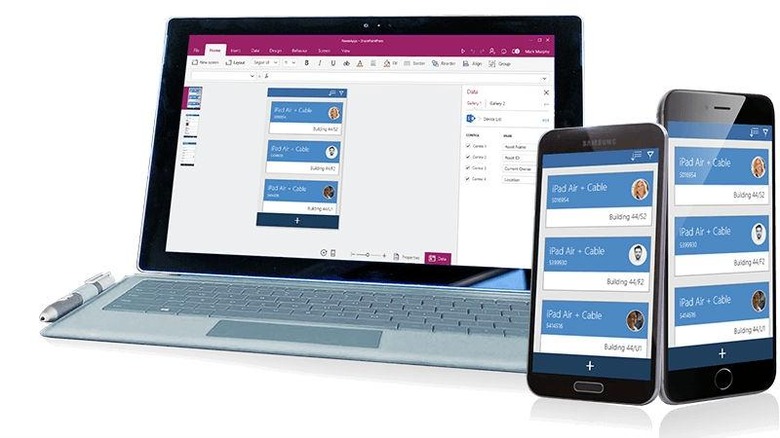
    In today's economy, the quickening pace of technology seemingly leaves business one step behind the consumer market. However, that is about to change. With Microsoft PowerApps, the innovation gap that entrepreneurs, small business and corporate professionals often face will soon be a thing of the past. What is Microsoft PowerApps? The gap between business and technology is now being bridged as a result of Microsoft's groundbreaking solution to an ever common problem faced within the business world. Microsoft PowerApps is a Software as a Service (SAS) solution that allows companies to build business apps fast and efficiently to increase their productive edge. Utilizing the Cloud, it allows Web API's to provide additional functionality to IT systems that often require access to a corporate PC or a VPN. This allows for greater agility in data sharing between separately locked systems, and mobility for business users who are often on the move. How It Works for You Announcing the development of Microsoft PowerApps, Corporate Vice President, Bill Staples, identified three major elements contributing to the innovation gap encountered by businesses on a daily basis. PowerApps is designed to virtually eliminate such limitations and you don't need to know how to write code in order to use the application. All you need is a solution. As an enterprise application, the software allows any non-programmer to create a user-friendly app that enables mobile business users to access data from on-site applications, share data between colleagues, and consume information between two separately locked systems. Creating such applications are made simple with an easy-to-use interface, and you can even allow other users to take advantage of the PowerApps you create by simply emailing them to your coworkers and business partners. PowerApps even includes Azure App Service to help you get native web and mobile apps into the hands of employees faster. As a result, it empowers you to provide the solutions your business needs without the need to be an expert in coding. What this Means for You As catalyst for business expand in the global market, more and more companies are finding the need to address the boundaries they face when it comes to integrative technology. PowerApps help business users break through these barriers. Whether you're trying to improve how your company handles travel expenses, or managing valuable applications such as Salesforce, Dynamics CRM, or Office 365, PowerApps delivers unparalleled innovation. Best yet, PowerApps protects your company's valuable data by adhering to your company's security protocols and privacy controls. Therefore, you retain ownership in the management and access of your business's sensitive information. PowerApps Promising Potential With Microsoft PowerApps you are no longer at the mercy of your business's technological limitations. Create the apps you need to get the results you want. Reduce the amount of time it takes for your business to provide a solution to an ongoing problem, and increase your company's mobile agility in the marketplace. PowerApps has promising potential to transform the way you do business.

    By Ryan Kh Read More