laptops
Latest
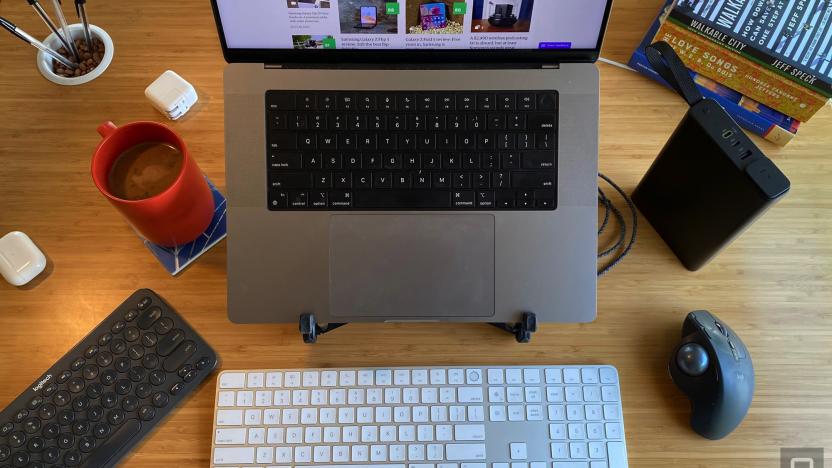
The best MacBook accessories for 2024
Here are the accessories we use and recommend to improve the ergonomics, connectivity and overall productivity of your MacBook.
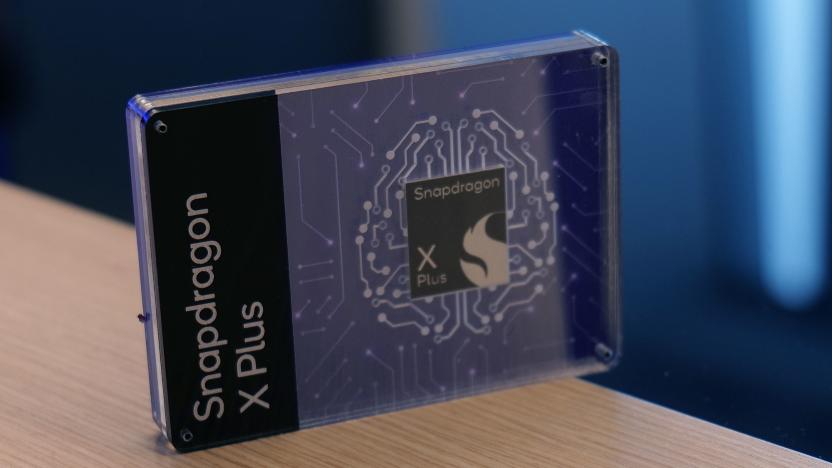
Qualcomm is expanding its next-gen laptop chip line with the Snapdragon X Plus
Ahead of the Snapdragon X Elite's arrival later this year, today Qualcomm announced a second laptop processor based on its Oryon CPU architecture.
 8910089100
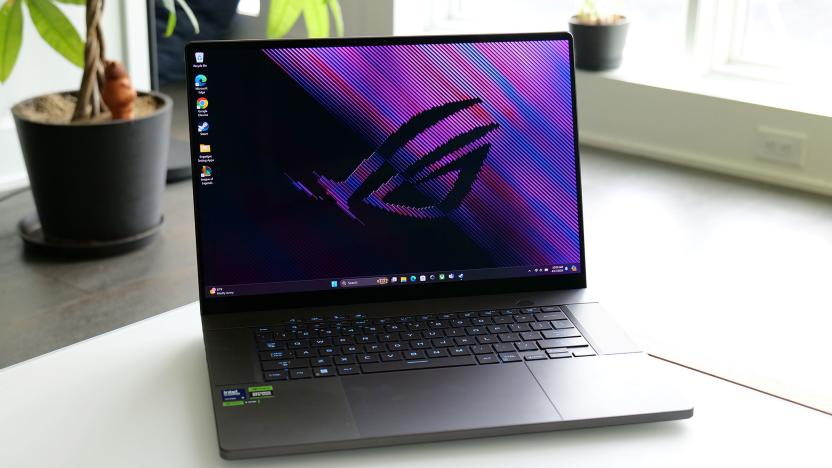
ASUS ROG Zephyrus G16 (2024) review: Not just for gamers
Like its smaller sibling, the ASUS ROG Zephyrus G16 combines a great display with a super sleek build but with better connectivity and even longer battery life.
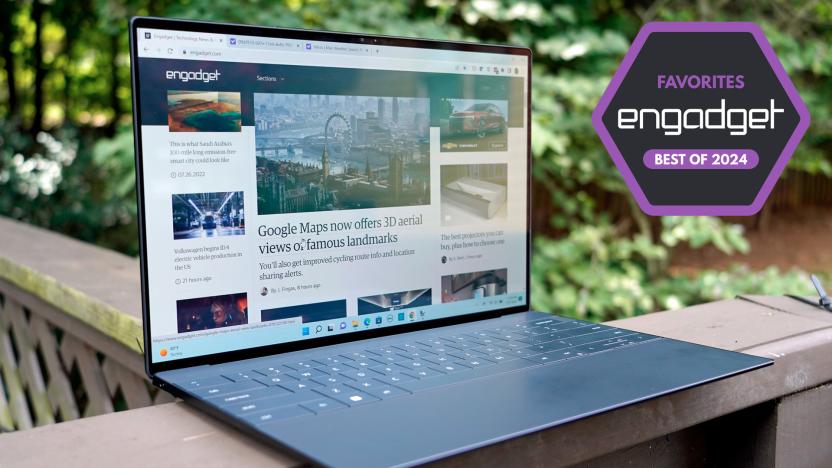
The best laptops for 2024
Picking your next laptop can be a daunting task. The Engadget team has tested and reviewed dozens of laptops and these are our favorites.
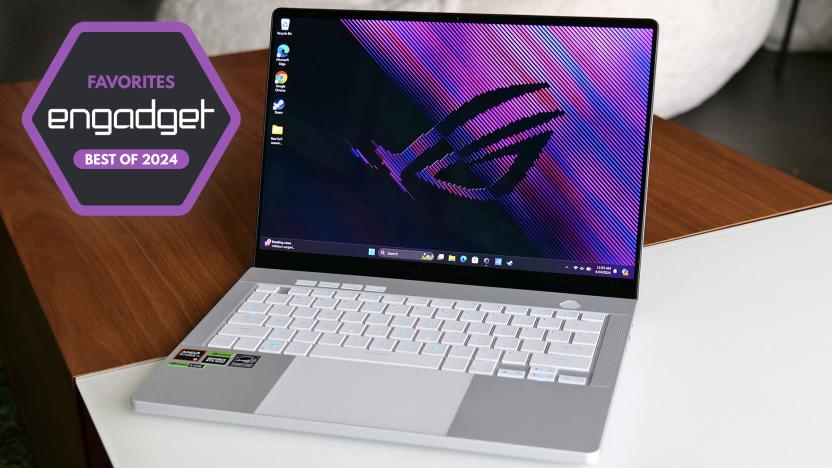
The best gaming laptops for 2024
There's never been a better time to buy a gaming laptop. These are our top picks that we've tested and reviewed that will fit all kinds of use cases and budgets.
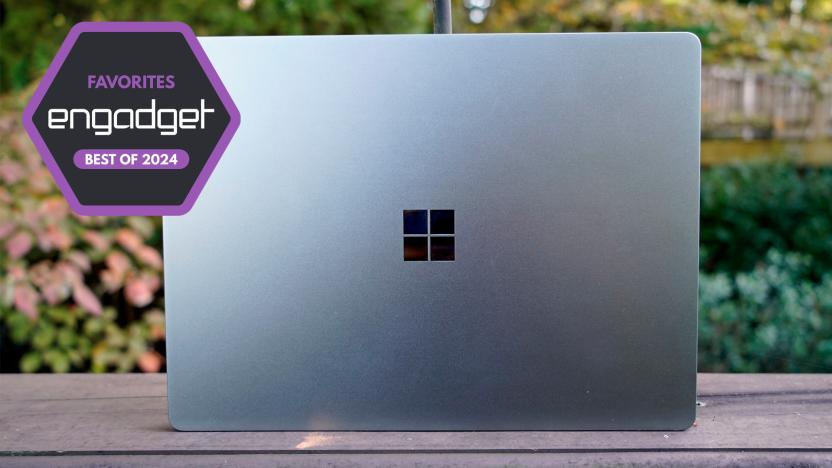
The best cheap Windows laptops for 2024
Here's a list of the best cheap Windows laptops you can buy, as reviewed by Engadget editors.
 9110091100
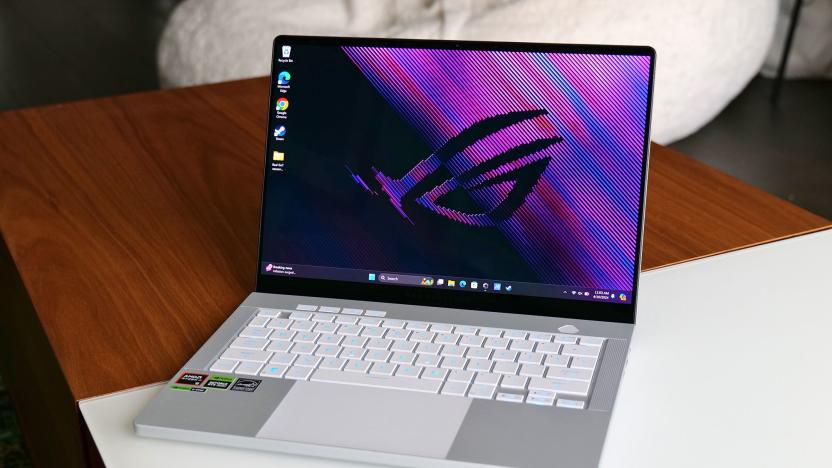
ASUS ROG Zephyrus G14 (2024) review : This is the 14-inch gaming laptop to beat
For anyone who wants strong performance in a portable design, the ASUS ROG Zephyrus G14 is both pound for pound and dollar for dollar the best choice around.

Acer launches two all-new 14-inch gaming laptops alongside updated 16-inch models
Acer’s midrange gaming laptop line has four new arrivals today following the company’s refresh of its flagship models at CES 2024. On Tuesday, the company unveiled a pair of new 14-inch entries alongside two refreshes of existing 16-inch models.
 8810088100
HP Spectre x360 14 review (2024): Keeping the 2-in-1 laptop dream alive
The HP Spectre x360 14 has everything you’d want in a 14-inch convertible notebook. It’s fast, features a gorgeous screen and can rotate to suit your needs.
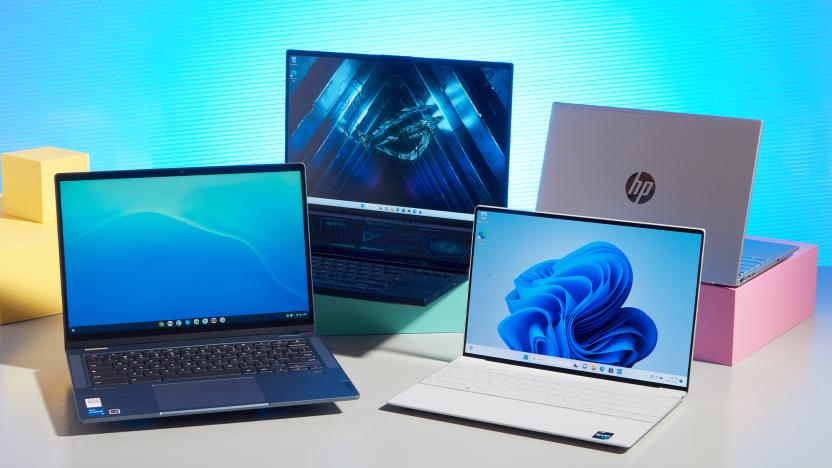
The best laptops for college students
Here's the latest list of the best laptop for college and university students, as reviewed by experts from Engadget.
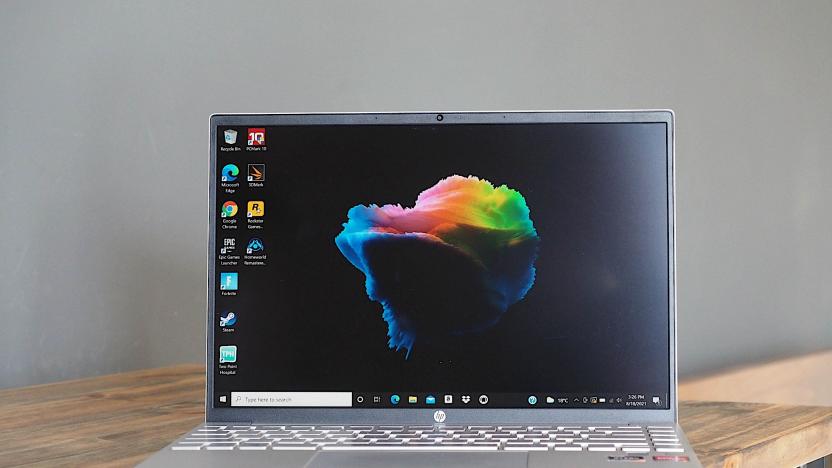
The best budget laptops for 2024
Yes, you can get a great laptop without breaking the bank. These are our favorite budget laptops costing $1,000 or less.
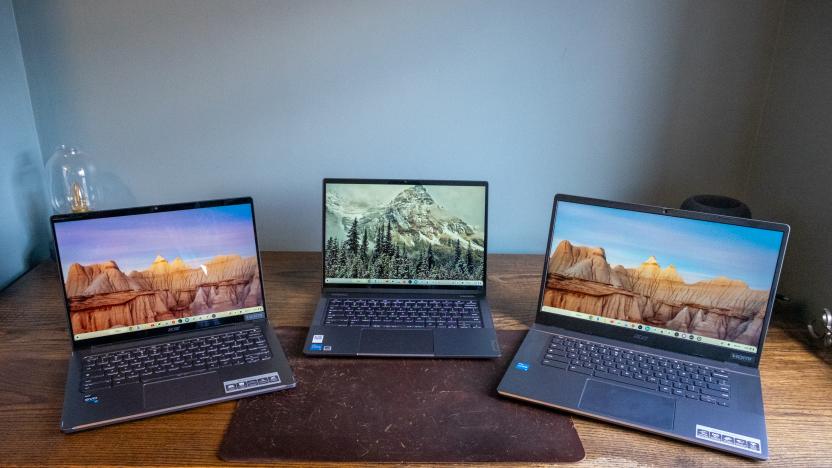
The best Chromebook you can buy in 2024
Here's the list of the best Chromebooks you can buy right now, as reviewed by the experts at Engadget.
 8410084100
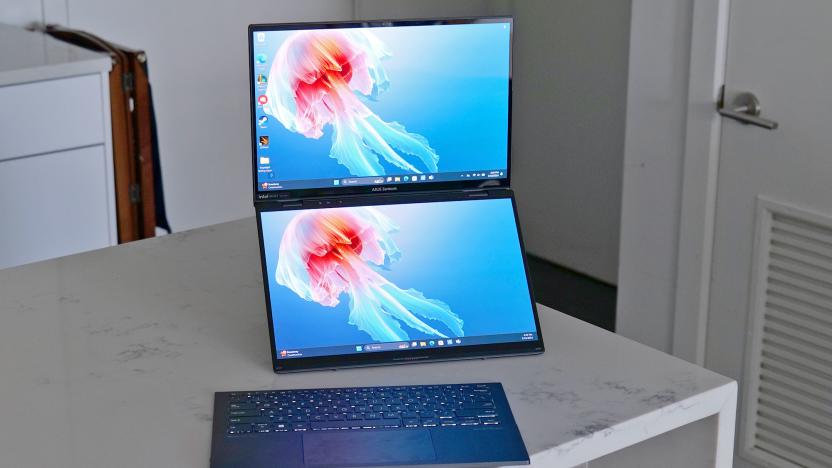
ASUS Zenbook Duo (2024) review: The first dual-screen laptop worth buying
Starting at $1,500 and with dimensions that aren’t much bigger than a traditional clamshell, ASUS’ Zenbook Duo is the first dual-screen laptop you’d actually want to buy.
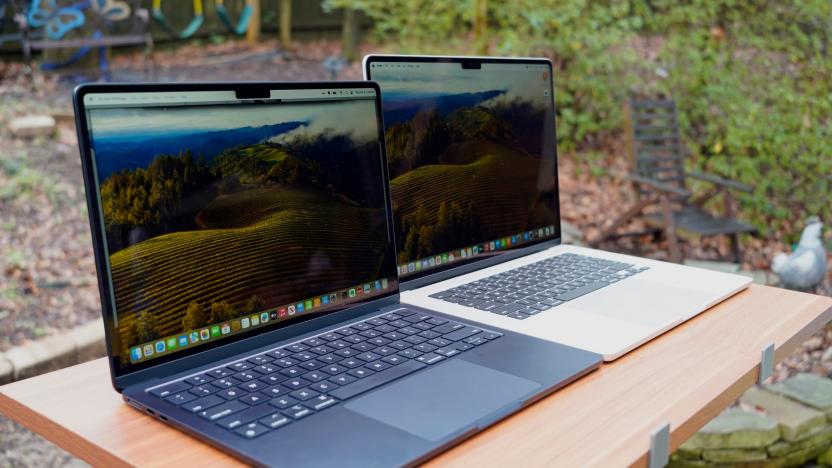
The best MacBooks for 2024: How to pick the best Apple laptop
Apple currently produces just two lines of MacBooks, the Air and the Pro -- but there's plenty of variation within just those two options. Here are our top picks based on our testing.
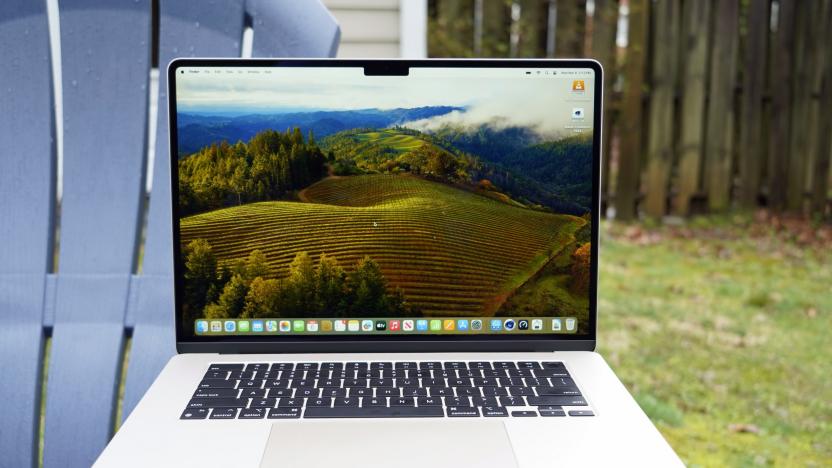
Why the 15-inch M3 MacBook Air is the best MacBook Air
If you're in the market for a new MacBook, don't sleep on the new 15-inch Air.
 9010090100
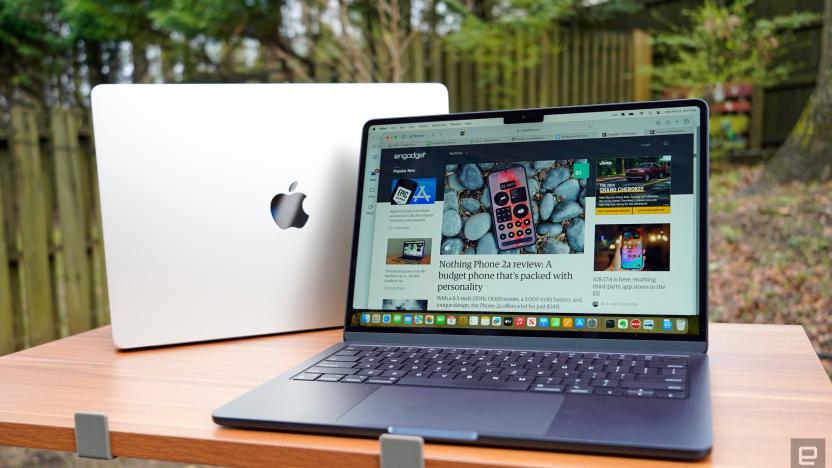
MacBook Air M3 13-inch and 15-inch review (2024): Excellent yet unsurprising
Apple's latest MacBook Air takes everything we loved about the M2 redesign -- a sleeker and lighter case -- and adds more power thanks to an M3 chip.

Microsoft may debut its first 'AI PCs' later this month
Microsoft may debut its first 'AI PCs' later this month. According to a report, the Surface Pro 10 and Surface Laptop 6 will support new AI functions that are slated to hit Windows 11 later this year.
 8210082100
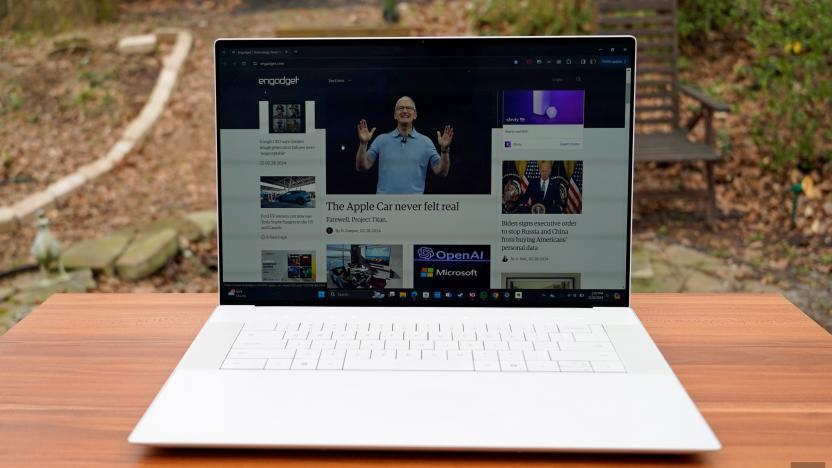
Dell XPS 16 review: Beauty and power comes at a cost
The XPS 16 stands out from most other large laptops by combining power and beauty. But you’ll have to suffer through some usability tradeoffs.

Acer’s latest Swift laptops have AMD 8040 chips with Ryzen AI support
Acer unveiled a pair of AMD Ryzen 8040 series laptops on Tuesday. Unsurprisingly, given their chips’ dedicated NPUs, the company is marketing the 2024 Acer Swift Edge 16 and Swift Go 14 as AI workhorses.

The best Windows laptops for 2024
Here are the best Windows laptops you can get right now, as chosen by Engadget editors.


