0
The first and latest Star Wars films are coming to IMAX 70mm in 2027
The IMAX 70mm screening of 'Star Wars' will be a Holy Grail quest for fans of the original 1977 version.
Read More

The IMAX 70mm screening of 'Star Wars' will be a Holy Grail quest for fans of the original 1977 version.
Read MoreComputer (rumors) says yes. The iPhone 18 Pro and Apple Watch Series 12 are also expected today.
Read MoreSuno's new AI music models are the formal start of the company's partnership with some big labels.
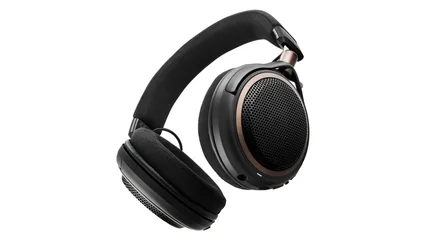
Read MoreThe new AT cans offer great sound and convenience, even if they can't be truly noise-cancelling.
Read MoreApple's foldable iPhone may not be called the 'Fold' or 'Ultra' as was expected.
Read MoreRebooting your PC regularly is old advice, but how important is this today? And how often do you really need to restart?
Read MoreArtificial intelligence has solved a major mathematics problem, but credit for the accomplishment is murky.
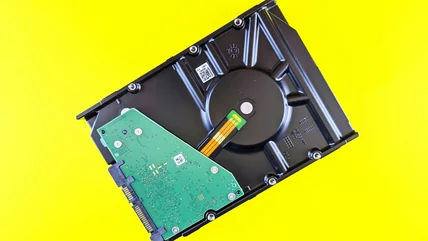
Read MoreSSDs are preferable for many reasons, but with storage prices skyrocketing, there are some scenarios where opting for an HDD makes more sense.
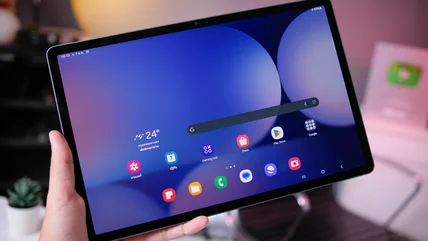
Read MoreThere are several methods for restarting your Samsung Galaxy tablet, and most of them keep your data and apps.
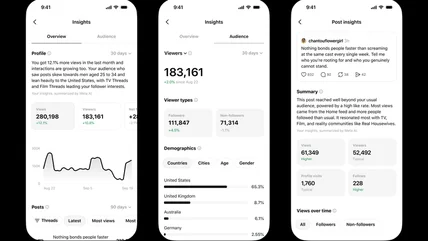
Read MoreThe insights section of the Threads app now surfaces AI summaries and contextual info about post performance.
Read MoreChrome will start releasing new versions of its stable browser more frequently.
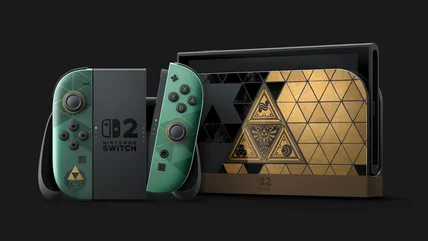
Read MoreNo, the Zelda anniversary edition Switch 2 doesn't come with a copy of Ocarina of Time.
Read MoreModern routers have two or more bands, but what's the purpose of a dual-band router? Here's what it does and why it matters.
Read MoreIf you're interested in trying out Claude's Gmail capabilities but are worried it will make mistakes, just tell it to ask for approval before doing anything.
Read MoreThe speed of your downloads, uploads and ping are affected by several variables. Let's measure your internet speed and see if we can improve it.
Read MoreApple's CarPlay works great with its default settings, but you can make a few changes personalized to your habits.
Read MoreThe concept PCs, cameras, chargers and more than caught our attention in Berlin.
Read MoreRight-clicking, or "secondary clicking," has many uses, but it's not always obvious how to do it on a MacBook.
Read MoreAnker's new smart display plug-in wall chargers might be small, but they actually do a lot more than just tell you how fast they're charging your devices.
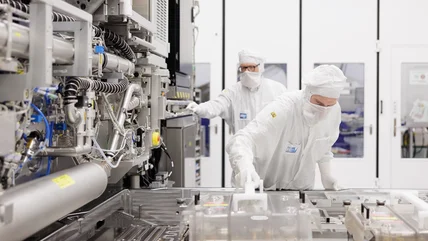
Read MoreASML, TSMC and Samsung are adopting larger chip photomasks that will boost manufacturing yields and lower costs.
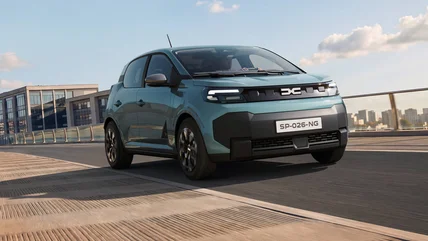
Read MoreDacia also redesigned the Spring to add some sporty allure.
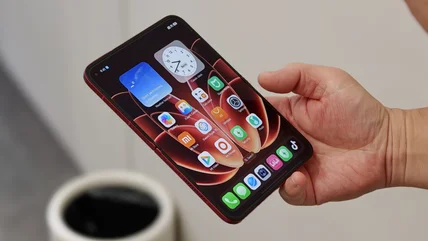
Read MoreXiaomi's impressive-sounding new foldable arrives on the eve of Apple's big foldable iPhone event.
Read MoreIn the market for a new laptop? You'll want to know just how long it'll run without being plugged in, and how you can maximize the efficiency of its battery.
Read MoreGM's lineup is dropping Apple CarPlay and Android Auto in favor of its own infotainment systems. But one model is keeping the phone-mirroring capabilities.
Read MoreAt this point, there are very few situations in which you'll want to use an Ethernet splitter.
Read MoreIt's a partnership with the British AV company Wayve.
Read MoreEverything you need to know to decide which set of Sony earbuds are right for you.
Read More