Arkane Austin and Tango Gameworks have been shut downMicrosoft is making big cuts three years after purchasing ZeniMax Media.By J. Conditt, 05.07.2024
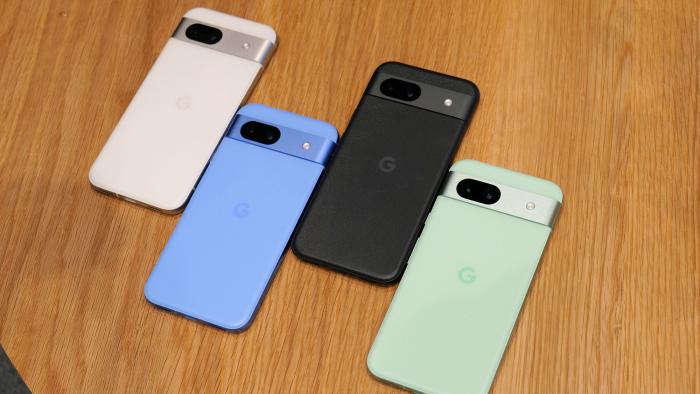
Pre-order the Google Pixel 8a from Amazon or Best Buy and get a free $100 gift cardGoogle's newest phone will ship May 14. By A. Skorheim, 05.07.2024
Michelle Yeoh just got cast to lead Amazon's Blade Runner showShe’ll purportedly play a replicant near the end of her life… or will she? By L. Bonk, 05.07.2024
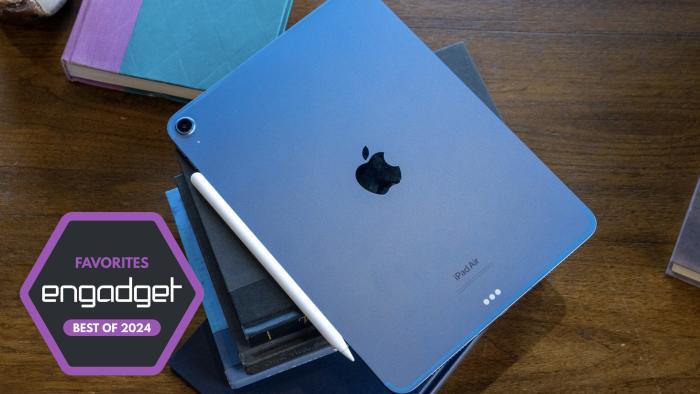
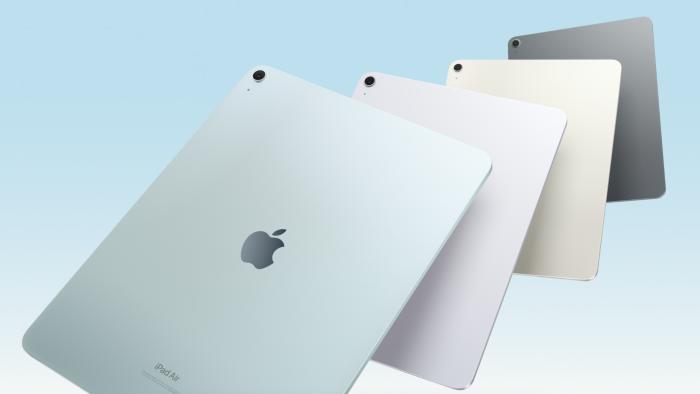
The best iPad for 2024: How to pick the best Apple tablet for youLet's make sense of Apple's somewhat confusing tablet lineup.By J. Dunn, 05.07.2024
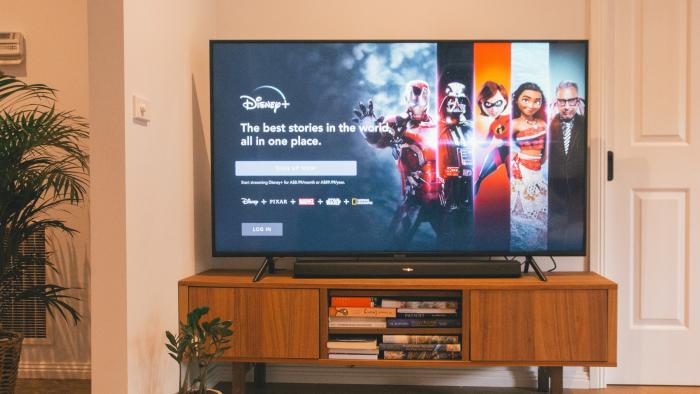
Disney+ will start showing some live sports from ESPN this yearDisney's flagship streaming service just became profitable for the first time.By K. Holt, 05.07.2024
Adobe's full Creative Cloud suite is 40 percent off in a rare dealNew subscribers can get access to 25 Adobe apps for a record-low price for the first year. By A. Skorheim, 05.07.2024
OpenAI says it can detect images made by its own software… mostlyIt’s testing a new tool to suss out if a picture is AI generated. By L. Bonk, 05.07.2024
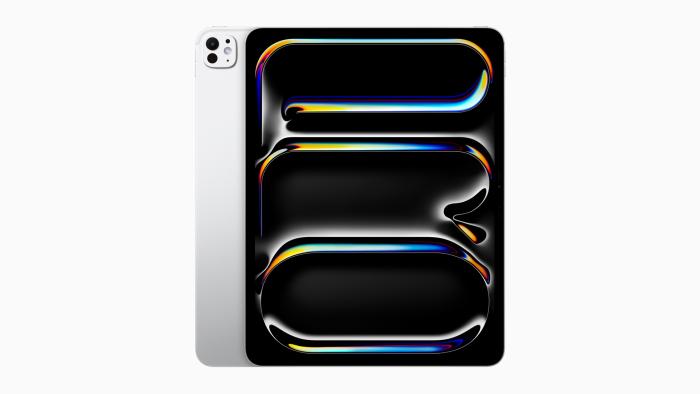
The M4 iPad Pro is literally lighter than AirApple's tablets have a bit of a naming problem.By K. Holt, 05.07.2024
Everything announced at Apple's Let Loose iPad eventAn iPad Pro with a new M4 chip and OLED display is here, folks. By K. Holt, 05.07.2024
What the heck is going on with Helldivers 2?How a Steam account-linking fiasco turned into a victory for democracy.By J. Conditt, 05.07.2024
Apple 'Let Loose' iPad event 2024: Live updates as Apple unveils the new iPad Pro and iPad AirWe'll bring you all the news from the 'Let Loose' event as it happens.By N. Ingraham, 05.07.2024
TikTok is suing the US government to stop its app being bannedThe company claims that the law is unconstitutional. By K. Bell, 05.07.2024
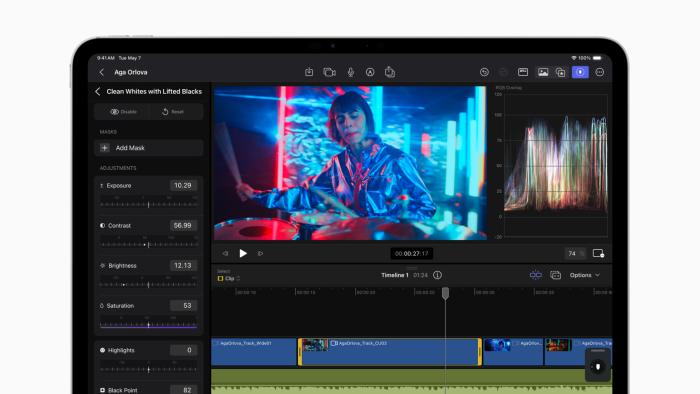
Final Cut Pro for iPad gets support for external drives and live multicam recordingThe Mac version is also getting an AI-heavy refresh to speed up editing workflows. By L. Bonk, 05.07.2024
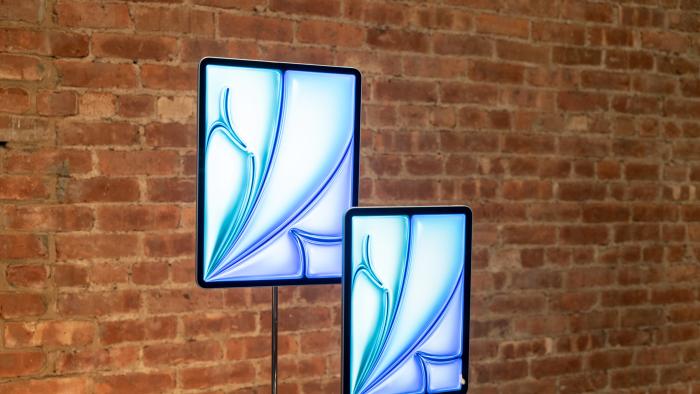
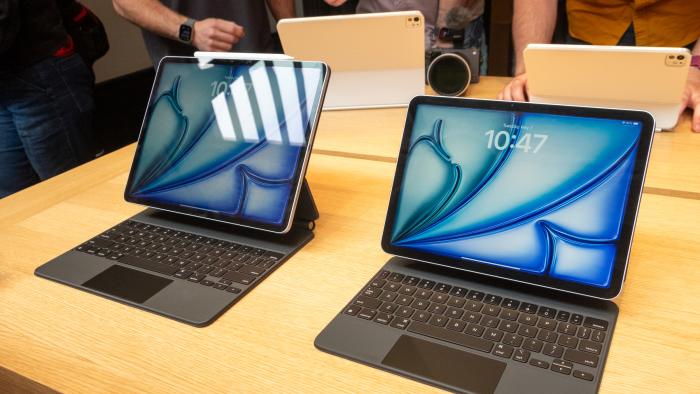
iPad Air M2 hands-on: A big-screen iPad that doesn't break the bankThe 2024 iPad Air is a thoughtful if modest update.By N. Ingraham, 05.07.2024
How to pre-order Apple's new iPad Air, iPad Pro, Pencil Pro and Magic KeyboardHere's what to know before you buy one of Apple's new tablets or iPad accessories.By J. Dunn, 05.07.2024
The Google Pixel 8a was just announced, here's how to pre-order the new smartphoneThe Google Pixel 8a launch comes one week before the company's I/O conference.By A. Skorheim, 05.07.2024
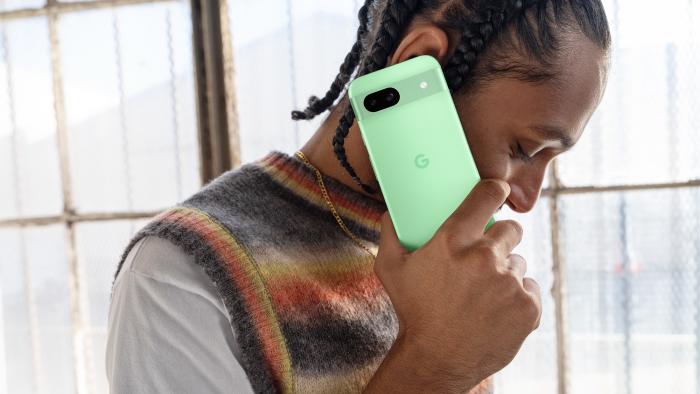
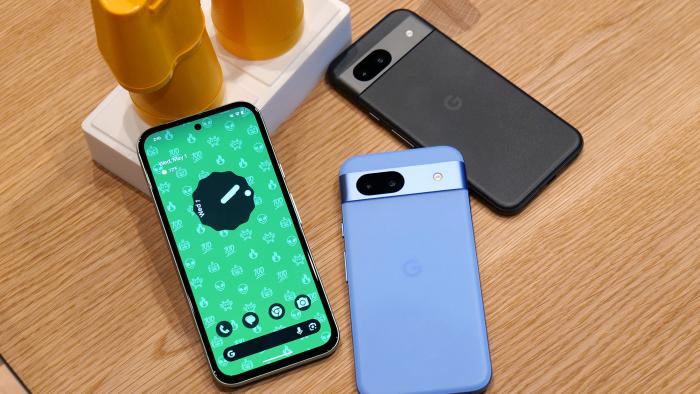
8Google Pixel 8a hands-on: Flagship AI and a 120Hz OLED screen for $499You also get IP67 dust and water resistance, wireless charging and the same Tensor G3 chip as the standard Pixel 8. By S. Rutherford, 05.07.2024
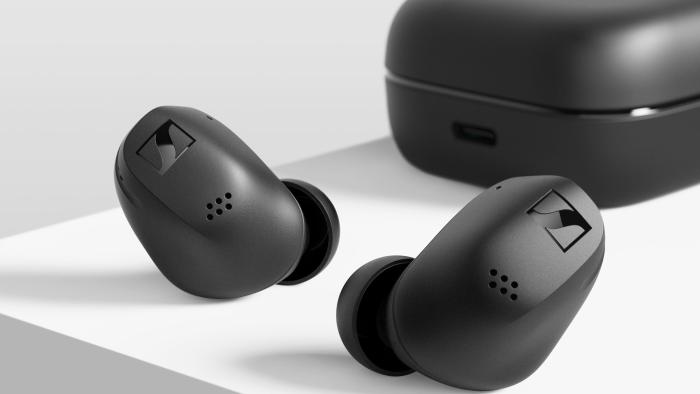
Sennheiser's Accentum True Wireless earbuds have an all-new design and ANC for $200The new model is $100 cheaper than the flagship Momentum True Wireless 4.By B. Steele, 05.07.2024
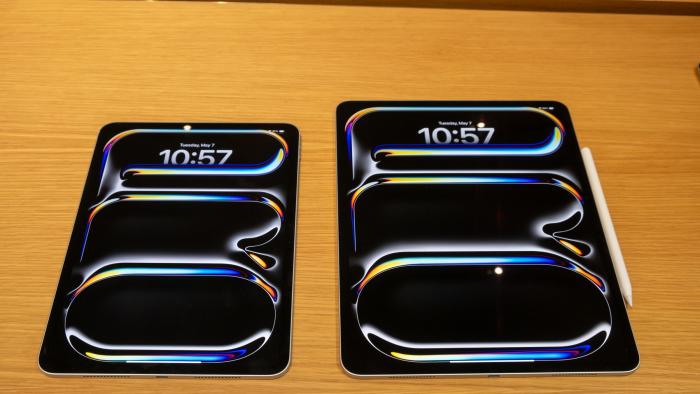
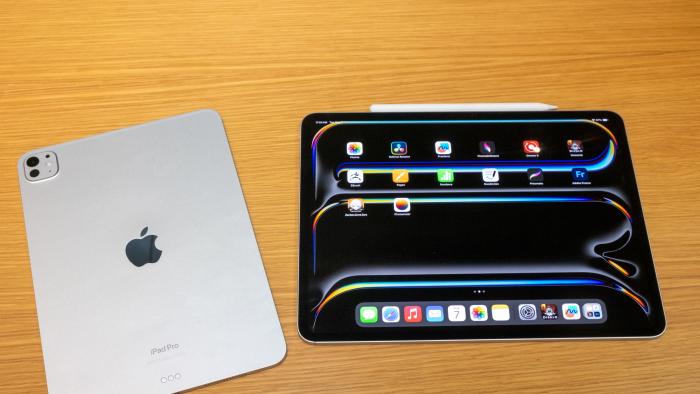
Hands-on with the new iPad Pro M4: Absurdly thin and light, but the screen steals the showThese iPads cost a ton of money, but the display might make it worth it.By N. Ingraham, 05.07.2024
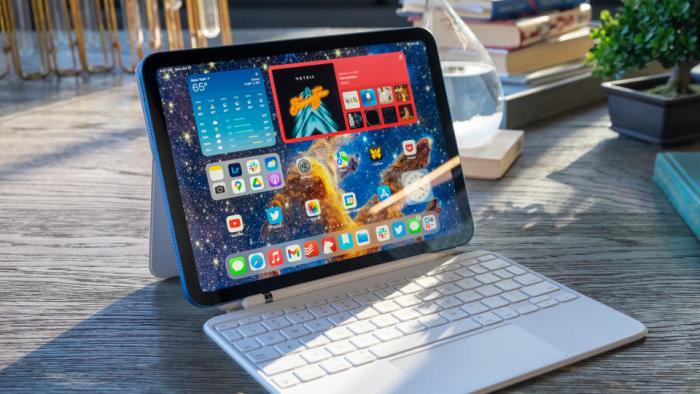
Apple quietly gives the 10th-generation iPad a $100 price dropIt also killed the 9th-gen model, marking the official end of the Touch ID home button on iPad.By W. Shanklin, 05.07.2024