The Latest

Threads has 150 million monthly users
Mark Zuckerberg has speculated it could be Meta's next billion-user app.
TikTok Lite axes ‘addictive as cigarettes’ reward-to-watch feature under the EU’s watchful eye
The Digital Services Act’s regulatory muscles effectively forced the suspension.
PUBG will take a nostalgia-infused trip back to its first map in May
Erangel Classic blends the “charmingly tacky” elements of the original with modern gameplay improvements.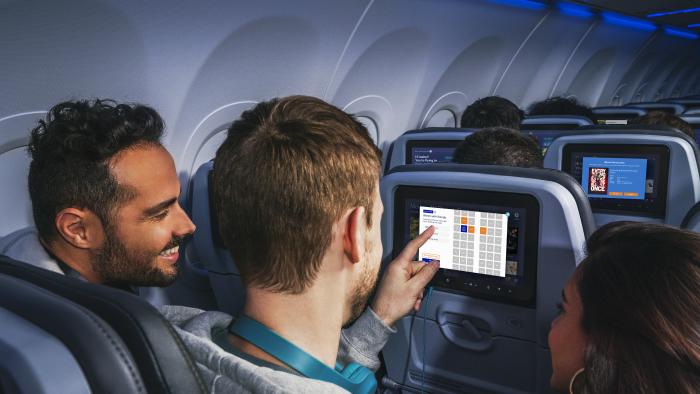
JetBlue's in-flight entertainment system just got a watch party feature
The new platform also offers content recommendations and lets customers pick up from where they left off during a previous trip.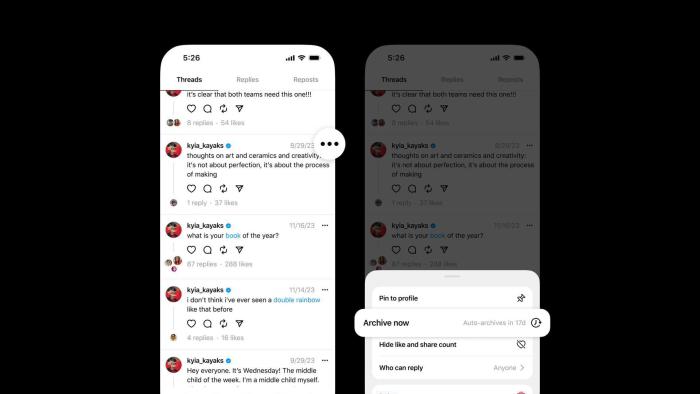

WhatsApp is enabling passkey support on iOS
You'll soon be able to log in without an SMS passcode.
The White House wants a zero-emission freight industry by 2040
It aims for 30 percent of the industry’s heavy truck sales to produce zero carbon emissions by 2030.
PBS Retro is a new FAST channel playing just the classics
It offers 24/7 access to shows like Mister Rogers’ Neighborhood, Reading Rainbow and Zoboomafoo.
Rabbit R1 hands-on: Already more fun and accessible than the Humane AI Pin
It has a working, reliable screen and easy-to-use controls.
Google has delayed killing third-party cookies from Chrome (again)
Now the company says it’ll happen next year.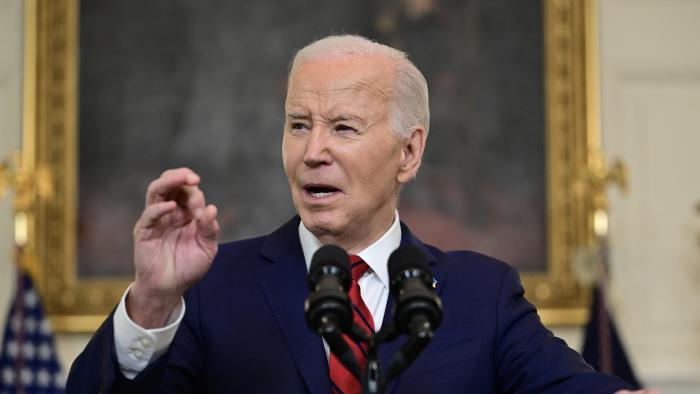
Joe Biden signs the bill that could ban TikTok in the United States
The company has called the law “unconstitutional.”
Steam closes an early-access loophole in its refund policy
Almost any time played before a game’s release date now counts towards the two-hour limit.
Qualcomm is expanding its next-gen laptop chip line with the Snapdragon X Plus
It sits a tier below the X Elite while still featuring an NPU with up to 45 TOPS of performance.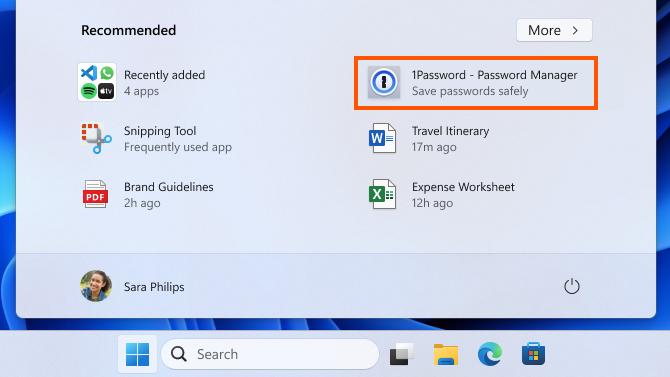
Windows 11 now comes with its own adware
App promotions in the startup menu are enabled by default, but can be turned off.
FTC bans employers from using noncompete clauses
They 'keep wages low, suppress new ideas and rob the American economy of dynamism.'
The best gifts for grads under $50
Give them something useful without breaking the bank.
Mercedes-Benz quad-motor G-Class could be the ultimate EV off-roader
With four motors and some amazing tricks, the new G is a stunner.
The Morning After: Senate passes the bill that could ban TikTok
President Biden says he’ll sign the bill into law.
Mercedes-Benz finally unveils its electric G-Class luxury off-roader
The G 580 with EQ Technology still looks like its gas-powered counterpart.


