michigan
Latest
Data breach of Michigan healthcare giant exposes millions of records
Michigan-based healthcare nonprofit McLaren Health Care notified more than 2 million people about a data breach exposing personal information on Thursday, according to a data breach notification report.
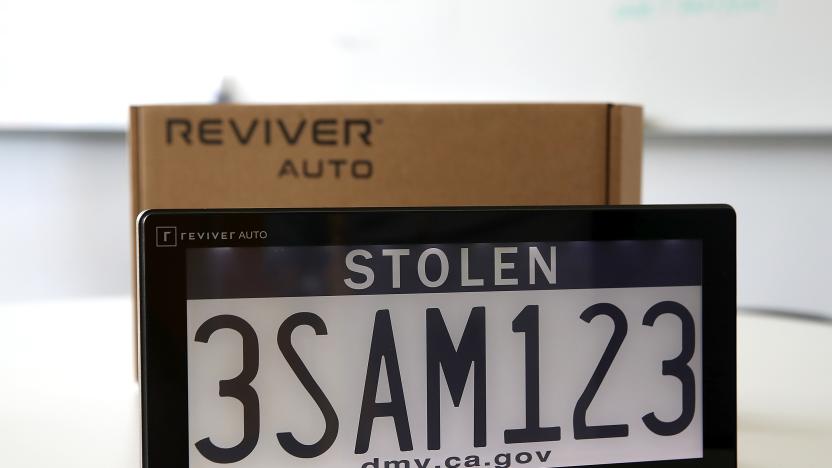
Michigan approves digital license plates by startup Reviver
The state joins California and Arizona in giving the all-clear to digital plates.

GM is building EV production and battery factories in Michigan
It will convert a factory to make the Chevy Silverado EV as part of a $7 billion investment in the state.

Ford's Mustang Mach-E passes Michigan State Police tests
The automaker says it's the first EV to do so.
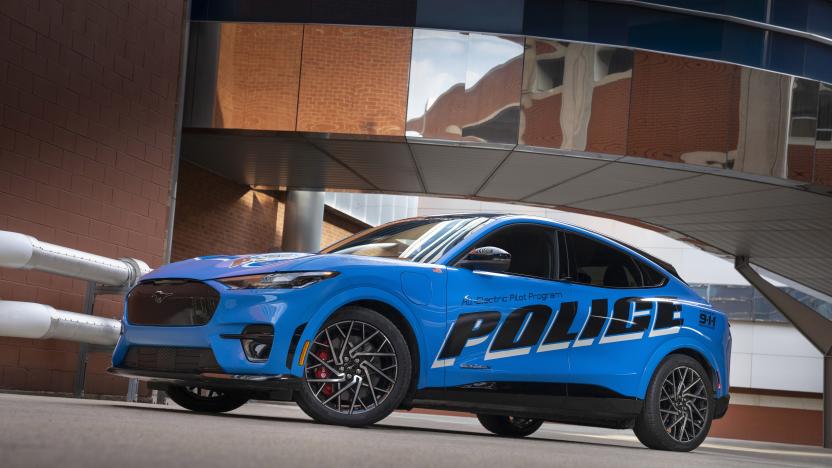
Michigan State Police to begin testing Ford Mach-E Interceptors
On Friday, Ford announced that it, in short order, will deliver one of its Mustang Mach-E Interceptor prototypes to the Michigan State Police as well, where it will undergo real-world testing to see if the EV can handle the rigors of police work.
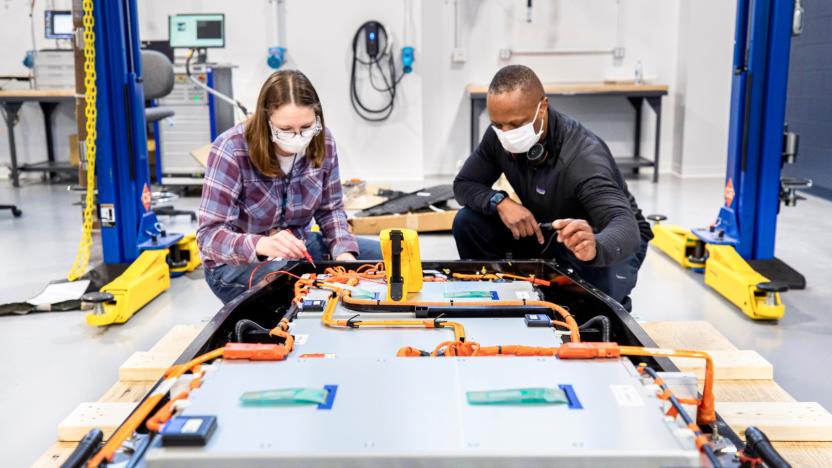
Ford announces plans for two EV battery facilities
Ford's new Ion Park facility in southeast Michigan will test and develop new battery technologies for the company.
Judge equates encrypted chats with private thoughts in would-be kidnapping case
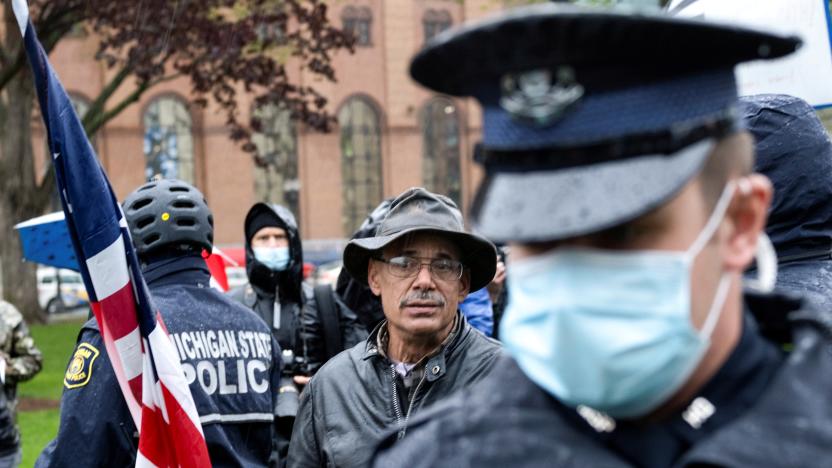
Three men who plotted to kidnap Michigan governor Gretchen Whitmer will face charges of gang membership, felony firearm possession and providing material support for terrorist acts, but not making terrorist threats. According to a report from the Detroit News, the reason 12th District Court Judge Michael Klaeren dismissed that last charge stems from the way the group interacted with each other. Rather than coordinating out in the open on platforms like Facebook, Joseph Morrison, Pete Musico and Paul Bellar — along with four other men with ties to the Michigan militia group Wolverine Watchmen — used private, encrypted chats to communicate.
Facial recognition linked to a second wrongful arrest by Detroit police
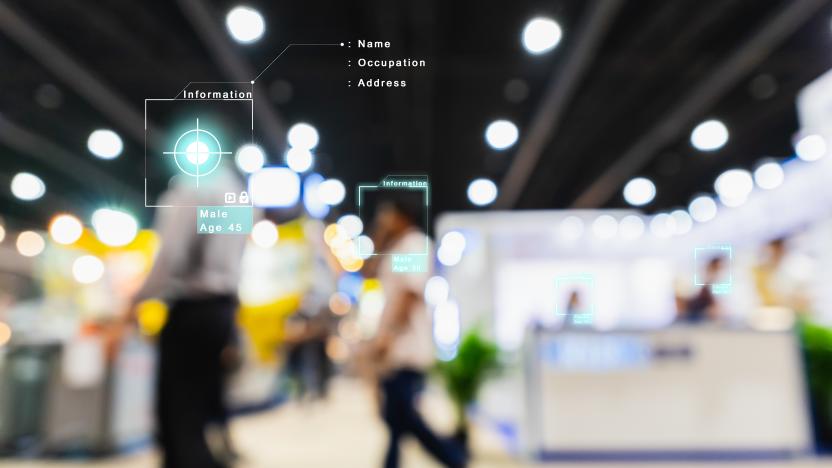
It's the second-known such case in the US to date.
Settlement reportedly lets Tesla sell and service cars in Michigan (updated)
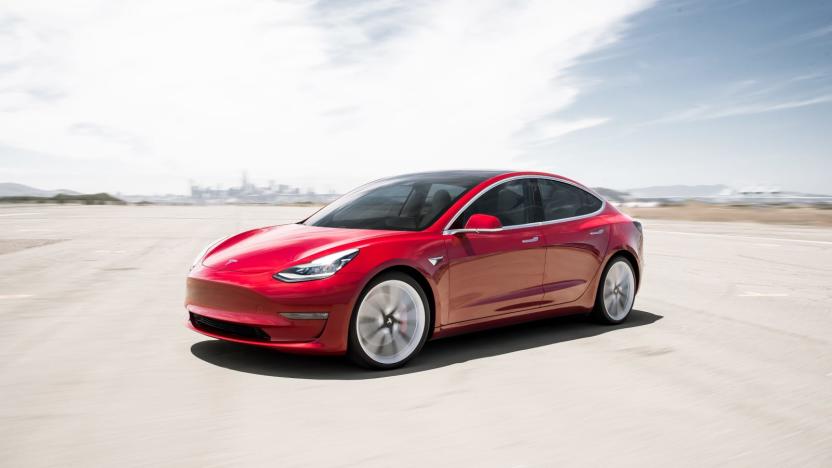
Michigan residents can now have Tesla vehicles delivered in their home state, according to AP, Bloomberg and other sources. The automaker and the state have reportedly reached a settlement that would end the former's lawsuit challenging Michigan's ban on direct-to-consumer auto sales. Tesla filed the lawsuit back in 2016 after years of trying to change the state legislation, which only allows automakers to sell vehicles through franchised dealerships.
Samsung's 'SpaceSelfie' balloon crashed in someone's yard
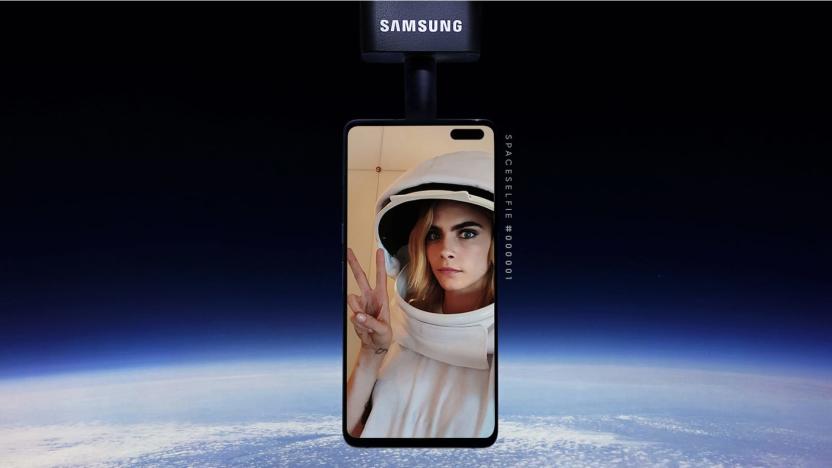
Samsung is learning first-hand about the risks of using high-altitude balloons for promotional stunts. A Michigan couple found the phone maker's "SpaceSelfie" balloon (meant to pitch the Galaxy S10) in their yard after it crashed to Earth on October 26th. The vessel didn't hurt anyone or damage property, but it was clearly a less-than-ideal touchdown -- Samsung characterized it as an "early soft landing in a selected rural area" that was prompted by US weather conditions.

Ford is investing $850 million to build EVs in Michigan
To boost its electric vehicle (EV) production, Ford is investing $850 million in its Flat Rock, Michigan, assembly plant. It hopes to make the plant the home of its EV production. To do so, the company will also hire 900 employees incrementally through 2023. This investment is part of Ford's $11.1 billion commitment to electric vehicles, and it includes funding to build Ford's next-generation Mustang in Michigan.
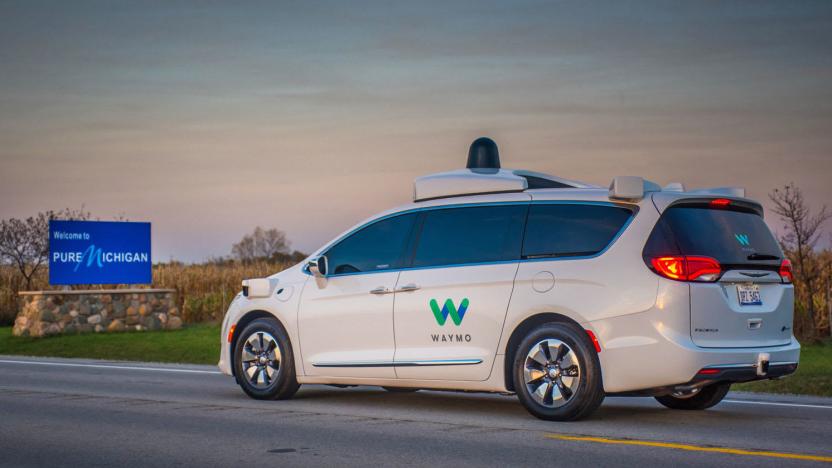
Waymo will build self-driving cars in Michigan
Waymo just took another major step toward bringing self-driving cars into the mainstream. The Alphabet-owned brand has received approval to establish a factory for its driverless vehicles in Michigan. This will be the first factory in the world to be completely devoted to mass-producing Level 4 autonomous vehicles, the company said.

Reviewing election cybersecurity in this week's primary states
Since learning of Russia's attempts to hack into the elections systems of 21 states during the 2016 US presidential race, legislators have been on high alert. Cybersecurity experts have warned it's likely the Kremlin will attack again, and already it's been caught attempting to infiltrate legislators' computers and use phony social media accounts to influence the outcome of 2018 state primaries. Four states are holding elections on Tuesday -- Kansas, Michigan, Missouri and Washington -- and some lawmakers are doing more than others to protect their systems against cyber attacks. Here's a breakdown of each state's approach to elections cybersecurity, as of August 2018:
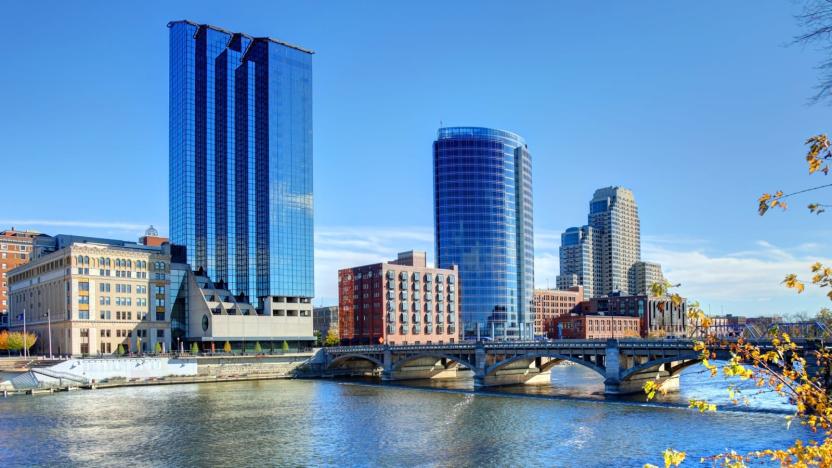
Ford's next 'City of Tomorrow' is Grand Rapids, Michigan
Ford's investment in the Mitten State isn't over. Last week the company announced that it was transforming the aging Michigan Central Station in Detroit into an innovation hub for things like autonomous vehicles and smart cities. Today, the automaker is 130 miles west in Grand Rapids to reveal the $100,000 Grand Rapids City of Tomorrow Challenge -- a way to crowdsource solutions to Michigan's second largest city's mounting traffic and mobility woes.
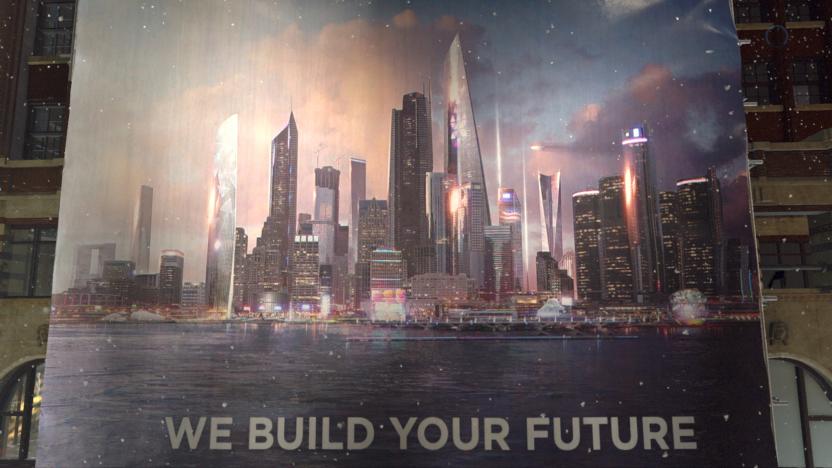
PS4's 'Detroit' doesn't take place in the Motor City I know
When Sony debuted Detroit: Become Human at E3 two years ago, writer-director David Cage said he and his team were taking great care to respect Motown's heritage, its people and what they've been through. "When you set your story in a specific city, it's a very sensitive thing to do," he told me. "You don't want to do it if you're not respectful of the place, of the people living there." I've seen how games like Persona 5 and the Yakuza series have faithfully reproduced their Japanese settings, and I was excited to explore his digital Detroit. Unfortunately, my expectations were set too high.
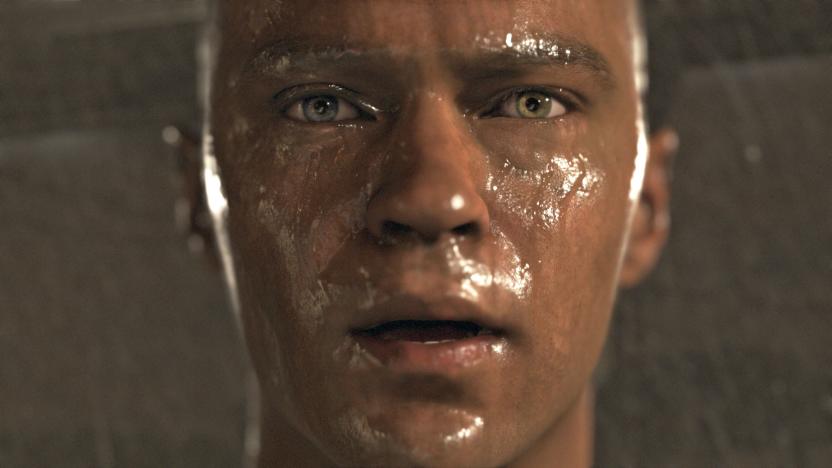
PS4 exclusive 'Detroit' is a flawed depiction of race in America
Detroit: Become Human begins with a warning: "This is not a story, this is our future." Writer-director David Cage's follow-up to Heavy Rain and Beyond: Two Souls weaves a tale about robots attempting to transcend their programming. But rather being a thoughtful, philosophical examination of consciousness, Detroit, instead, is a tone-deaf look at race.
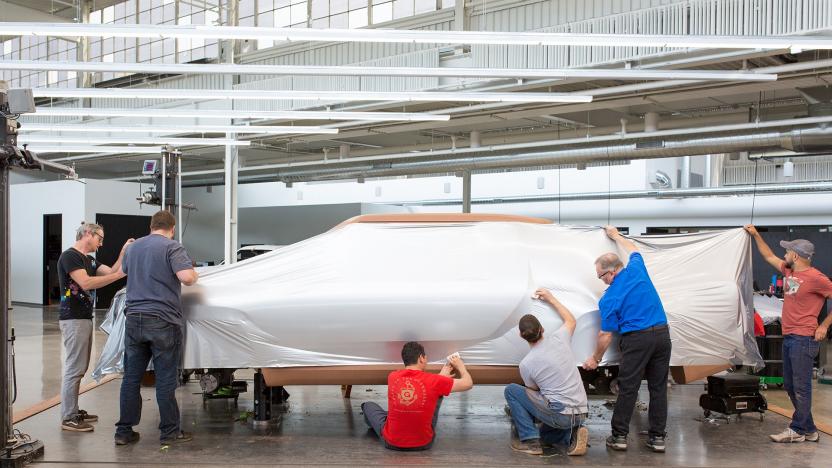
Inside the automotive startup taking EVs off-road
The Tesla Model X is the "least capable SUV ever made," according to Rivian CEO RJ Scaringe. It sits too low to the ground, for one, and yet, somehow, most American garages aren't tall enough for the rear doors to open. It's something that looks great sitting next to a Lamborghini or a Porsche, but it's more style than substance. It's an SUV in name alone. You won't take your Model X to ride the sand dunes for a weekend, but that's precisely what Scaringe wants you to do with anything his startup makes. It's understandable if you don't know who or what Rivian is. The company, founded in 2009, has around 350 employees, and its executive team is composed of designers and executives from Hummer maker AM General, Chrysler, McLaren and others. Its design headquarters are located outside of Detroit; there's also a pair of tech and research centers in California split between the San Francisco Bay Area and Irvine. Rivian is led by Scaringe, a 35-year-old MIT grad. Previously he founded Mainstream Motors, working on a fuel-efficient vehicle before pivoting to EVs in 2012. Even more than other tech companies, this one's plans have been shrouded in secrecy -- it was important to Scaringe that his company have something to show before making promises he couldn't keep.

Ascape Audio's earbuds boast wireless sound in a convenient package
If you want to put a little Motown in your ears, the Kickstarter campaign for Ascape Audio's newest Detroit-designed fully wireless earbuds and charging case has finally launched. The pitch is as follows: The AmpPack is a charging case that holds and charges the AscapePod fully wireless earbuds. The AmpPack automatically starts charging the twist-to-lock earbuds as soon as you secure them into the cradle near your phone's earpiece. The case's internal battery has enough power to charge them 20 times, or, it can double the life of your phone battery.
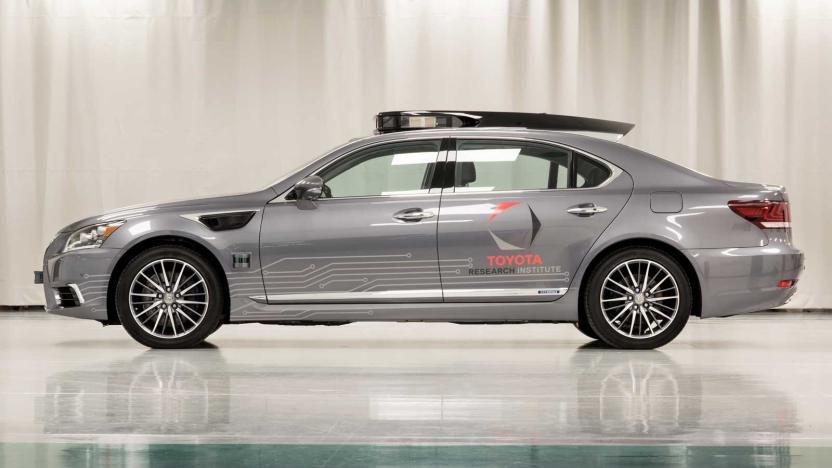
Toyota will test risky self-driving scenarios at a Michigan track
It's not enough to test self-driving cars in realistic conditions -- if they're going to avoid crashes, they need to handle nightmare scenarios. Toyota is about to address that. It's building a closed test facility at Michigan Technical Resource Park (below) that will pit autonomous cars against "edge case" scenarios that will challenge the technology's limits. It's planning to subject vehicles to clogged urban landscapes, slick roads and even a four-lane highway with fast entrance and exit ramps.
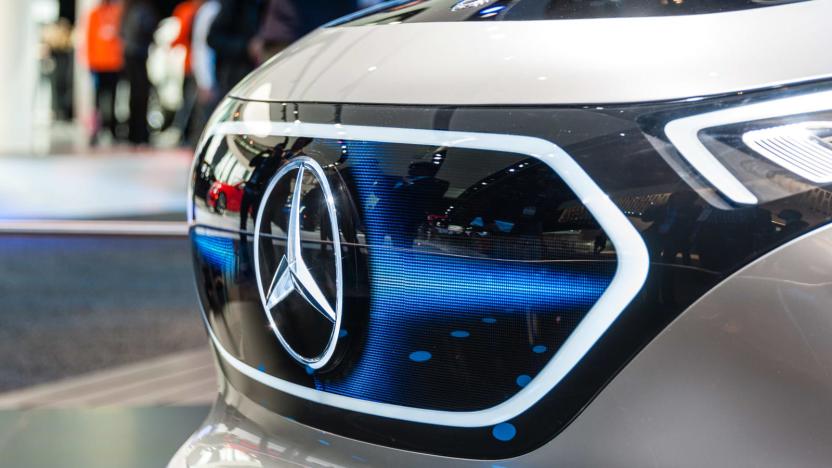
The most eye-catching cars and tech from NAIAS 2018 in Detroit
The North American International Auto Show's press and industry preview week is winding down, but the show is far from over. Next week the NAIAS opens to the public and if can't make it to the Mitten State yourself but still want a peek at what's tucked inside Detroit's Cobo Center, we've got you covered. HoloLens and VR? Check. A Chevy pick-up with snowmobile treads for tires? Mhrm. Same goes for a Mercedes G-Class Wagon trapped inside a brick of "amber" resin. Hell, we even got the Michelin Man to flex his muscles for a photo. There's a lot to see, so kick back, pour yourself a frosty beverage and peep the slideshow below on the biggest monitor available.


