3
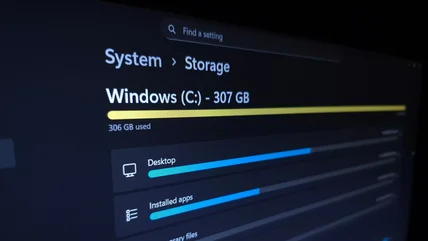
How to see what's taking up space on your Windows PC
Use a methodical approach to see what’s using the most space on your PC and easily clean it up.
Read More

Use a methodical approach to see what’s using the most space on your PC and easily clean it up.
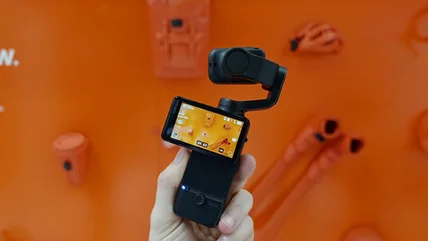
Read MoreHohem has combined its gimbal tech with a wearable camera unit.
Read MoreOpenAI says it's investigating the incident after a group of researchers disclosed their findings.
Read MoreRegulators will review the process and data Tesla used to self-certify the vehicle.
Read MoreBut you'll need a powerful system with 64GB of RAM to use it.
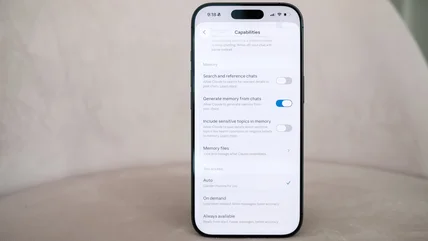
Read MoreClaude has the ability to use past chats with you as context for current and future prompts, so it's important that they are accurate.
Read MoreDon't worry, we didn't share $500 CameraJet toothbrush.
Read MoreThe Volkswagen Group has revealed a ‘transformation program’ that includes layoffs, potential factory closures and brand shutdowns.
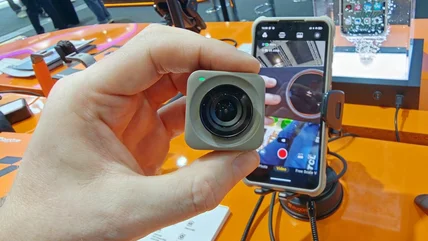
Read MoreRugOne's newest ruggedized phone has a waterproof action cam that you can remove.
Read MoreTesla has officially launched the Cybercab, its autonomous vehicle with no steering wheel.
Read MoreThe popular free audio editor gets a colorful dark mode and granular editing tools.
Read MoreThe new frontier model is particularly competent at agentic, computer-use tasks.
Read MoreUgreen has three new hubs that run your smart home with local AI rather than the cloud. The top model runs on Nvidia's Jetson Thor platform and costs $20,000.
Read MoreSeveral AI companies experienced issues at around the same time.
Read MoreStryker says its SportSuite Vision software for the headset received De Novo authorization from the FDA in July.
Read MoreWeatherNext 3 is also supposed to be much better at predicting precipitation.
Read MoreThis is especially noteworthy, as the cans cost just $150.
Read MoreIt's also letting people upload multiple photos at once when reacting to a post.
Read MoreInfostealer malware apparently had harvested active Claude login sessions from users' PCs.
Read MoreThe latest crystal-covered Razr phone is here.
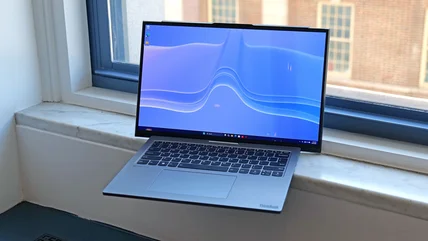
Read MoreThe Project Swan concept features a 14-inch screen that stretches to 17 inches in just a few seconds.
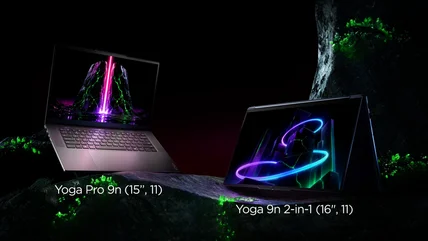
Read MoreLenovo's Yoga laptops now get the option of harnessing NVIDIA's RTX Spark for heavy-duty workloads.
Read MoreGoogle makes its suite of voice tools available for Gmail, Docs and Live — at least if you're a paying customer.
Read MoreNVIDIA’s PAIR is a free, open-source tool that can distribute AI workloads across idle computers.
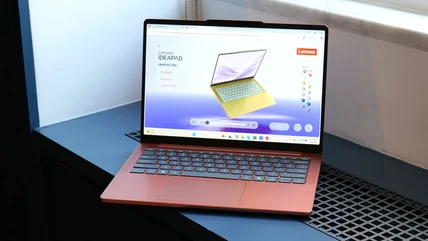
Read MoreLenovo's IdeaPad Vibe features a colorful new design, a range of processor options and, most importantly, is rather affordable.
Read MoreWe're liveblogging Dyson's press conference at IFA 2026 because we love cleaning gadgets.
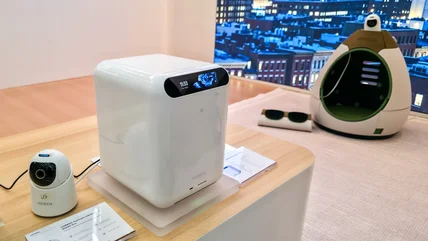
Read MoreDyson just announced three new robovacs, but the most eye-catching launch is the giant air purifier.
Read More