medical
Latest
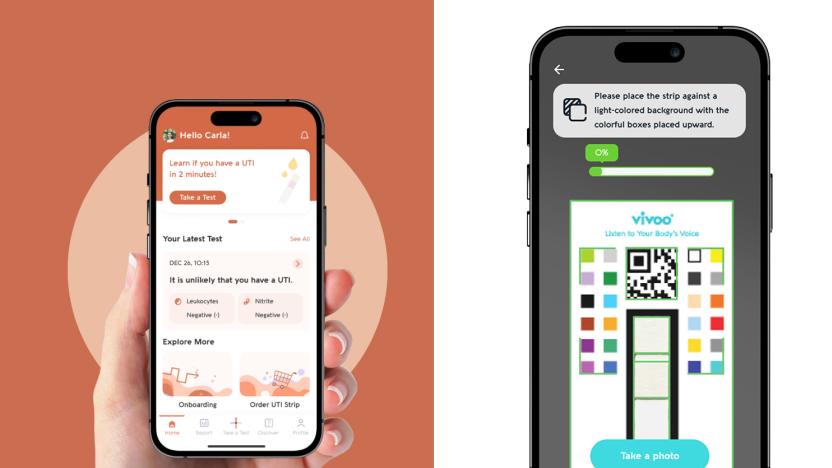
Vivoo's new at-home UTI test kit and app can tell you if you have a urinary tract infection
Follow last year's smart toilet announcement, Vivoo is at it again with another, even more sophisticated urine analysis product.
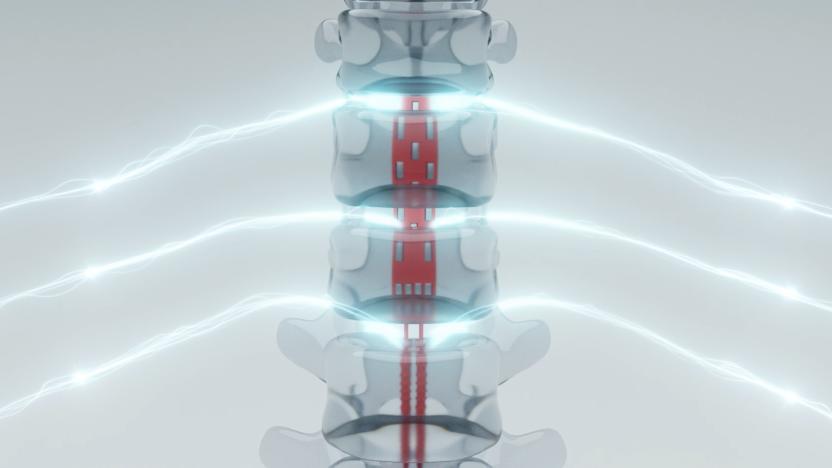
The ARC nerve-stimulation system could help quadriplegic patients move their arms again
Onward Medical passed another developmental milestone on Wednesday with the first successful successful use of its electrode array to restore function to a patient’s upper limbs.

Withings' $500 toilet computer wants to be WebMD for your pee
Withings' has already conquered scales and smartwatches, now it wants to put a diagnostic engine in your toilet.

Apple has reportedly considered launching its own primary healthcare service
Apple has reportedly considered a plan to launch its own subscription-based healthcare service, according to a report from the Wall Street Journal.
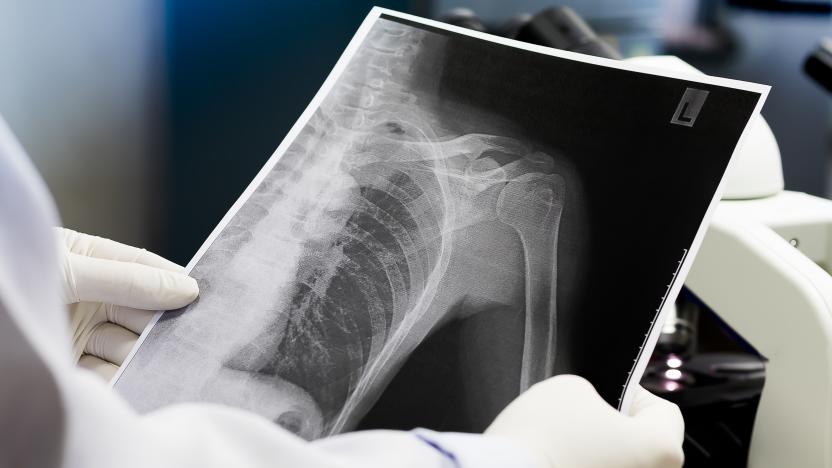
MIT AI system knows when to make a medical diagnosis or defer to an expert
MIT's machine learning system knows when to make a medical diagnosis and when to ask for human assistance.

Stanford researchers manage to put a particle accelerator on a silicon chip
In scientific pursuits, like the search for dark matter, researchers sometimes use high-power particle accelerators. But these giant machines are extremely expensive and only a handful of them exist, so teams must travel to places like the SLAC National Accelerator Laboratory in Menlo Park, California, where Stanford University operates at two-mile-long particle accelerator. This may change, though. Researchers believe they have developed an alternative: a laser-driven particle accelerator that fits on a silicon chip.

Ford GoRide Health shifts to autonomy and shuts down in five cities
It seemed like things were going well for Ford's GoRide Health, a service that offered non-emergency transportation to hospitals and other health care facilities. This spring, it outlined a plan to expand into 40 cities over the course of four years. Instead, Ford is shutting the service down in the five cities it currently operates. According to TechCrunch, Ford is relocating GoRide Health to Miami, where it will focus on autonomous vehicles.

Amazon Care is a new app-based health service for its employees
Amazon has unveiled Amazon Care, a new health service that offers employees virtual consultations with in-home follow-ups. According to the website, the services include an "in-app video visit with a doctor, nurse practioner or registered nurse... for advice, answers, diagnosis, treatment or referrals." Amazon Care can also send a nurse to visit the patient if any follow-up is required.

Millions of Americans' medical records are out in the open on the internet
If you've ever visited a private medical clinic, your records could be at risk. A new joint investigation published by ProPublica and German broadcaster Bayerischer Rundfunk found that the medical data of some 5 million patients in the US is easily obtainable with free software or just a simple web browser.

Google bans ads for unproven medical treatments
In an attempt to remain trustworthy, Google will no longer allow ads for "unproven or experimental medical techniques." Under the new Healthcare and medicines policy, the company will prohibit advertising for treatments that lack biomedical or scientific basis, including most stem cell therapies and gene therapy. That should cut down on ads for things like young blood transfusions and vampire facials.

Lyft offers non-emergency rides to Medicaid patients in Arizona
Lyft will offer rides to more people in need of them for health reasons, as it's signed up to become a Medicaid provider in Arizona. Non-emergency medical transportation rides will be covered for eligible patients. Lyft is also working on expanding the program to Medicare services in other states.

Color-changing fibers make compression bandages easier to use
Pressure bandages are typically used to treat medical issues around veins that don't return enough blood from your legs or arms. Compression stockings, for example, can help stimulate blood flow, but there's no way to know if the pressure being applied is optimal for the specific condition. Engineers at MIT have developed color-changing fibers that can be woven into pressure bandages to help solve this problem: the fibers change color according to how much the bandage is stretched.
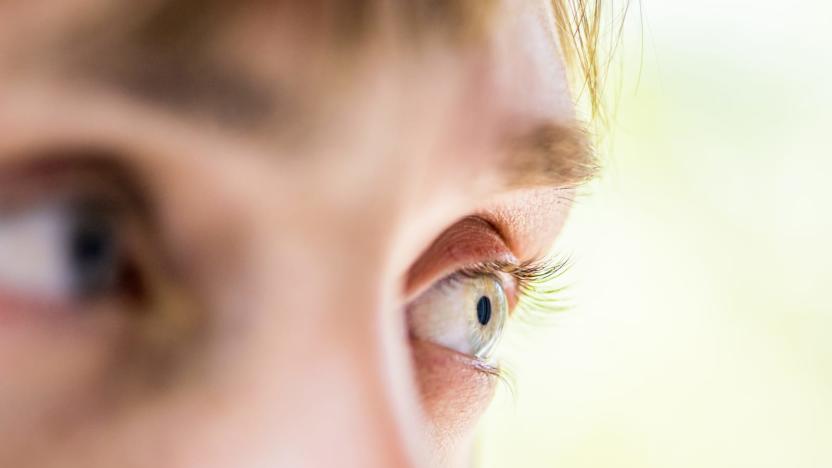
FDA approves AI-powered software to detect diabetic retinopathy
30.3 million Americans have diabetes according to a 2015 CDC study. An additional 84.1 million have prediabetes, which often leads to the full disease within five years. It's important to detect diabetes early to avoid health complications like heart disease, stroke, amputation of extremities and vision loss. Technology increasingly plays an important role in early detection, too. In that vein, the US Food and Drug Administration (FDA) has just approved an AI-powered device that can be used by non-specialists to detect diabetic retinopathy in adults with diabetes.

This robot therapy duck comforts kids with cancer
CES is flush with giant TVs, smart fridges and plenty of other superfluous nonsense. So it was a breath of fresh air when insurance company Aflac and a company called Sproutel showed up with a robot duck designed to comfort children with cancer. The My Special Aflac duck is, in many ways, not terribly different from other toy pets like Furby or an Aibo. It's cute, cuddly and packed with sensors that allow it to interact with you. Scratch under its chin and the duck will lift its head and let out an appreciative little quack. Find its ticklish spot under the wing and it'll shake about and erupt in laughter.
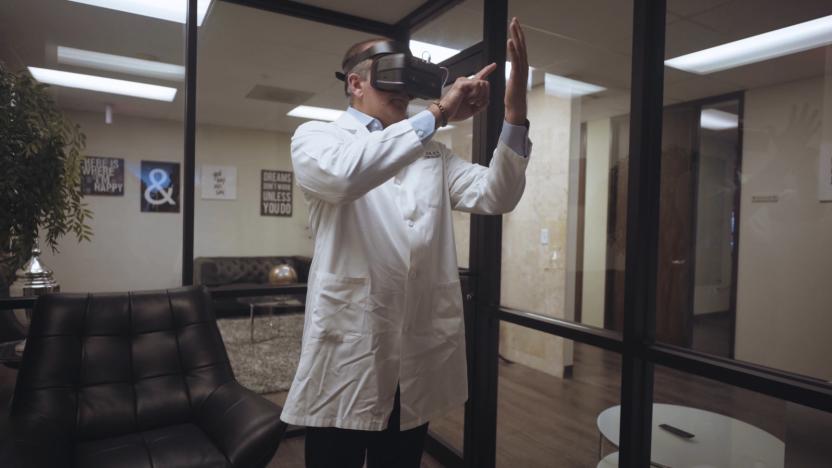
Qualcomm tries to find a place for VR in medical training
It's the "Wild West" age for virtual reality. The medium has gained traction as a canvas for storytelling and gaming, but hasn't yet been applied in many other fields. As the industry explores ways to use VR effectively, Qualcomm wants to make sure its Snapdragon VR platform helps shape that conversation. The company recently unveiled a VR medical training demo that it created with Dallas-based content publisher Forward XP and an advising physician to teach users how to tell when someone is suffering a stroke, using the popular F.A.S.T method.
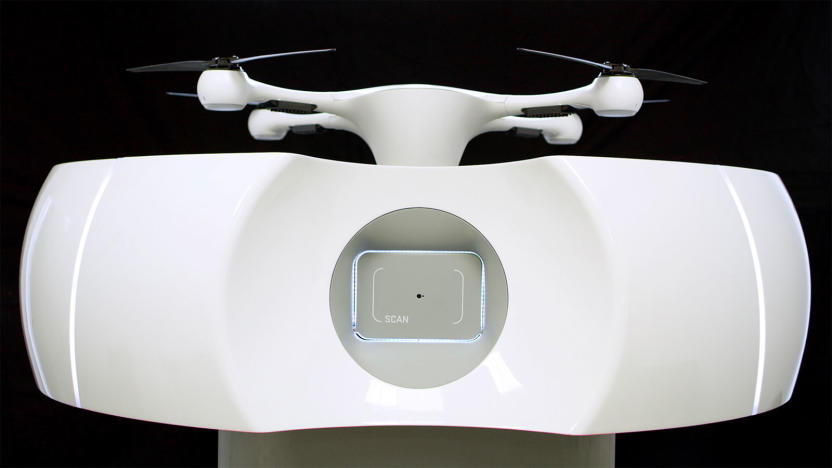
Autonomous delivery drone network set to take flight in Switzerland
Matternet has long used Switzerland as a testing ground for its delivery drone technology, and now it's ramping things up a notch. The company has revealed plans to launch the first permanent autonomous drone delivery network in Switzerland, where its flying robot couriers will shuttle blood and pathology samples between hospital facilities. The trick is the Matternet Station you see above: when a drone lands, the Station locks it into place and swaps out both the battery and the cargo (loaded into boxes by humans, who scan QR codes for access). Stations even have their own mechanisms to manage drone traffic if the skies are busy.
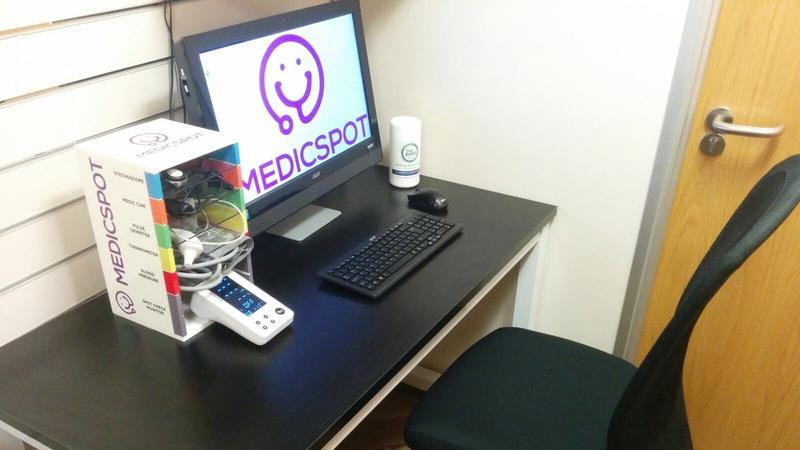
Visit a kiosk in the UK to diagnose your cold
We have app doctors that can help diagnose you from your phone and in the future, we very well might have AI physicians, but the UK is now offering another option -- medical kiosks. A company called MedicSpot has set up tiny clinics in pharmacies across the UK that virtually connect you to a real physician and are stocked with all of the necessary equipment for an examination. The mini clinic has a blood pressure cuff, stethoscope, pulse oximeter, thermometer and a camera that can give the doctor a look into your throat and ears. The doctor can even write you a prescription if need be.
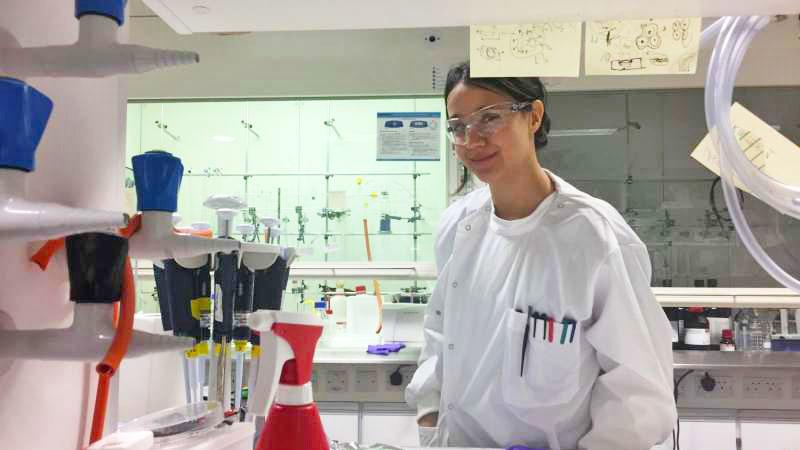
Soft, synthetic retinas may offer a better implant solution
Scientists have been trying to replace retinas in otherwise healthy eyes to help people suffering from diseases like retinitis pigmentosa. Unfortunately, earlier efforts were only able to use rigid, hard materials, which are very different from the natural retina. A researcher at Oxford University, however, has created a synthetic retina made of biological materials to better match natural human tissues. The study, titled "Light-Patterned Current Generation in a Droplet Bilayer Array" was published this April in Scientific Reports.

This prosthetic arm is powered by Bluetooth and your mind
Robotic limbs aren't a new technology, though the range of motion and strength of such limbs continue to improve. Controlling prosthetics with your mind is another area of refinement, but they're typically connected directly to a patient's brain. A new technique where the robotic arm clicks directly to the bone, however, is showing promise. Johan Baggerman is the first patient in the Netherlands to get a click-on prosthetic arm that he can control with his mind.

Google now tells you why you're feeling sick
Google made improvements to how you search for symptoms and illnesses in the past, and now it's looking to be even more helpful. The company will now show you a list of medical conditions when you search for symptoms. In the above example, entering "headache on one side" will bring up a group of related conditions that include headache, migraine, common cold, sinusitis and common cold. When you search for something less specific -- like just "headache" -- Google will serve up information on the issue alongside some self-treatment options that might keep you from having to go to the doctor.


