Senate
Latest

Discord overhauls its mobile app with new tabs, messaging features and more
It also introduced a Midnight theme for a pure black background.
Meta, X, TikTok, Snap and Discord CEOs will testify before the Senate over online child safety
Not every company is participating voluntarily.
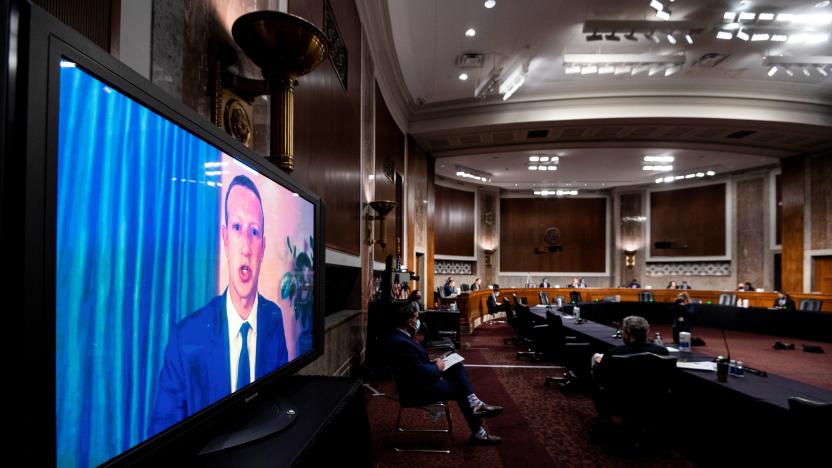
Tech CEOs are set to testify in a Senate online child sexual exploitation hearing in December
The Senate wants the CEOs of Meta, TikTok, X, Discord and Snap to testify at an online child sexual exploitation hearing in December.
US Senate begins collecting evidence on how AI could thwart robocalls
Witnesses called for greater action from the FCC and other government agencies.

The US Senate wants answers over Starlink's Ukrainian satellite internet denial
The US Senate is investigating Elon Musk's decision to not extend Starlink satellite internet coverage to enable a Ukraine attack on Russian warship near Crimea.

AI tech leaders make all the right noises at cozy closed-door Senate meeting
Twenty leaders from tech and civil society descended upon the Senate's AI Forum Wednesday to discuss the future of AI regulation.

House and Senate bills aim to protect journalists' data from government surveillance
House and Senate bills would bar the government from taking journalists' data in a bid to reveal sources.

Senate bill would hold AI companies liable for harmful content
A Senate bill would prevent AI companies from using Section 230 to avoid liability for content.
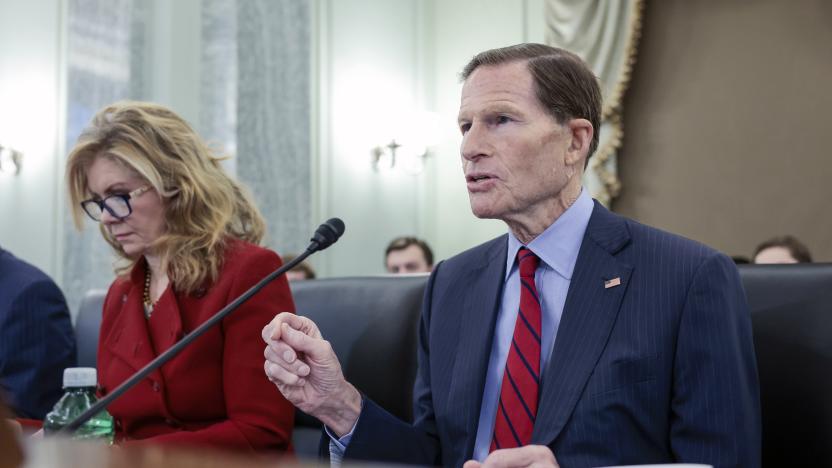
Bipartisan Senate group reintroduces a revised Kids Online Safety Act
US Senators Richard Blumenthal (D-CT) and Marsha Blackburn (R-TN) reintroduced a bill today that would put the onus on social media companies to add online safeguards for children. The Kids Online Safety Act (KOSA) was first introduced last February (sponsored by the same pair) but never made it to the Senate floor after backlash from advocacy groups.

Senators reintroduce bill to protect personal data online
A revived Senate bill could help protect our online data, but only if it survives Congress.
Senate bill would give Commerce Secretary the power to ban TikTok as a 'security threat'
A bipartisan group of senators is introducing a bill that would let the Commerce Secretary ban TikTok and other services if they're deemed security threats.
New Senate bill aims to better protect health data after Roe reversal
The UPHOLD Privacy Act aims to block companies from selling personally identifiable health data for advertising purposes and ban data brokers from buying and selling precise location data.
Bipartisan bill would require that social networks have 'clear' content policies
Senators have introduced a bill that would make social networks provide clearer content moderation policies.
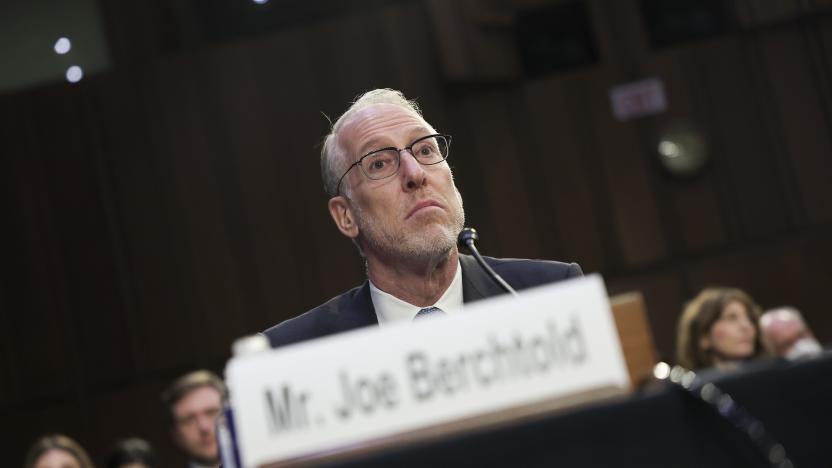
Ticketmaster knows it has a bot problem, but it wants Congress to fix it
Live Nation president and CFO Joe Berchtold defended Ticketmaster and called on Congress to act to prevent another Taylor Swift fiasco.
US Senate approves bill to ban TikTok on government devices
The No TikTok on Government Devices Act that was introduced by Senator Josh Hawley (R-Missouri) has just crossed a major milestone.

Congress introduces bill to ban TikTok over spying fears
Politicians in the House and Senate have put forward bills to ban TikTok over worries China could use it to spy on Americans.

How to watch the FTX Congressional hearings
Following his arrest in the Bahamas, it's not clear whether FTX founder and former CEO Sam Bankman-Fried will appear at the House of Representatives hearing.
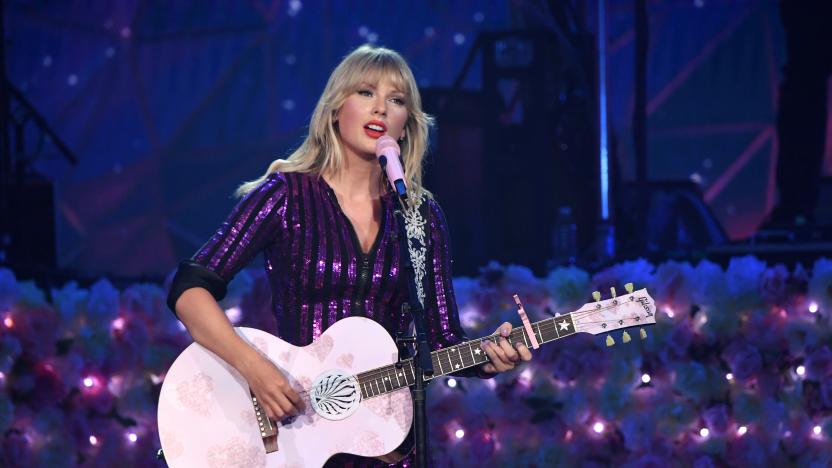
Ticketmaster’s Taylor Swift fiasco sparks Senate antitrust hearing
'When there is no competition to incentivize better services and fair prices, we all suffer the consequences,' Senate Antitrust subcommittee chair Amy Klobuchar said.
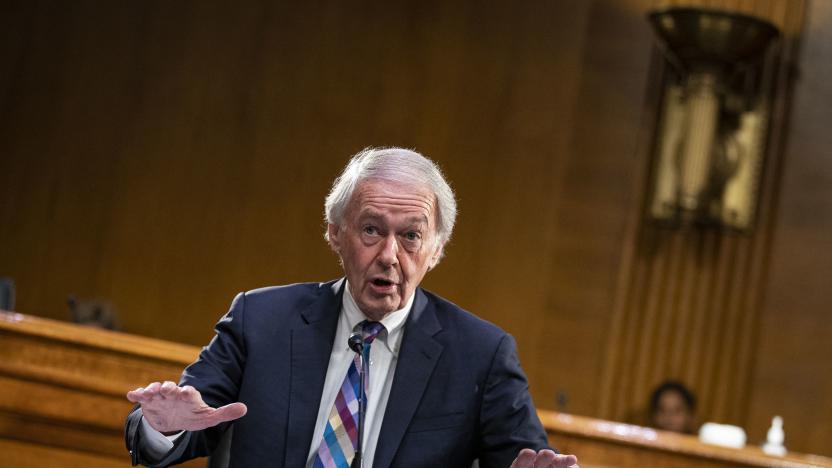
Senator Markey demands answers from Elon Musk over Twitter impersonators
Senator Ed Markey has sent a letter to Elon Musk asking him to explain why it's now so easy to impersonate someone on Twitter.
Congress is looking into Twitter whistleblower’s claims of lax security
Senate committees are holding talks with the company's former security chief.


