0
What happens to an EV battery after it's removed from your car?
EV batteries don't last forever, and once they get past the point of repair, there are a few ways that they can still serve a useful purpose.
Read More

EV batteries don't last forever, and once they get past the point of repair, there are a few ways that they can still serve a useful purpose.
Read MoreRear-mounted cameras have been a game changer for drivers and road safety overall, but be aware that there are different options and purposes for them.
Read MoreNASA's Perseverance Mars rover just broke the record for the farthest distance traveled by any vehicle on another world.
Read MoreThe Abu Dhabi government wants to incorporate wearables data into its public health app.
Read MoreSpaceXSI has announced a new subscription scheme that gives you access to Grok, Grok Bot, Cursor and X Premium.
Read MoreYour old hard drives still have some life left in them.
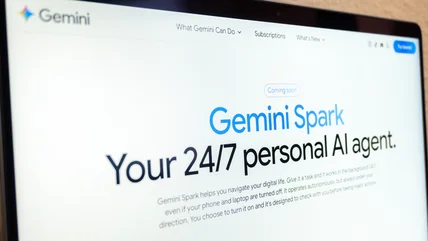
Read MoreSpark is Google's AI tool that can perform tasks on your behalf.
Read MoreBlurry iPhone photos can come down to more than just a dirty lens. Here's how to expertly sharpen your shots and fine-tune your camera settings.
Read MoreThe models add "active memory" and "active focus" abilities.
Read MoreXandr has three weeks to appeal the record penalty.
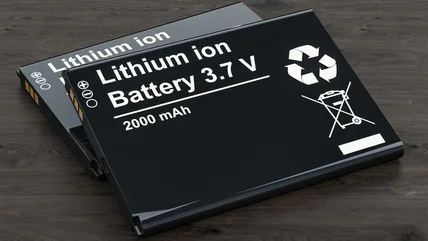
Read MoreAlkaline and lithium-ion batteries serve very different purposes. Here’s how they compare on lifespan, cost, rechargeability, and everyday use.
Read MoreEVs are improving their range all the time, but you're looking to maximize your car's miles, right? Certain things will drain your battery most quickly.
Read MoreSadly we won't be seeing whatever this car inspires stateside.
Read MoreA little car with decent mileage per charge.
Read MoreRaspberry Pi boards have helped hobbyists get computing projects started for very little money down. However, knowing how much memory is needed can be tricky.
Read MoreThere are a few settings to check if you're having issues with your map's location accuracy.
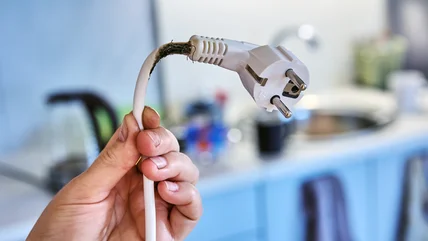
Read MoreAn extension cord may seem like a permanent solution to a problem, but they aren’t designed for long-term use, so leaving them plugged in can have consequences.
Read MoreThe iPhone Duo’s foldable design changes what accessories fit. Here’s what to know about cases, chargers, screen protectors, mounts, and more.
Read MoreDespite the fact that it functions using a basic camera-and-radar system, adaptive cruise control has proven to have significant influence over driving habits.
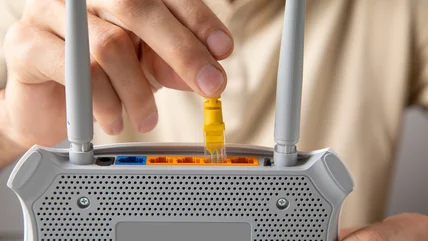
Read MoreEthernet cables are popular among PC gamers and people who favor a wired connection. However, they can get stuck, and this is what you can do if that happens.
Read MoreMagnetic Connect and MagSafe for MacBooks have a lot in common, but the Magnetic Connect charger brings more versatility.
Read MoreWhatsApp is finally allowing message scheduling, a feature that's been available on Telegram since 2019.
Read MoreMilk can't hack companies and governments like AI definitely can, but it's still subject to more regulation.
Read MoreForeign phones can bring new features not often seen in the US, but you need to make sure they're compatible with your carrier.
Read MoreMeta and OpenAI's new AI agents are in direct competition. Here's what each can do, what they cost and who has access.
Read MoreFlip phones endured in Japan longer than the US, but the trend is shifting.
Read More