trial
Latest

Samsung heir Jay Y. Lee is going back to jail for bribery
Samsung heir Jay Y. Lee has been sentenced to 2.5 years of prison over bribery charges, wrapping up a court battle that started four years ago.
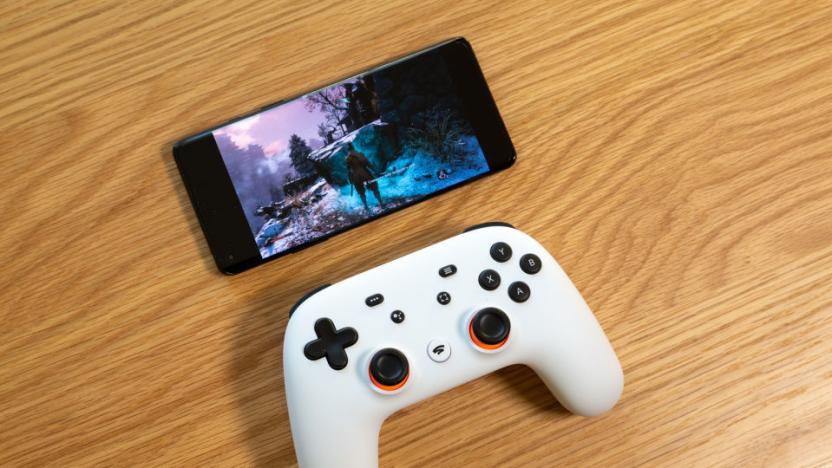
Google's latest Stadia push is a commitment-free 30-minute trial
Google is working hard to push Stadia as hard as it can. The latest innovation is to offer commitment-free trials for half an hour.
DOJ antitrust case against Google may not go to trial until 2023
DOJ antitrust case against Google may not go to trial until 2023
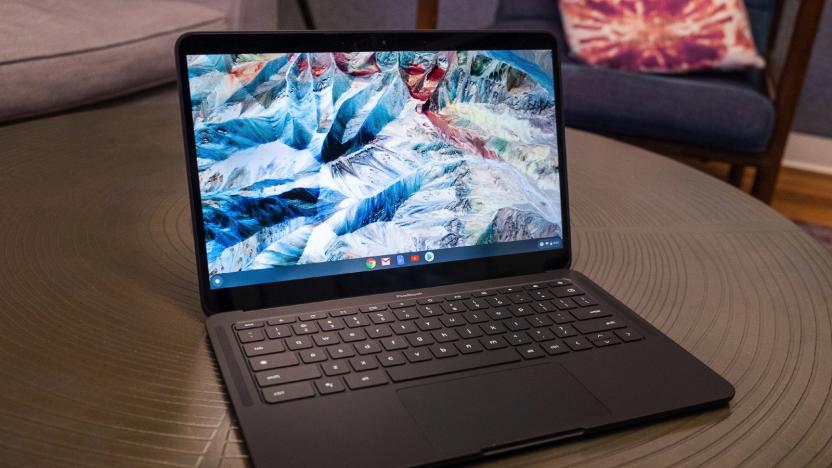
Chromebook users get three free months of Stadia Pro
Google is offering a three-month trial of Stadia Pro to Chromebook owners in a bid to grow its cloud gaming service.

Texas embraces a virtual jury trial amid coronavirus concerns
A Texas court is conducting what officials believe is the first virtual jury trial.

Microsoft's Project xCloud preview extends to iOS devices
After first launching in preview on Android phones, Microsoft's Project xCloud is making its way over to iOS devices. Starting today, iPhone and iPad owners can check out the game streaming service through Apple's TestFlight platform.
AI-formulated medicine to be tested on humans for the first time
A drug designed entirely by artificial intelligence is about to enter clinical human trials for the first time. The drug, which is intended to treat obsessive-compulsive disorder, was discovered using AI systems from Oxford-based biotech company Exscientia. While it would usually take around four and a half years to get a drug to this stage of development, Exscientia says that by using the AI tools it's taken less than 12 months.
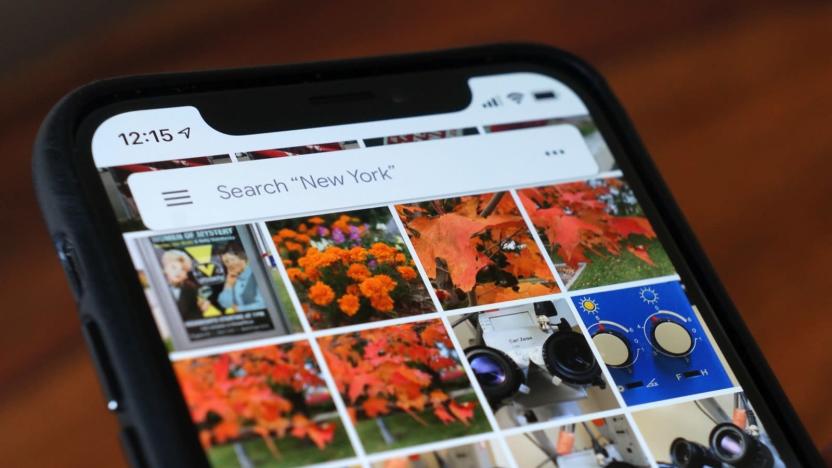
Google Photos test subscription prints your best pictures every month
Online photo services with printing options usually revolve around on-demand printing for special occasions, but Google appears to be trying something different: printing photos every month no matter what you've taken. A 9to5Google tipster has revealed a Google Photos test subscription service that automatically selects your 10 best pictures for printing each month. You just tell Google whether you want to focus on faces (including pets), landscapes or a "little bit of everything" -- so long as you're willing to pay $8 per month, you'll get a collection of related 4x6 prints on matte cardstock. You can edit images before committing to the print process.
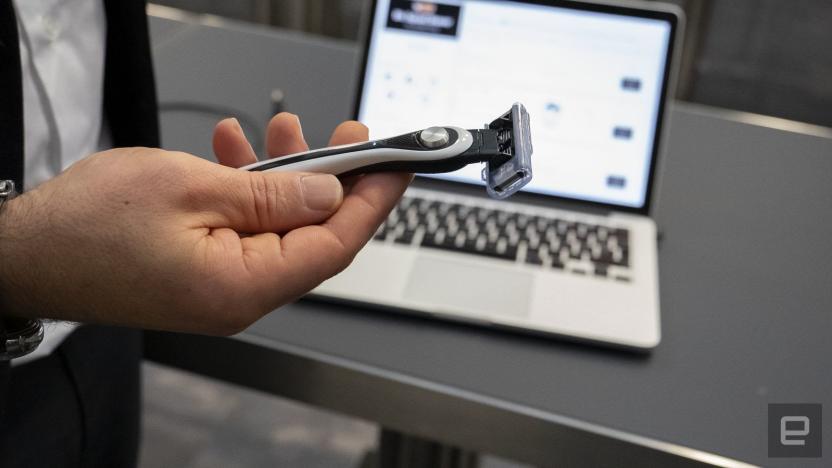
Bic aims to give you a better shave via its connected razor
Bic wants to design better razors via a new prototype of a connected wet shave called the Next Bic Thing. It looks like a normal five-bladed shaver and handle, but it can capture tons of shaving data, including temperature, humidity, hair density, shaving speed, number of strokes, time spent shaving, blade dullness and even water use. Using this data, Bic will build next-gen shavers that are "perfectly adapted to today's users based on these advanced consumer insights," the company said.

Netflix UK offers the first episode of 'The Crown' season 3 for free
As the so-called streaming war intensifies, companies have to seek out new ways to attract subscribers to their platforms -- and Netflix thinks offering freebies might be the way to go. When season three of smash hit period drama The Crown hits UK Netflix on November 17th, the first episode will be available for free.

Microsoft starts inviting people to try Project xCloud
Microsoft is starting to invite players to test out its Project xCloud game streaming service. It said last month it would open up a public preview of the platform in October, allowing players to stream games to their Android devices. Now, it's starting to send out invitations to those eager to try it, with Halo 5: Guardians, Gears 5, Killer Instinct and Sea of Thieves available to play.

Elon Musk painted as 'thin-skinned billionaire' in court documents
The fallout from Elon Musk's ill-advised "pedo guy" comments -- made last year about British cave rescuer Vernon Unsworth -- is not going away. In new court documents, Unsworth didn't hold back when it came to his opinion of the South African tech billionaire, accusing him of orchestrating "a malicious, false and anonymous leak campaign in the UK and Australian press."
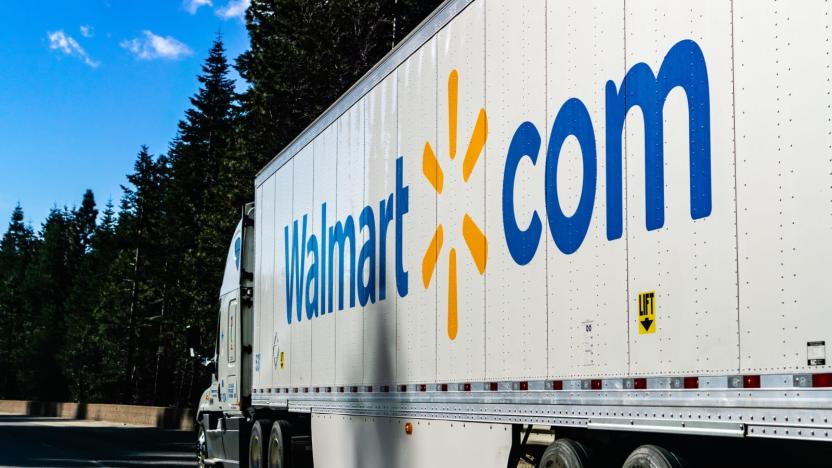
Walmart takes its $98 Delivery Unlimited service nationwide
Walmart began trialling its Delivery Unlimited service -- its grocery-based take on Amazon Prime -- at select locations earlier this year. Now, the company is rolling it out to a further 1,400 stores across all 200 metro areas where regular grocery delivery is already available. Walmart aims to have more than 50 percent of the country covered by the end of the year.

T-Mobile will let you test drive its network for 30 days
T-Mobile is hoping to attract new customers by offering a free test drive program of its network. The process is relatively simple. Sign up online and you'll get a free Coolpad Surf Device hotspot in the mail. Connect to the hotspot via wifi and use it for 30 days or 30GB, whichever comes first. Once you're done, drop it off at any T-Mobile location.
Reddit experiments with livesteaming
Over the weekend, rumors and speculation began circulating on Reddit. Users were wondering what cryptic messages on r/pan, a new Reddit community, could mean. Today, Reddit pulled back the curtain. It announced Reddit Public Access Network (r/pan), a weeklong experiment, in which users can post livestream videos. The lessons Reddit learns from this experiment will likely help it develop a permanent livestreaming option in the near future.
Some AT&T unlimited subscribers will get Spotify Premium for free
AT&T is adding a new streaming option to its Unlimited & More Premium wireless plan: Spotify Premium. AT&T customers with the Unlimited & More Premium plan are now eligible for Spotify Premium at no additional charge. Other select AT&T customers can sign up for a six-month free trial of the streaming service, after which they'll be able to purchase a Spotify Premium plan for $9.99 per month.

CES 2020 will allow sex tech on a trial basis
At least one sex tech product caused a stir at CES last year. As you might remember, the company Lora DiCarlo had a Robotics Innovation Award for its Ose "blended-orgasm machine" revoked and then reinstated. This year, likely hoping to avoid another debacle, the Consumer Technology Association (CTA) says it will allow tech-based sex products.
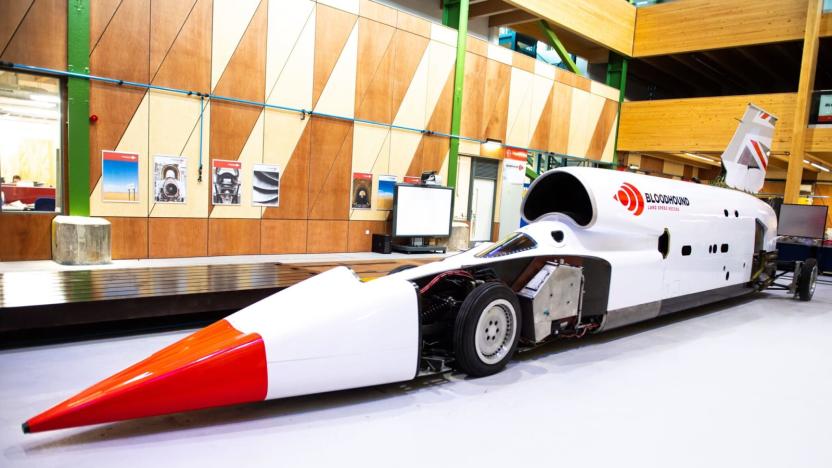
Bloodhound will test its supersonic car in Africa this October
The Bloodhound supersonic car project might be all about getting from A to B as quickly as possible, but its journey to date has been anything but streamlined. Since the project was announced in 2008, it's been besieged with obstacles, and last year came within a hair's breadth of shutting down completely. Now, though, it's back on track, and its team has announced a new testing timeline.

The Elizabeth Holmes Theranos trial will start next summer
After the scandal, the book, the podcasts and the documentary, the Theranos debacle is finally going to court -- in 2020. U.S. District Court Judge Edward Davila set the start date of co-founder Elizabeth Holmes' criminal trial for August 4th of next year, with jury selection kicking off the week before. She's been indicted -- along with Theranos president Ramesh "Sunny" Balwani -- on 11 counts of wire fraud and conspiracy to commit wire fraud. After the SEC announced charges last year Theranos finally announced it would shut down, well after it was exposed in 2016 for promoting "fingerprick" blood test technology that didn't work as promised and it largely wasn't using. In pretrial motions, lawyers representing Holmes targeted communications between regulators and a Wall Street Journal reporter and Bad Blood author John Carreyrou. Bloomberg reports they claimed he "was exerting influence on the regulatory process in a way that appears to have warped the agencies' focus on the company and possibly biased the agencies' findings against it."

YouTube uses AR to let you try on makeup during tutorials
There's no question YouTube's beauty bloggers have some of the largest followings, and the platform has become an important place for even the biggest makeup brands to debut their products. Now, Google's AR Beauty Try-On feature will let YouTube users virtually try on makeup while watching tutorials and reviews.


