25
The Slate Truck is cheap, but its battery range can't compete
Slate's electric truck is built specifically for affordability and efficiency, which means it comes with compromises. One of the biggest could be its battery.
Read More

Slate's electric truck is built specifically for affordability and efficiency, which means it comes with compromises. One of the biggest could be its battery.
Read MoreThe president said he will soon announce an "AI czar" to run this newly made-up agency.
Read MoreThis move represents the first step in the CEO’s plan to slow down AI development.
Read MoreNewsom’s executive order calls for an expert panel to develop new AI safety measures.
Read MoreWhen using Apple's CarPlay, it will automatically connect to the first iPhone it was paired with. Here's how to get it to connect to a different device.
Read MoreThese ports are often part of a built-in USB hub, letting you keep desk accessories connected to the monitor instead of occupying ports on your computer.
Read MoreYou can upgrade an older car with modern tech to enable Bluetooth, CarPlay and more. Your options depend on your car and what you need most.
Read MoreUnwanted calls and texts are a part of modern-day life, but you can block and unblock numbers that are repeat offenders.
Read MoreThe AP30 Music Boy is just the latest example of "dumb" tech's resurgence.
Read MoreIf your PC is slowing down or not behaving as usual, it's worth running through these tips to see if you have malware.
Read MoreGoogle's AI model hacked real companies during testing due to a misconfiguration by its testing partner, as well.
Read MoreSmart home automation is more versatile than ever with Home Assistant and a Raspberry Pi. Check out what they can do.
Read MoreActive noise cancellation makes headphones much better, but you should know how it works and what the drawbacks are as well.
Read MoreStuck pixels don't have to be a death sentence for your laptop, as there are several options that can bring them back to life.
Read MoreCNN's sources claim the US nearly attacked a Chinese ship it believed was carrying nuclear weapon components.
Read MoreIn a new lawsuit, the labels argue Suno found a roundabout way to train its v6 models on unlicensed music.
Read MoreThe BlackBerry-like phone also got a spec bump and an impending price hike.
Read MoreWhat's a little IP theft between friends?
Read MoreGreat news for the Ellisons and Saudi Arabia. Everyone else: not so much!
Read MoreAnthropic now has its own bio research lab in San Francisco.
Read MoreExecutives from OpenAI and Microsoft were reportedly worried about ChatGPT training that scraped millions of news articles.
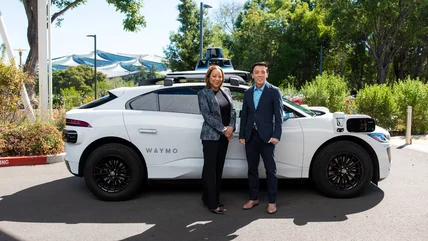
Read MoreWaymo has announced its next international location: Singapore.
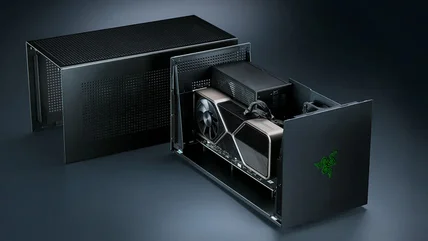
Read MoreYou're probably better off buying a basic gaming PC than messing with an eGPU.
Read MoreCC gives an AI agent its own Google account in your family or group and sends all members a daily briefing.
Read MoreThe company shared the stat alongside three measurements that help communicate the pace of AI development.
Read MoreThe FAA says the 4,470 laser strikes recorded so far this year is "still too high."
Read MoreA distribution loophole lets scammers collect royalties uploading fake songs to profiles for real bands.
Read More