VoIP
Latest
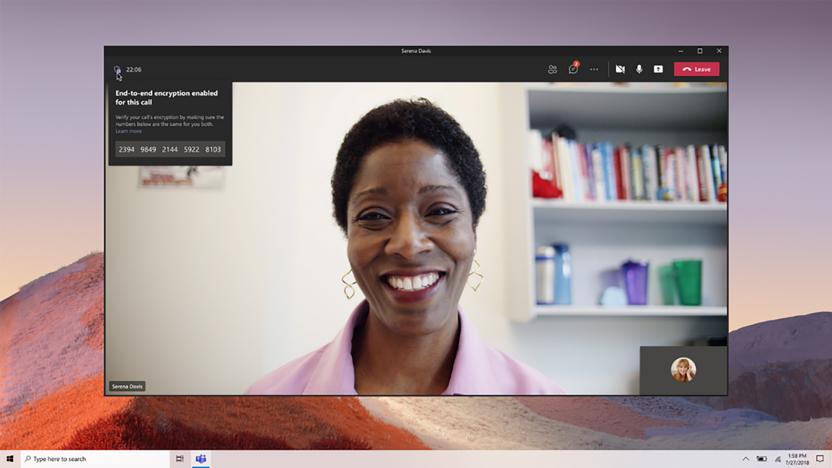
Microsoft Teams adds end-to-end encryption for one-on-one calls
Microsoft Teams now has end-to-end encryption for calls, but only for one-on-one sessions right now.

The Gmail app will soon make voice and video calls
Calling support is coming to the Gmail app, letting you talk to other Google users through Meet.

Google Voice and Google Fi finally work with the same account
Google Voice and Google Fi can finally coexist on the same account.

FCC, FTC give providers 48 hours to block COVID-19 scam robocalls
The US government's quest to fight robocalls is taking on added urgency in light of the COVID-19 pandemic. The FCC and FTC have demanded that gateway providers cut off COVID-19-related scam robocalls of overseas origin within 48 hours or else face "serious consequences." Other phone companies will have permission to block all traffic from those providers if they don't heed the warning, the agencies said.

Lebanon plans to charge a fee for internet voice calls
If you're planning a trip to Beirut, you might want to think carefully about starting an internet phone call. Lebanon's cabinet has agreed to implement a 20-cent daily fee for VoIP calls across a range of services, including FaceTime Audio and WhatsApp. The government believes it needs the cash -- it recently declared an "economic emergency" as it raced to secure funding and eliminate debts, and the internet calling fee is estimated to rake in a substantial $200 million per year.

Apple might force Facebook to change how its apps handle voice calls
A change coming in iOS 13 could force Facebook to change Messenger and WhatsApp. As The Information reports, Apple will no longer allow these apps to run Voice Over Internet Protocol (VOIP) in the background when it's not in use. At the moment, apps like Messenger and WhatsApp run VOIP continuously in order to connect calls faster, but doing so could also allow them to do other things, like collect user data. According to The Information, Facebook may have to redesign its messaging apps in order to comply.

FCC chair: 911 call operators should be able to track VoIP calls
Location tracking can sometimes mean the difference between life and death when it comes to 911 calls. If you ring the emergency services with a cell phone using your provider's network, the call handler is able identify where you are, and ensure help is sent to the right place. Now, the chairman of the FCC says the same function should be enabled on VoIP calls.

Google Duo video calls are available on the web
Google is still making good on its shift in messaging strategy -- the internet pioneer has quietly rolled out Duo audio and video calls on the web in the US. So long as you've signed in to your Google account (no phone number checks or QR codes here), you can start and receive calls while you're sitting at your PC. This browser-based version still supports creature comforts like a preview window for video chats and can adapt to different video sizes.

Man sentenced to 65 months in prison over phone 'cloning' scheme
The US is tying loose ends on an elaborate cellphone crime spree. A Florida judge has sentenced Braulio De la Cruz Vasquez to 65 months in prison after he pleaded guilty to charges he worked with four co-conspirators (who've already pleaded guilty) as part of a ring that would 'clone' phones and use them for international calls. De la Cruz would receive identifying information linked to wireless subscribers' accounts and use that to "reprogram" cellphones he controlled. After that, his partners would send international calls to his home internet connection and route them through the hijacked phones, making the unwitting victims pay for others' calls.
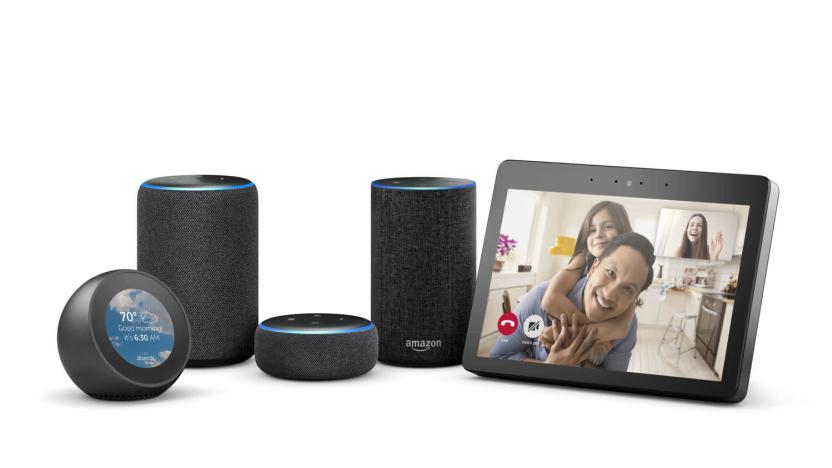
Alexa can now make Skype calls
Starting this week, you'll be able to make Skype calls on your Alexa devices. Basically the entire line of Echo devices will have the ability to make voice calls via Microsoft's VoIP platform. The Echo Show and its tablet-style screen will also be able to make and receive video calls.

Uber adds VoIP calling option to its app
Uber now allows riders and drivers to communicate over voice over internet protocol (VoIP) in addition to SMS texts, in-app messaging and regular phone calls. The Verge reports that Uber announced the global availability of the VoIP feature at a conference in San Francisco today. The ride-hailing firm has also confirmed the feature to Engadget.

Telegram desktop app leaked internet addresses when starting calls
Telegram has a reputation for privacy and security (much to the chagrin of some governments), but it's not immune to gaffes. Security researcher Dhiraj Mishra discovered that Telegram's desktop app was leaking both public and private IP addresses during voice calls due to its peer-to-peer framework. Where mobile users could turn off peer-to-peer calls and keep their information secret, you had no choice but use the technology on the desktop. That could open you to attacks or disclose your location regardless of how careful you might otherwise be.

Microsoft will end support for classic Skype in November
Microsoft's reprieve for classic Skype users didn't last long. In an update to its earlier blog post, the Skype team revealed that it will end Skype 7 support for desktop users on November 1st, and mobile users on November 15th. These older versions might keep working "for a little while," but the developers suggest that you upgrade to Skype 8 to avoid any disruptions.
Skype chats are coming to Alexa devices
Aside from all of the Alexa-connected hardware, there's one more big development coming for Amazon's technology: integration with Skype. Microsoft and Amazon said that voice and video calls via the service will come to Alexa devices (including Microsoft's Xbox One) with calls that you can start and control just by voice. Last year the two companies announced plans to make Alexa and Cortana work together and it's taken a while to arrive, but now it's here. Amazon's push to make people buy more things via its assistant could provide a boost to Microsoft's aspirations of product integration in a way that didn't happen after the launch of the Xbox One and Kinect, which already featured voice control for Skype before Cortana and Alexa were on the scene.

Skype's podcast-friendly call recording is now available
The Skype team is acting on its promise to make life easier for podcasters and other content creators. Call recording is now available in the latest version of Skype except for Windows 10, which will see an upgrade in the "coming weeks." The clips you record will live in the cloud for 30 days -- you can forward them to others or save them for posterity.
Skype drops Snapchat-like feature since people weren't using it
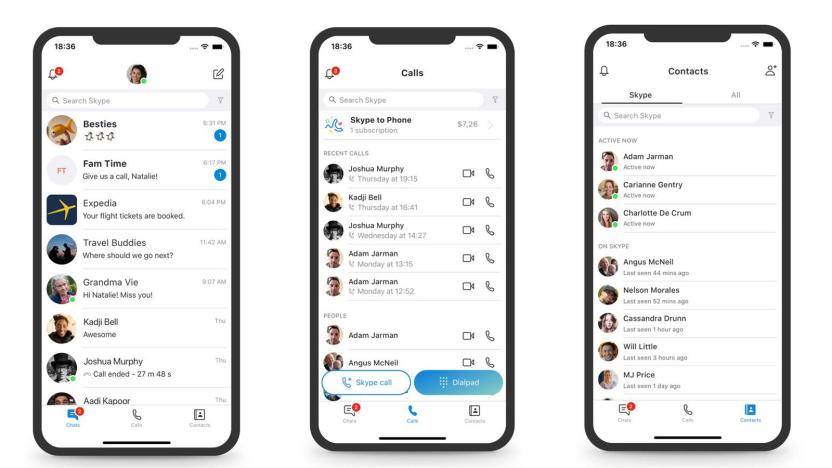
Microsoft's about-face on Skype now extends to one of its not-so-subtle attempts to ride the social media bandwagon. As part of a broader app update, Microsoft has revealed that it's axing its Snapchat-like Highlights feature for mobile users in a bid to focus on core features like calls and chats. Simply put, people weren't using it -- the Stories-style posts "didn't resonate with a majority of users," the Skype team said. You'll have until September 30th to download your own Highlights if you want to preserve them for posterity.
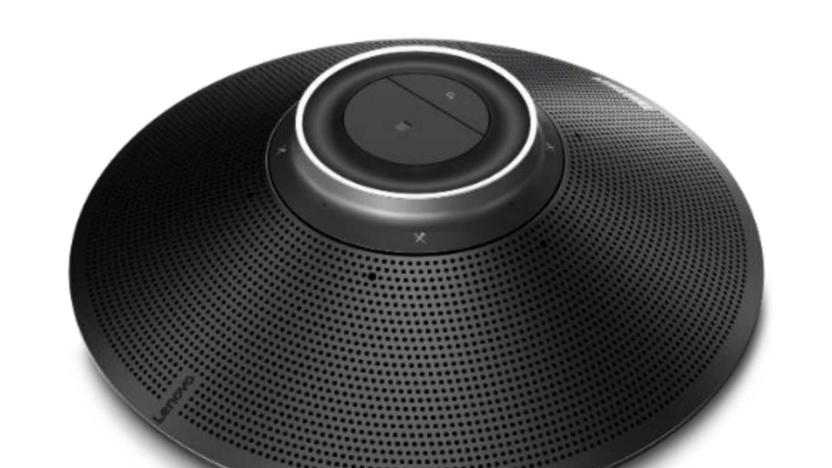
Lenovo's UFO-like hub brings Dolby audio to conference calls
Business meetings can be dreary at the best of times, but that's made worse by the flakiness of modern technology. Between hard-to-hear remote callers and a lack of consistent file sharing, it could be hard to sustain what little interest you have. Give Lenovo some credit for trying to fix this sad state of affairs, though -- it's introducing the ThinkSmart Hub 700, a flying saucer-shaped mini PC that serves as the cornerstone of office chats. It promises a big boost in audio quality, for starters -- it revolves around a four-speaker Dolby Audio system that should help your Skype (or Zoom, or BlueJeans) conference calls.

Apple clamps down on calling apps in China to obey local laws
China has been giving Apple grief over more than VPN apps, it seems. The 9to5Mac team has obtained messages telling iOS developers to remove CallKit (a framework that uses an Apple-made calling interface for other apps) from their apps if they want to continue offering those apps in China. The move reportedly followed "newly enforced regulation" from the country's Ministry of Industry and Information Technology, although the message isn't specific about the law. We've asked Apple for more details.
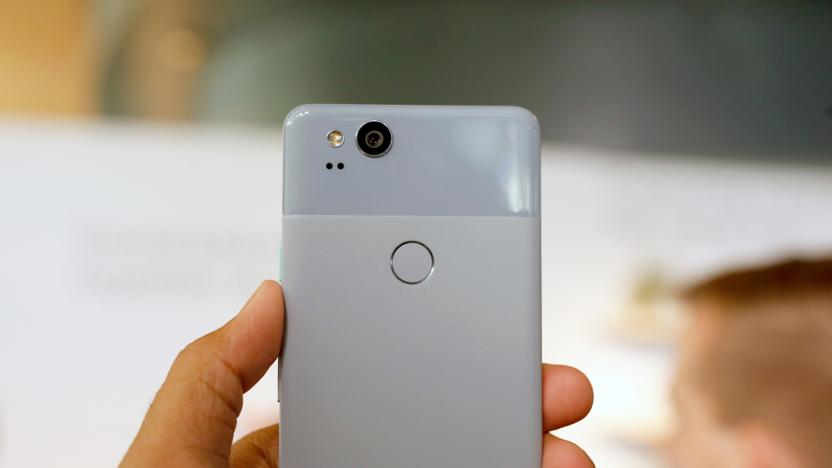
Google Voice opens up testing for data-only VoIP calls
Google Voice has long been helpful for receiving phone calls regardless of the device you're using. That's assuming you want a conventional call, though -- it can be a pain if you're traveling and face roaming charges, or in those moments when you want to start a call away from your phone. Relief is at hand, however, as Google has started enlisting users to beta test for a data-only calling option. Sign up and you can soon use cellular data or WiFi for calls from Voice on Android or the web (iOS is coming), whether or not you're using a phone.

Skype is now optimized for lower-end Android phones
It's not just Facebook and Google trimming apps to help them run on lower-end smartphones. Microsoft is rolling out a new version of Skype for Android that reduces the memory and storage demands on devices running Android 4.0.3 through 5.1, improving audiovisual quality and overall speed for those devices. It should be more tolerant of flaky network connections, too. The updated app will be available worldwide in the "coming weeks."


