web
Latest
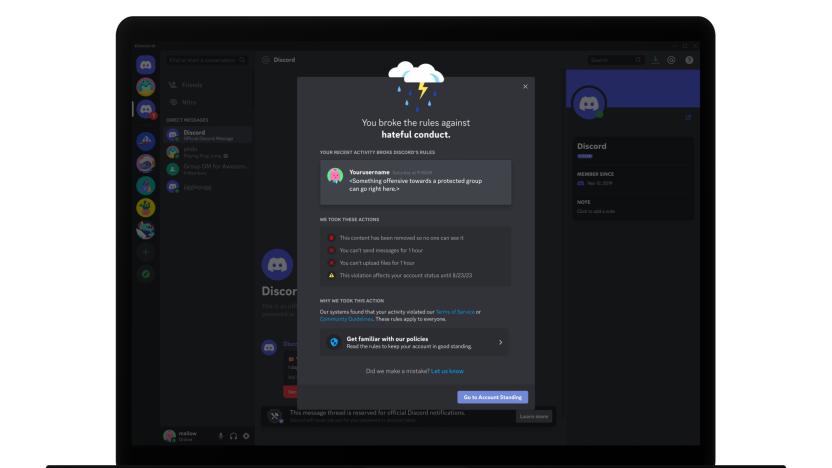
Discord’s latest teen safety blitz starts with content filters and automated warnings
Starting today, Discord is rolling out new automated safety alerts and content filters it claims will better protect teen users. The company’s Teen Safety Assist initiative comes after a recent report found at least 35 cases over six years where US prosecutors accused adults of allegedly using Discord to groom, kidnap and sexually assault children.
The Threads web app could arrive this week
Threads by Instagram will get a web version as soon as this week.
Brave's privacy-focused search engine can now find images and videos
Brave's privacy-minded search engine can now find images and videos.

The Arc personalized web browser is now available to everyone
Arc's browser lets you personalize any website, and now it's available to everyone.

Elon Musk says Twitter’s ad revenue has dropped by 50 percent
In the early hours of Saturday morning, Musk tweeted Twitter was suffering from an ongoing negative cash flow issue due to an approximately 50 percent drop in advertising revenue and heavy debt burden.
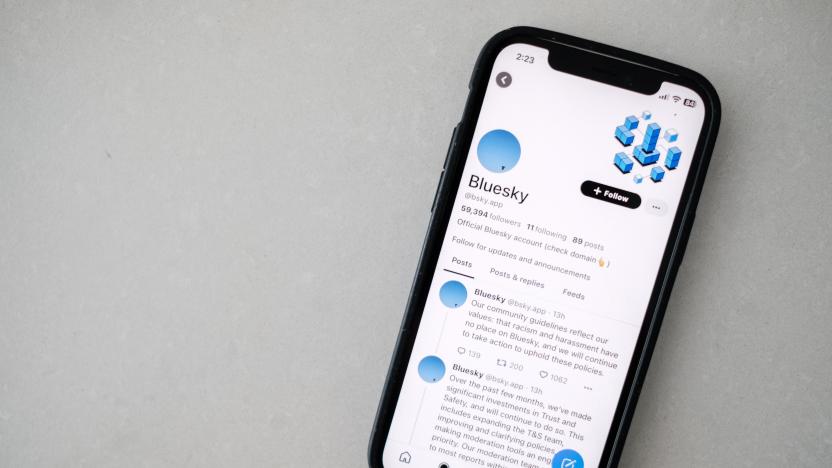
Bluesky allowed people to include the n-word in their usernames
Before this week, Bluesky did not have an automated system in place to prevent people from including the n-word in their handle.

The old, good version of TweetDeck is back
Overnight, some Twitter users noticed that the old TweetDeck was back and working again.
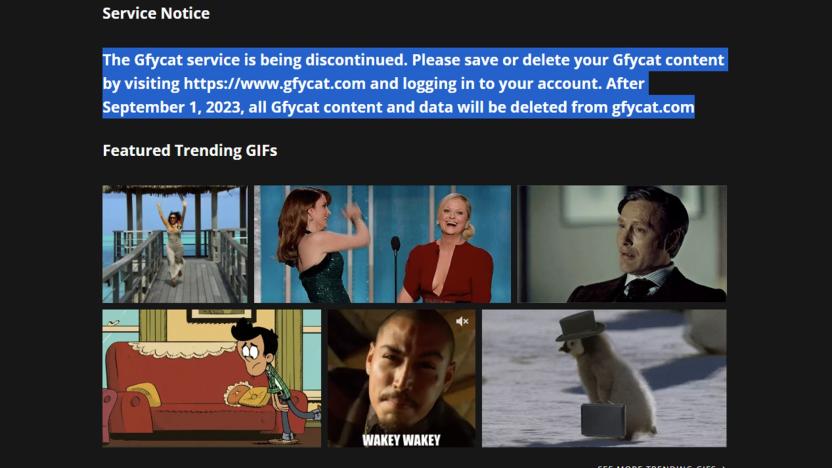
Gfycat is shutting down on September 1st
Gfycat is shutting down later this year.
Twitter puts strict cap on how many tweets users can read each day
Twitter has begun aggressively limiting how many tweets users can view per day.

Elon Musk claims Twitter’s new login requirement is a ‘temporary’ response to data scrapers
On Friday, Musk claimed Twitter's new login requirement was a "temporary emergency measure."

Russia blocks access to Google News after Wagner Group forces threaten to topple military
According to internet monitor NetBlocks, at least five Russian telecoms are blocking web users inside the country from accessing Google News after Wagner Group forces crossed the border from Ukraine.

Reddit’s average daily traffic fell during blackout, according to third-party data
On the day before the Reddit blackout began on June 12th, Similarweb logged more than 57 million daily visits to the platform. Two days later, that number was down to less than 52 million.

Chrome makes it easier to customize your browser's look
Google Chrome now makes it easier to choose a custom theme.

Instagram users can finally comment on posts with GIFs
At long last, you can respond to posts on Instagram with GIFs.

Meta fixed a Facebook bug that sent automatic friend requests to users
Meta apologized for a bug that saw Facebook send an automatic friend request anytime

Instagram lets you add five links to your profile so you can stop using Linktree
After years of resistance, Instagram is finally allowing users to add more than one link to their profile page.

Google is reportedly developing a new AI-powered search engine
Google is reportedly “racing” to build an “all-new” AI-powered search engine.

Instagram creators' Artifact app is starting to look more like Reddit
Users can now create profiles and comment on any article in the app. You can also upvote and downvote other users' comments.
Google searches now provide more context and viewpoints for news stories
Google searches now show different viewpoints on news stories — and background info on their authors.
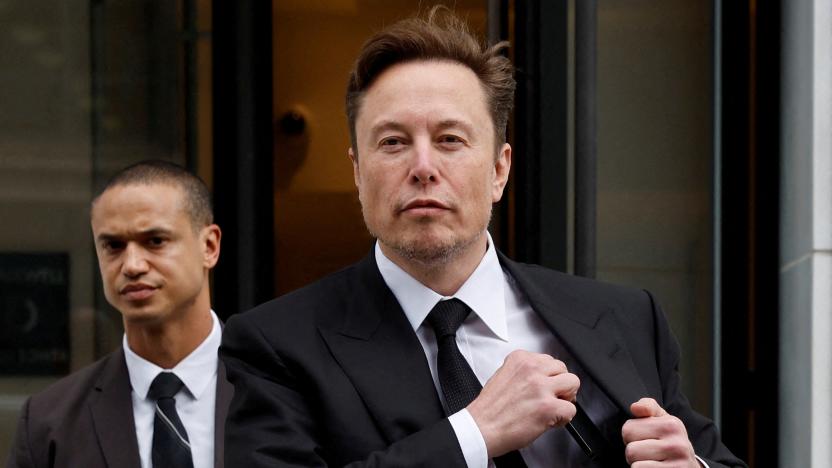
Elon Musk reportedly values Twitter at $20 billion
Elon Musk values Twitter at about $20 billion, according to a recent email he sent to company employees.


