

It takes two: A visual history of dual-camera mobile phones
The earliest we found was released in April 2007, two months before the first iPhone went on sale.
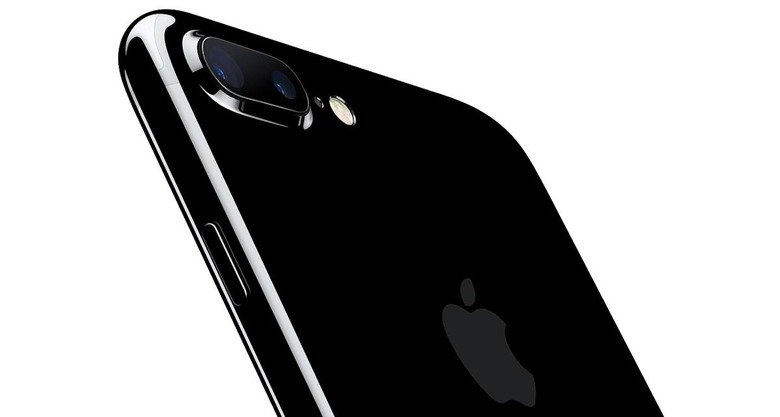
With the recent launches of the iPhone 7 Plus and the LG V20, the dual-lens smartphone camera is once again a hot topic. Of course, many other companies will want to remind you that they were there first, except some have long since given up on the technology. So what happened? And why isn't this yet a standard feature on all flagship smartphones? For those intrigued, it's worth taking a trip seven years back in time.

The first dual-lens mobile cameras were designed with 3D capture in mind. Curiously, too, this was before smartphones tried this technology. In April 2007, Samsung unveiled the SCH-B710 feature phone with a dual-1.3-megapixel stereo camera on the back. The 2.2-inch QVGA swivel LCD used a parallax barrier -- as featured on recent Nintendo hand-held consoles -- to display 3D content. And because it's a Korean phone, you could watch local digital TV on it after pulling out its dorky antenna.


In the following month, LG shipped the Optimus 3D (aka Thrill 4G on AT&T) with a 3D camera system that was pretty much identical to the EVO 3D's. That said, the Optimus 3D had a slightly lower 800 x 480 display resolution plus a slightly weaker Snapdragon chipset.
About half a year later, LG would announce the Optimus 3D Cube (known globally as the Optimus 3D Max), which was slightly slimmer, lighter and faster, and bought NFC, to boot.


Smartphone 3D cameras didn't catch on, but in 2014, HTC implemented a new type of dual-lens setup dubbed Duo Camera on the One M8. The main camera used HTC's 4-megapixel UltraPixel sensor, and was assisted by a 2-megapixel sensor for basic depth perception, allowing for quicker autofocus. Additionally, the M8 offered a set of "Duo Effects" that users could play with after capturing a shot, allowing them to adjust the bokeh, among other things.
HTC would later release the Butterfly 2 with the same Duo Camera and similar specs, albeit in a plastic body.


In 2015, HTC made the odd decision to leave the Duo Camera setup out on the M9 (pictured left) and kept it for just the less common M9+ (center). The Duo Camera here and on the Butterfly 3 ditched UltraPixel in favor of a Toshiba-made 20-megapixel CMOS sensor, but this ended up being far from ideal.
Half a year later, HTC released the M9+ Supreme Camera Edition, which used a Sony 21-megapixel sensor instead. Meanwhile, the assistive sensor was replaced by a laser AF module. HTC has not released another dual-camera smartphone.


Hey, LG's back! But unlike the competition, the Korean giant decided to place its new dual-camera setup on the front side for its late-2015 flagship, the V10. It also took an interesting approach. The two 5-megapixel individual cameras are for different fields of view: One with a standard 80-degree lens, and the other with a wide 120-degree lens for group selfies.


Remember the Honor 6 Plus from 2014? Well, it looks like after some experimentation, Huawei finally settled on the color-and-grayscale dual-camera combo for its premium P9 series. As a bonus, Huawei got help from renowned camera maker Leica to fine-tune its imaging setup, and we're quite happy with the results. Interestingly, the company soon after released the more affordable Honor V8 and Honor 8, which used the same dual-camera setup minus the Leica optimization.

Conventional dual-cameras are good and fun, but you'll want something more full-featured for practical use. Later this year, you'll be able to buy yourself a Lenovo Phab 2 Pro, the first smartphone to incorporate Google's 3D mapping technology, Tango. This enables many cool augmented-reality applications as well as object scanning, though when we last checked out this phone, it still needed some polish.
In addition to the Phab 2 Pro, Lenovo also announced the Phab 2, which has a conventional 13-megapixel dual-camera for bokeh effects.


Samsung SCH-B710
The first dual-lens mobile cameras were designed with 3D capture in mind. Curiously, too, this was before smartphones tried this technology. In April 2007, Samsung unveiled the SCH-B710 feature phone with a dual-1.3-megapixel stereo camera on the back. The 2.2-inch QVGA swivel LCD used a parallax barrier -- as featured on recent Nintendo hand-held consoles -- to display 3D content. And because it's a Korean phone, you could watch local digital TV on it after pulling out its dorky antenna.
