EU
Latest
Spotify tests Apple's resolve with new pricing update in the EU
Spotify submitted a new update for Apple's approval that would display pricing right in the app.

TikTok Lite axes ‘addictive as cigarettes’ reward-to-watch feature under the EU’s watchful eye
The EU has effectively vanquished a TikTok feature that Europe’s digital commissioner described as “toxic” and “addictive as cigarettes.” TikTok owner ByteDance said on Wednesday that TikTok Lite’s reward-to-watch feature would be suspended.
The EU opens an investigation into TikTok Lite, citing addiction concerns
The EU has opened a second investigation into TikTok, regarding the addictive nature of TikTok Lite. The governing body could force a ban on the app while the investigation continues.
EU criticizes Meta's 'privacy for cash' business model
The European Data Protection Board states Meta and other big players should forego "consent or pay" models.
Microsoft unbundles Teams and Office 365 for customers worldwide
Microsoft is now selling Teams as a separate entity from Office 365 to customers worldwide.
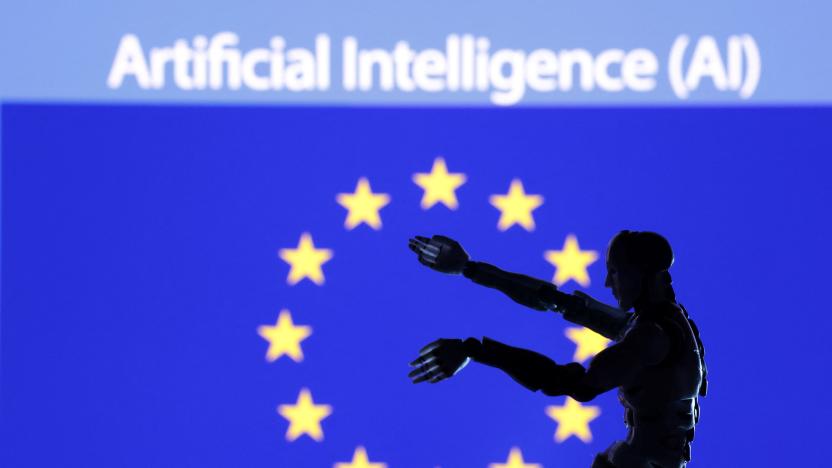
EU regulators pass the planet's first sweeping AI regulations
The European Parliament has passed a major piece of legislation to govern AI use in the European Union. After the AI Act becomes law, some applications will be banned, while the likes of OpenAI and Google will have to abide by new rules.
Apple reinstates Epic's developer account two days after banning it
Apple has backtracked on its decision to ban Epic Games' developer account. The reversal means that Epic will be able to bring its own app store to iPhones and iPads in the EU, in turn letting the company bring Fortnite back those devices in the bloc.
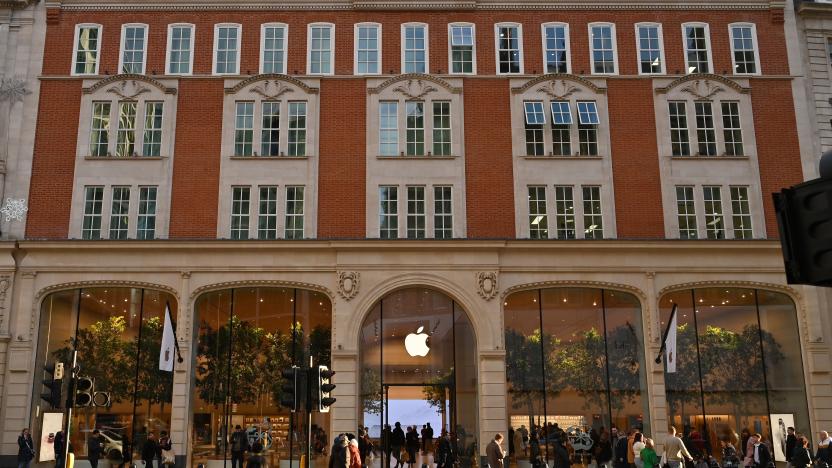
Apple will make it easier for EU users to switch to Android and delete Safari
The European Union's Digital Market Act has gone into effect and Apple has announced required changes. These include the ability to choose other default browsers, rather than Safari.
EU regulators probe Apple's latest Epic Games takedown
The EU will question Apple over the legitimacy of its decision to ban Epic Games' developer account. It's the latest in a series of clashes between the two tech companies.
Google just outlined exactly how it's changing ahead of Thursday’s DMA deadline
The EU’s Digital Markets Act (DMA) is officially in effect and Google just detailed exactly what the law means for the company. It outlined all of the changes being instituted as a result of the DMA.
EU fines Apple nearly $2 billion for 'blocking' alternative music apps
The EU has fined Apple €1.8 billion in response to a years-long investigation into the company's App Store practices. The Commission found Apple banned app developers from sharing information that might cost Apple money or users.

Apple backtracks on plans to get rid of web apps on iPhones in the EU
Apple has walked back its decision to remove home screen web apps in the European Union (EU). After initially blaming its decision to ditch them on the Digital Markets Act’s (DMA) requirement to support non-WebKit browsers, Apple now says European users will get them back when iOS 17.4 arrives early this month.

Apple won’t have to make iMessage work with other messaging services, EU says
The EU has determined that Apple's iMessage and Microsoft's Bing and Edge aren't dominant enough in their markets to be subject to stricter regulation. As such, iMessage won't need to comply with the Digital Markets Act, and Apple won't need to make it interoperable with other messaging services.
Meta and TikTok sue over paying the EU's fee for policing content
The Digital Services Act requires platforms with over 45 million users to comply with EU stipulations.
Meta is letting users uncouple Messenger and Marketplace accounts in the EU
It follows regulations in the Digital Markets Act, which goes into effect in March.
Apple offers to open up NFC payments to rival companies in EU antitrust case
The European Commission is welcoming comments on Apple's proposal.
EU says music streaming platforms must pay artists more
The European Parliament is calling for new regulations to ensure streaming services pay artists fairly.
EU takes action against X over illegal content and disinformation
The announcement follows months of back and forth between X and the commission.
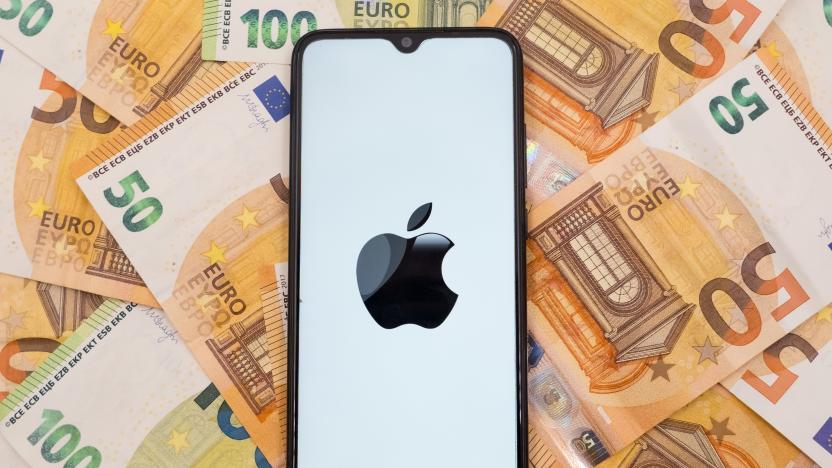
The EU will reportedly rule against Apple in Spotify's complaint over App Store policies
The EU has sided against Apple in a long-gestating fight with Spotify and other music app providers as to how the company’s app store operates. It's likely that Apple will be hit with hefty fines in the near future.
European Commission agrees to new rules that will protect gig workers rights
Gig workers in the EU will soon get new benefits and protections, making it easier for them to receive employment status.


