Ross Rubin

Engadget Editorial Policies

The unique content on Engadget is a result of skilled collaboration between writers and editors with broad journalistic, academic, and practical expertise.

In pursuit of our mission to provide accurate and ethical coverage, the Engadget editorial team consistently fact-checks and reviews site content to provide readers with an informative, entertaining, and engaging experience. Click here for more information on our editorial process.

Stories By Ross Rubin

  • Switched On: Amazon's Puzzling Prime Directive

    Each week Ross Rubin contributes Switched On, a column about consumer technology. More Info Amazon likely to announce media streamer at April 2nd event Showtime's Anytime app arrives on Roku Amazon will reportedly launch a free video streaming service Apple makes its money by selling devices. As such, it's incentivized to have content -- or at least the delivery of it -- exclusive to its devices. For years, the company implemented DRM (digital rights management) on music sold through iTunes. It fought such restrictions, but nonetheless benefited from them. Even today it proclaims its leadership position in the number of applications available for its platforms; many of these arrive on the iPhone exclusively, at least for a while. Netflix, on the other hand, makes its money selling content subscriptions. As such, it's incentivized to have its content available on all suitable devices that consumers use. Indeed, the streaming company has covered an unmatched number of displays. One can access the service from PCs and Macs; iOS, Android and Windows devices; nearly every connected TV and Blu-ray player; major game consoles; Chrome devices; TiVo; and Apple TV. The Roku broadband video box began as a product that ran only Netflix.

    By Ross Rubin Read More
  • Switched On: Return of the digital hub

    Each week Ross Rubin contributes Switched On, a column about consumer technology. In the heyday of Palm organizers, when even the speeds of 3G data seemed like a distant fantasy, a debate raged as to whether the future of pocket devices could belong to one or two devices. Those who favored two devices argued that you didn't really want all the bulk and battery consumption of a pocket computer in a small device that you wanted to use primarily to make calls. They failed to anticipate that technology's relentless integration would enable these "pocket computers" to become the minimal-millimeter smartphones of today and that data networks would support access to apps ranging from social networking to mobile video that would trump voice for many users.

    By Ross Rubin Read More
  • Switched On: Birth of a platform

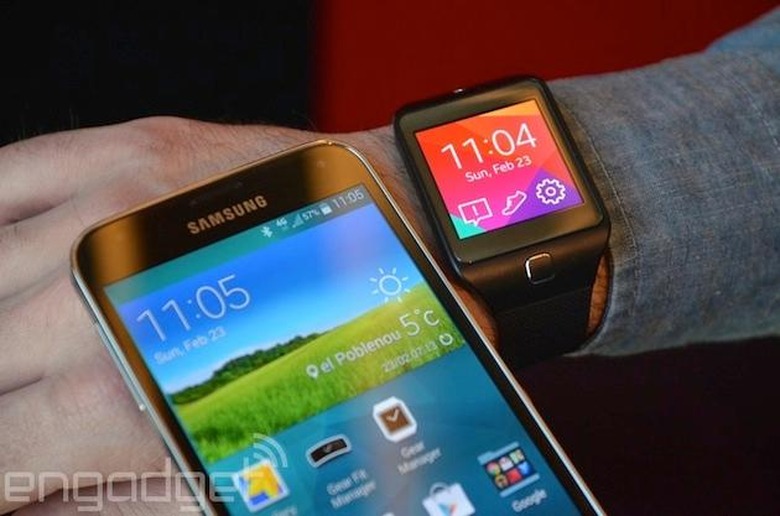
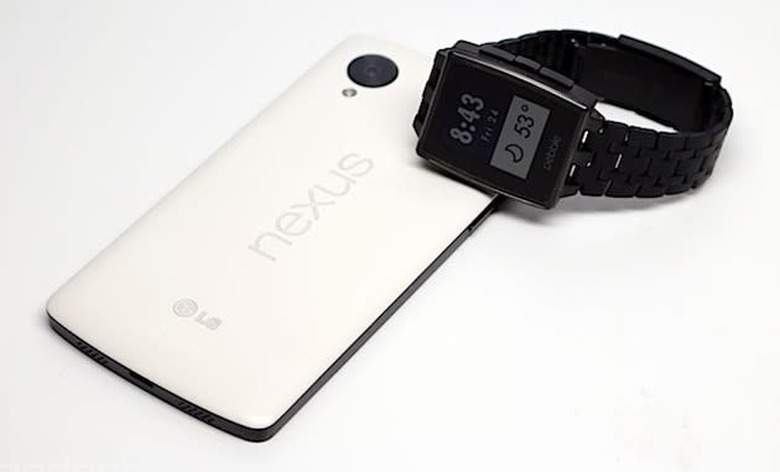
    Each week Ross Rubin contributes Switched On, a column about consumer technology. Regardless of what one may think about the potential for smartwatches, one of the most exciting things about a new device category is that there is so much experimentation with form factors and capabilities. We've already seen products with different display technologies (Memory LCD, LCD and OLED) and varying screen sizes. Some have various combinations of microphones, speakers, cameras, touchscreens, WiFi or cellular radios. Their prices have ranged from less than $100 to $400 and beyond and their battery life has varied from a day to a year. And then, of course, there are many of the factors that differentiate traditional watches -- size, design and materials.

    By Ross Rubin Read More
  • Switched On: Understanding crowdfunding's caveats, part 2

    Each week Ross Rubin contributes Switched On, a column about consumer technology. The last Switched On discussed how many of the Risks and Challenges sections of Kickstarter campaigns fail to portray an accurate picture of what might go wrong. This was true in the case of the Auris Wily. It, like many campaigns, used this section of the campaign page in the exact opposite way it should be used; they allay concerns about risks and challenges. If the Risks and Challenges section of Kickstarter campaigns reflected reality, they might include some of the following things you should keep in mind for any device project you back:

    By Ross Rubin Read More
  • Switched On: Understanding crowdfunding's caveats, part 1

    Each week Ross Rubin contributes Switched On, a column about consumer technology. Crowdfunding has been a boon to companies that are bringing some of the most exciting and innovative devices to market. But sometimes things go wrong. Last March, the first of a two-part Switched On discussed some of the foibles about crowdfunding in the wake of Kickstarter proclaiming that it was not a store. The column highlighted three products, two of which (the Syre Bluetooth iPod nano watchband and the Jorno folding keyboard) had seen long delays, but still seemed to have hope of shipping. Nearly a year later, neither has. And there is no telling when or if either will. To the credit of Scott Starrett, the creator of the Jorno, he has kept posting updates about his product, although perhaps not as frequently as backers would like. The last one came earlier this month and contained auspicious news about several critical problems with the prototype being fixed. The Syre update page, on the other hand, has gone dark; the last update was in August 2013. A genuine Apple watch is likely to appear before the Syre.

    By Ross Rubin Read More
  • Switched On: Android (tablet) inside

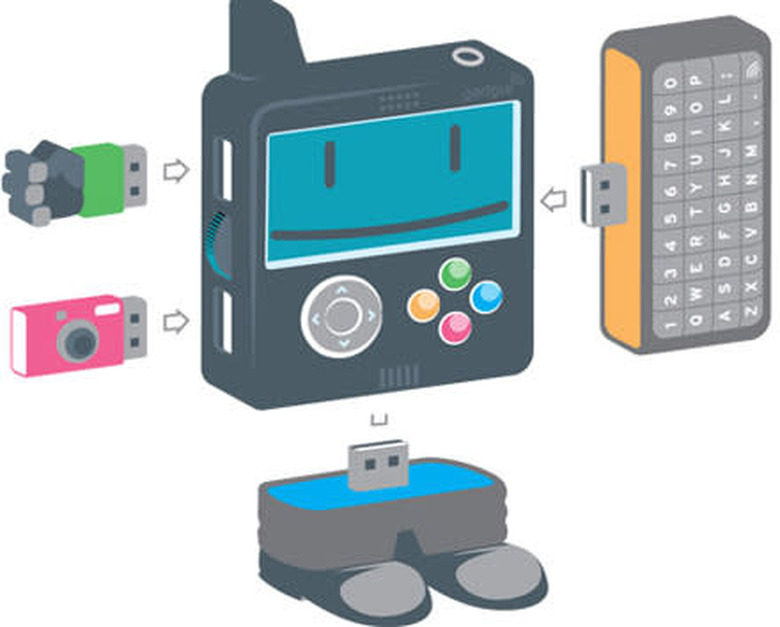
    Each week Ross Rubin contributes Switched On, a column about consumer technology. Inexpensive 7-inch tablets were everywhere in 2013 and became, as Switched On noted in December, a populist platform that fulfilled the promise of the sub-$100 PC. But despite their exceptional portability, aided by light weight and slim profiles, some may find the mere act of dragging them within range of something like their boombox, television or car to be too daunting a chore. Worry not, lazy but intrepid crowdfunders. Kickstarter has recently debuted a trio of products that integrate an Android tablet experience for your enhanced enjoyment, productivity and mobility.

    By Ross Rubin Read More
  • Switched On: The leader, the bleeder and the reader

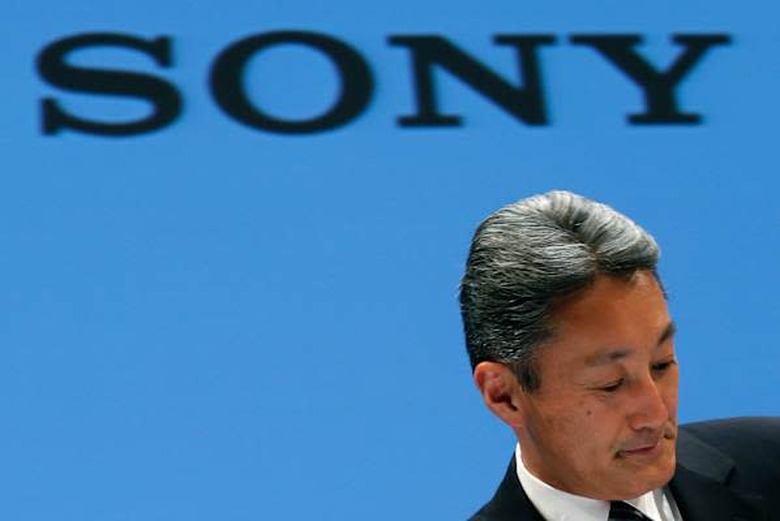
    Each week Ross Rubin contributes Switched On, a column about consumer technology. Sony recently bid farewell to three device categories. The long-struggling Japanese consumer electronics giant is selling off its PC division, spinning out its TV group into a separate company and getting out of the e-book business by handing it over to Kobo. While each has a unique history, they all demonstrate the difficulties Sony has had in dominating any one category. Sony's introduction of the Trinitron in the 1960s accelerated its ascent to the top of the consumer electronics food chain in the following decades. By the 1980s, virtually any TV buyer knew that nothing compared to Sony and the company's big-screen offerings were bolstered by the arrival of CRT screens that lacked the convex curve of the time. (Back then, curved screens were passé, not leading edge.)

    By Ross Rubin Read More
  • Switched On: The next steps for digital wellness, part two

    Each week Ross Rubin contributes Switched On, a column about consumer technology. The last Switched On discussed many of the limitations of today's fitness monitors and how input regarding other lifestyle variations could create a more complete picture of how we control our health. But there are other health factors that change infrequently and can have a profound impact on our well-being.

    By Ross Rubin Read More
  • Switched On: The next steps for digital wellness, part one

    Each week Ross Rubin contributes Switched On, a column about consumer technology. Some of today's leading wearable devices are, at their core, little more than souped-up pedometers. Their once-dim monochrome LCD screens have migrated from atoms to bits that connect to the internet, allowing them to display information in a more engaging way and track it over time. They have been a big win for output, but with essentially the same input. Indiegogo in particular has been a fertile launchpad for alternative wearables for the fitness enthusiast. One has been the Push band, which measures things such as force, power and velocity for activities like weightlifting. And the impact of that might be measured by the Skulpt Aim, which tracks muscle health. Another alternative to run monitors in development is the Atlas, which includes a digital footprint of 30 different exercises for more intelligent exercise analysis.

    By Ross Rubin Read More
  • Reality Absorption Field: NFC Not Fascinating Cupertino

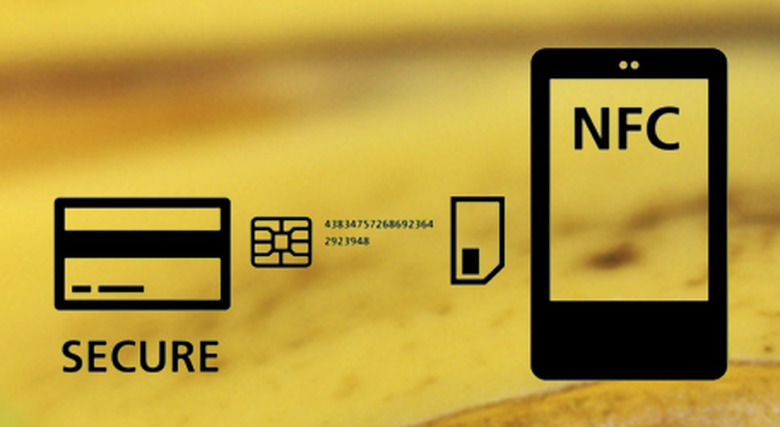
    The road to ubiquity is a rough one for most tech industry standards. Even when they become prevalent, it often is not long before a direct alternative or a general shift in the technology landscape comes along to try to bump them off the hilltop. For example, Wi-Fi is one of the most ubiquitous wireless standards in the world today. But few remember that it had a challenger in its early days, a standard called HomeRF that had the backing of Intel. Apple's endorsement of Wi-Fi was a gift to the standard that pushed it ahead in a race where it never had to look back. That said, Apple does not grant such gifts often. The company's reluctance to "think different" when it comes to broadly supported industry standards have led initiatives such as DLNA, Blu-ray, UPnP, MirrorLink, Miracast and the Qi wireless charging standard to claim they've received support from virtually "EBA" (Everyone But Apple). One of the highest-profile standards that Apple has opted not to support is NFC or Near-Field Communication, which allows the transfer of small bits of information, such as a Web address, from a chip so tiny and inexpensive that it can be embedded into credit cards, clothing and foot packaging. Reading NFC tags seems intuitive enough. Just place the phone next to the tag and it can prompt any number of actions. There's no question that NFC can enable some cool and useful functionality, but Apple has opted instead to support a technology called iBeacons based on Bluetooth LE. Bluetooth is not a perfect substitute for NFC. In fact, companies such as Sony and Nokia use the two as complements, taking advantage of NFC tags to facilitate pairing of Bluetooth devices. However, one can consider a few reasons why Apple is choosing not to play the near-field. Another radio. Smartphones have historically had to accommodate a wide variety of radios. Already, iPhones must include radios for LTE, Wi-Fi and Bluetooth, so it's not surprising that Apple would be reluctant to add another radio and up the chip count in its smartphone. A need to mark. Because NFC radios are so weak, phones need to practically touch a tag in order for its signal to register. This means that their location for precise placement must be clearly marked, something that may not be desirable in many situations. Calling attention to an NFC opportunity often requires even more demarcation -- signage or even another poster. Serial interaction. NFC transactions work fairly well on a one-to-one basis, but if even a small crowd of 10 people wish to obtain information from an NFC tag, the tenth will have to wait until the first nine have had a go. Presentation. As anyone who has ever had an NFC-enabled ID badge in their wallet (the "hip bump" move) knows, getting the signal to work through clothing can be a challenge. Particularly with phones getting larger, it becomes more awkward to remove them from a pocket or purse to use them with NFC. Of course, some interactions, such as initiating a payment, may demand that kind of conscious interaction, but others, like passive information collection, may not. Bluetooth LE overcomes all these limitations; some of the tradeoffs are higher prices and shorter battery life on the part of the broadcasting device. A global standard supported by virtually every mobile phone, Bluetooth hardly needs the fundamental vote of confidence that Apple provided to Wi-Fi or USB in its early days. But the company could be instrumental in advancing the standard's brewing battle for short-range peer-to-peer transactions with NFC.

    By Ross Rubin Read More
  • Switched On: The 2013 Switchies, Part Two

    Each week Ross Rubin contributes Switched On, a column about consumer technology. The last Switched On introduced the 2013 Switchie Awards for TV, PC and gaming products. This time, we'll take a look at the mobile and wearable devices that made their mark in 2013.

    By Ross Rubin Read More
  • Switched On: The 2013 Switchies, Part One

    Each week Ross Rubin contributes Switched On, a column about consumer technology. It's that special time of year between holiday sales and the pre-CES hype cycle that presents an opportunity to consider some of the most innovative devices of the year. Switched On is proud to present the 2013 Saluting Wares Improving Technology's Contribution to Humanity awards, also known as The Switchies. This installment marks the eighth annual Switchies, which are decided based on a rigorous examination of the opinion of me, and do not reflect the opinion of Engadget or its editors. For that latter honor, nominees will need to win an Engadget Award. Now, then, let's stroll past the red carpet and tear open those envelopes.

    By Ross Rubin Read More
  • Switched On: The desktop dashboard, take two

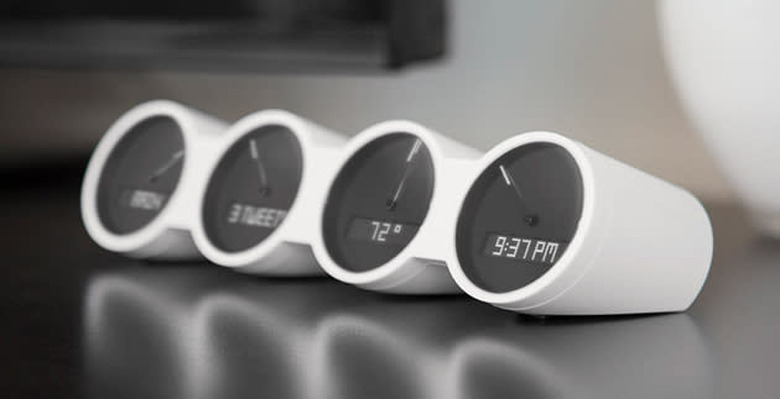
    Each week Ross Rubin contributes Switched On, a column about consumer technology. The last Switched On discussed the contrast between the $100 laptop concept of 2006 and the $100 tablet reality of 2013. In that case, an idea that didn't bear fruit was succeeded years later by a different approach. However, what's even more rare is to see a failed idea by one small company tried many years later by another small company. This recently occurred with the introduction of the Quirky Nimbus, a physical desktop dashboard that offers four customizable displays that keep track of your digital information, like the weather, commuter traffic, email and calendar updates. The product concept is very similar to the Ambient Executive Dashboard that a yearling Switched On addressed way back in 2005 with two columns focusing on the device and its content. Contrasting that product to the Nimbus reveals that much has changed about technology in the past eight years, but there are still a few things that plague this particular niche product.

    By Ross Rubin Read More
  • Switched On: What's become of the $100 laptop

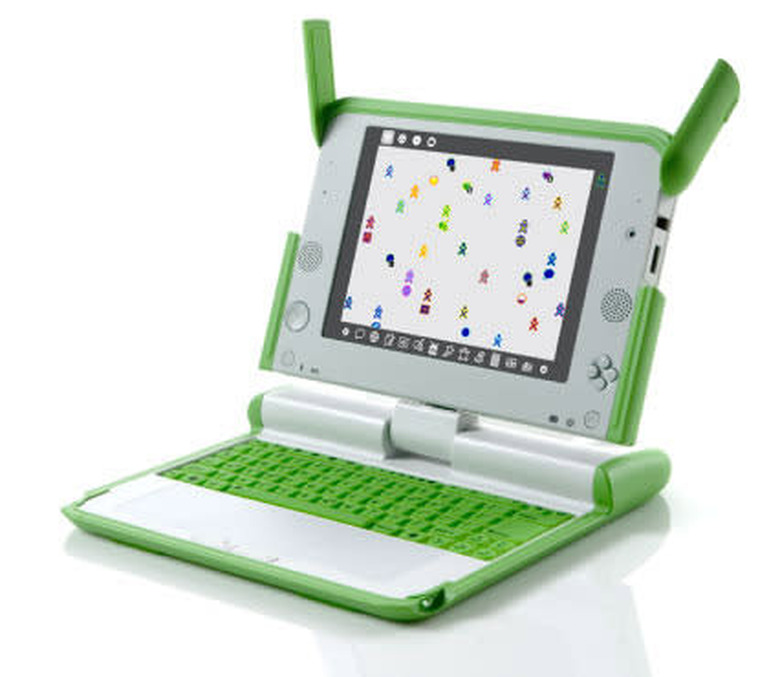
    Each week Ross Rubin contributes Switched On, a column about consumer technology. Back in 2006, at the height of interest in the One Laptop Per Child-fueled $100 computer, I embarked on a quest to find such a device on the market -- with a catch. Since there were no such computers readily available in retail channels, the search was conducted via eBay for used, but still-capable PCs that cost less than $100. (It was a lot easier to find one that ran Windows than Mac OS.) The past seven years have seen a lot of changes in the broader personal computing market. The Hisense Sero 7 LT, which arrived at Walmart earlier this year, exemplifies the kind of product that can now be considered the "$100 laptop" for the American mass market. Since then, others have followed. What it delivers, though, varies widely from what we thought such a device might look like.

    By Ross Rubin Read More
  • Switched On: Expunging Xbox

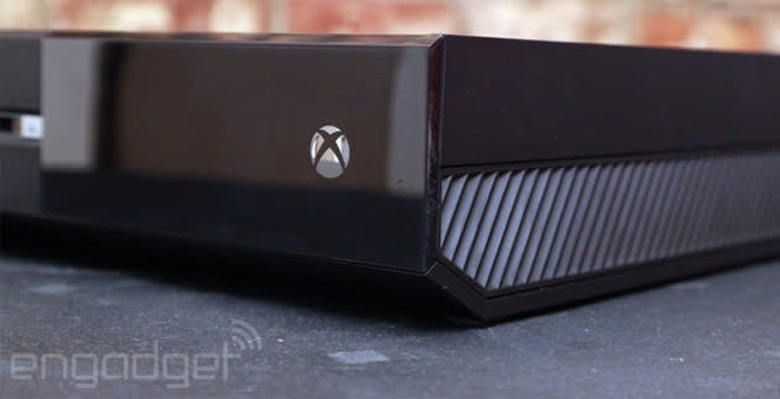
    Each week Ross Rubin contributes Switched On, a column about consumer technology. The last installment of Switched On discussed the merits of Microsoft divesting itself of Bing. While Bing is still firmly embroiled in a duel with a company that has seen tremendous momentum in the past decade, the case is very different for Xbox. Few products within Microsoft have as colorful a history as its home video game console. While Xbox stands out as an exception at the company today, it is in many ways a model of its future: an internally controlled hardware platform that supports a robust library of software titles from first and third parties with tight integration to Microsoft services.

    By Ross Rubin Read More
  • Reality Absorption Field: The iPad triple

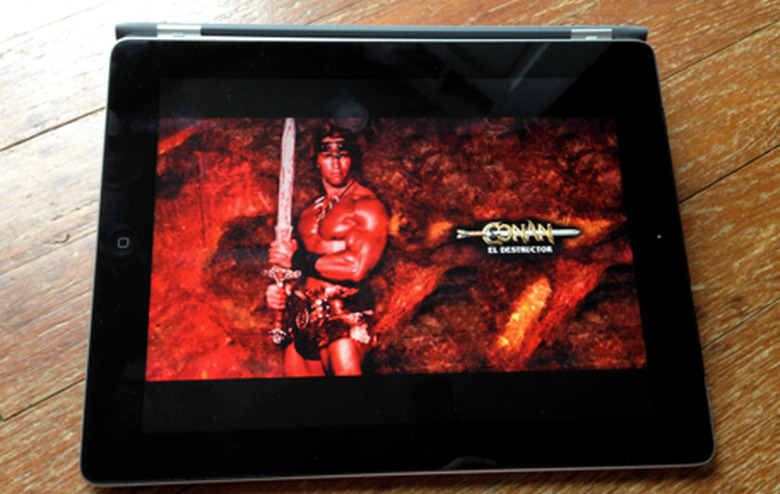
    General: Conan! What is best in life? Conan: To crush your enemies, see them driven before you, and to hear the lamentation of their women. --Conan the Barbarian, 1982 A key reason for Apple's success has been that it has been more concerned with the customer experience than in trying to jostle for competitive position per se. Nonetheless, it has been striking to see how many of Apple's strongest PC competitors from its dark days have been struggling so mightily as of late. The Compaq and Gateway brands are all but gone after being swallowed up years ago by HP and Acer. Dell, with which Apple has had a particularly nasty history, has left the public market. And Microsoft is reeling from dwindling PC sales and a painful transition to a touch-enabled Windows. Only Lenovo seems to have much momentum. The iPod had a huge impact on the music industry, but it wasn't much of a factor for most device companies. (An exception was Sony, which had owned the portable music franchise with Walkman.) As Reality Absorption Field described in detail, many of the companies that entered the digital media player market had much more significant businesses in PCs or TVs and weren't threatened by Apple's little white toy. The iPhone -- while far more devastating to Apple's competitors -- was quite straightforward. After years of denying its relevance, companies such as RIM and Nokia scrambled to device responses to the iPhone, leaving them with OS options that represented a small slice of the market. Other feature phone giants such as Motorola and LG now have a sliver of the Android market, as does HTC. All have been massively outspent in marketing by Samsung, the only feature phone-era handset maker (and really only other handset maker besides Apple) to flourish since the iPhone's launch. The iPad, though, has had a profound albeit less direct effect on the PC industry, and one in which Apple has had an unlikely accomplice: Android. As one would expect, Apple's pricing on the iPad Air and iPad mini are at or near the top of the range for their size. They have kept a healthy distance from the Mac, but have cut more deeply into the price range of Windows notebooks. As was shown during the netbook era, PC makers can -- at least for a short time -- tolerate going even lower, but Android tablets have wiped out all chance of that. Walmart now offers 7" tablets running Ice Cream Sandwich for $69 (or less). Tablets may not be able to do everything people want a PC can do yet. For one, some people aren't ready to give up the keyboard and would rather not fiddle around with Bluetooth. Since early 2011, ASUS -- which retreated from Windows RT -- has offered its Transformer series of Android tablets that tuck neatly into docking keyboards. Now, the idea is being adopted by PC stalwarts such as HP with its Slatebook X2 and Lenovo with its IdeaPad A10 using a hinge inspired by its Yoga Windows products that won't be offered in North America. How long will it be, though, before we see the idea knocked off by low-balling brands at Walmart? There are already snap-on Bluetooth keyboard covers for the 7" Galaxy Tab and Nexus 7 that cost about $25. PC makers are flailing. The Windows 8.1 experience on x86 remains fractured. Windows RT lacks key apps. Both are profit-protecting paradises compared with Android. Then there are Chromebooks, which offer a clean, simple and streamlined Web experience as long as you're online. Cut off connectivity, and different services can behave quite differently. Are Apple's competitors "confused" as Tim Cook asserts? Maybe they have a sense of where they want to go, but the path that they're on now is proving a bumpy road. Ross Rubin is principal analyst at Reticle Research, a research and advisory firm focusing on consumer technology adoption. He shares commentary at Techspressive and on Twitter at @rossrubin.

    By Ross Rubin Read More
  • Switched On: Banishing Bing

    Each week Ross Rubin contributes Switched On, a column about consumer technology. Much like George Orwell's classic 1984, wars continue in the technology industry without seeming regard for who the enemy is or who it once was. Take, for example, Nokia's embrace of Windows Phone and Microsoft's subsequent embrace of Nokia. The once global smartphone leader initially championed Symbian as a countermeasure to the threat of phone domination by Microsoft. However, Nokia ultimately joined Microsoft in a bid to prevent the same from happening with Android.

    By Ross Rubin Read More
  • Switched On: Taming Evernote's paper tiger

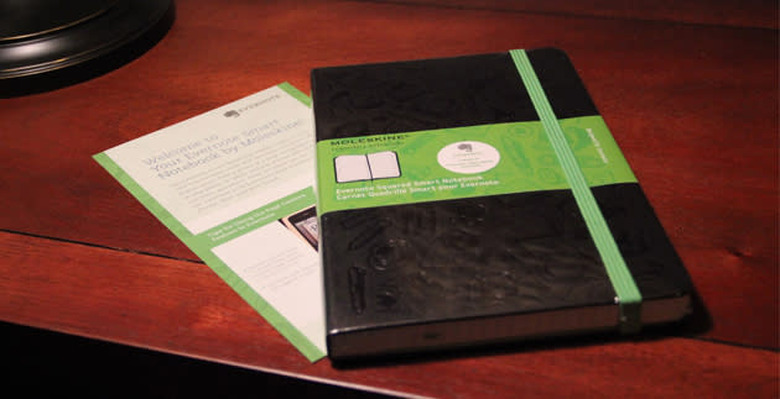
    Each week Ross Rubin contributes Switched On, a column about consumer technology. In April, Evernote CEO Phil Libin announced his company was getting into the hardware business -- gradually, at first, by partnering with others. Carrying through on that intention at the company's third developer's conference in September, Evernote rolled out its first electronic product as part of Evernote Market. Amidst a number of bags and personal accessories (including what must be the most famous technology-related socks since the ones Apple offered as iPod cases), it introduced the ScanSnap Evernote Edition scanner. The sheet-fed paper ingester boasts a sleeker, more modern design than the Fujitsu original. However, it is already a bit behind the times when compared with, say, the latest cloud-centric WiFi models, such as the Brother ADS-1500W, Doxie Go and the new, high-end NeatConnect.

    By Ross Rubin Read More
  • Switched On: A wristed development

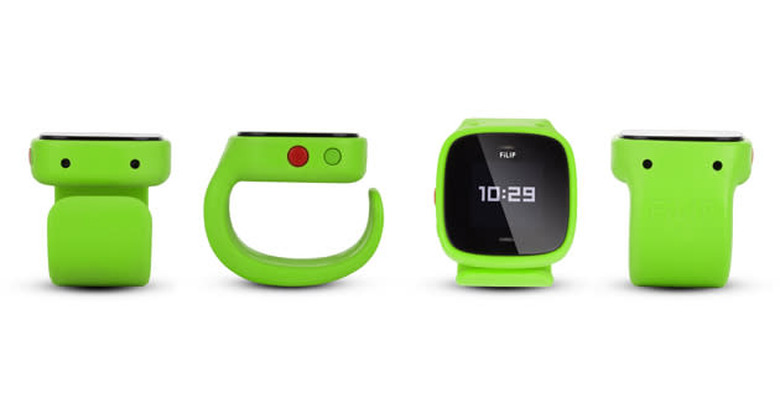
    Each week Ross Rubin contributes Switched On, a column about consumer technology. It is difficult enough to turn around one niche product category and make it successful, as Apple did with the iPad. But combining two marketplace failures is almost certainly a recipe for disaster. FiLIP, the new kid-tracker, is part connected watch, part smartphone. Prior attempts to optimize these devices for children -- or at least for the parents who want their kids to wear them -- haven't been well received. On the wristwear side, there was the Wherify Wireless watch, a monstrous wrist-locked GPS device. It was so optimized for the kidnapper-concerned that it sent an alarm message over the cellular network if it was removed without authorization.

    By Ross Rubin Read More
  • Switched On: The Yoga Tablet does kickstands with a twist

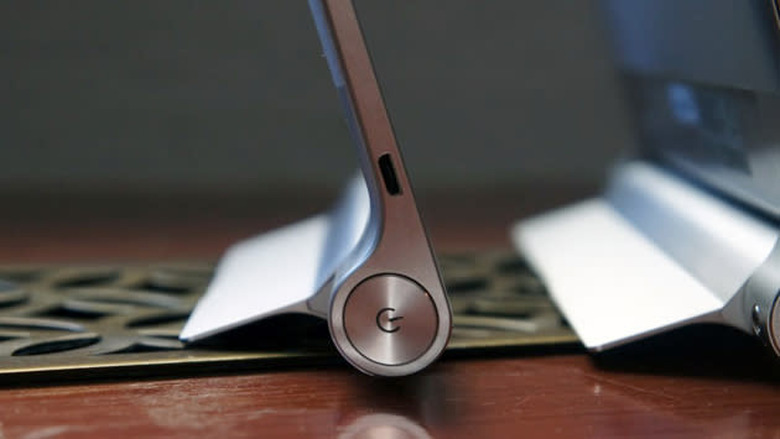
    Each week Ross Rubin contributes Switched On, a column about consumer technology. If one takes a narrow view of the tablet market, the largest PC makers have fared especially poorly as a group. At the launch of the iPad, HP, Dell, Acer and Lenovo had little experience with the Android ecosystem, which itself was not optimized for tablets. And Windows, their go-to operating system, was still not available in a version that would show off bold, finger-friendly tiles and yield long battery life in a slim form factor. Even now as these companies have experimented with all kinds of hinges and accessories on Windows, their Android efforts can be hard to differentiate as with HP's Slate 7 and Dell's recent 7- and 8-inch slates. Into this spiritless landscape, Lenovo has dropped the Yoga Tablet, available in 8- and 10-inch sizes. Unlike its namesake Windows laptop, which reveals no obvious signs of its differentiation at first glance, the Yoga Tablet has a silver, cylindrical side that is reminiscent of extended laptop batteries. Indeed, it contains the battery here as well as making for a grip that is at first unfamiliar, but which allows the rest of the tablet to be very thin.

    By Ross Rubin Read More
  • Reality Absorption Field: iPads in notebook's clothing

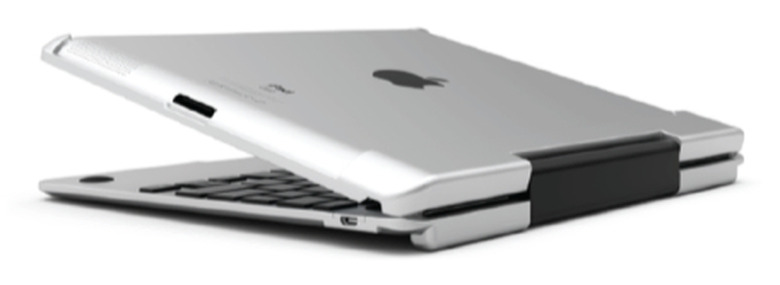
    Apple's latest incarnation of the iPad turned out to be a distillation and refinement of what has defined the product. The Apple offering ships free of any keyboard connectors or covers in contrast to the Surface 2 and Nokia 2520 that vied for headlines with the iPad Air's introduction. With so much written about the notebook's attempts to capitulate to the iPad's success, though, one must consider the other side of the tablet-notebook continuum even in the world of Apple. The maker of MacBooks and iPads draws distinct boundaries between the two product lines. While Apple may not be interested in doing much to make the iPad experience more like the Mac's, third parties have stepped in with everything from Wi-Fi-based storage that can accommodate SD cards to remote desktop applications that provide at least a window into Mac applications. And then there are the keyboards of every stripe -- standalone Bluetooth keyboards, Lightning keyboards, folding keyboards, typewriter keyboards, silicone screen-top keyboards, magnetic cover keyboards, and keyboards integrated into and removable from cases and folios. No wonder Microsoft and now Dell have seen opportunity for thin keyboards that attach to their tablets with a minimum of fuss and no need for pairing. If products such as the Belkin and Logitech's svelte keyboard covers were attempts to compete with the slim type cover of the Surface, though, have there been any products to compete with the keyboard docks from ASUS in its VivoBook line and HP in its Split X2? As Dell would put forth with its recently debuted Venue Pro 11, there's value for each type of keyboard. In fact, two Kickstarter projects have produced what create the closest things to an iPad notebook experience -- the oddly spelled Brydge (which ranges from a $100 polycarbonate model to a $200 aluminum model with integrated Bluetooth speakers) and the more oddly named $160 CruxSKUNK. Behold, the iBook! (Wait, that sounds familiar.) Both Bluetooth products make typing on the iPad faster and have pleasing keyboards, which are pretty much the point. The CrunxSKUNK has slightly larger keys and an overall larger form. This is in part due to a metal frame into which one inserts the iPad before securing it with fasteners near its hinge, a hinge that could stand to have less "give." In contrast, the Brydge's footprint is almost identical to the iPad's save for two hook-like extensions at its base. These extensions have silicone-like pads (removable to accommodate different iPad thicknesses) and keep the iPad firmly connected to the hinge despite a bit of lateral wiggle that may occur while traveling. The Brydge makes removing the iPad faster and easier than the CruxSKUNK does. Overall, the Brydge seems to fit the iPad gestalt better, but both products must accommodate the iPad's hardware and software limitations. Since they uses Bluetooth, they must have its own battery that, unlike many Windows docking keyboards, can't charge the iPad. That's not so bad as some Windows options rely on Bluetooth as well. However, unlike Windows (or Android per products such as the HP Slatebook X2 and ASUS Transformer Prime) iOS does not support cursors, so both the Skunk and the Brydge offer an uninterrupted aluminum plane on the part of the wrist rest where the trackpad might be. Because of this, nearly all on-screen objects must be selected and manipulated with your fingers as would be the case if you were holding the iPad. However, with the iPad propped up in a clamshell configuration, you must traverse the depth of the keyboard every time to touch the tablet. The extra effort required to do this illustrates why, despite the defense of touch in Windows clamshells, it's a relief to have trackpads at closer range in them (Acer Aspire R7 excepted). From there, the suitability of the ersatz laptop will depend on how sophisticated your software needs are. Most Web apps aren't a problem and there are a number of basic office suites for the iPad. Windows, and some Android devices, have the ability to show multiple apps on the screen at the same time, a feature the iPad lacks. Being able to glance at updates from other apps, such as e-mail, news and social feeds, can be a helpful capability. However, relatively few scenarios require actively moving around multiple apps (although some time spent in Office is spent doing exactly that). At a minimum, it would be helpful if Apple offered even faster switching among apps than it now offers in iOS 7. It's also helpful to bear in mind the demo that Microsoft gave of the Surface Pro 2. While that PC has the muscle to skim through raw footage from state-of-the-art high-definition video cameras, surely it can't accommodate much of it due to its limited storage, which is a problem for the iPad as well. Alas, neither product stands to fit the new iPad Air, but both work with the less expensive iPad 2 still on the market and updates will likely be in the works. When compared with products such as thin keyboard covers, the Brydge and Skunk offer more variety in terms of viewing angles and a faster path to typing that doesn't require reorienting. They can also keep the iPad more stable on the lap at certain angles one encounters when using a notebook. Other operating systems and designs may do a better job of preserving more of the notebook experience, but the iPad's immense popularity in a notebook-like size category makes it a tempting candidate for laptop impersonation. Ross Rubin is principal analyst at Reticle Research, a research and advisory firm focusing on consumer technology adoption. He shares commentary at Techspressive and on Twitter at @rossrubin.

    By Ross Rubin Read More
  • Switched On: If it ain't broke, fix it

    Each week Ross Rubin contributes Switched On, a column about consumer technology. In a Microsoft strategy that embraces contradiction -- licensing software while trying to build its own devices -- it is unsurprising that goals for the Surface support competing priorities. On one hand, it is a showcase, a pure Microsoft experience in a role that the Nexus phones and tablets serve for Google. On the other hand, it is part of a line of business that must deliver profit over the long term. It is a product that Microsoft has bet big on in terms of development, marketing and inventory. And when its first iteration failed to meet sales expectations, Microsoft felt the pain. Surface has had a third, subtler role as well. In the world of traditional personal computing, it is one thing for Apple to do away with a modem or an optical drive. It is another for Intel to enable longer usage times and thinner form factors. But Surface has enabled Microsoft to set trends for a product's design in ways it could not when it was simply dictating hardware from the sidelines. Remember, for example, the SideShow second screen it advocated with Windows Vista?

    By Ross Rubin Read More
  • Reality Absorption Field: Why Microsoft was no Google part two

    A previous Reality Absorption Field examined three ways in which Google has taken on Apple in ways that Microsoft never could. in this week's column, we'll look at three other ways that Google has distinguished itself as a more worthy Apple rival. Design Microsoft has made a lot of progress in its user interface design since the days when Office was littered with tiny and rarely used toolbar icons (as well as one of my most hated user interface foible, short menus). The software changes started in some of the early work around Xbox and the Windows Media Center that now lives in limbo, The latter's Portable Media Center companion device platform planted the seeds of the user interface that would evolve through Zune to become the Modern user interface in Windows 8 and Windows Phone. On the hardware side, things started improving with the 'squircle"-equipped second-generation Zune and showed further progress with the Zune HD and Xbox 360. Google has an even sparser history in designing its own hardware than Microsoft, and the Chromecast is nothing to look at (literally, as it is designed to be hidden behind the TV). But the pricey and understated Chromebook Pixel is a gorgeous laptop. The Moto X, on the other hand, is attractive if not exceptional versus the iPhone or HTC One. On the software side, Android is notorious for its rough edges and UI inconsistency, but the baseline from which it started was certainly much better than legacy operating systems it squeezed out such as Windows Mobile and BlackBerry 7. Android has taken big steps forward with the Holo user interface guidelines as well as Google's own mobile apps. Everywhere Windows controls the PCs used by hundreds of millions of users. But it is under the hood, or at least it had been for many years until the jarring changes in Windows 8. People spend hours with Microsoft Office getting stuff done, but it is really Xbox that is Microsoft's best tool for emotional engagement. In contrast, Google has become, for far more people a gateway to the world's knowledge and, via its maps, the route to its destinations. Microsoft has fought back with strong improvements in its search engine, Web mail and mapping. It's probably safe to say, though, that the lack of strongly supported Google services on Windows Phone is a bigger sales impediment than the lack of strongly supported Microsoft services on Android devices. Failure Microsoft's been quick to pull the kill switch on a number of its projects that crashed and burned out of the gate, such as its Kin phones. However, it's generally more tenacious, having stuck with the Zune through three product generations and having its name even live on for a bit after it finally ceded what was left of a dwindling music player market to Apple. Despite the flop of the Surface tablets, you can be sure that Microsoft will be back for a second generation. Google, on the other hand, has embraced early retirement for its products that don't resonate such as the Wave collaboration software mentioned in last week's column, and even for fairly popular services that don't resonate enough, such as Google Reader. Again, with a consumer base, and one that typically does not pay for its products, there is less concern about customer blowback. Its quickness to close its Buzz social networking service paved the way for a more successful but quite different approach in Google+. When compared to current Internet darlings such as Facebook and Twitter, it's a bit difficult to consider that Google has been around since 1998. Microsoft, of course, is of another technology generation, having been founded in 1975, a year before Apple. It's no surprise that Microsoft (Big Software), now being squeezed by Google (Big Services) and Apple (Big Devices) now wants to turn itself into a "services and devices" company. But if one looks at the competitive heat map, it should be no surprise that Apple is scrambling to build up iCloud and assorted services to prepare for what has been its greatest competitor. Ross Rubin is principal analyst at Reticle Research, a research and advisory firm focusing on consumer technology adoption. He shares commentary at Techspressive and on Twitter at @rossrubin.

    By Ross Rubin Read More
  • Switched On: ­­­Behind enemy lines

    Each week Ross Rubin contributes Switched On, a column about consumer technology. This week marks the ninth anniversary of the column. A decade ago this month, and a year before the debut of Switched On, Apple made the decision to release iTunes for Windows following what was reportedly a profanity-laced debate among Apple's executive team. The decision cemented the iPod's place as the best-selling portable media player and started the company's string of successes beyond the PC.

    By Ross Rubin Read More
  • Reality Absorption Field: The Crusaders

    Is technology made to serve consumers, companies or causes? When Apple introduced the Macintosh, it famously invoked Orwell's vision of 1984 to promote how its little beige box would stand in the way of IBM's hegemony. In the coming years and for reasons that had little to do with the Mac, IBM would lose control of the PC's operating system, lose share in the PC market, and ultimately exit it altogether in selling the business to Lenovo. But that loss of PC market leadership came at the hands of Microsoft, which did in fact institute near-hegemony from the release of Windows 95 until at least up to the release of Windows Vista. More than a quarter century after the launch of the Mac and following up from iPod dominance that has been Reality Absorption Field has chronicled very thoroughly, Apple found itself on the more enviable side of market dominance with the iPhone. What would come to be known as iOS would leave in the dust every mobile operating system that preceded it. Customers flocked to AT&T to get access to it despite that carrier's notorious struggles providing it with satisfactory service. Competitors needed a way to compete with the iPhone and Google provided it in Android. At Google's developer conference, VP Vic Gondotra took up his own version of the screen-smashing mace, invoking some wording parallels with Apple's famous commercial. "If we did not act, we faced a draconion future. Where one man, one company, one carrier was the future." Indeed, Android debuted on T-Mobile but saw huge market share gains as Verizon based its strong-selling Droid line on Android. Now, coming full circle, the company that came to represent the establishment that Apple was rallying against -- Microsoft -- recently invoked the threat of oppression, if in less dramatic rhetoric. In explaining its acquisition of Nokia's device and service business, outgoing CEO Steve Ballmer noted, "We run the risk that Google or Apple will foreclose our ability to innovate, to integrate our applications the way we have in Office, to do distribution, or to impose economic terms." That makes sense with respect to Apple, which had developed, but has since improved, something of a reputation for being a stickler regarding its iOS developer terms and conditions, But for Google? First off, Microsoft has made so much from Android intellectual property licensing that it is a bona fide revenue stream for the company. Second, has the company not seen the Kindle Fire? It runs Android and, near as anyone can tell, doesn't suffer from much Google interference at all. Indeed, Amazon has even renamed its variant Fire OS. Google would only be a real inhibitor to Microsoft if it wanted the full suite of Google services on its devices, And still Microsoft competes with nearly all of those, it wouldn't be much of an issue. Unlike with the original Mac and with Android, there is no real bogeyman for Windows to fight on the mobile side, just plain old competition. And that's a worthy pursuit. But if Microsoft can't cut deeply into the mobile phone market, there will still be plenty of resistance from those willing to fight the next revolution. Ross Rubin is principal analyst at Reticle Research, a research and advisory firm focusing on consumer technology adoption. He shares commentary at Techspressive and on Twitter at @rossrubin.

    By Ross Rubin Read More
  • Switched On: A marriage of conveniences

    Each week Ross Rubin contributes Switched On, a column about consumer technology. A general love of the new notwithstanding, it has always been a bit odd that new flagship phones from Apple have dramatically outsold previous generations. Mostly because so much of the iPhone's value comes from software and Apple tends to preserve nearly all of the functionality in OS upgrades for previous years' models, making them a relatively good value. However, in the case of the iPhone 5s, Apple has implemented hardware in Touch ID that nicely complements the efficiency of its new mobile operating system, iOS 7. Now, even with the removal of many user interface accoutrements, such as digitized green felt in Game Center that Apple itself has mocked, there are still some whimsical excursions in iOS 7, including the slow-mo video mode and the parallax feature. There are also a few "aha!"-inspiring additions, such as support for the M7 coprocessor that will serve to save battery life by handling motion detection and the two-tone flash that results in more natural-looking photographs.

    By Ross Rubin Read More
  • Reality Absorption Field: Why Microsoft was no Google

    In the height of the PC era, competition between Apple and Microsoft was of a vertically integrated creator of hardware and operating systems versus that of a dominant licensed operating system. In the smartphone era, Apple has expanded its degree of integration to include chip design, core apps, retail and cloud services. But while the opposition is still a dominant licensed operating system, it is now Android from Google. For a few reasons that could fill another column, Apple has been able to attain much higher market share in the smartphone market than it did in the PC market. But that is particularly impressive given that Google is a very different company than Microsoft was during the heyday of Windows, and in many ways is a stronger competitor: Ambition After it had established desktop supremacy, Microsoft began investing heavily in R&D and today Microsoft Research is home to some to many fascinating projects. Call its research's goals more focused if you will, but its clear that Google is interested in attacking issues that reach far beyond any near-term business goals with such far-out projects as Google Glass, the self-driving car, and Project Loon. Who knows what humanity-saving skunkworks may be brewing at Google X? Business model Steve Jobs once said of Bill Gates that his friend and adversary was the first to recognize the potential of software and for many years, Microsoft certainly did do the best job of monetizing it directly. Microsoft is still so dedicated to the idea of recognizing software as a discrete asset that its Windows team changes its Surface team a license fee so as not to give it an unfair advantage over other PC makers that have to pay the fee. In contrast, the engine that fuels Google's growth is advertising, and so a mandate to drive audience is tantamount. This is one reason why Google is so intent on keeping its iOS apps fresh and prominent; to reach a huge set of eyeballs on behalf of its advertisers. Consumers Even today, Microsoft caters strongly to the business market and many of its users are IT professionals. There are divisions of the company that are virtually unknown to consumers, such as its Dynamics customer relationship management software. Windows, Windows Phone, and their server counterparts include many features for enterprise management. Unlike troubled companies such as BlackBerry and Dell, though, Microsoft does have explicitly consumer-focused businesses in Bing and Xbox, but those are relatively small forces steering the ship compared to the predominant focus on consumers that is Apple's and Google's business. Google has certainly stepped up its corporate push with Google Apps, which has attracted a string of attack ads from Microsoft. Still, Google Wave, its attempt at a collaborative environment that might have challenged Microsoft SharePoint, flopped. Next week's RAF will conclude our look at how Google is a stronger competitor to Apple today than Microsoft was even at the height of its strength. Ross Rubin is principal analyst at Reticle Research, a research and advisory firm focusing on consumer technology adoption. He shares commentary at Techspressive and on Twitter at @rossrubin.

    By Ross Rubin Read More