Tupac’s estate threatens to sue Drake for his AI-infused Kendrick Lamar dissShakur’s estate may deliver Drake his AI comeuppance.By W. Shanklin, 04.25.2024
BlizzCon 2024 is canceledBlizzard still plans to bring back the fan event in future years.By K. Holt, 04.25.2024
Reddit is back online after a major outage forced everyone to touch grassAll told, the site was down for under an hour. By L. Bonk, 04.25.2024
Formula E debuts Gen3 Evo race car: All-wheel drive unlocks 0-60 mph in 1.82 secondsAerodynamic upgrades and a new tire compound are all in pursuit of better racing.By B. Steele, 04.25.2024
Our favorite budget webcam is 20 percent off right nowThe Anker PowerConf C200 is back down to $48.By L. Bonk, 04.25.2024
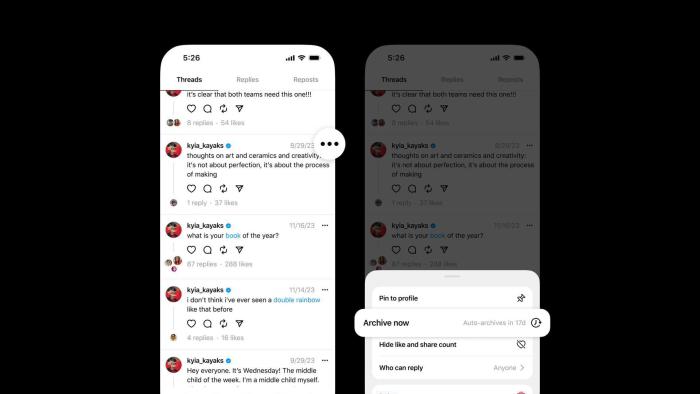
Threads is getting its own Hidden Words featureThe tool has been available on its sister site Instagram. By S. Fielding, 04.25.2024
FCC votes to restore net neutrality protectionsCommissioners voted along party lines to reinstate the Obama-era rules.By K. Holt, 04.25.2024
The world’s biggest 3D printer can a make a house in under 80 hoursIt can also theoretically make military vehicles, bridges and more. By L. Bonk, 04.25.2024
Garry’s Mod faces deluge of Nintendo-related DMCA takedown noticesIt says it will address the requests despite suggestions they didn't come from Nintendo.By M. Moon, 04.25.2024
The best gifts for teachersFrom digital frames to cold-brew accessories, these are items any educator would appreciate.By Engadget, 04.25.2024
The Morning After: Testing the Rabbit R1's AI assistant skillsOur early impressions ahead of a full review.By M. Smith, 04.25.2024
Adobe's new upscaling tech uses AI to sharpen videoVideoGigaGAN can enhance sharpness 8 times with fewer artifacts than before. By S. Dent, 04.25.2024
The best MacBook accessories for 2024Step up your laptop’s game with these handy gadgets.By V. Palladino, A. Skorheim, 04.25.2024
Manhattan's DA wants to know why YouTube is pushing 'ghost gun' tutorials to kidsYouTube has apparently been recommending gun-making videos to kids watching video game content. By M. Moon, 04.25.2024
Threads has 150 million monthly usersMark Zuckerberg has speculated it could be Meta's next billion-user app.By K. Bell, 04.24.2024
TikTok Lite axes ‘addictive as cigarettes’ reward-to-watch feature under the EU’s watchful eyeThe Digital Services Act’s regulatory muscles effectively forced the suspension.By W. Shanklin, 04.24.2024
PUBG will take a nostalgia-infused trip back to its first map in MayErangel Classic blends the “charmingly tacky” elements of the original with modern gameplay improvements.By W. Shanklin, 04.24.2024
JetBlue's in-flight entertainment system just got a watch party featureThe new platform also offers content recommendations and lets customers pick up from where they left off during a previous trip. By L. Bonk, 04.24.2024