0
Stripe is reportedly in talks to buy PayPal
Stripe and private equity firm Advent previously offered a deal PayPal didn't take, the Wall Street Journal says. Now, they're negotiating a new price.
Read More

Stripe and private equity firm Advent previously offered a deal PayPal didn't take, the Wall Street Journal says. Now, they're negotiating a new price.
Read MoreThe company will also be able to expand its fleet across more of the San Francisco Bay Area and Los Angeles.
Read MoreThat makes it the cheapest EV in Kia's lineup.
Read MoreThe invisible SynthID will remain.
Read MoreDash cam laws vary from one state to the next. Check the laws of states you'll be driving through.
Read MoreLaptop batteries don't last forever, but there are some things that you can do today that may affect the lifespan of your MacBook's battery.
Read MoreDeepSeek has announced price hikes for its V4 models.
Read MorePresident Trump has imposed tariffs up to 100 percent on drones that are "particularly sensitive" for national security.
Read MoreThe amorphous corporate mascot will no longer haunt Copilot Voice.
Read MoreThe feature is rolling out as the company open-sources more of its ranking algorithm.
Read MoreHosting provider Namecheap is down after data center cooling failure.
Read MoreUS government to allow private companies to carry out cyberattacks on its behalf.
Read MoreFlock tries to make its cameras harder for cops to misuse.
Read MoreApple appears to be trying to secure access to new content and other information for Siri AI.
Read MoreSpotify's forthcoming paid add-on lets fans generate content via "AI-powered creative tools."
Read MoreHeart Aerospace's X1 all-electric demonstrator flew for 27 minutes on just $5 of electricity.
Read MoreGet familiar with easy methods to elevate your photos and make them look crisp, clean, and visually appealing without diving into complicated software.
Read MoreVirgin Galactic’s new spaceship won’t be taking tourists to space this year.
Read MoreApple just made around 20 classic movies available for subscribers to stream.
Read MoreMeta is donating 15,000 Ray-Ban Meta glasses to an Irish charity supporting people with sight loss.
Read MoreCome hang out with us as we liveblog Google's Pixel 11 launch today. Our comments (not DMs) are open.
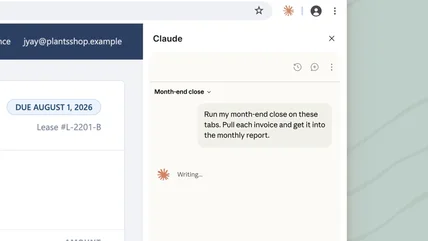
Read MoreTake your conversations with the chatbot into the Anthropic browser extension.
Read MoreA new lawsuit claims the Truth API violates the First and Fifth Amendments.
Read MoreThe Pixel Tag, Pixel 11 and Pixel Watch 5 are here.
Read MoreAs of August 2026, you can send unlimited texts to ChatGPT.
Read MoreThere’s now an opt-out toggle for something that should have been opt-in to begin with.
Read MoreThe big news with Honor's latest is the automated pop-up camera gimbal.
Read More