Mona Lalwani

Engadget Editorial Policies

The unique content on Engadget is a result of skilled collaboration between writers and editors with broad journalistic, academic, and practical expertise.

In pursuit of our mission to provide accurate and ethical coverage, the Engadget editorial team consistently fact-checks and reviews site content to provide readers with an informative, entertaining, and engaging experience. Click here for more information on our editorial process.

Stories By Mona Lalwani

  • Motion-tracking projector puts a laser show on moving faces

    The combination of face-mapping and video projections makes for a trippy experience. The technology transforms the human face into a canvas for digital art. When a bright red lightning bolt appeared on Lady Gaga's face during her David Bowie tribute at the Grammys last year, the projection mapping technique went from niche studios to a mainstream audience. Now, the studio behind that performance has dropped a visual experiment called Inori to demonstrate the pace and precision of a new system.

    By Mona Lalwani Read More
  • Amazon takes on supermarkets with drive-through grocery pickup

    Over the last couple of decades, Amazon has slowly conquered the online retail space. The Seattle-based e-commerce company has made it possible to purchase any thing from books to live ladybugs within seconds. But the site hasn't seen the same success with groceries. With AmazonFresh, a monthly subscription for pantry items, the one-click convenience became available for food but consumers continue to stay skeptical of purchasing fruits and veggies online. Now, the company has launched AmazonFresh Pickup, essentially a drive-through, so shoppers can grab their groceries in-person but they never have to leave their car.

    By Mona Lalwani Read More
  • Sony put four perspectives in one VR headset

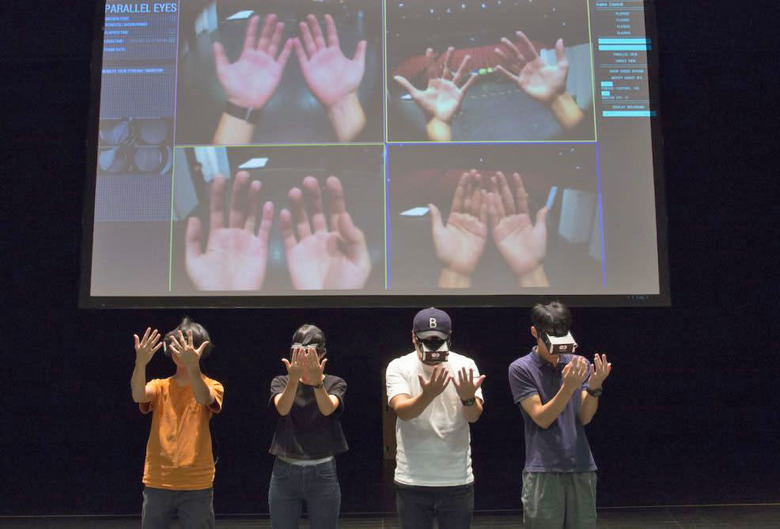
    At the back of a cold gray warehouse in Austin, Texas, I put on a headset and proceeded to chase three strangers in a game of tag at SXSW. I was expecting an immersive VR experience far removed from reality but instead the head mounted display split my field of view into four squares that represented different perspectives of the room. The top left corner showed me what I was looking at while adjacent blocks brought in the view of the room as seen from the other participants' eyes.

    By Mona Lalwani Read More
  • Exploring death through the isolation of VR

    I'm sitting on a field of tall, red grass staring straight ahead at a lone tree. Its leaves match the crimson landscape that stretches out before me. In the distance, a rusty orange forest fades into the background. There's a gentle rustling of leaves, occasionally interrupted by the faint chirping of a bird, that forces me to breathe slower.

    By Mona Lalwani Read More
  • Visitors with e-visas will get activated SIM cards in India

    In a push to make travel easier, tourists on e-visas will now be greeted with SIM cards in India. The move will allow visitors to connect with locals on arrival without having to wait for hours to get their phones activated. They will also be able to call a 24-hour helpline that will be accessible in 12 languages like Russian, German, Japanese and more. The SIM cards issued by Bharat Sanchar Nigam Limited, a government-owned telecommunications company, will be pre-loaded with about 70 cents (50 rupees) worth of talk time along with 50MB data.

    By Mona Lalwani Read More
  • Mastercard built a mobile marketplace for farmers in East Africa

    More than two billion people across the world continue to stay unbanked. One of the biggest reasons for that exclusion is accessibility. In developing countries in particular, low-income groups tend to get left out of the fold because they don't have access to basic banking services. But now, as simple services like mobile banking have proven to help people transition out of poverty in Africa, organizations are starting to focus on the financial inclusion of vulnerable communities. 2Kuze, a mobile payment solution from Mastercard Labs, is one such initiative that is built for farmers in Kenya.

    By Mona Lalwani Read More
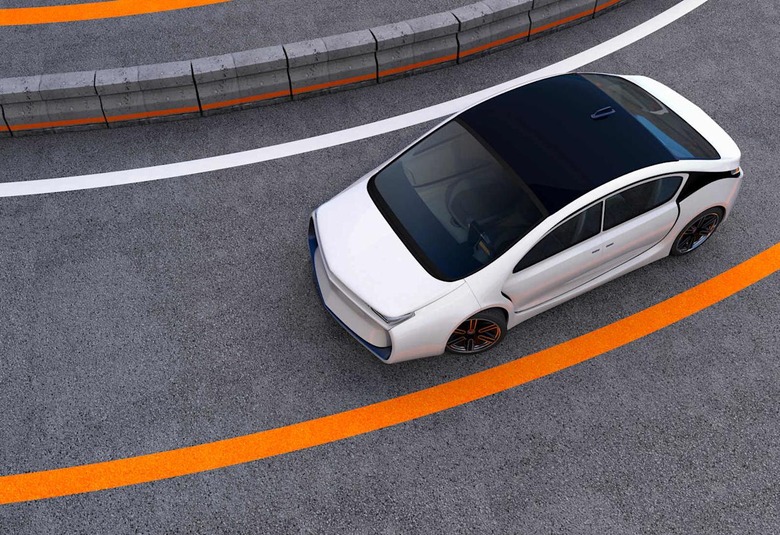
  • Alexa will make your car smarter -- and vice versa

    Every year at CES, some of the world's biggest tech companies try to one-up each other. TVs get thinner and brighter. Home appliances get chattier and robots get friendlier. But this year, instead of standing out for their memorable devices, a lot of companies showed up with a shared identity: the voice of Alexa.

    By Mona Lalwani Read More
  • The Smartcane alerts your family in case of a fall

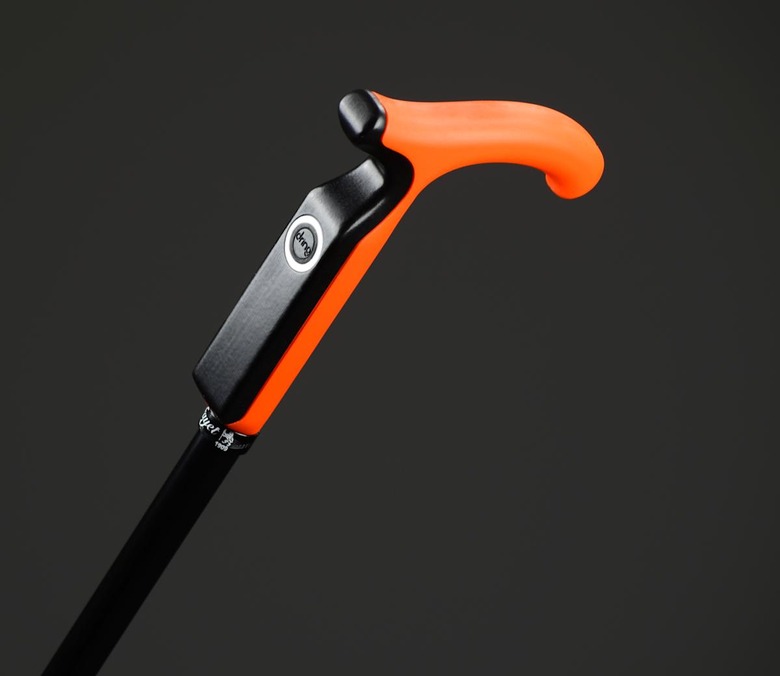
    Against the backdrop of flashy TV screens and futuristic cars, it's hard for a company to make an impression with a smart walking stick. But the Dring Smartcane, from French startup Nov'in, made its mark at CES this year. The company wants to bring the centuries-old mobility tool into the digital age with motion sensors. Geared toward the elderly and people with low mobility, the cane has a built-in accelerometer and gyroscope to track the user's movements.

    By Mona Lalwani Read More
  • Whill's all-terrain wheelchair is built for rough surfaces

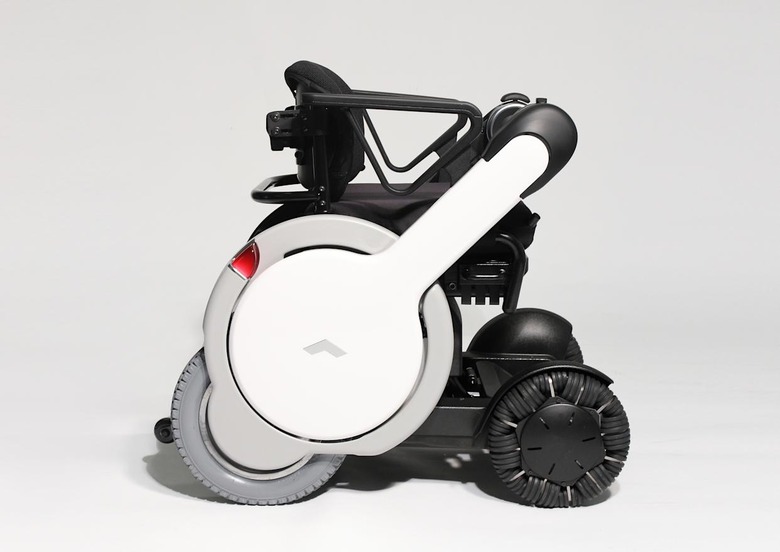
    Danielle Kent rode her wheelchair toward a black ramp at the Las Vegas Convention Center, where CES is taking place. She gently pressed on a small controller on the right armrest before the powered wheelchair went over a 3-inch bump to climb the incline. Seconds later, Kent made a smooth turn onto a stone-covered path. The personal vehicle, designed by a wheelchair-making company called Whill, navigated the bumpy end of the ramp with ease.

    By Mona Lalwani Read More
  • Sennheiser Ambeo headphones record your surroundings for better audio

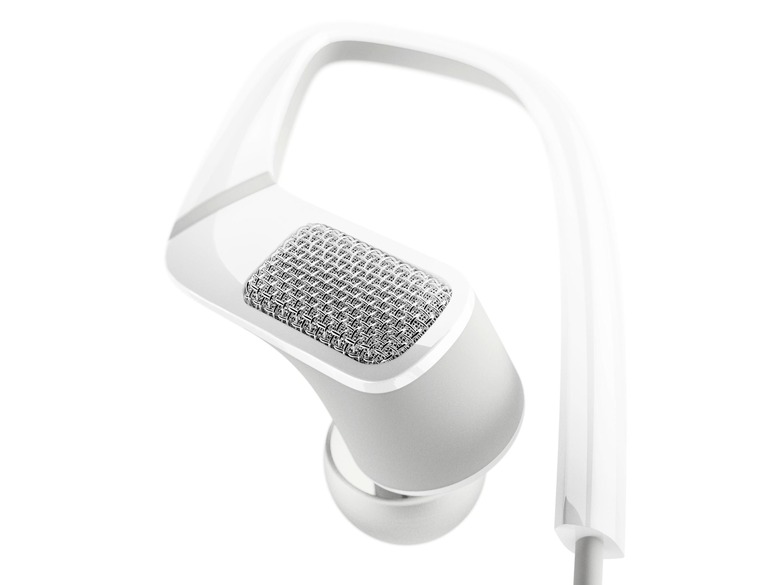
    Binaural audio replicates the natural listening experience for a user. It captures the soundscape as it's heard by human ears. When played back, it creates an immersive audio experience that has been acknowledged as a significant component of virtual- and mixed-reality experiences. But the technique hasn't made a mark on everyday listening experiences yet. Movies, games and music are still widely experienced in stereo sound.

    By Mona Lalwani Read More
  • Amazon Alexa now lives inside a dancing robot

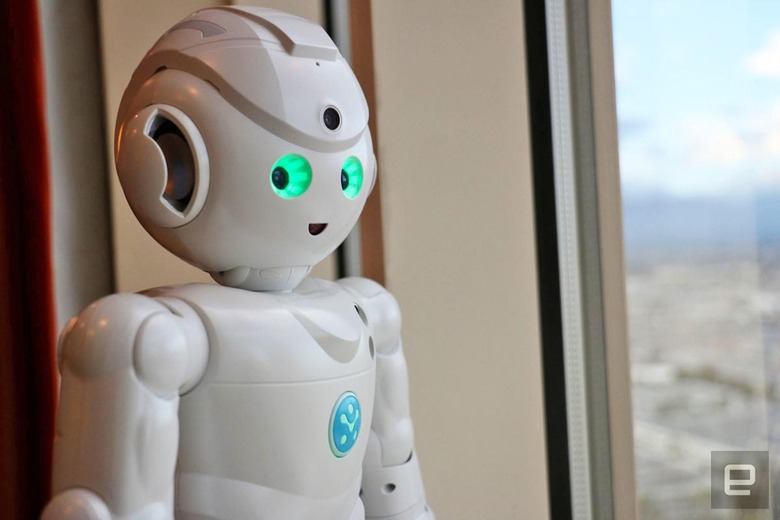
    "Inhale. Stretch right leg back as far as possible." Lynx, a small white humanoid, gave yoga instructions as it slid its chunky leg back for the pose. A bright blue light flashed across the side of its round head to indicate activity. After a few more leg movements, it came back into standing position when Alexa's voice boomed: "Your next exercise is waist stretching."

    By Mona Lalwani Read More
  • ReNu is an acoustic kit that sends calming vibes to your brain

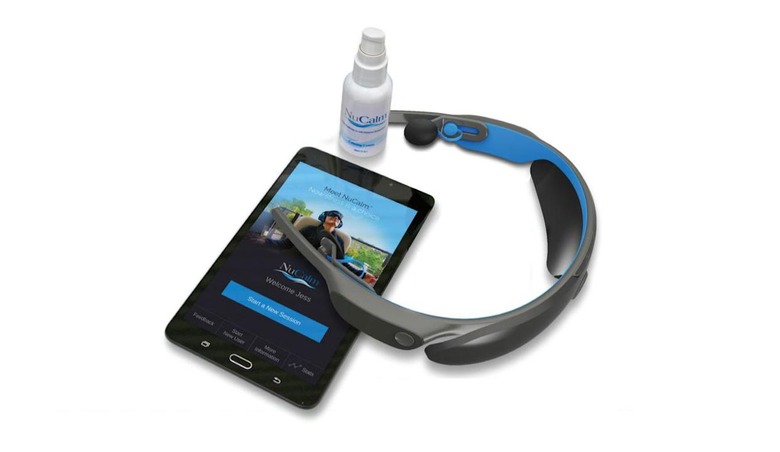
    Millions of Americans live with chronic or episodic anxiety. While technology has become one of the main contributors of that stress, it also has the potential to provide the solution. The market for stress-reducing technologies has been booming for a few years. NuCalm, from Solace Lifesciences, was first introduced in 2010 as a drug-free, stress-intervention system that moderated adrenaline levels in the body. The technology, which was adopted in clinical settings such as dental clinics over the past few years, now has a consumer headset version. At CES today, the company introduced ReNu, a stress-management kit that induces a deep slumber through a proprietary software.

    By Mona Lalwani Read More
  • AI was everywhere in 2016

    At the Four Seasons hotel in South Korea, AlphaGO stunned grandmaster Lee Sodol at the complex and highly intuitive game of Go. Google's artificially intelligent system defeated the 18-time world champion in a string of games earlier this year. Backed by the company's superior machine-learning techniques, AlphaGo had processed thousands and thousands of Go moves from previous human-to-human games to develop its own ability to think strategically.

    By Mona Lalwani Read More
  • How humans and machines can work together to save the tuna

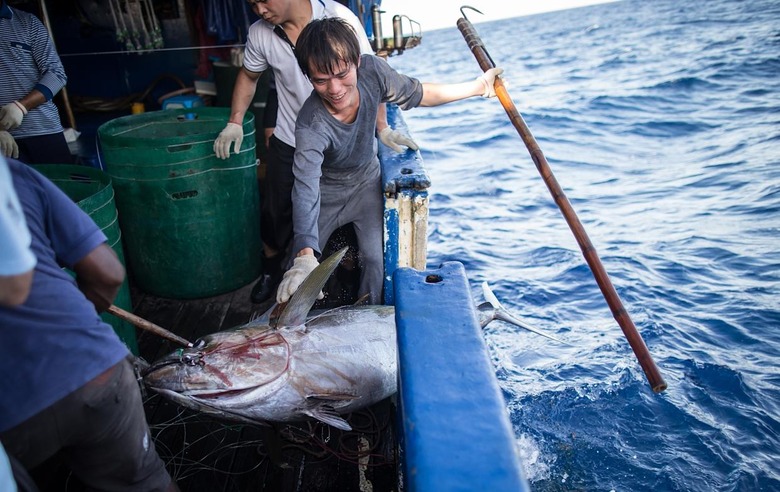
    From sashimi to tartare, tuna is in demand year-round. More than half of the world's high-grade fish supply comes from the central and western Pacific Ocean, a region that accounts for a $7 billion market. The popularity of tuna sustains small fishing communities in distant places like Palau. But it also threatens an aquatic population that has been dwindling at an alarming rate. Over the past few years, unregulated fishing practices in tuna-rich Pacific regions have threatened to wipe out rich species like the bluefin and bigeye. The ecological disturbance has raised a red flag among conservationists who are now looking to artificial intelligence for a solution to keep Palauan fisheries in check.

    By Mona Lalwani Read More
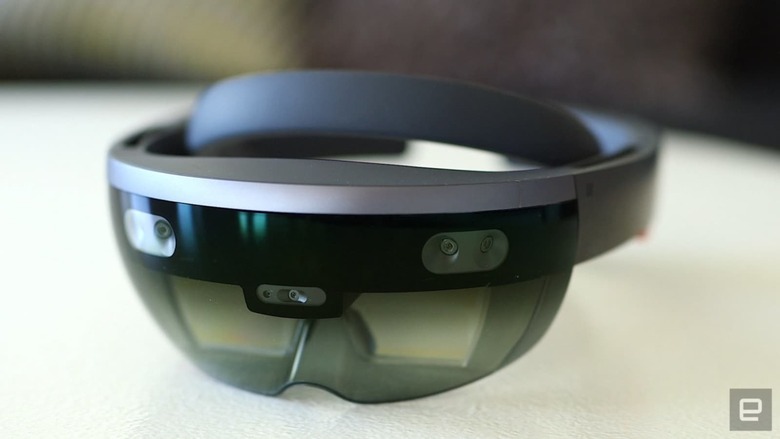
  • 3D audio is the secret to HoloLens' convincing holograms

    The streets of Microsoft's campus are lined with tall fir trees. A drive through lush, green urban woods reveals dozens of nondescript buildings. Minibuses shuttle employees across the company's 500-acre headquarters in Redmond, Washington. Inside Building 99, a concrete and glass structure that houses Microsoft Research, Ivan Tashev walked through the quiet halls toward his lab, where he devised the spatial sound system for HoloLens. Tashev leads the audio group at Microsoft Research, which is the second largest computer science organization in the world. For HoloLens, a mixed reality headset that places holograms in your immediate environment, his team worked on a sound system that creates the illusion of 3D audio to bring virtual objects to life.

    By Mona Lalwani Read More
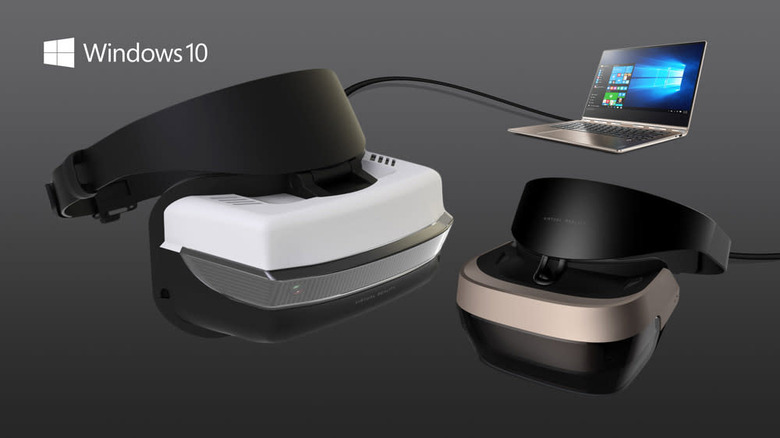
  • Lenovo, HP and Dell are all working on $300 Windows VR headsets

    Microsoft's holographic computing platform will cross over to the world of virtual reality. The company first revealed its hybrid-VR ambitions at Computex earlier this year and today that vision was solidified on stage at its big Surface event in New York City. Microsoft has partnered with companies like HP, ASUS, Lenovo, Dell and Acer to bring a slew of affordable VR headsets, all of which are said to start at $299.

    By Mona Lalwani Read More
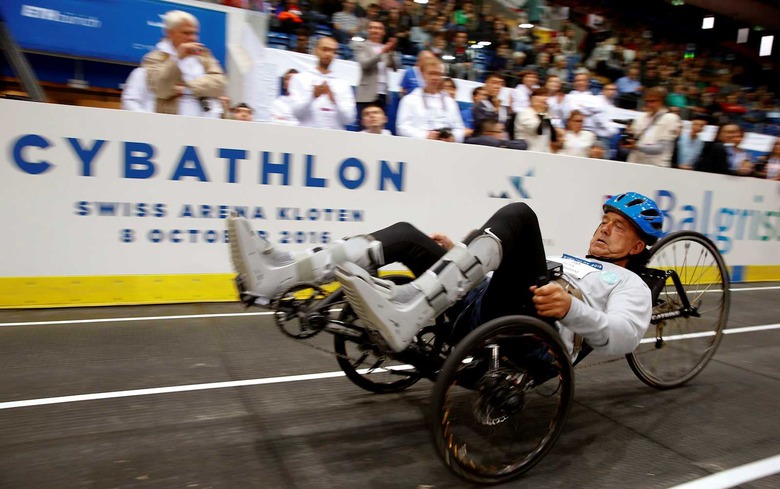
  • The first Cybathlon pushed the limits of bionic technology

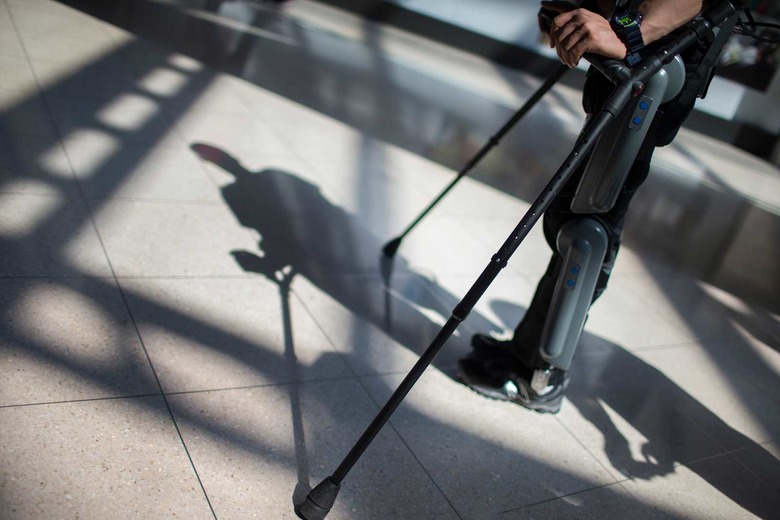
    Andre van Rüschen slowly climbed a five-step ramp at the end of his race. With a black processor strapped to his back and leg supports on either side of his lower limbs, he stayed focused on the body-machine coordination that was keeping him upright. He had walked over a wooden slope, criss-crossed bright yellow bars and tried to step on gray discs that were placed irregularly on the floor. Now, standing atop the last obstacle in the exoskeleton race, he took a moment to pause and look up at his opponent on the adjacent track. They were both on the ramp, going head-to-head at the world's first Cybathlon, a sporting competition designed for people with severe disabilities. The crowd inside the Swiss Arena in Zürich cheered them on. Van Rüschen, the German pilot who was using a ReWalk exoskeleton, quickly regained his focus and prepared to walk down the next five steps to complete the race. He hit a button on the remote around his wrist to change the settings from "walk" to "climb" and quickly adjusted his upper body to balance his weight on the crutches in his hands. With his competitor, Mark Daniel, right on his heels, he leaned forward to pick up the pace.

    By Mona Lalwani Read More
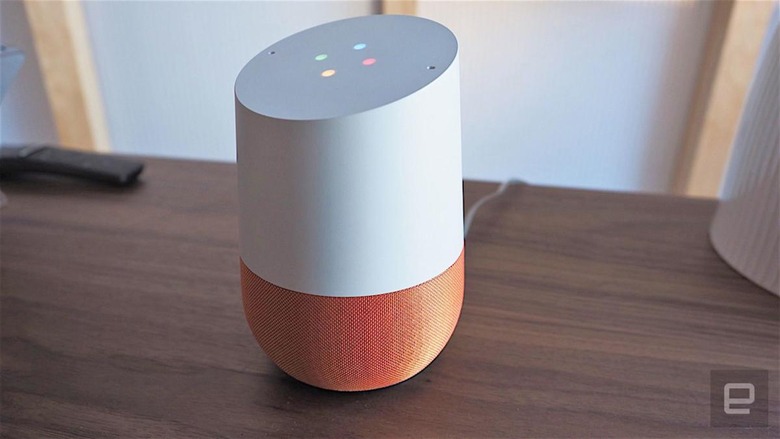
  • Personal assistants are ushering in the age of AI at home

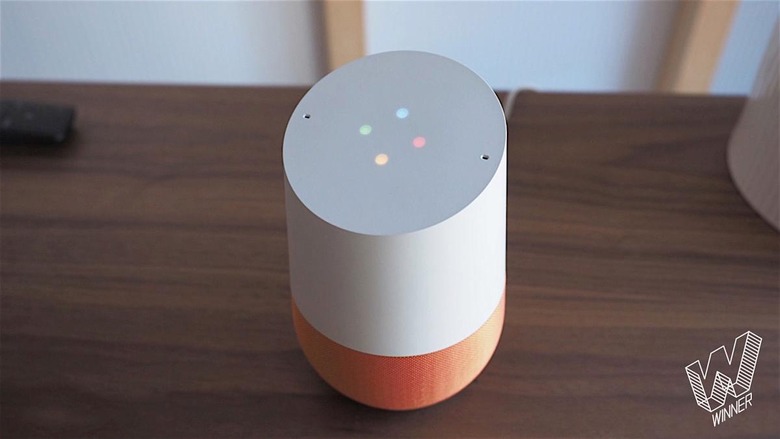
    Google Home is the latest embodiment of a virtual assistant. The voice-activated speaker can help you make a dinner reservation, remind you to catch your flight, fire up your favorite playlist and even translate words for you on the fly. While the voice interface is expected to make quotidian tasks easier, it also gives the company unprecedented access to human patterns and preferences that are crucial to the next phase of artificial intelligence. Comparing an AI agent to a personal assistant, as most companies have been doing of late, makes for a powerful metaphor. It is one that is indicative of the human capabilities that most major technology companies want their disembodied helpers to adopt. Over the last couple of years, with improvements in speech-recognition technology, Siri, Cortana and Google Now have slowly learned to move beyond the basics of weather updates to take on more complex responsibilities like managing your calendar or answering your queries. But products that invade our personal spaces -- like Amazon's Echo and Google Home -- point to a larger shift in human-device interaction that is currently underway.

    By Mona Lalwani Read More
  • Pushing the limits of exoskeleton technology at the Cybathlon

    Andre van Rüschen has no memory of the day he lost all feeling in his legs. After a car accident in Germany, he had a spinal cord injury that left him paralyzed from the waist down. When he woke up from a coma in a hospital in Hamburg, the doctors told him he would never walk again. But now, thirteen years later, van Rüschen is back on his feet, and he is training to compete as a pilot in the Powered Exoskeleton race at the Cybathlon in Zurich this month.

    By Mona Lalwani Read More
  • The United Nations is turning VR into a tool for social change

    Virtual reality is lauded as an empathy generator. The ability to transport viewers to a setting that would otherwise be inaccessible, or even unfathomable, lends a sense of poignancy to the medium. Over the last two years, journalistic stories and charitable causes have been translated into VR films to raise awareness. In particular, the United Nations Virtual Reality initiative has been using the medium as an advocacy tool for vulnerable communities across the world. And now with the recent launch of a mobile app that introduces a "take action" button for the viewers to engage with the social issues, UNVR is looking to convert compassion into action. The app, led by Gabo Arora, the UN creative director who spearheads the organization's VR productions, will host experiences like Clouds Over Sidra, which places viewers alongside a 12-year-old girl in a Syrian refugee camp; Waves of Grace, which brings them into the world of an Ebola survivor in Liberia; and My Mother's Wing, which takes them to a home in Gaza, where a mother lost her two young sons in the bombing of the UNRWA school.

    By Mona Lalwani Read More
  • Powered prosthetics turn mundane tasks into monumental feats

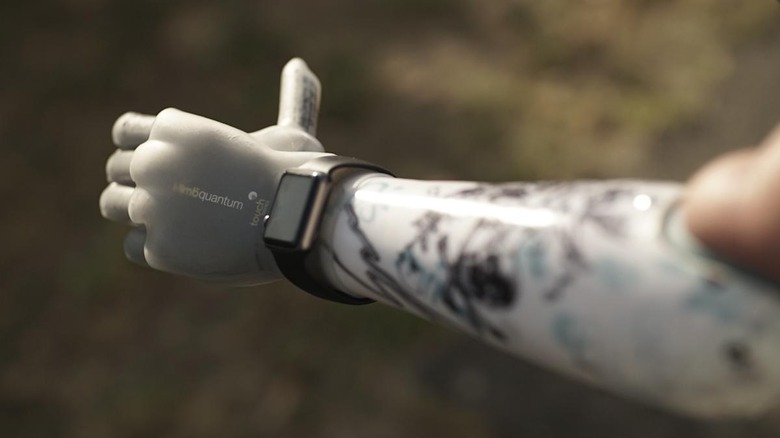
    Lukas Kalemba was walking home with some friends after a night of partying and drinking in Dortmund, Germany, in 2003. While crossing a bridge along the way, he stopped to rest but lost his balance and fell over. In an attempt to break his fall, he instinctively reached out and grabbed a wire that stretched across. It kept him from falling 20 feet to the ground immediately but the wire sent a high-voltage current through the left side of his body, causing irreparable damage to his leg. Kalemba became an above-the-knee amputee when he was 19 years old. He was in an induced coma for three weeks until the doctors brought the pain down to a manageable level. "The first time I noticed it was in the hospital when I stood up at night to go to the toilet," he says. "I wanted to stand on my left foot [but] I crashed on the floor."

    By Mona Lalwani Read More
  • A bike accident left him paralyzed; electricity let him ride again

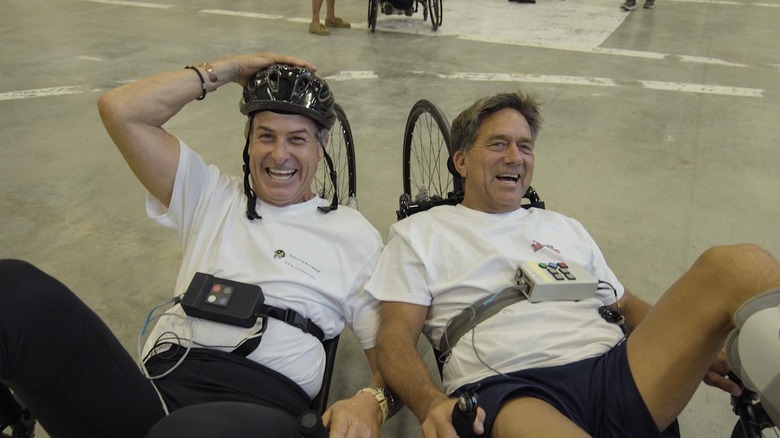
    During a prerun of the Baja 1000, one of the world's most treacherous off-road races, Michael McClellan rode his dirt bike out to the front. He traversed the rough terrain of Mexico's northwest peninsula, eventually coming up hard on a washed-up break in the road. In the moment, McClellan decided to take the jump. The front tire made it over the gaping hole, but the back end came up short. The force of the impact crushed his bike and burst the T11 vertebra in his spinal cord, leaving his lower body paralyzed before he even hit the ground.

    By Mona Lalwani Read More
  • Human and machine become one for birth of the Cybathlon

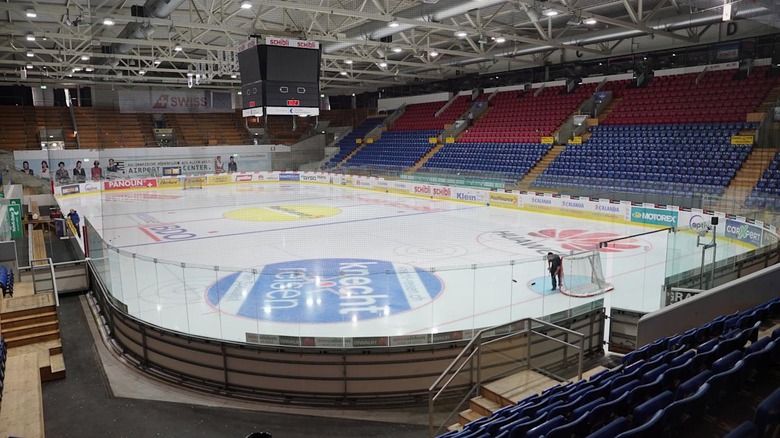
    On a bright Tuesday morning, about six miles north of Zürich, an ice-hockey team skates onto a rink for a practice round. Each player, dressed in a white jersey and matching protective gear, slides a puck in the direction of a heavily padded goaltender. The little discs swish across the floor in a black blur before smashing against the peripheral walls in loud thuds that echo throughout the Swiss Arena. The arena is home to the Kloten Flyers, Switzerland's leading hockey team, who regularly play to a packed house. But in less than a month, the icy floor inside the country's largest indoor venue will transform into a race course for a different kind of sporting event. On Oct. 8th, the stadium will open its doors to the world's first Cybathlon, a multidiscipline competition for people with disabilities who use bionic technologies to augment their bodies.

    By Mona Lalwani Read More
  • The next wave of AI is rooted in human culture and history

    Understanding humans is essential to the design and experience of a technology. For decades, major corporations have turned to social scientists for insight into human behavior, culture and history. At Intel, Genevieve Bell, a prominent Australian anthropologist with a Ph.D. from Stanford University, has been tracking societal trends across the world to help build technologies that are fine-tuned to the needs of the people who will interact with them.

    By Mona Lalwani Read More
  • Eye-tracking software can gauge your intent and boredom in VR

    One of the singular things about virtual reality is the freedom to look in any direction. But that's also one of its biggest narrative problems. How does a storyteller retain control when the viewer is free to decide where to look? The answer, it seems, is in the eyes.

    By Mona Lalwani Read More