0
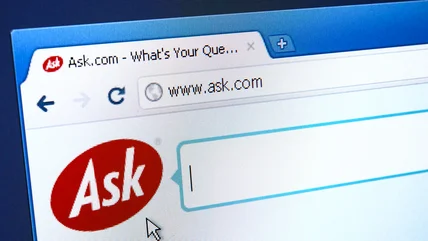
Ask.com has shut down, marking the official farewell to the Internet's favorite butler
RIP to the original AI search bot.
Read More

RIP to the original AI search bot.
Read MoreIt’s like Microsoft’s Clippy, but useful.
Read MoreThe cars made at the Giga Shanghai factory start at $39,490 CAD, or roughly $29,000 in USD for a Model 3 Premium Rear-Wheel Drive variant.
Read MoreThe company has purchased Assured Robot Intelligence, whose staff is joining Meta's Superintelligence Labs.
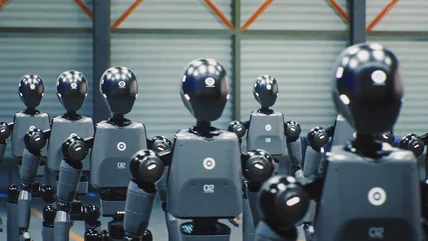
Read MoreWill that stop them from taking over?
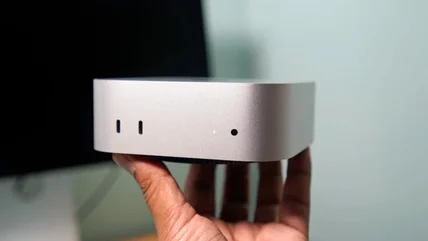
Read MoreThe compact desktop Mac now starts at $799 and comes with 512GB of storage.
Read MoreThey join Google, OpenAI and xAI.
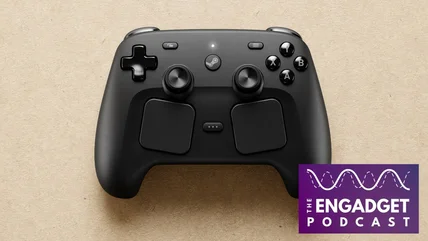
Read MoreAnd why it's not exactly a PC gamepad.
Read MoreDid Instagram put its feed slop on notice?
Read MoreIt's pledged to invest more into its division making ceramics used in the production of NAND memory.
Read MoreAn SDK will allow developers to start building non-commercial tools soon.
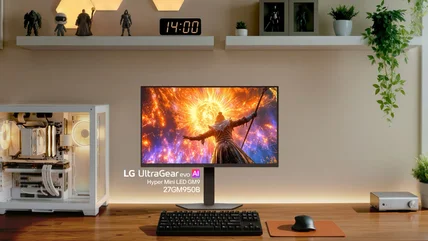
Read MoreThe monitor uses a Mini LED screen and supports AI upscaling for lower resolution content.
Read MoreIt’s a rare moment of working across the aisle.
Read MoreA warning for all you nerds out there.
Read MoreMeme creators and others who don't make "material" edits could get their reach throttled by Meta.
Read MoreThe CEO wants to make an agent so easy even his mom can use it.
Read MoreNo need to copy and paste Gemini's outputs anymore.
Read MoreAt least now you can figure out what to wear without physically going to your closet?
Read MoreThe new Razr Fold even has native stylus support, unlike Samsung's most recent flagship.
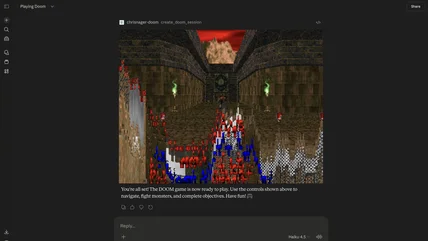
Read MoreThe latest answer to the always-relevant question: "Can it run Doom?"
Read MoreUber is adding a host of features to its app for when you're away from home.
Read More