0
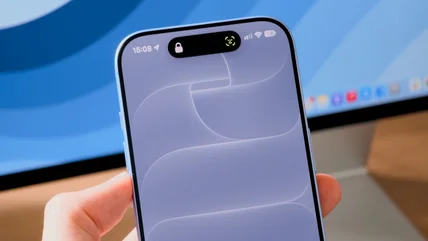
Apple's iOS 27.0.1 update arrives with fixes for Face ID and touchscreen issues
Why you should update your iPhone 18 Pro to iOS 27.0.1.
Read More

Why you should update your iPhone 18 Pro to iOS 27.0.1.
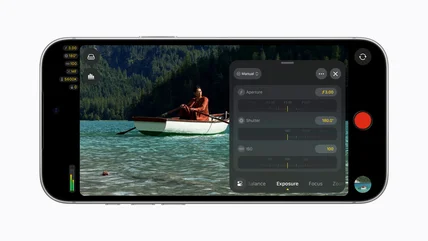
Read MoreThe company is also rolling out new features across several of its Creator Studio apps.
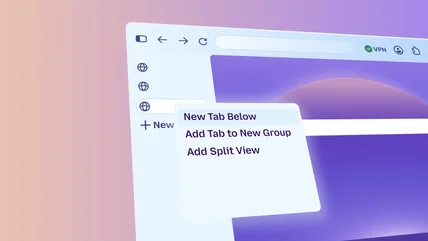
Read MoreThe redesigned browser brings back compact mode and adds a theme picker.
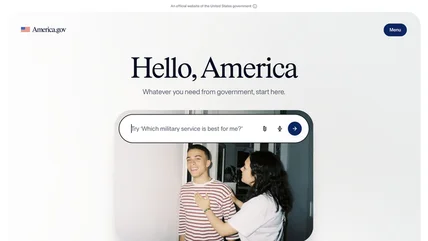
Read MoreThe administration wants America.gov to be the main portal for federal services.
Read MoreCEO Sam Altman is expected to take the stage today.
Read MoreHow long until every other AI company does the same?
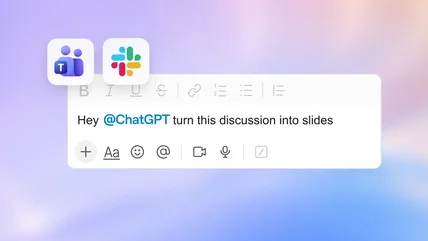
Read MoreChatGPT is coming to Slack and Microsoft Teams too.
Read MoreIts food isn't the only thing leaving a bad taste in customers' mouths.
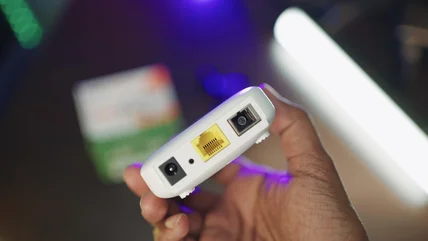
Read MoreTravel routers simplify the process of connecting a half-dozen devices to hotel Wi-Fi, but they aren't necessary in simpler setups.
Read MoreCryptocurrency linked to crime; in other news: fork found in drawer.
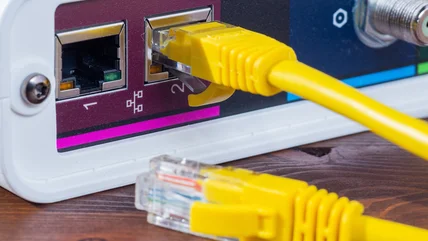
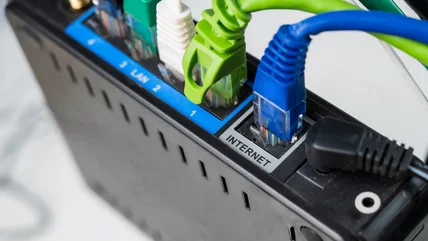
Read MoreIf you're deciding between a Cat6 and a Cat7 Ethernet cable, this is what you need to know about how it will affect your home internet.
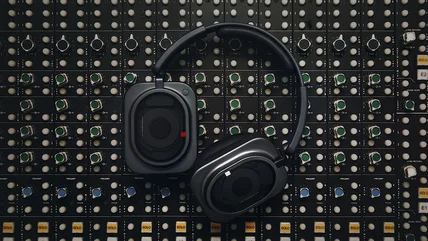
Read MoreThe tech should reduce audio distortion for these over-ear ANC cans.
Read MoreA self-heating mug is a great idea, but for $150, Ember's third-generation flagship is a tough sell.
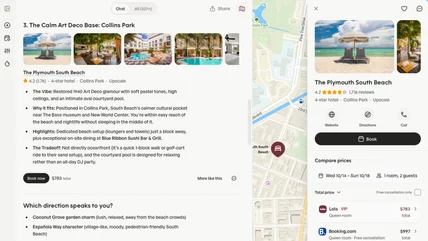
Read More\A new AI agent can book trips, concert tickets, restaurants and more.
Read MoreDo you need an expensive Ethernet cable, or will a cheap one perform just as well? Let's explore whether higher-priced cables are worth it.
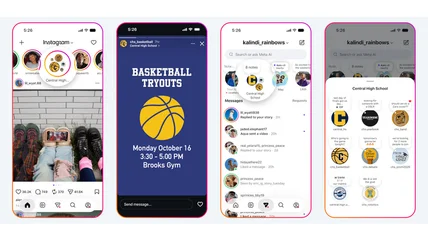
Read MoreInstagram has expanded the features its School Partnership Program can access.
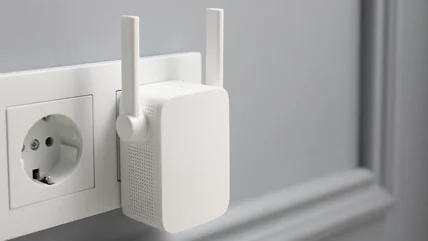
Read MoreA Wi-Fi repeater seems like an easy fix to wireless network problems in your house, but it's rarely the best option.
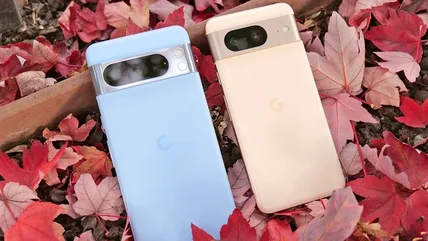
Read MoreGoogle's Pixel 8 phone has been around for a few years, so there are plenty of used and refurbished units available.
Read MoreI guess "reasonably-sized gathering speaker" doesn't have the same ring.
Read MoreNothing’s new ‘pro’ headphones feature a flat EQ, bucking the trend of custom equalizers.
Read MoreDespite a $2 trillion valuation ahead of its IPO, Anthropic hasn't been a money-spinning operation so far.
Read MoreThe agent can now connect to ad accounts and analytics for Instagram and Facebook.
Read MoreAccording to The New York Times, OpenAI scrapped GPT-6.1 Astra’s release because it didn’t meet safety standards.
Read MoreIt's limited to Opera users in certain countries, however.
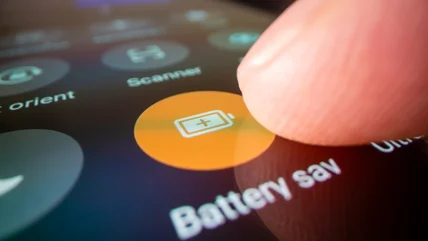
Read MoreDon't give up just yet on your Android. If the poor battery is your main complaint, give these usage and settings tips a try.
Read MoreThis easy Android tweak makes navigating your phone and switching apps feel almost immediate. And it's really easy to set up. Here's how.
Read More