Inhabitat

Engadget Editorial Policies

The unique content on Engadget is a result of skilled collaboration between writers and editors with broad journalistic, academic, and practical expertise.

In pursuit of our mission to provide accurate and ethical coverage, the Engadget editorial team consistently fact-checks and reviews site content to provide readers with an informative, entertaining, and engaging experience. Click here for more information on our editorial process.

Stories By Inhabitat

  • Panasonic's indoor farm, and more in the week that was

    Tesla's groundbreaking affordable electric car is nearly here. This week the automaker announced plans to begin production on the Model 3 by the end of the month. Meanwhile, environmental champion Leonardo DiCaprio just signed up as the official ambassador for BYD's new line of EVs. Georgia broke ground on a road paved with 18 miles of solar panels, and the tiny TigerMoth camper is an off-grid shelter that generates power while it's being towed.

    By Inhabitat Read More
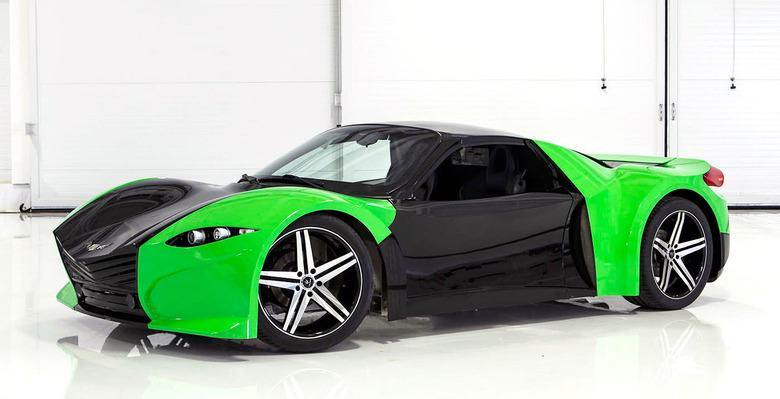
  • An all-electric supercar, and more in the week that was

    In a major win for clean energy, Tesla just unveiled the biggest battery storage facility on the planet. It's made from 396 Powerpacks, and it can store 80 megawatt-hours of electricity -- enough to power 2,500 households for an entire day. Meanwhile, the world's most powerful wind turbine shattered the world record for energy produced in 24 hours. Researchers in Scotland developed a groundbreaking system that uses sunlight to purify water in rural India. And SunGlacier developed a solar machine that harvests fresh H2O from thin air.

    By Inhabitat Read More
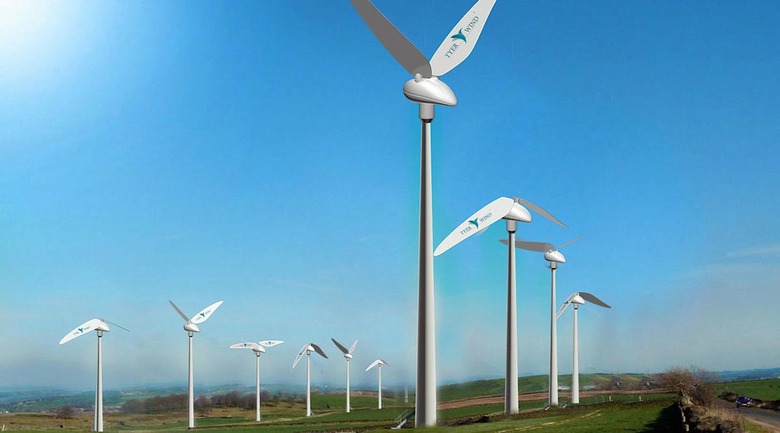
  • Hummingbird-inspired wind turbines, and more in the week that was

    It's official: New York just gave the green light to build the largest offshore wind farm in US history. The project will be located 30 miles southeast of Montauk, and it will produce enough energy to power 50,000 homes. Meanwhile, researchers have developed a revolutionary new wind turbine that trades spinning blades for flapping wings reminiscent of a hummingbird. Dubai kicked off phase three of the world's largest solar park. When it's complete it will produce a whopping 800 megawatts of clean energy. Speaking of the sort, Elon Musk is a champion of clean energy -- so imagine our surprise when Musk threw his support behind former ExxonMobil CEO Rex Tillerson as Secretary of State. And Ireland just voted to become the world's first country to fully divest from fossil fuels.

    By Inhabitat Read More
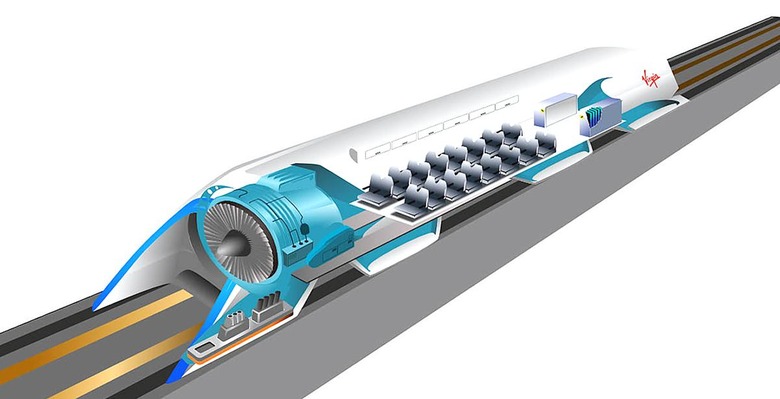
  • South Korea's sound barrier-chasing train, and more in the week that was

    Tesla's Gigafactory is spitting out lithium-ion batteries at breakneck pace, but the automaker isn't stopping there. Elon Musk just announced plans to give the factory a $350 million upgrade so that it can manufacture electric motors and gearboxes for the upcoming Model 3. Meanwhile, South Korea unveiled plans for a new hyper train that can travel nearly as fast as the speed of sound. A German engineer has developed the world's most compact folding bike, which fits into a carry-on suitcase. And New York City is preparing to roll out Citi Bikes that shoot laser bike lanes to keep cyclists safe.

    By Inhabitat Read More
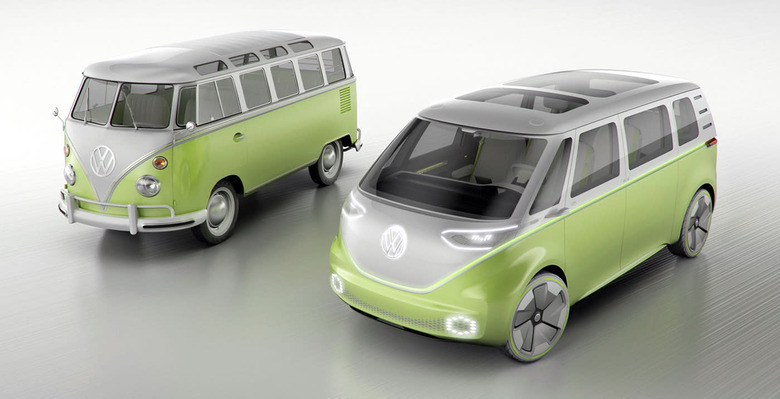
  • Volkswagen's modern Microbus remake, and more in the week that was

    The Volkswagen microbus is one of the most iconic vehicles of all time, and now the automaker is set to revive the classic for the modern era. Meet the I.D. Buzz: VW's all-electric, self-driving microbus of the future. In other auto news, Nissan debuted a stylish Vmotion 2.0 sedan packed with self-driving technology, and the Chevrolet Bolt was named the 2017 North American Car of the Year. IKEA is known for its flat-pack furniture, but it's branching out into urban mobility by launching its very first bike. The Sladda is a chainless aluminum cycle that can be kitted out with front and rear racks, panniers and even a towable cart.

    By Inhabitat Read More
  • Six futuristic off-road vehicles

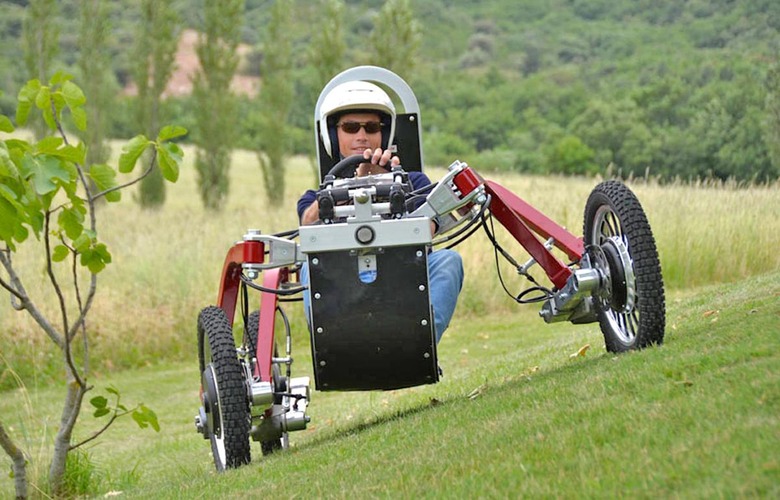
    By Cat DiStasio "Where we're going, we don't need roads." When Doc Brown said it, he was driving a flying time machine, of course. But not all vehicles need to become airborne to travel off the grid. This capability is especially important in rural areas where roads have never existed, or in disaster recovery situations where pathways are no longer passable due to earthquakes or flooding. No matter the reason, a slew of innovations are tackling off-road transportation like never before. Some futuristic all-terrain vehicles are built to drive over just about anything, while others have been engineered to carry their own road surface and pick it back up as they truck along. Whether the situation calls for traveling over impassable obstacles or creating a road for other vehicles, there's a tough machine out there to tackle the job.

    By Inhabitat Read More
  • Toyota's futuristic Concept-i, and more in the week that was

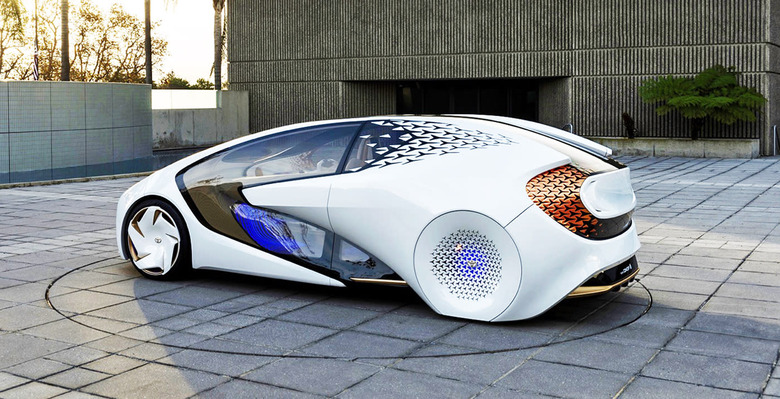
    After years of anticipation, Faraday Future unveiled its "Tesla-killer" FF91 electric car this week -- and it's even faster than a Model S in ludicrous mode. Meanwhile, Nissan announced that its next-gen Leaf EV will be able to drive itself on the highway, and Toyota debuted a futuristic concept car that takes the wheel when drivers get sleepy. China is making a huge investment in high-speed rail to the tune of over $500 billion, and Israel is testing electric roads that wirelessly charge electric vehicles as they drive.

    By Inhabitat Read More
  • Six new technologies that will enable faster, better internet to the world

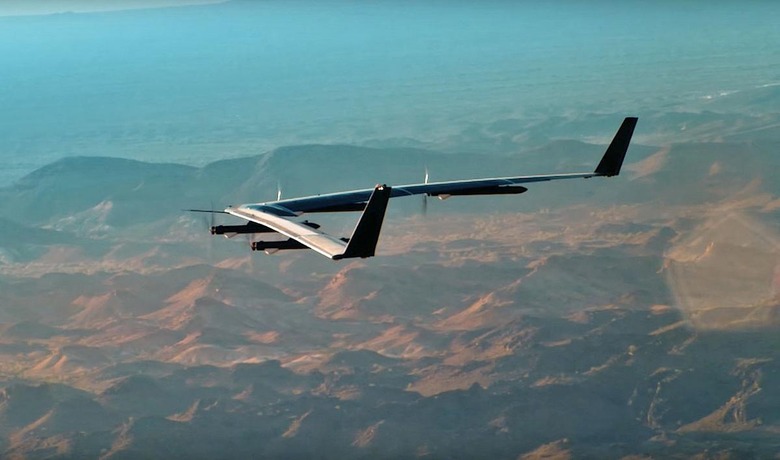
    By Cat DiStasio The internet is one of the most important inventions of the modern era. However, current estimates say that only 40 percent of people around the globe have access. As internet connectivity becomes ever more important, new technologies are emerging to connect the entire globe with better, faster service. On several continents, research and development projects are underway to provide internet connectivity via high-altitude balloons -- not unlike those used to capture weather data, unmanned solar-powered drones and next-generation wireless routers. Each offers higher speeds and more reliability than current modes, plus the obvious benefit: getting the world online, all at the same time.

    By Inhabitat Read More
  • Tesla's new Roadster, and more in the week that was

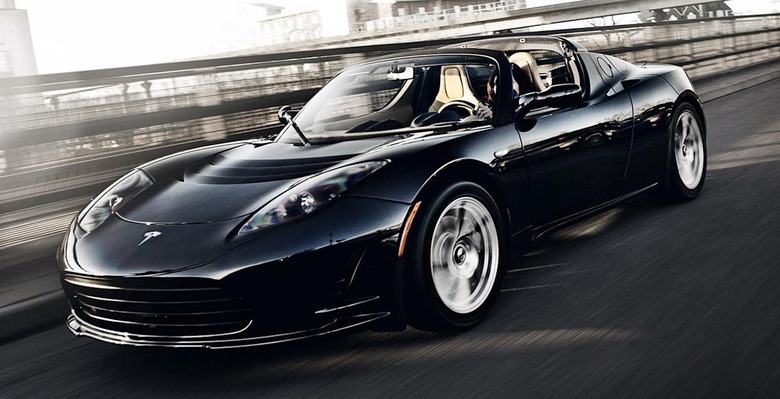
    Has Tesla succeeded in creating a vehicle that reacts faster than its driver? A recently-surfaced dashcam video appears to show Tesla's autopilot mode predicting an accident moments before it actually happens. It currently takes hours to charge an electric car - but Elon Musk just hinted that Tesla's next-gen superchargers will be able to juice up an eve in mere seconds. Musk also confirmed plans for a new Tesla Roadster, which is expected to debut in 2019. Uber recently launched a fleet of self-driving cars in California, but the state promptly shut the experiment down. Uber won't have to look far for a new testing grounds, though - Nevada is welcoming the company's self-driving taxis.

    By Inhabitat Read More
  • Six drones that do good for people and the planet

    When the general public first learned about drones, the context was largely related to military applications and spy tactics, so the unmanned aircraft were cast with a bad rap. Years later, a number of creative technologists have found ways to use drones to help people, animals, and the environment. Drones are being used to protect endangered animals from poachers in Africa, to beam internet access to parts of the world never before served, and even as remote flying builders. Drones are helping humans work on projects - from the curious to the comical - that wouldn't have been possible without the small autonomous aircraft. Read on to learn about some of the most amazing ways drones are helping people and the planet.

    By Inhabitat Read More
  • Apple's new solar-powered campus, and more in the week that was

    As the founder of Tesla, Elon Musk is a proponent of clean technology and renewable energy. That's why it's so surprising that Donald Trump has selected Musk to serve as a strategic advisor -- here's hoping Musk can convince the President-elect to take climate change seriously. In other news, Chevrolet just delivered its first batch of Bolt EVs to customers in the San Francisco Bay Area, beating Tesla's Model 3 to the punch. Steven Hawking is working with NASA to launch a self-healing starship that will search for habitable planets in Alpha Centauri. And Japan Airlines has developed a way to transform old clothing into jet fuel.

    By Inhabitat Read More
  • Six DIY gadgets that improve life in the developing world

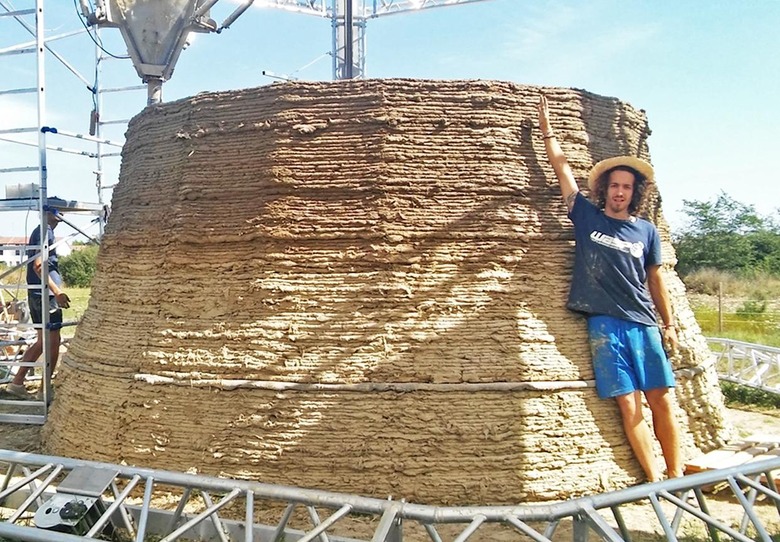
    By Cat DiStasio Around the world, inventors are coming up with amazing DIY gadgets perfectly suited for use in rural and off-grid areas. These gadgets translate into a huge improvement in quality of life for those who use them, by paving the way for affordable housing made from mud, effective energy-free lighting where there was previously darkness, and easy access to clean water. A 14-year-old Indian inventor even created a clever way to quickly launder clothes without electricity. With each of these innovations comes a story of true creativity triumphing over necessity, resulting in a simple, low-cost product that leaves a lasting impact on the lives of people who use them.

    By Inhabitat Read More
  • Lexus' insane LED-covered car, and more in the week that was

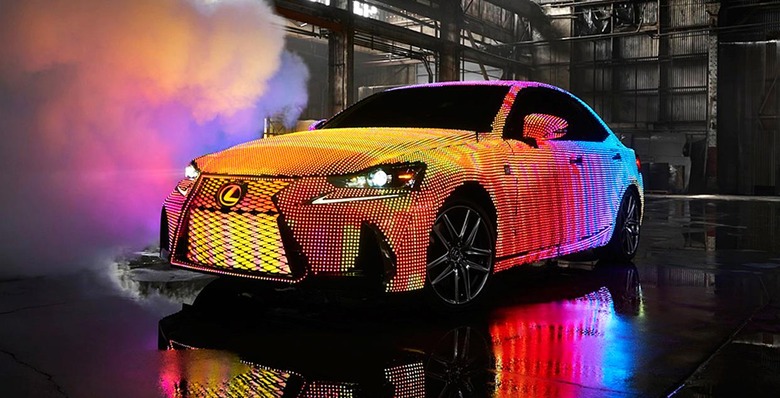
    Transportation startup Lucid Motors is working on an electric car to rival the Tesla Model S, and it just announced plans to build a $700 million manufacturing facility to bring it to fruition. Meanwhile, Lexus unveiled a mind-blowing car covered with 41,999 LEDs that can change colors at a whim. Could the solution to congested streets lie in subterranean tunnels? That's the idea behind these crazy CarTubes, which could move city traffic underground. Four major cities around the world pledged to ban diesel cars by the year 2025, and UPS just rolled out its very first e-bike delivery vehicle in Portland, Oregon.

    By Inhabitat Read More
  • Six places where renewable energy is cheaper than fossil fuels

    By Cat DiStasio In the race to reduce the world's reliance on fossil fuels, cost is a huge factor. It's taken years, but advances in technology and increases in both efficiency and output have helped bring down the expense of renewable energy, which has in turn increased demand. Globally, fossil fuels are still cheaper than these alternative sources, but there are a few places around the world where clean energy is winning, dollar for dollar. Sometimes, too, there's so much of it that the market price drops to zero. With the cost of renewable energy getting lower by the year, if not the month, environmental advocates are hopeful that energy sources like solar and wind power can eventually edge out fossil fuels entirely. Let's take a look at some of the locales where renewable energy is proving that a clean world doesn't have to be more expensive.

    By Inhabitat Read More
  • An all-electric submarine, and more in the week that was

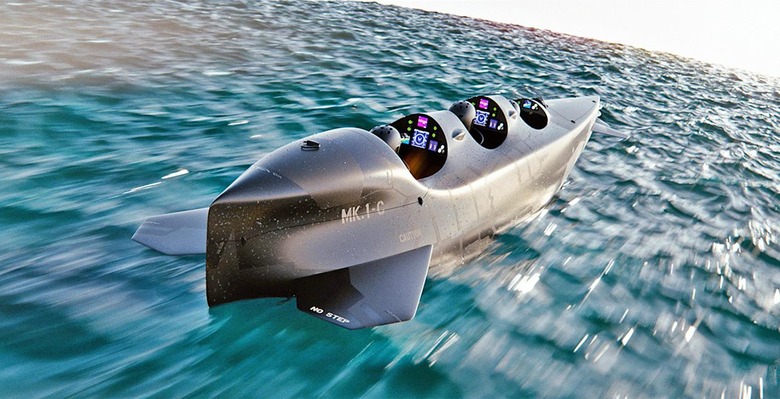
    Are personal submarines the vehicles of the future? This week Ortega Submersible launched an all-electric sub that allows three divers to fly through the sea. In other transportation news, a Swiss pilot is testing the boundaries of solar flight by taking a sun-powered airplane to the edge of space. Public transportation is generally seen as safe and secure, but this week hackers broke into San Francisco's Muni system and demanded a $70,000 ransom. A team of automakers is planning a fast-charging electric vehicle superhighway in Europe, and Copenhagen now officially has more bicycles than cars.

    By Inhabitat Read More
  • Six amazing all-electric motorcycles

    By Cat DiStasio Zero-emissions cars are popping up left and right, but motorcycle design has been a little late to the game. Yet, all-electric motorcycles and are zooming down the streets in increasing numbers. With varying engine sizes, charging times and driving ranges, each new electric motorcycle that hits the market offers something unique. From far-out futuristic designs that look like something Batman would ride to bikes that could have driven off a Star Wars set, cutting-edge electric motorcycles have broken the early trend that suggested EVs ought to look like dorkier versions of their fossil fuel counterparts. Other electric motorcycles target ambitious performance standards -- from blistering top speeds to longer driving ranges and even some fun features like built-in LED effects.

    By Inhabitat Read More
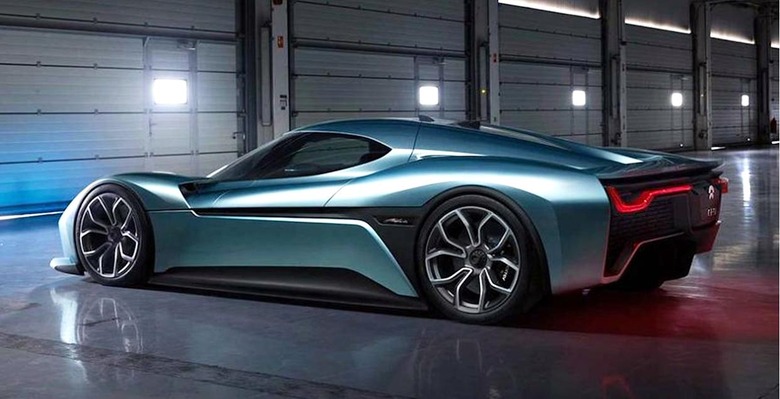
  • The world's fastest electric car, and more in the week that was

    Tesla finally sealed the deal on its acquisition of SolarCity this week, and the merger is already producing incredible results. The two companies just completed a project to power an entire island on solar power. In other energy news, researchers in Israel developed found a way to make solar panels 70 percent more efficient. Two Chinese companies are building a massive solar plant in the exclusion zone near the Chernobyl nuclear reactor. And Sweden announced plans to cut its tax on solar energy by 98 percent.

    By Inhabitat Read More
  • Six unexpected sources of renewable energy

    By Cat DiStasio When it comes to discussions about renewable energy, solar and wind power often take center stage. To a lesser degree, other forms like geothermal energy and hydropower also get some attention. But many people may not be aware that there are many other sources of renewable energy currently in use around the world, all helping to counterbalance the enormous carbon dioxide emissions from burning fossil fuels. Small projects are turning to dirt and microbes, underground stores of liquid magma and even pedestrian footsteps to harvest energy that would otherwise be wasted. While none of these efforts alone can save the planet, the continued research and development to increase their efficacy may eventually help entire communities eschew fossil fuels without sacrificing much-needed electricity for light, safety, warmth and medical care.

    By Inhabitat Read More
  • A new supersonic jet, and more in the week that was

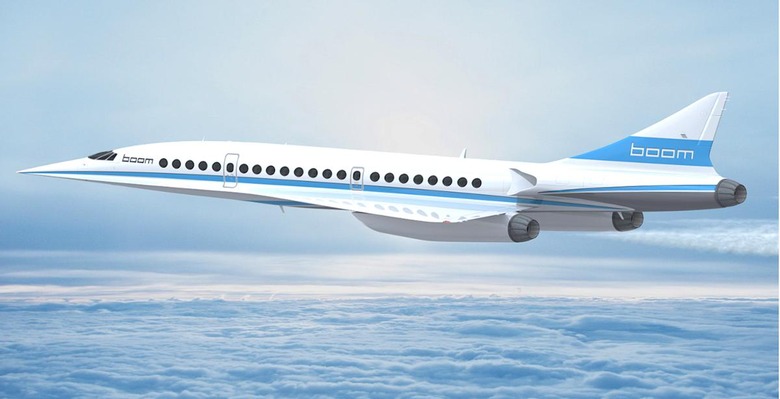
    Tesla currently makes the world's best electric vehicles, but Jaguar's first EV could give the automaker a run for its money. Meet the I-Pace: a svelte, stylish electric SUV that's faster than most sports cars and can drive 220 miles on a single charge. In other auto news, a new law requires all electric vehicles to make noise by the year 2019, and VW's new e-Golf can drive further than the Nissan Leaf at 124 miles per charge. Long-haul flights are the worst, but a new supersonic jet called the Boom could cut them in half. And Noordung launched a stylish vintage-inspired e-bike with a built-in sound system.

    By Inhabitat Read More
  • Six innovative solar systems that go beyond standard arrays

    By Cat DiStasio Solar technology has skyrocketed in recent years, as new innovations pave the way for more affordable designs that generate clean energy in unique ways. We've branched far beyond the familiar solar panel, with new developments that experiment with different shapes and materials to maximize the clean energy potential of the sun. Engineers have been working to create flexible solar cells that can adhere to nearly any type of surface. Innovations centered around concentrating and multiplying the sun's energy have also increased in recent years, as more industry leaders look to ways to get a big bang from solar power without requiring huge swaths of land, which aren't always readily available.

    By Inhabitat Read More
  • Donald Trump's environmental plan and more in the week that was

    The Hyperloop keeps getting realer by the day. This week, architects unveiled detailed plans for a next-gen transportation system that will travel from Dubai to Abu Dhabi in just 12 minutes. Meanwhile, Elon Musk announced big plans to build a second Gigafactory in Europe that will produce lithium-ion batteries and electric cars. Gogoro rolled out a faster, more powerful version of its battery-swapping electric Smartscooter, while Vespa delighted fans with plans to launch an all-electric model next year. And MIT teamed up with NASA to develop a new "morphing" airplane wing that could revolutionize aviation.

    By Inhabitat Read More
  • Six green designs powered by algae

    By Cat DiStasio It's easy to underestimate the awesome superpowers of the tiny plants we all know as algae. The photosynthetic organisms are minuscule powerhouses capable of generating light and energy while scrubbing greenhouse gas emissions from the air. Many types of algae are also edible, fueling the human body with hard-to-get vitamins and minerals. Over the years, designers and engineers have worked to incorporate algae into everything from energy-generating furniture to air-cleaning light fixtures and even pollution-busting highway overpasses, all in an attempt to put the tiny plants to work for people in very real ways. The trend of integrating algae into product design continues, growing more efficient and fantastic with each passing year. Here are some of the most exciting ways that algae is changing the future of design.

    By Inhabitat Read More
  • Fisker's EMotion sports car, and more in the week that was

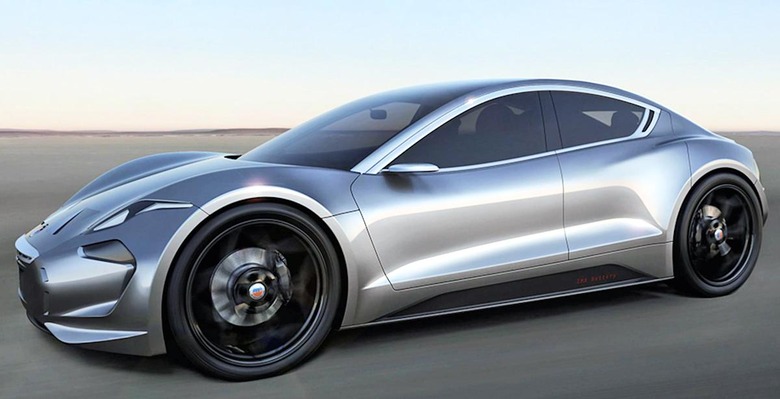
    Tesla swept headlines this week by launching a groundbreaking solar roof tile that's better looking and longer lasting than standard shingles. The technology could trickle down to the company's cars too -- Elon Musk hinted that the upcoming Tesla Model 3 could feature a solar roof that melts ice and snow while generating energy from the sun. Meanwhile, legendary automotive designer Henrik Fisker finally unveiled his EMotion sports car, which will be able to drive 400 miles on a single charge when it launches next year. Nissan debuted the first all-electric mobile office, which is housed in a beautifully renovated e-nv200 van. And a Chinese company is getting ready to launch the world's fastest maglev train, which will be able to hit 373 miles per hour.

    By Inhabitat Read More
  • Six innovative wind turbine designs

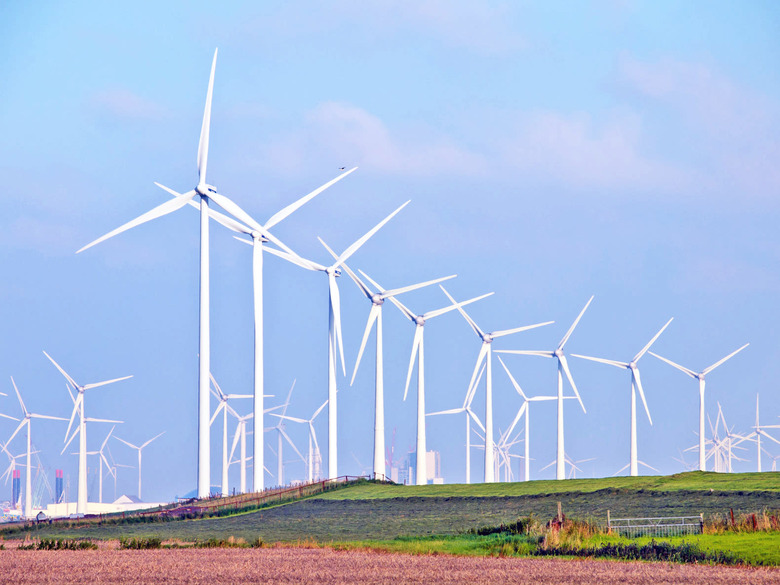
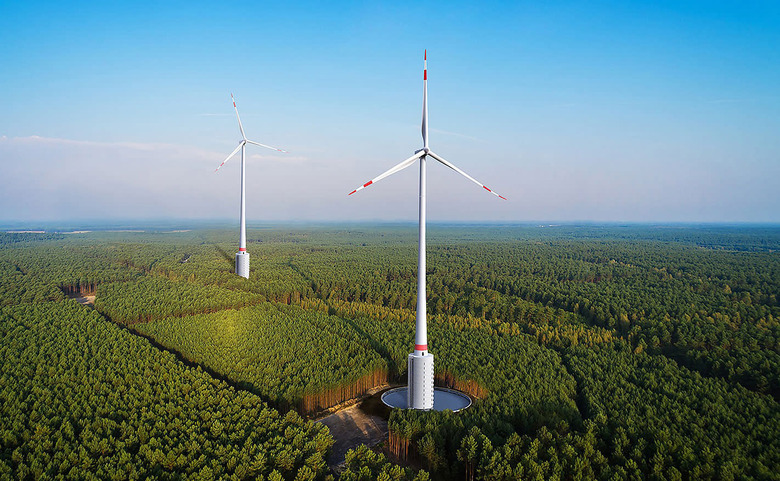
    By Cat DiStasio The International Energy Association (IEA) announced last week that renewable energy capacity around the globe has eclipsed coal power for the first time ever. Wind power makes up a large percentage of global renewable energy, and with all the recent technological innovations in wind turbine design, it's no mystery that it's become the fastest-growing form of clean energy. With refined technology, engineers have developed new devices that are more efficient and safer for birds. Some wind turbines can even generate energy while the air is still.

    By Inhabitat Read More
  • A real-world Hyperloop preview, and more in the week that was

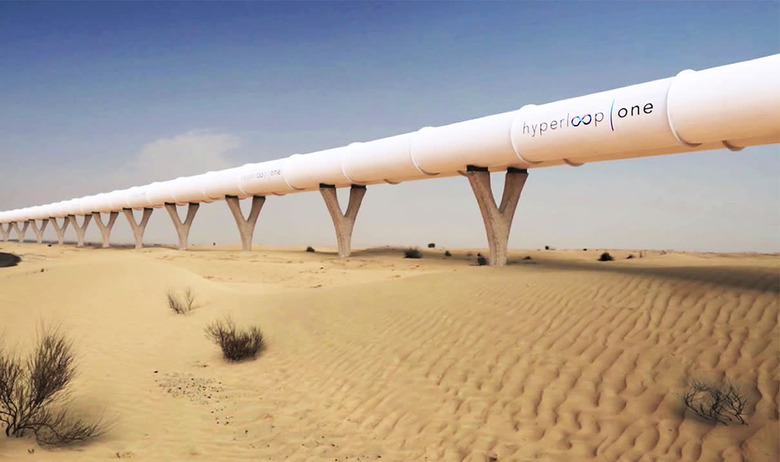
    The Hyperloop cometh: Danish architecture firm BIG just gave the world a sneak peek at a 93-mile track designed to connect Abu Dhabi and Dubai, while the University of Waterloo is set to test the world's first levitating pneumatic system next week. Tesla is having a great month as it turned a profit for the first time in two years and unveiled its next-generation Powerwall 2.0 system. Meanwhile, Henrik Fisker gave the world a first look at his upcoming 'Tesla-killer" supercar, which is set to launch next year. And Otto delivered the world's first shipment by a self-driving truck: 51,744 cans of Budweiser beer.

    By Inhabitat Read More
  • Six amazing uses for the wonder material graphene

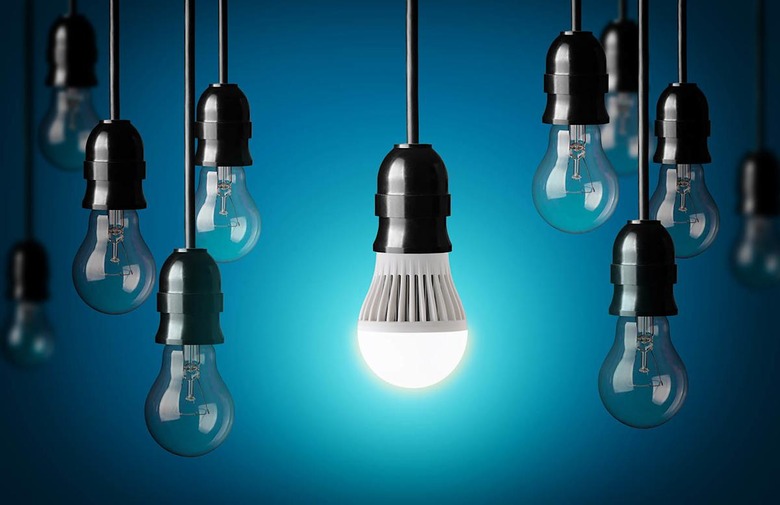
    By Cat DiStasio Graphene is a super-strong, ultra-lightweight material that's led to scores of technological innovations in recent years. It consists of bonded carbon atoms formed into sheets that measure just one atom thick. The material's strength to weight ratio makes it ideal for all sorts of applications ranging from desalination filters that produce clean drinking water to batteries that charge up in seconds, and even next-gen LED bulbs. Graphene is even being used to make solar cells produce electricity in the rain, leading us to believe the most amazing graphene-based gadgets have yet to come.

    By Inhabitat Read More
  • Tesla's self-driving future, and more in the week that was

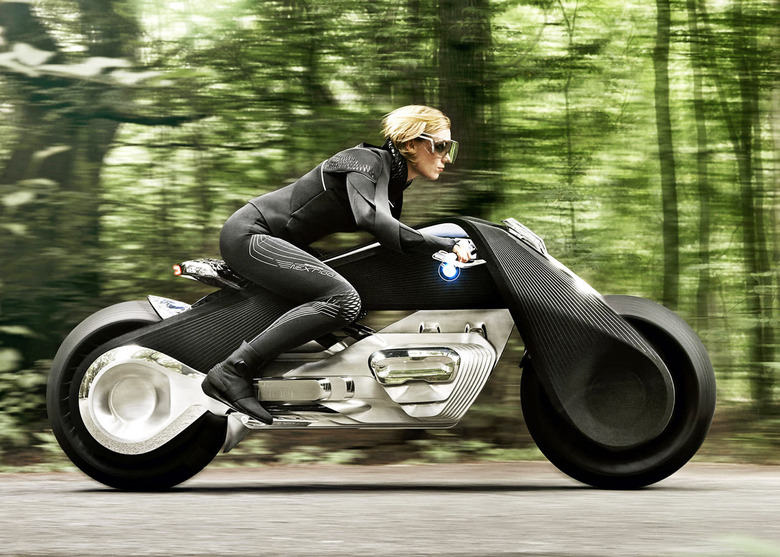
    Tesla is making several big announcements this month, and Elon Musk just delivered the first: From now on, all new Tesla cars will be self-driving. The electric automaker also teamed up with Panasonic to build solar panels for its Powerwall home battery, which it's set to update next week. Hyperloop One is forging ahead on its futuristic transportation system by raising $50 million and hiring Uber's former CFO as an advisor. It looks like Apple has scrapped plans to build a self-driving car, and BMW showcased plans for a next-gen smart motorcycle that will never crash or tip over.

    By Inhabitat Read More