0
Why your cardiologist might tell you to skip AirPods
The magnetic fields emitted by your headphones will need to be used a safe distance away from your CIDs.
Read More

The magnetic fields emitted by your headphones will need to be used a safe distance away from your CIDs.
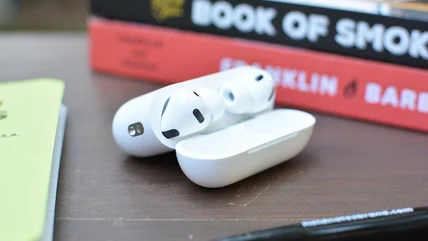
Read MoreYou can use your AirPods as a remote control for your iPhone's camera. Here's how.
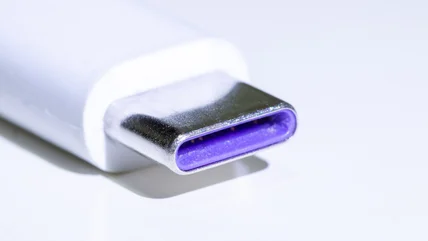
Read MoreHave you ever looked at a USB connector or port and wondered why it was that color?
Read MoreKPMG published a paper about the benefits of AI last year. An investigation found that it was full of AI hallucinations.
Read MoreA coalition of state attorneys general is asking OpenAI for documents about its activities.
Read MoreAnthropic has suspended all access to its new AI models Fable 5 and Mythos 5 to comply with a government order citing national security concerns.
Read MoreSome Robinhood users looking to cash in on the SpaceX IPO were met with technical issues.
Read MoreDJI and Insta360 are suing and counter-suing each other over their respective vlogging cameras.
Read MoreThree judges denied Sam Bankman-Fried's fraud conviction appeal. Is anyone the least but surprised.
Read MoreThe finance world is excited for SpaceX's IPO, but how can you square that with Elon Musk's ongoing racism?
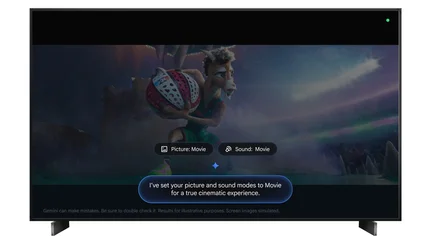
Read MoreGemini can — at least on some TCL models — adjust your TV's picture settings.
Read MoreApple's WWDC saw the company look to tidy up its existing work and make AI useful rather than throw a thousand eye-catching features at users.
Read MoreGoogle sued a Chinese cybercrime network for using its Gemini AI in a 'massive' scam operation.
Read MoreYet another parent is suing OpenAI, claiming its chatbot did not do enough to prevent their child's death by suicide.
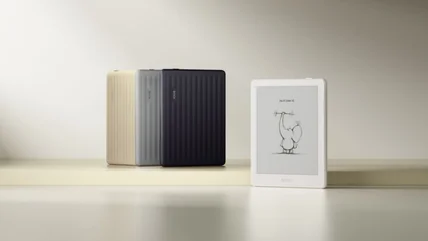
Read MoreBoox's new Go 6 ereader offers stylus support for note-taking.
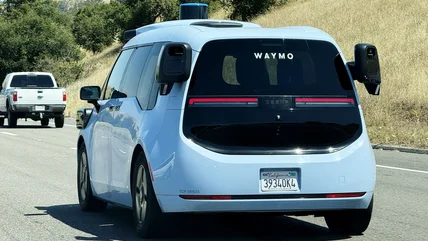
Read MoreWaymo will happily relieve you of $30 a month in exchange for not a whole lot.
Read MoreThe Philips Skylight recreates natural daylight indoors, but we may not be able to buy it in the US.
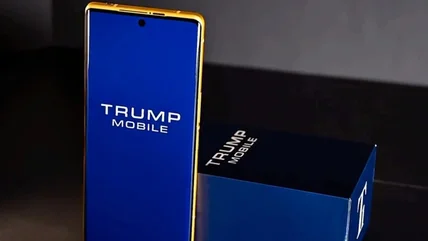
Read MoreThe only functional difference between a Trump Phone and the HTC U24 Pro is the battery, iFixit discovered.
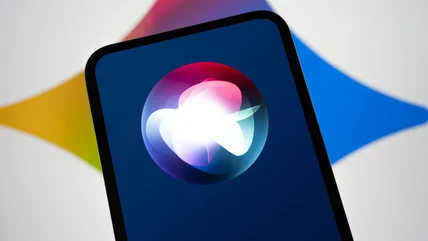
Read MoreApple is more focused on delivering usable features with Siri AI, instead of hyping up agentic AI. That's a good thing.
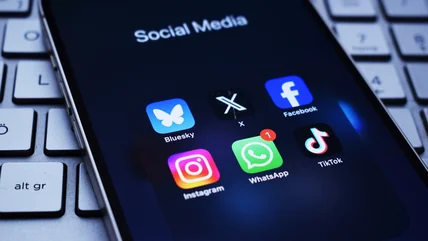
Read MoreBluesky is launching a communities feature this year, according to its head of product.
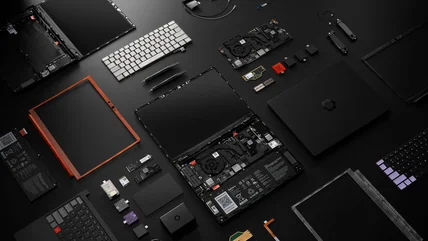
Read MoreFramework is pushing back shipments of its new Laptop 13 Pro to address issues with its haptic touchpad and display found in the run-up to mass production.
Read MoreAnthropic is walking back a hidden policy that researchers say sabotaged their work.
Read MoreOpenAI has published a report detailing how China-linked influence campaigns against data centers used ChatGPT.
Read MoreThe update brings a low-latency profile, speeds up search, and patches hundreds of flaws.
Read MoreThe regulation also imposes new safety expectations on 'AI chatbot services.'
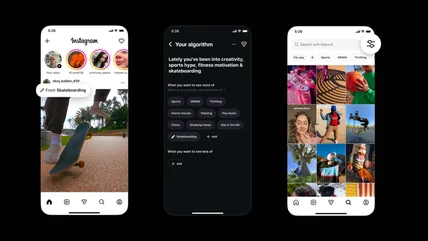
Read MoreInstagram has expanded its algorithm personalization features to its main feed.
Read More