2
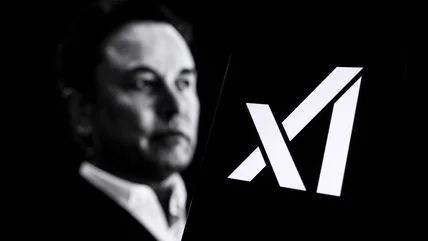
xAI is challenging a new Minnesota law banning 'nudify' apps
Elon Musk’s xAI has filed a lawsuit to block Minnesota’s new law that would ban apps that can generate nonconsensual intimate imagery from being enforced.
Read More

Elon Musk’s xAI has filed a lawsuit to block Minnesota’s new law that would ban apps that can generate nonconsensual intimate imagery from being enforced.
Read MoreIt's part of a national security strategy to kickstart domestic production of emerging technology.
Read MoreIna and David Steiner will receive compensation after a 2019 campaign to silence their critiques of the company.
Read MoreA new lawsuit accuses Tesla of overextending the safety operators overseeing its robotaxis.
Read MoreA thousand workers from OpenAI, Anthropic, Google, Meta and more have signed the letter.
Read MoreIf you've got an older iPhone hanging out in the junk drawer, grab it out and bring it back to life with these tips.
Read MoreDon't worry, the Trump administration won't let a little acid rain get in the way of more data centers.
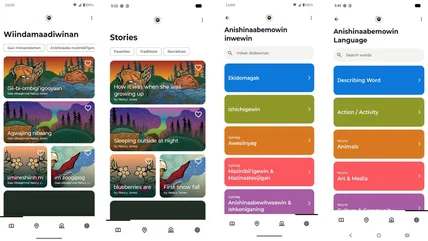
Read MoreThe free Android app shares knowledge from members of the Rainy Lake Ojibwe community.
Read MoreApple's new program gives you lease options for iPhone, iPad, Apple Watch and Mac.
Read MoreResearchers investigating Hugging Face found the majority of its models would generate non-consensual deepfakes.
Read MoreAs it promised last year, Baidu has started testing its robotaxis in London along with partners Lyft and Freenow.
Read MoreChatGPT has been refusing to imitate the writing of famous authors, both living and dead.
Read MoreHere's what the rumor mill tells us Google might be preparing for its next Pixel launch.
Read MoreThe ports look the same, but one is much faster than the other.
Read MoreHave you tried turning it off and on again?
Read MoreNVIDIA has gathered together some of the biggest tech companies in the world to form the Open Secure AI Alliance with the aim to improve cybersecurity.
Read MoreAppleCare insurance for multiple devices including iPhones, Watches and MacBooks, is finally expanding outside the US.
Read MoreThe Smart LED Monitor Stand is currently available for $169.99.
Read MoreIf you don't mind using more data, make these changes to step up your listening experience in the YouTube Music app.
Read MoreYour battery is continually losing charge.
Read MoreThe latest findings could come with a fine of up to six percent of TikTok’s annual revenue.
Read MoreIf you need to juice up your phone in a hurry, there are more effective tactics than turning on airplane mode.
Read MoreQualcomm, the maker of processors powering numerous Android devices, is raising its prices.
Read MoreCloud storage isn't your only option.
Read MoreHere are a few things to know if you're leaving Android for iPhone.
Read More