0
Passkey vs. password: What's the difference and which is better?
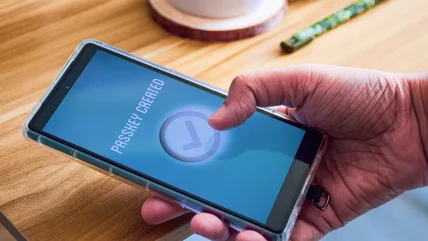
Passwords are less secure than passkeys, even if you use a password manager. Here's why and how to get started with passkeys.
Read More

Passwords are less secure than passkeys, even if you use a password manager. Here's why and how to get started with passkeys.
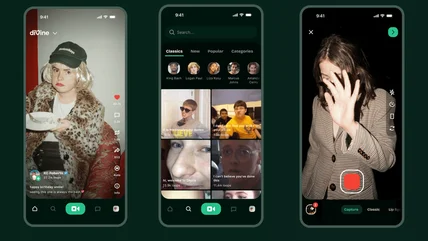
Read MoreDivine now has more than 2 million videos from Vine's original archive.
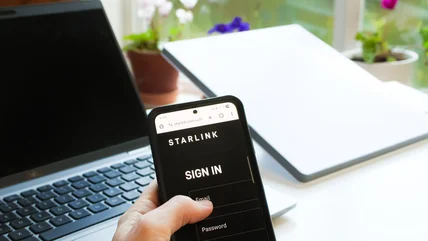
Read MoreStarlink is an attractive option for those who live in remote areas or travel frequently, but the Mini isn't ideal for residential use.
Read MoreAccording to Politico, the US House Office of Legislative Counsel is swamped with error-riddled AI-generated bills.
Read MoreApple's macOS Tahoe 27.6 release candidate has leaked a bajillion new product codenames.
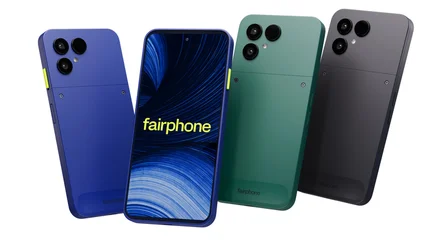
Read MoreYou can now get Fairphone's reparable handset in the US without jumping through hoops.
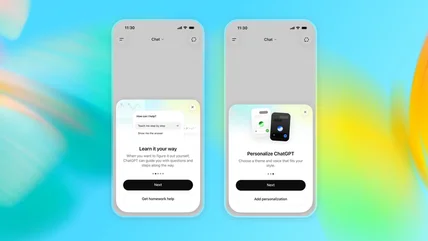
Read MoreOpenAI will attempt to automatically enroll all young users in the new experience.
Read MoreAs part of a restructuring, OpenAI reportedly disbanded a team that assesses the potential for catastrophic risks with its models.
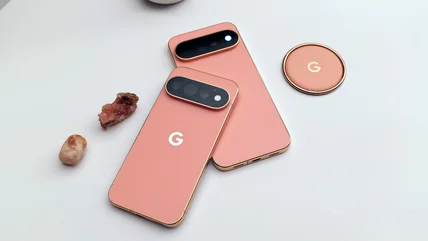
Read MoreGoogle told its suppliers that it will no longer manufacture Pixel devices in China starting next year, according to Nikkei Asia.
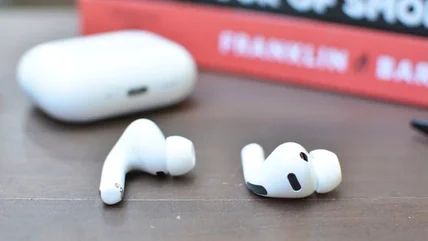
Read MoreApple may have leaked its camera-equipped AirPods in a video tucked into macOS Tahoe 26.7.
Read MoreThe company wants users to be able to watch and listen to conversations.
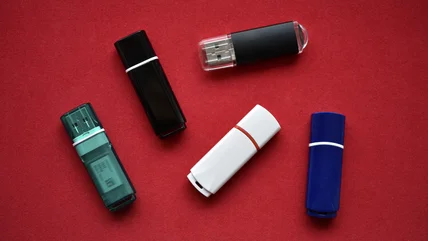
Read MoreWhile smaller drives can certainly still be found, there's a good reason why you don't often find them on retailers' shelves.
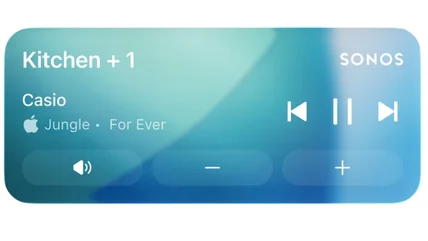
Read MoreSonos released an app update that takes advantage of Apple's Live Activities system.
Read MoreTikTok’s parent company signed a memorandum of understanding with The Motion Picture Association.
Read MoreGo beyond Do Not Disturb: control what alerts you get and when instead of being overwhelmed with pings all the time.
Read MoreA bug in macOS screen sharing lets attackers view your screen, open files and do just about anything else they want.
Read MoreJust because you're listening to music on your laptop doesn't mean that you have to settle for its subpar speakers.
Read MoreDozens of states accuse the company of violating the Children's Online Privacy Protection Act.
Read MoreYou probably use Bluetooth regularly, but different accessories call for different types of Bluetooth.
Read MoreWhat kind of data is being collected by our devices, and how is it being used? Should we "Ask app not to track"?
Read MoreA fourth party is pursuing legal action against xAI, alleging that Grok was used to create CSAM based on her childhood photos.
Read MoreGoogle has added some smart theft-detection features to Android in recent years.
Read MoreIf you really want a OnePlus phone, you can still make it work.
Read MoreYou probably don't need antivirus software on your Android phone, but there are some exceptions.
Read MoreThe program makes upgrading your hardware incredibly convenient, but weigh your options.
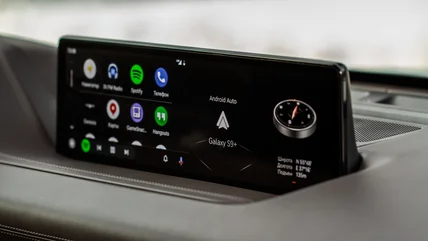
Read MoreThe differences between the iPhone and Android show up when you connect them to your car, as well.
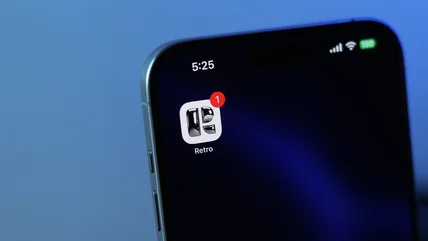
Read MoreLet's look at how to use the Retro app, whether it's free and whether it can compete with other social media apps.
Read More