0
I visited Samsung's foldable-themed pop-up pub and its alcohol-free beers tasted terrible
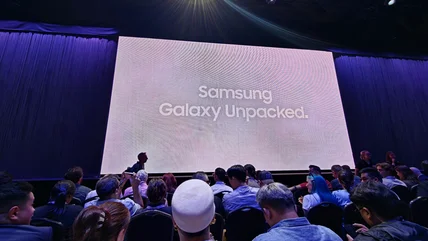
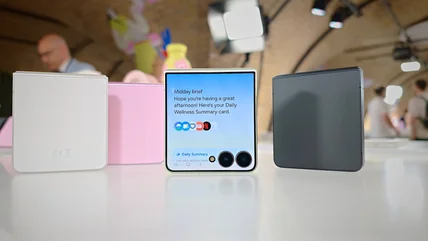
Following its Unpacked launch event for the Galaxy Z Fold 8 series, Samsung briefly opened a theme pub in the middle of London.
Read More

Following its Unpacked launch event for the Galaxy Z Fold 8 series, Samsung briefly opened a theme pub in the middle of London.
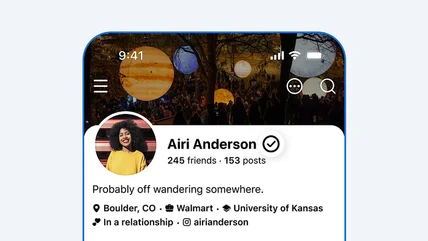
Read MoreFacebook has introduced an app called Seller that effectively professionalizes Facebook Marketplace.
Read MoreMeta is trying to tackle scammers that are using generative AI by introducing a new kind of verification using user selfies.
Read MoreThe Trump administration says more than 200 firms have signed onto its non-binding Ratepayer Protection Pledge.
Read MoreFollowing user outcry and pressure from Microsoft, LG has agreed to stop showing McAfee pop-up spam downloaded from its monitors.
Read MoreGemini Spark is now available to more users.
Read MoreWhile the company is trying to protect creators from AI, it still thinks the technology is changing how it does business.
Read MoreThe company wants people to be anti-doomer, but doesn't say why.
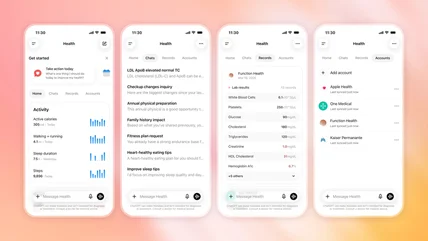
Read MoreChatGPT Health is rolling out to users in the US who are 18 years or older.
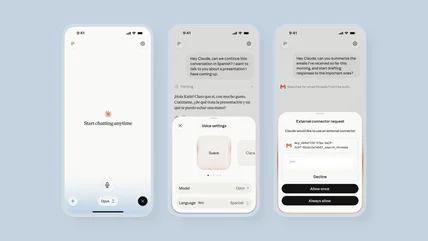
Read MoreClaude's voice mode hasn't been the most reliable, but this update should help.
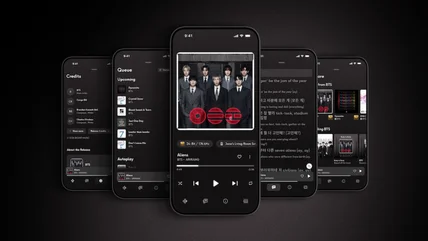
Read MoreThe latest updates to Qobuz make it an even better alternative to Spotify.
Read MoreThe car manufacturer is planning a big push into electric vehicles.
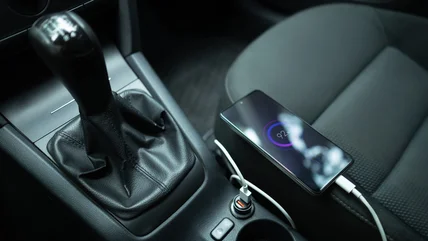
Read MoreCharing your phone in the car may technically use energy, but not enough to give a second thought.
Read MoreIt's a sign of how hard we're braced for the RAMpocalypse that Samsung adding just $100 to its prices seems reasonable.
Read MoreYou get a waiver! You get a waiver!
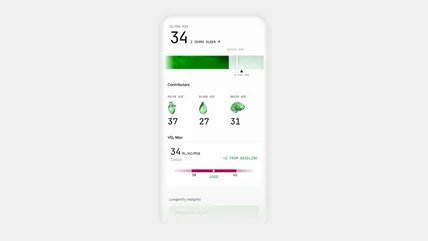
Read MoreUltrahuman's revamped app now offers better advice even when your phone has no connection.
Read MoreUber's global customer service network has been hit by layoffs in favor of AI.
Read MoreEurope has hit Google with a $1 billion fine for illegally abusing its search engine dominance.
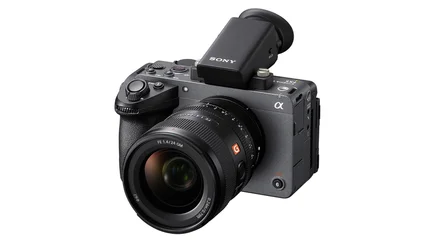
Read MoreSony has just unveiled its latest cinema camera that may foreshadow some long-awaited features in its consumer mirrorless lineup.
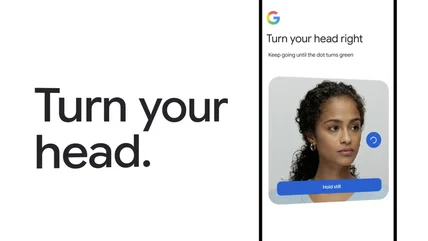
Read MoreYou’ll now be able to get into your Google account with a selfie video.
Read MoreChatGPT allegedly offered "extremely dangerous medical recommendations" regarding a pulmonary embolism.
Read MoreApple is already preparing updates to the MacBook Neo, iMac, MacBook Air and more.
Read MoreSome Android users find the security feature to be too restrictive. Here's how to disable it and what you risk by doing so.
Read MoreEnd-of-life disposal of EV batteries is a growing problem. This state is trying something new.
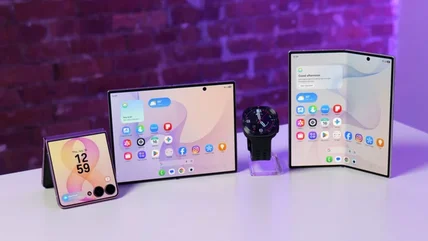
Read MoreLet's compare the differences between Samsung's latest large foldables.
Read MoreJoin us as we bring you live coverage from Samsung's Unpacked event in London, where it's expected to reveal new foldables and wearables.
Read MoreIt’s a year of minor upgrades for the Z Flip series.
Read More