0
What Is USB Tethering And How Do You Enable It For Mobile Hotspot?
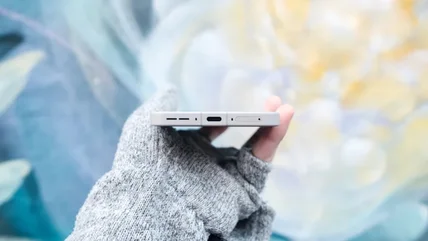
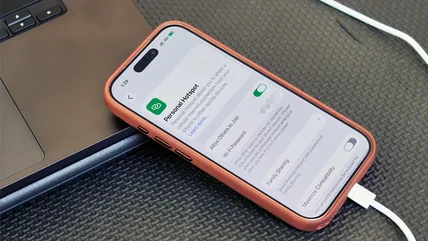
There are times when a physical connection will perform better than a Wi-Fi hotspot. Here's when you want to use USB tethering, and how.
Read More

There are times when a physical connection will perform better than a Wi-Fi hotspot. Here's when you want to use USB tethering, and how.
Read MoreThe Social Media Victims Law Center accused the companies of creating addictive and dangerous platforms.
Read MorexAI filed a lawsuit a few days ago to prevent Minnesota’s law banning ‘nudify’ apps from taking effect.
Read MoreThe automaker is gearing up to make some big changes to its EV line in the near future. Here's what to expect.
Read MoreIf you've got a drawer or box full of old cables, here are some things you can do to thin them out. You don't need that many.
Read MoreA number of major Chinese smartphone makers have adopted silicon carbon batteries in their handsets, and now Samsung has embraced it in the new Fold lineup.
Read MoreThe company appears to have built new laptops and a 2-in-1 for the Googlebook initiative.
Read MoreThe company was accused of violating the Clean Air Act by the NAACP.
Read MoreVideos made with AI will no longer appear in Snapchat's public recommendations.
Read MorePeople had less than a day to make misleading Google Earth images with AI before Google pulled the feature.
Read More"It is a matter not only of customer protection, it’s also a matter of democracy protection."
Read MoreNearly 22 percent of children are on Pinterest while there was "no statistically significant change" in AI chatbot use.
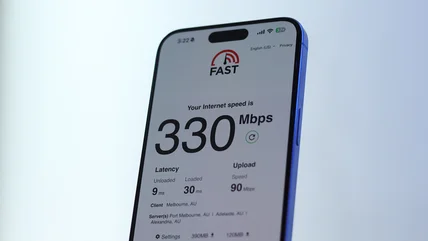
Read MoreIf your Wi-Fi is a bit sluggish, there are some things you should check before upgrading your router.
Read MoreToday is the day the EU's Right to Repair rules come into force that will, eventually, make it much easier to fix your broken gear.
Read MoreElectronic Arts will close its $55 billion deal to go private by August 4 next week.
Read MoreMicrosoft has started rolling out the Xbox app to Hisense TVs and other TVs powered by VIDAA OS.
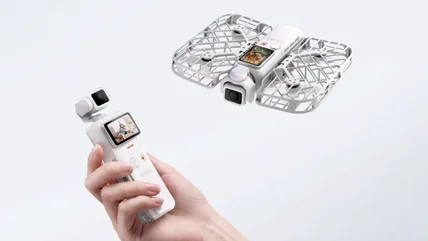
Read MoreHoverAir has unveiled Versa, an interesting product that marries a gimbal camera and drone.
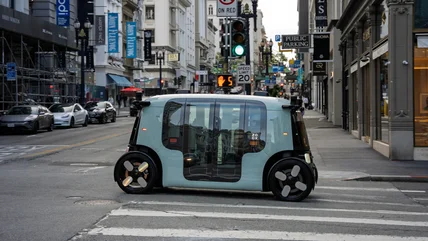
Read MoreThe NHTSA has given Amazon’s Zoox permission to charge for rides. It’s the first AV with no manual controls to get it.
Read MoreTecno is teasing a truly bezel-less smartphone concept and it'll reveal it at IFA 2026.
Read MoreAfter OpenAI’s admission that its models broke into Hugging Face, Anthropic has now admitted that the models it was testing also hacked other organizations.
Read MoreAmid rumors of Google breakup, Huffman says "people don't want a summary of reddit, they want reddit."
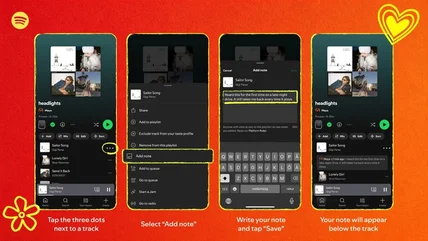
Read MoreGive me a mixtape, and hold the tape.
Read MoreThe new Friend pendant features a speaker, updated models and the same off-putting ideas about how humans should use AI.
Read MoreThe company is promising the first in-depth look at the $2,195 glasses.
Read MoreUnsurprisingly, it’s likely to focus on AI.
Read MoreWhen it’s less about the product and more about the FCC.
Read MoreGoogle's next foldable doesn't look all that different, save for the camera bar.
Read More