0
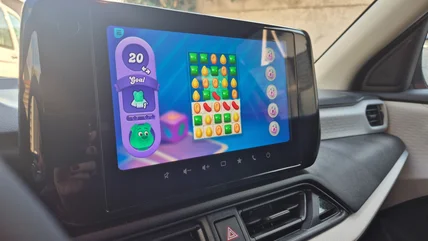
How to set up your phone games to play on an Android Auto screen
Soccer practice just got more bearable.
Read More

Soccer practice just got more bearable.
Read MoreThe foldable form factor comes with some trade-offs.
Read MoreClean up your contacts list to prioritize the people you actually want to talk to.
Read MoreStarlink and 5G providers advertise high speeds, but there is more to consider when deciding between the two. Think about location, and coverage as well.
Read MoreYour phone’s most honest app doesn’t even have a home screen icon.
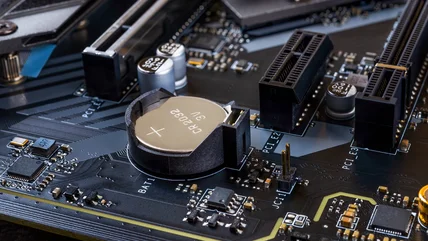
Read MoreThe CMOS battery isn't something you'll need to change often. But when it goes, it's time for a quick swap.
Read MoreThe latest AI copyright infringement suit centers around a single music artist from decades past: Elvis.
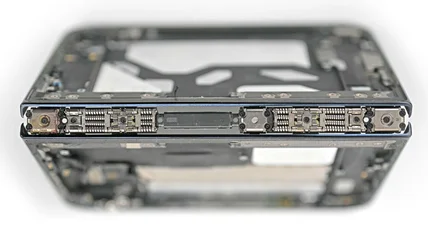
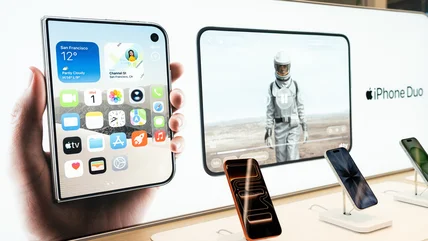
Read MoreiFixit's teardown of the iPhone Duo has arrived and it's especially interesting because of the device's complex folding display.
Read MoreJust because you can do something doesn't mean you should.
Read MoreCan we find the iPhone Duo's perfect Android match?
Read MoreChrome is known for being a memory hog, but it may be more urban myth than reality. Here's how Google Chrome manages RAM.
Read MoreYour router has two or perhaps three bands, and choosing the right one for each device is vital for performance.
Read MoreIf you have an iPhone, that is.
Read MoreMesh systems generally provide better Wi-Fi coverage than standalone routers, but you can make the mesh signal even stronger.
Read MoreIPv6 has more available addresses than we could ever hope to use, but not all devices are taking advantage yet.
Read MoreYour Mac comes with a fairly robust suite of built-in privacy tools.
Read MoreA bunch of recent rumors have suggested Samsung has some changes in store for its smartphone interface.
Read MoreThere's plenty an old Chromebook can do, even if it's not your main computer.
Read MoreOld speakers often get set aside alongside the device they were used with, but you may still be able to use them with your current tech.
Read MoreSmart bulbs are a natural entry point to smart home tech, but they come with some annoyances. Use these instead.
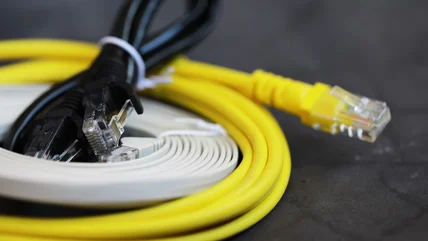
Read MoreSetting up a home network is rewarding, but you should be aware of common missteps to avoid hassle in the future.
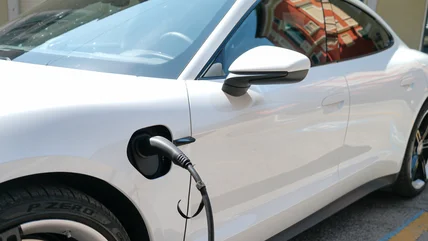
Read MoreElectric vehicles lose battery when they're left unused for long periods. There are a number of reasons why, and some might be totally out of your control.
Read MoreElectric cars need incredibly large batteries that offer long driving ranges and charge quickly, but remain cool when under load. This is how they do so.
Read MoreDigital wallets can completely remove the need to carry cards and cash, but there's a lot more to them than just your usual Apple, Samsung and Google offerings.
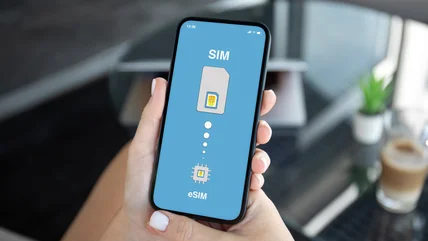
Read MoreeSIMs are more convenient than physical SIM cards in many ways, but they aren't a 100 percent upgrade.
Read MoreThere's a good reason for that arrangement.
Read More