0
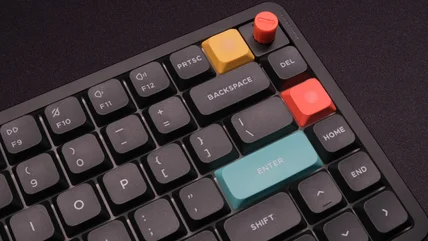
Wired vs. wireless keyboards: Is there really a difference in performance?
Wireless keyboards introduce convenience and portability, but they can't quite keep up with wired keyboards in some cases.
Read More

Wireless keyboards introduce convenience and portability, but they can't quite keep up with wired keyboards in some cases.
Read MoreThe EU has proposed a sustainability labeling system ahead of bringing in minimum data center performance standards.
Read MoreThe latest addition to X's Under the Hood feature could stave off claims around shadowbanning.
Read MoreA big part of the story is soaring memory and storage prices, but other factors come into play as well.
Read MoreIts foothold in the EU may be growing, but larger countries are still wary of the self-driving tech.
Read MoreGetting an adapter can open up a world of connectivity and charging options, but specs and brand matter quite a lot. Here's what to look for.
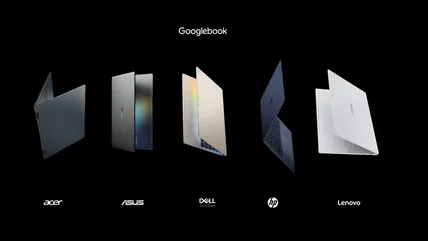
Read MoreThe new Googlebooks from Acer, ASUS, Dell, HP and Lenovo cover a variety of sizes and form factors.
Read MoreUnless it's connected to Wi-Fi all day every day, your smartphone is using up data almost constantly. Here's where your data is going.
Read MoreIn all seriousness, this smart feeder could be quite handy for multi-cat households.
Read MoreUSB-C did away with the annoying requirement to plug in a cable right side up, but USB-A and USB-C have other major differences.
Read MoreThe first Googlebooks are up for pre-order today and they arrive on October 4.
Read MoreOne may get you more value for the phone.
Read MoreNetwork switches are an easy way to add more Ethernet ports to your home network, but you'll need to pick from the many varieties available.
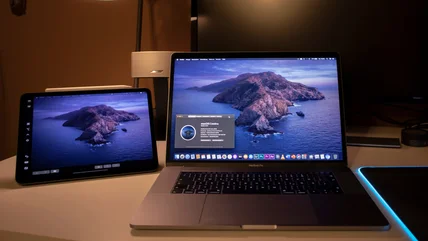
Read MoreYour iPad can give your Mac or PC some much-needed extra screen space.
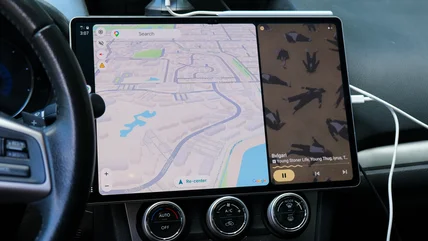
Read MoreAndroid Auto will run right on your tablet's screen with the Open Headunit app.
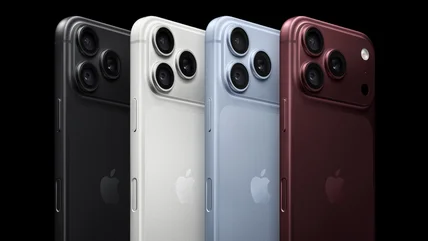
Read MoreApple’s variable aperture might capture better photos, but is near impossible to fix if it breaks.
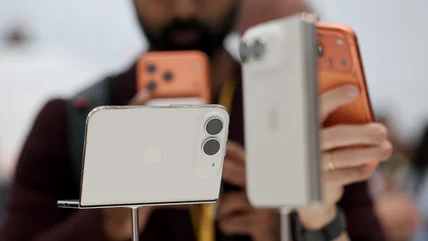
Read MoreIf you find yourself swapping between two iPhones regularly, whether for work or casual use, you're going to want to set up Handoff.
Read MoreWired and wireless internet are both ways that ISPs deliver service to your home, but one isn't necessarily superior to the other.
Read MoreSpaceXAI's Grok Bot is a digital 'teammate' that can handle complex and boring tasks that would otherwise clutter your day. Here's how to get up and running.
Read MoreE Ink excels for tasks like reading and note-taking.
Read MoreThe side button on Samsung's Galaxy phones has performed different functions over the years, but you can really make it do whatever you want.
Read MoreThe startup is looking to expand beyond electric air taxi rides in major cities.
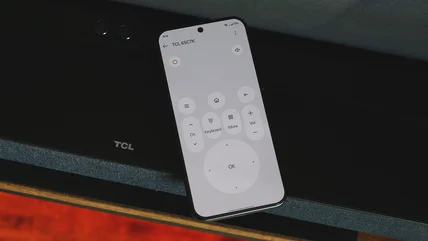
Read MoreSome phones have IR blasters to enable remote functions, but even if yours doesn't, you can do quite a lot over Bluetooth and Wi-Fi.
Read MoreWhether you just got a Sonos speaker or you're adding one to your current setup, you'll need to use the app.
Read MoreGiving away or recycling your old laptop is great, but you need to make sure all your data is fully removed before it finds a new home.
Read MoreIf you like gaming on your Android phone, you need a phone that can handle the graphics and processing required.
Read MoreWireless charging offers convenience, to be sure, but how does it affect your battery over time? And is it a problem if your phone heats up?
Read More