0
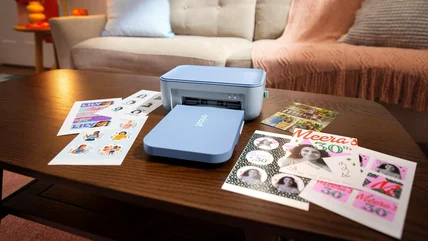
Cricut's new DIY machines let you print and cut your own stickers
Surely my sticker budget will break even eventually.
Read More

Surely my sticker budget will break even eventually.
Read MoreMicrosoft is giving its Copilot app another facelift.
Read MoreSpaceX has completed a wet dress rehearsal for Starship, in preparation for its first orbital test flight.
Read MoreGoogle has introduced Gemini 3.8 live avatars designed for customer service and other tasks.
Read MoreThe state now has illegal gambling charges underway against four of these businesses.
Read MoreThe 30-year-old map service is quickly getting with the times.
Read MoreGoogle Photos’ new AI-powered features include the Redact tool, which can quickly blur parts of an image.
Read MoreThe new Charlie range now supports both 120 and 240-volt outlets, so it’s easier to install too.
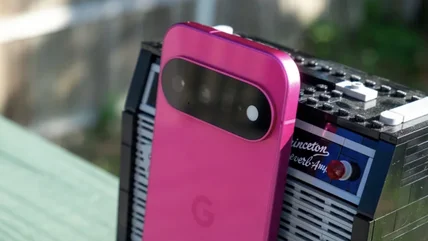
Read MoreSelect Gemini subscribers with a Pixel 11 can soon try out phone calls via AI chatbot.
Read MoreYou'll have to wait a bit if you're outside China though.
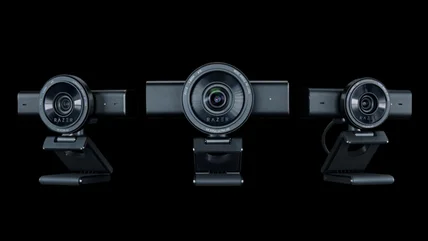
Read MoreRazer's new 'pro' webcam can handle 4K video at 60 fps and will cost $300
Read MoreIf you've bought an iPhone in the last couple of years, you might be eligible for a cut of the class action lawsuit. Here's how to file your claim.
Read MoreQualcomm has launched a new chip that will enable AI features on small audio devices.
Read MoreRevolut is trialing a new facial recognition system in the UK that could be convenient but controversial.
Read MoreResearchers and the Prime Minister of Australia have revealed more instances of OpenAI’s agents going rogue.
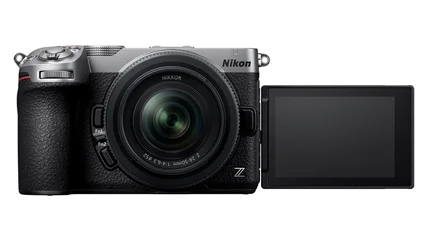
Read MoreNikon's Z5 IIC is an inexpensive but powerful full-frame camera.
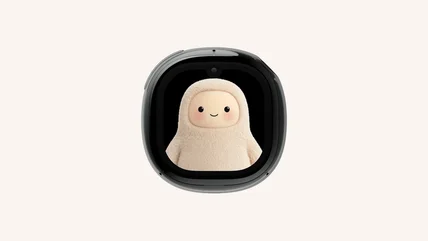
Read MoreMeta's Muse Charm is a Tamagotchi-like device with Muse AI.
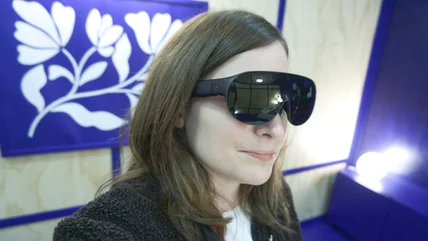
Read MoreInstead of a new Quest headset, the company showed off a more portable but less immersive device today.
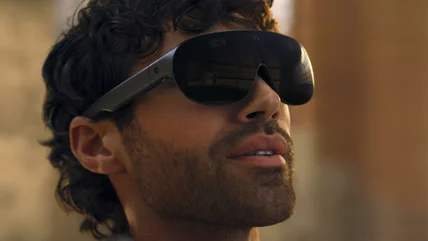
Read MoreSorry Apple, it looks like Meta's VR Glasses are the real Vision Pro successor.
Read MoreHave your virtual assistant book a flight while you’re jogging.
Read MoreSamsung phones have a few different triangle symbols that can display in the status bar in different scenarios. This is how to tell what they mean.
Read MoreMore smart glasses and possibly a VR headset are expected today
Read MoreIn case you missed it, Logitech bough Blue, actually kind of a while ago!
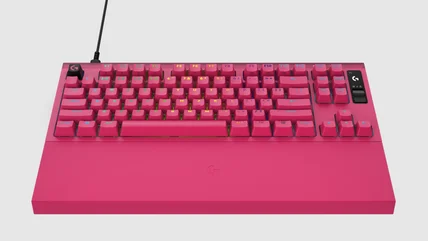
Read MoreFor $60 it had better be a pretty incredible mouse pad.
Read MoreThat's pretty weird.
Read MoreChatGPT and other chatbots are useful for a lot, but remember that what you type into them is not protected and could cause trouble later.
Read MoreApple has added podcast guides for select US landmarks within Maps, discussing their histories and lesser-known stories.
Read More