3
Iowa, Nebraska and six other states are suing OpenAI for endangering children
The lawsuits cover everything from the design of ChatGPT to the company's recent issues with rogue agents.
Read More

The lawsuits cover everything from the design of ChatGPT to the company's recent issues with rogue agents.
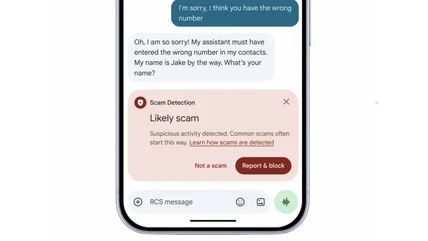
Read MoreGoogle will tell if you a scammer is trying to message you and will protect your banking details from prying eyes while sharing your screen.
Read MoreLG's latest Sound Suite update includes DTS:X, a much-requested feature.
Read MoreIt’s also working on calendar integrations for later this year.
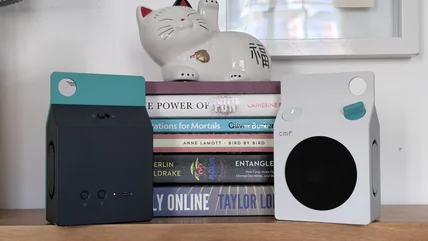
Read MoreNothing's sister company CMF announced some playful bluetooth speakers that can be paired together and even work with Auracast.
Read MoreYou can already set up your pre-order now, before the pre-orders open on Friday (October 16).
Read MoreApple Music may be changing its iconic logo to a more basic black and white version.
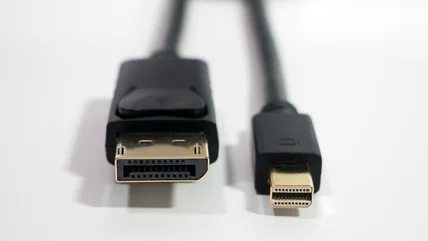
Read MoreMini DisplayPort was on lots of computers for a time, but it's not nearly as common now thanks to more modern standards.
Read MoreIf you're not using some of these skills, you're missing out on a chance to streamline your days, keep up to date and more.
Read MoreThe company asked its AI models to figure out what the device was.
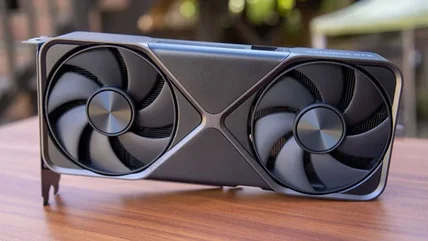
Read MoreNVIDIA's upscaling software is truly powerful when used in the right situations.
Read MoreGoing beyond the number of cameras and megapixels.
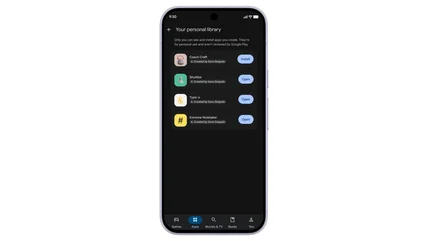
Read MoreThe company is revamping the Play Store for the AI era with changes to publishing, recommendations and more.
Read MoreYour phone would lose a long list of features and basic functions if it didn't have proximity sensors.
Read MoreGoogle has rolled out Gemini 4 Argon to more users.
Read MoreWe compare the two on their design, displays, durability and more.
Read MoreSamsung and Apple had decent quarters, while Xiaomi, Oppo and Vivo had a terrible Q3.
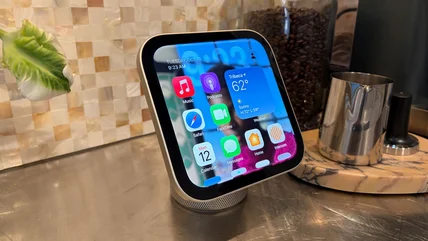
Read MoreAll about the HomeView, HomePod mini 2, Apple Home Collection and more.
Read MoreIt's more than just an enlarged Apple Watch.
Read MoreCharacter.AI, a controversial generative AI startup that lets users create their own chatbot characters, has filed for Chapter 11 bankruptcy
Read MoreOpenAI is hoping that Dots will make automating online tasks a lot easier. Here's what you'll need to use them, how to set them up and what they're capable of.
Read MoreEV batteries don't last forever, and once they get past the point of repair, there are a few ways that they can still serve a useful purpose.
Read MoreRear-mounted cameras have been a game changer for drivers and road safety overall, but be aware that there are different options and purposes for them.
Read MoreNASA's Perseverance Mars rover just broke the record for the farthest distance traveled by any vehicle on another world.
Read MoreThe Abu Dhabi government wants to incorporate wearables data into its public health app.
Read MoreSpaceXSI has announced a new subscription scheme that gives you access to Grok, Grok Bot, Cursor and X Premium.
Read More