0
Sony files another lawsuit against AI music generator Udio
Sony, the only major music label that has yet to sign a deal with Udio, has sued the AI music generator again.
Read More

Sony, the only major music label that has yet to sign a deal with Udio, has sued the AI music generator again.
Read MoreA federal judge has approved the $1.5 billion settlement between Anthropic and a group of authors who sued the company for using their work to train Claude.
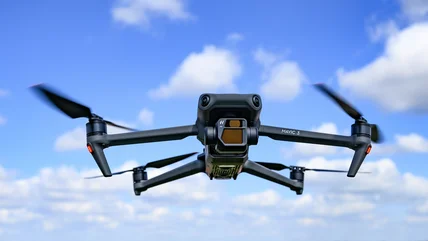
Read MoreSeveral companies suspected of selling DJI products under their own brands might soon be banned in the US.
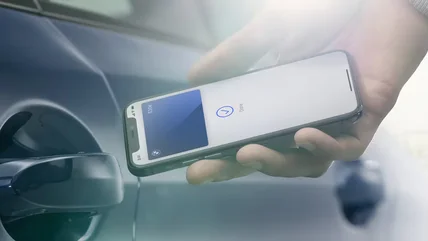
Read MoreDo you need to be in your car to set up your digital car key?
Read MoreAdobe's Project Indigo app will have new features like removing distractions and offering immediate photo feedback.
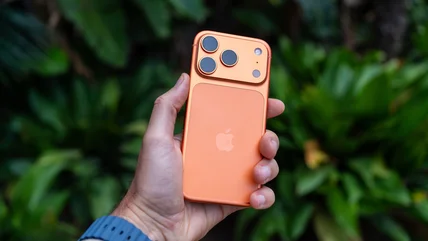
Read MoreApple devices tend to be pretty durable, and the average lifespan of a new iPhone seems to be fairly consistent.
Read MoreEurope just hit AliExpress with a record $629 million fine for allowing the sale of counterfeit and harmful products.
Read MoreThe $35 camera comes in seven colors and has a slide cover.
Read MoreBreak reminders are your friend.
Read MoreThe country’s gambling authority ordered ISPs to block access to the prediction market’s website.
Read MoreThe original lawsuit was filed in 2023 and claimed Twitter hosted thousands of cases of copyright infringement.
Read MoreThe water lock feature on Apple Watches automatically activates when you're swimming, but what does it do?
Read MoreGoogle and Apple were sent cease-and-desist letters regarding 13 apps on their respective stores.
Read MoreCutting the cord in your car is a simple upgrade.
Read MoreChinese company LONGi has developed crystalline silicon-perovskite tandem solar cells with a 35.5 percent conversion efficiency.
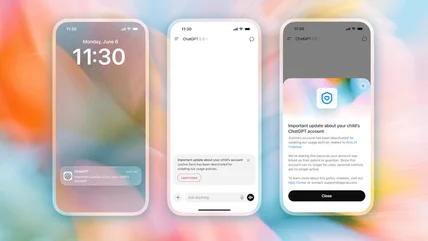
Read MoreOpenAI will send a notification to parents with linked teen accounts if their children have violated its policies around violence.
Read MoreUS government officially lifts TikTok ban on federal devices.
Read MoreThe API is supposed to deliver posts from 'the highest-ranking Truth Social accounts.'
Read MoreIt would open up a completely new business for the Facebook and Instagram maker.
Read MoreThe NHTSA recently called for autonomous vehicle companies to improve how cars respond in emergency situations.
Read MoreCamera upgrades in the Z Flip 8, Fold 8 and Fold 8 Ultra appear to be slim.
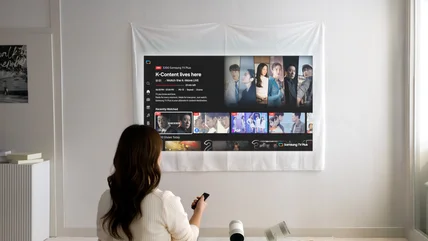
Read MoreSamsung's Freestyle+ projector is a tiny unit which can play movies on the most uneven of surfaces.
Read MoreEurope's latest updates to its climate policy aren't great news for the planet.
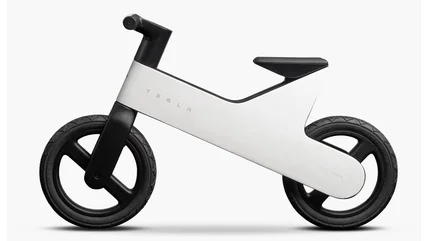
Read MoreTesla's Autopilot may fail to recognize children at times, but the company certainly recognizes their potential as future buyers.
Read MoreSignal’s latest beta comes with a feature that will make it easier to use the app on multiple devices.
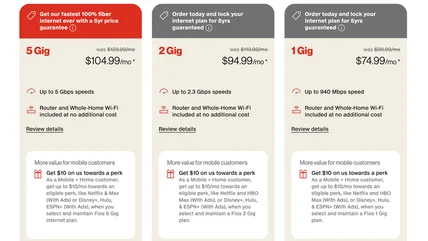
Read MoreVerizon Fios just introduced a new 5Gbps home plan that's more than twice as fast as its previous flagship 2Gbps plan.
Read MoreOne features an optical illusion spoof of 'They Live.'
Read More