0
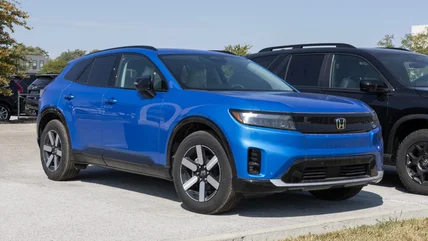
Honda is officially pulling the plug on its only EV in the US
The soon-to-be-retired electric SUV was born from a collaboration with GM.
Read More

The soon-to-be-retired electric SUV was born from a collaboration with GM.
Read MoreThe National Highway Traffic Safety Administration is also investigating the crash.
Read MoreReasonable specs for a reasonable price.
Read MoreSonos has added some handy quality-of-life updates to its mobile app.
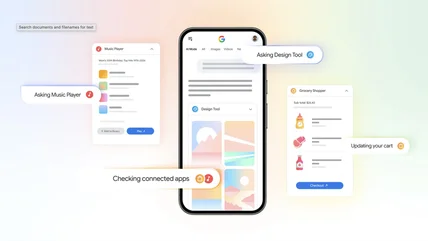
Read MoreYou can now make playlists, design flyers and compile shopping lists using AI in Search.
Read MoreGoogle already baked NotebookLM into Gemini, now it's changing the name to reflect the tighter integration
Read MoreMaybe just sing a silly song in a voice note instead?
Read MoreThe regulator is assessing whether the platform is doing enough to protect children from harmful content.
Read MoreVital Signals promises its algorithmic blood pressure monitoring ring will reshape how we live with hypertension and other cardiac conditions
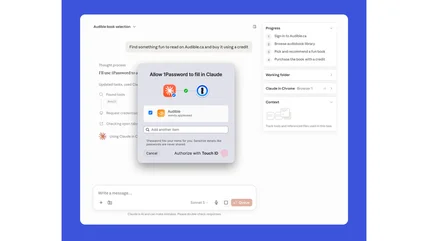
Read More1Password lets you use Claude agents for personal chores without exposing your credentials.
Read MoreHyundai could soon own Boston Dynamics in full.
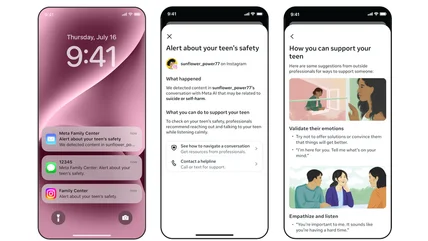
Read MoreMeta has rolled out a new safeguard for teens’ AI interactions.
Read MoreThe group is trying to extend its influence beyond Meta.
Read MoreAfter canceling its second foldable, OnePlus is officially bowing out of the US and Europe.
Read MorexAI has filed a lawsuit against a man who used Grok to generate sexualized images of adults and children.
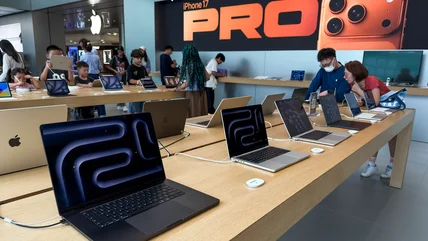
Read MoreApplecare+ prices for Mac, MacBook and iPad products just rose by $.50 per month or $5 per year.
Read MoreIt’s likely to become a direct power source for SpaceXAI’s data centers.
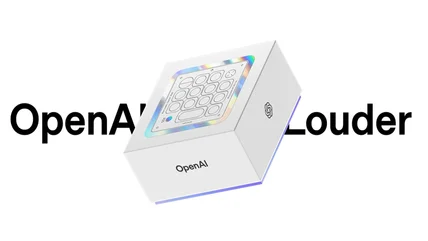
Read MoreOpenAI's collaboration with keyboard maker Work Louder is available to order today.
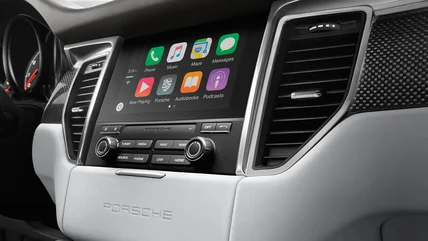
Read MoreApple announced the new CarPlay feature not long after Google announced a similar update for Android Auto.
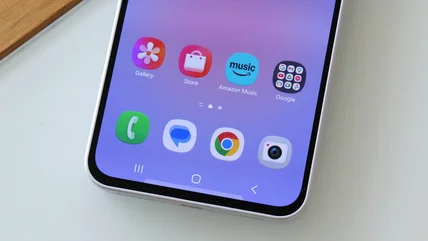
Read MoreDon't use Amazon Music? Too bad, Samsung is installing it for you anyway.
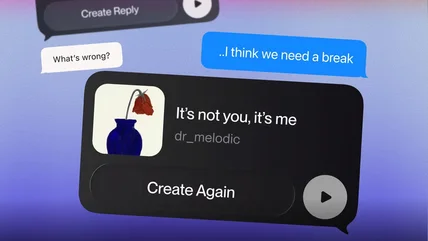
Read MoreSuno says it was breached in November and "no sensitive personal information was compromised."
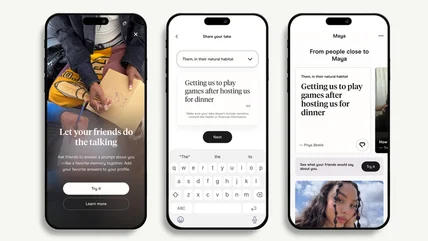
Read MoreYou can hear about a prospective match from the people who know them best.
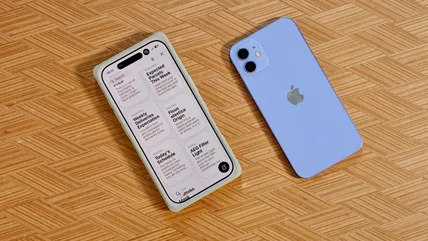
Read MoreWith the iOS 27 public beta available to download, is it worth testing the waters?
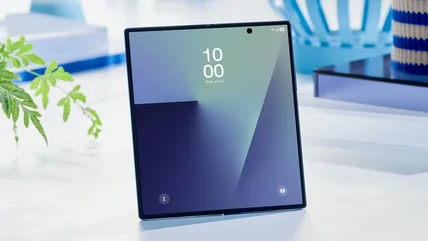
Read MoreSamsung says its next foldables will have less visible creases thanks to its new titanium display tech.
Read MoreThird-party app stores are coming to Android on July 22.
Read More