0
Apple TV cleaned up at the Emmys with eight wins for Widow's Bay and Pluribus
Apple TV collected eight Primetime Emmys last night, including six for Widow's Bay and two for Pluribus.
Read More

Apple TV collected eight Primetime Emmys last night, including six for Widow's Bay and two for Pluribus.
Read MoreVolvo caters to EV-curious buyers with way more range in its plug-in hybrid SUVs.
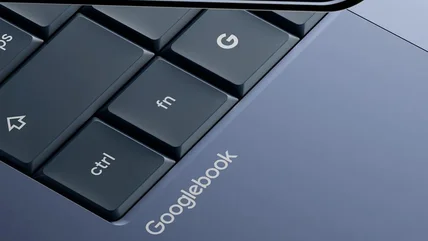
Read MoreGemini Intelligence is at the heart of the operating system powering Google's upcoming laptops.
Read MoreWaymo's fully autonomous rides will initially serve those around the city’s main strip.
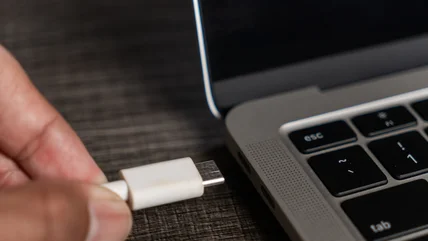
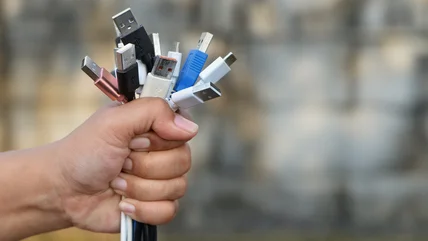
Read MoreYour USB-C port can do a lot, but it won't necessarily be able to transfer video. Understanding what yours can do makes it easy to choose the best video option.
Read MoreThis is a setting you probably won't want to mess around with.
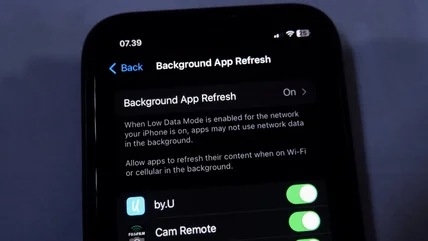
Read MoreHere's what will happen if you turn off background app refresh on your iPhone, and which apps operate better with it on.
Read MoreRunning an Ethernet cable can provide faster speeds than Wi-Fi in many cases, but the length and type of cable make a difference.
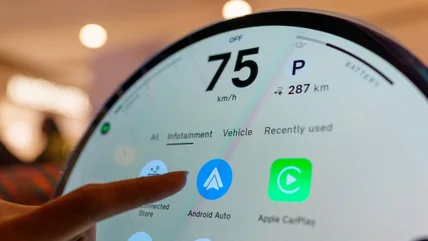
Read MoreAndroid Auto added a new capability recently that upgrades the infotainment screen in a big way. Let's activate it.
Read MoreOpenAI's new model, GPT-6 Astra, has begun rolling out to users. Here's how you can get it and pitfalls to avoid.
Read MoreOpenAI's CEO called it an “ill-advised moment to go public” in an interview with Fortune.
Read MoreIf you've never been satisfied with Liquid Glass on your Phone, then you'll probably like some of the new customization options Apple offers in iOS 27.
Read MoreThe reveal is scheduled for October 10, so long as it’s not delayed again.
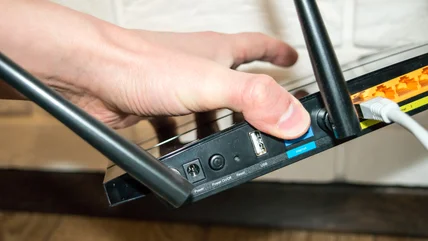
Read MoreIf you have a USB port on the back of your router and don't know what to do with it, try some of these straightforward options.
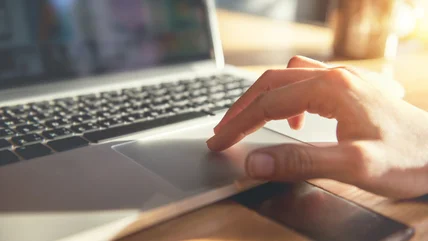
Read MoreYour trackpad probably covers a part of your laptop that can become a fire hazard in a hurry, so if your trackpad is shifting, it needs immediate attention.
Read MoreIf you only need ports for a few low-power peripherals or a single external monitor, you may not need a docking station at all.
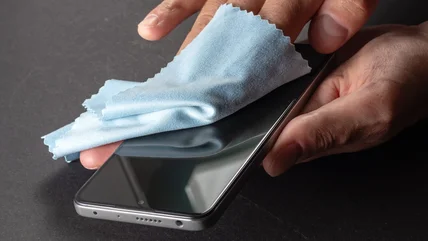
Read MoreYour phone is a magnet for germs, but there are gentle ways to clean it.
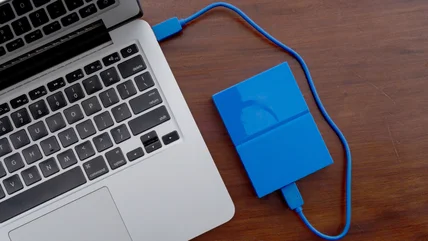
Read MoreExternal SSDs are faster than HDDs, but if you need cost-effective backups or larger capacities, a hard drive may be a better choice for you.
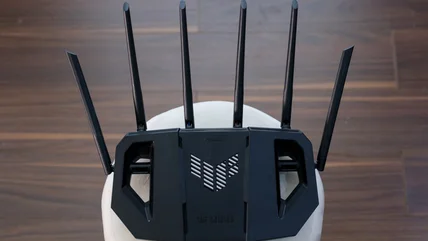
Read MoreIt seems like routers keep growing more antennas each year. Is this a marketing gimmick, or is there a good reason?
Read MoreThese issues may appear similar, but there's an easy way to tell them apart.
Read MoreIf you've already tried updating your phone, the car's software might be the issue.
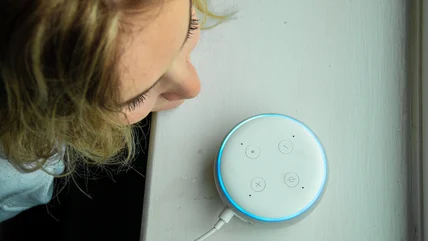
Read MoreYou have several new options for Alexa's voice and personality. Here's how to find and change those settings.
Read MoreThe agents OpenAI was testing attacked a software service called RubyGems in May, months before the attacks on Hugging Face.
Read MoreThe company said that user privacy is a “fundamental principle” of its products.
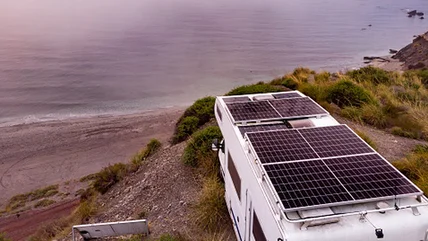
Read MoreThe power of the sun can keep your RV running, but before you get too comfortable with solar panels, you need to calculate how much power they need to generate.
Read MoreDario Amodei said that “we owe it to humanity to try.”
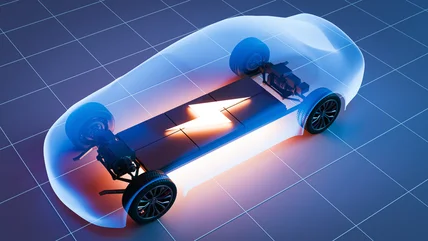
Read MoreEV batteries usually fade gradually, so the real warning signs are often changes in behavior rather than age alone.
Read More