1
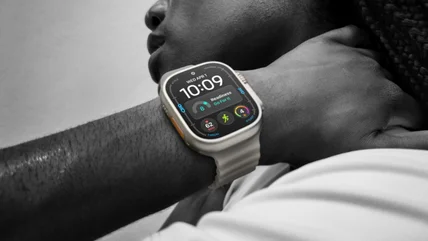
What can you use your Apple Watch Ultra 4 action button for?
Here's what your Apple Watch Ultra 4 action button can really do, from launching workouts and retracing routes to controlling smart home devices with one tap.
Read More

Here's what your Apple Watch Ultra 4 action button can really do, from launching workouts and retracing routes to controlling smart home devices with one tap.
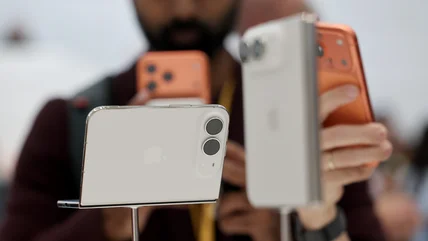
Read MoreFrom software limitations to the pre-sale deals, here's what you need to know ahead of the iPhone Duo launch.
Read MoreFrom the first touchscreen MacBook to an OLED iPad mini, here's everything Apple is expected to announce next week.
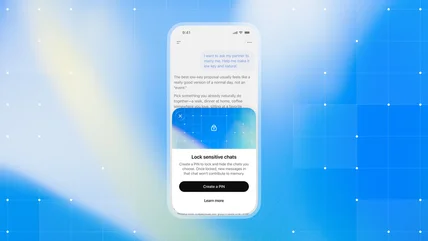
Read MoreOpenAI has introduced a new "locked chats" feature to protect users' more sensitive conversations with ChatGPT.
Read MoreA lawsuit brought by the OpenAI CEO's sister was dismissed after Anne Altman refused a medical exam.
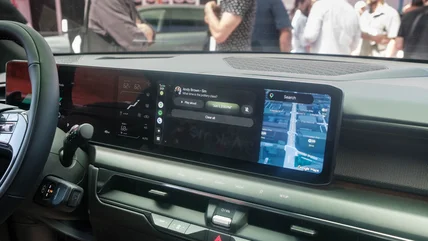
Read MoreIn the coming months, the feature will also roll out to cars with Google built-in.
Read MoreThe company is facing hundreds of lawsuits over its record on safety.
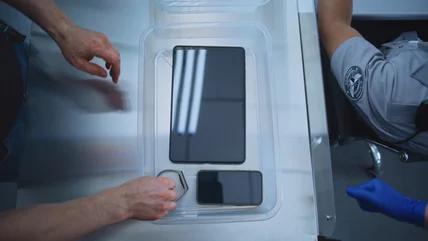
Read MoreLet's be honest, TSA bins are just gross.
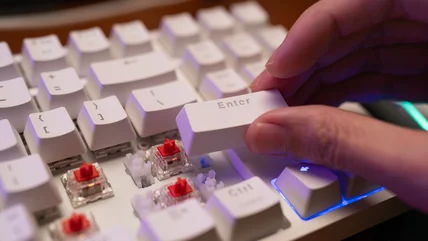
Read MoreIf you have both the time and money, building a keyboard can be a fun hobby.
Read MoreA Mac with at least 36GB of RAM can now run Perplexity AI workflows locally.
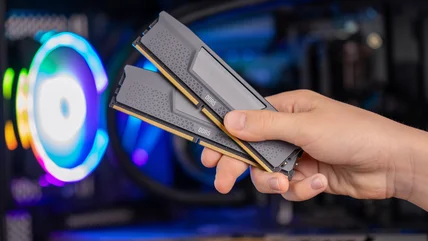
Read MoreAn 8GB laptop can seem like the solution to rising computer prices, but that's a mistake that will cost you for years.
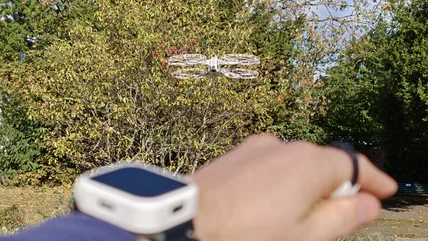
Read MoreAntigravity's watch and ring remote are available as an accessory bundle or as a full kit with the A1 drone.
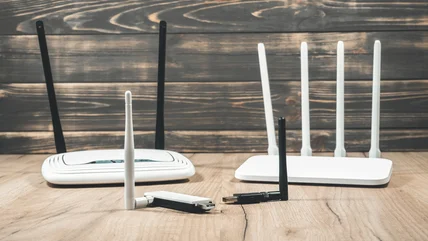
Read MoreOne of the issues with internet routers is that it's not always obvious when it's not working as it should. Here's how to check if it could be on its way out.
Read MoreOpenAI says its models now come with better COBOL capabilities.
Read MoreApple is limiting iPhone Duo purchases to two per customers around the world.
Read MoreAlthough Android Auto's autoplay feature is intended to be a convenience, you may find yourself wanting to turn it off. Here's how.
Read MoreYou can use it to watch media files on the device, but you'll need to use your phone as a remote.
Read MoreThe changes have alarmed publishers and others with business accounts.
Read MoreDon't tuck your router away in a corner, even if it is a bit of an eyesore.
Read MoreMulti-link operation is a key part of Wi-Fi 7 routers.
Read MoreA Bronco for the modern age.
Read MoreThe decision comes a couple of days after the release of Deepseek's latest AI model.
Read MoreYour video doorbell might see a visitor without sending an alert. Detection depends on more than distance, and some surprising factors can affect its reach.
Read MoreFiber internet is more modern than cable, but the older technology still works well for today's connection needs.
Read MoreIf your USB peripheral is on the fritz, it's worth doing some troubleshooting with the port itself. Give these steps a try.
Read MoreRouters could start rolling off a Mississippi production line as soon as early 2027.
Read MoreThe charger from your three-generations-ago phone can still be useful. Here are several ways to use old cables, both indoors and out.
Read More