1
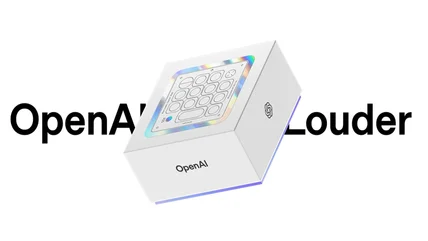
OpenAI launches a physical keypad for controlling agents
OpenAI's collaboration with keyboard maker Work Louder is available to order today.
Read More

OpenAI's collaboration with keyboard maker Work Louder is available to order today.
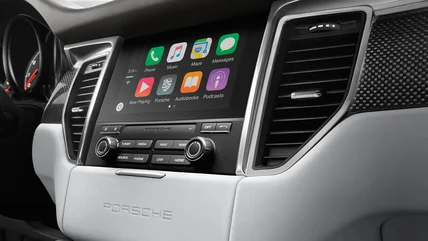
Read MoreApple announced the new CarPlay feature not long after Google announced a similar update for Android Auto.
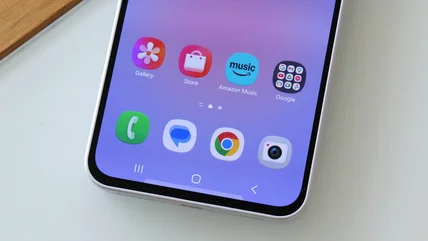
Read MoreDon't use Amazon Music? Too bad, Samsung is installing it for you anyway.
Read MoreSuno says it was breached in November and "no sensitive personal information was compromised."
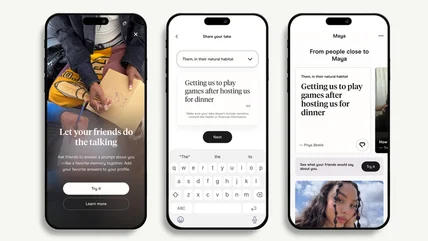
Read MoreYou can hear about a prospective match from the people who know them best.
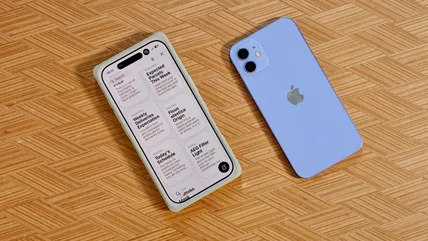
Read MoreWith the iOS 27 public beta available to download, is it worth testing the waters?
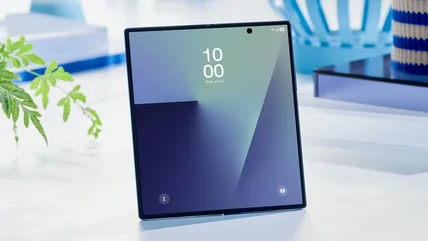
Read MoreSamsung says its next foldables will have less visible creases thanks to its new titanium display tech.
Read MoreThird-party app stores are coming to Android on July 22.
Read MoreStarlink's latest V5 residential dish doesn't boost data speeds but offers several improvements.
Read MoreOpenAI wants its first AI device to feel like the physical manifestation of ChatGPT, Bloomberg says.
Read MoreIt’s the latest in a barrage of efforts to win compensation from AI companies over training materials.
Read MoreWho has two thumbs and is broken inside?
Read MoreThe Fed dropped the ball, but California's new program will provide up to $3,500 in instant rebates to first-time EV buyers.
Read MoreGoogle has updated Images to surface results ’intelligently tailored to your unique interests.”
Read MoreThis simple, and sometimes free, change will enhance both your productivity and entertainment.
Read MoreThe frustrating science of keeping your ears from doing their job.
Read MoreSpotify is finally letting users control the app with their voice to create playlists or learn about songs.
Read MoreNew York has become the first US state to place a moratorium on the construction of data centers.
Read MoreX has made a tweak to give your replies a boost in your friends’ comment section.
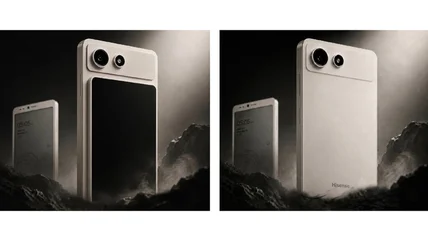
Read MoreThe Hisense A10 has an E Ink main display and a magnetic LCD screen you can attach to its rear.
Read MoreChrome’s Gemini integration has arrived in the UK.
Read MoreBit by bit, Windows 11 is healing.
Read MoreTry the new Siri AI and system-wide performance improvements.
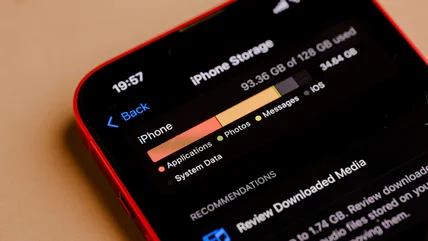
Read MoreThe two subscription services offer more than just extra storage, but getting the right one can save you money.
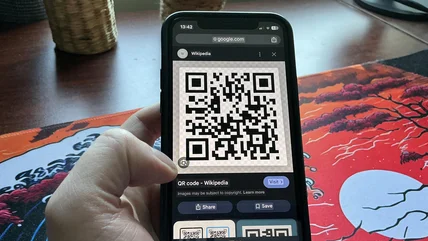
Read MoreAndroid and iOS both have built-in tools to easily open QR codes from screenshots.
Read MoreIf you like going on a long road trip, you might want to steer clear of these vehicles.
Read More