0
iOS 27: How to hide or replace the audio button in iMessages
The fact that the "send" button shares real estate with the "record" button can make dealing with iMessage aggravating.
Read More

The fact that the "send" button shares real estate with the "record" button can make dealing with iMessage aggravating.
Read MoreIf you've had some songs in your Apple Music app turn gray and become unavailable, there are some things you can try.
Read MoreThe company blames technical errors and a difference of opinion on how wages should be calculated for pay irregularities.
Read MoreIt will offer several privacy-focused options for users who aren’t automatically confirmed as adults.
Read MoreNot bad for a quick refresh.
Read MoreThat video capture is nothing to sneeze at.
Read MoreI thought we were supposed to be slowing down the frontier.
Read MoreIs your Android phone missing? Here’s how you can use Find Hub to look for it.
Read MoreDon't have your monitor sitting just anywhere; the distance, tilt and angles are all important to avoid strain while working.
Read MoreEthernet ports are often in short supply. If you run low, a cheap device lets you add more to your existing router without fuss.
Read MoreUSB extenders will help you connect devices over longer distances, but not all of them have the same capabilities when performing this function.
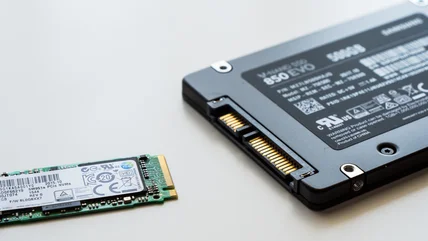
Read MoreAn SSD is a huge upgrade over an HDD, but SATA and NVMe SSDs offer major differences in their performance.
Read MoreRobotaxis from companies like Waymo, Xoox and Tesla are always improving, but some riders do experience injuries or find themselves in places they shouldn't.
Read MoreWe compare the new Beats 360 with the AirPods Max 2. Find out how they stack up in design, comfort and features to see which pair is right for you.
Read MoreSee how the Beats 360 stacks up with the popular Sony WH-1000XM6 in design, comfort and features in our hands-on comparison.
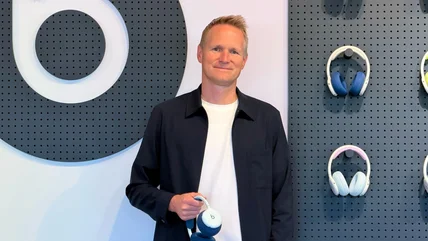
Read MoreBeats VP Oliver Schusser discusses the company's new headphones and what to expect in the future.
Read MoreAdobe has released its Premiere editing app for Android, a year after its iOS launch.
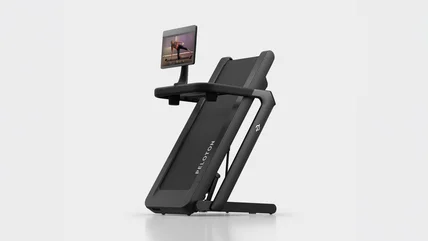
Read MoreThe Tread Flex is the company's first fold-up treadmill, and also its cheapest to date.
Read MorePolymarket, which enables people to bet on the outcomes of events, is telling regulators it's not for gambling.
Read MoreApple Music Hall in London seems tailor-made for Apple Music Live concerts.
Read MoreThe Canadian province of British Columbia has sued OpenAI for failing to notify authorities about the Tumbler Ridge shooter’s chats.
Read MorePower outages can damage your tech, but the bigger risk happens when the electricity comes back on. Don't let your tech get fried.
Read MoreLaptop fans do an important job, but sometimes they get annoyingly loud. Here's what it might mean and whether you should be concerned.
Read MoreWireless keyboards introduce convenience and portability, but they can't quite keep up with wired keyboards in some cases.
Read MoreThe EU has proposed a sustainability labeling system ahead of bringing in minimum data center performance standards.
Read MoreThe latest addition to X's Under the Hood feature could stave off claims around shadowbanning.
Read MoreA big part of the story is soaring memory and storage prices, but other factors come into play as well.
Read More