0
Fiber vs. cable internet: What's the difference between them?
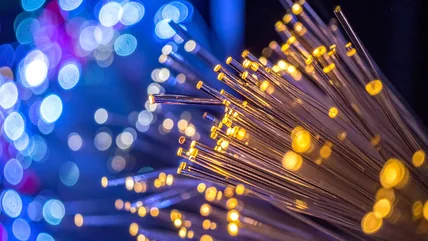
Fiber internet is more modern than cable, but the older technology still works well for today's connection needs.
Read More

Fiber internet is more modern than cable, but the older technology still works well for today's connection needs.
Read MoreIf your USB peripheral is on the fritz, it's worth doing some troubleshooting with the port itself. Give these steps a try.
Read MoreRouters could start rolling off a Mississippi production line as soon as early 2027.
Read MoreThe charger from your three-generations-ago phone can still be useful. Here are several ways to use old cables, both indoors and out.
Read MoreMost routers have several 1 Gbps ports, but yours might have one or more 2.5 Gbps options that are great for speeding up compatible devices.
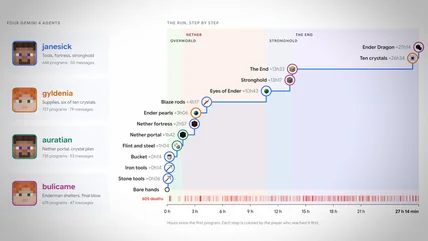
Read MoreFour Gemini 4 Argon agents beat Minecraft's Ender Dragon with no human intervention by sharing tips, threats and mistakes.
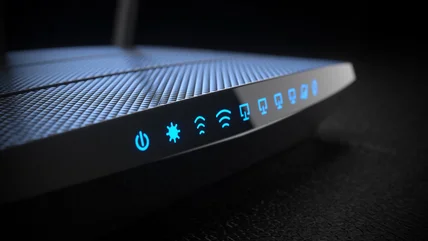
Read MoreSome router symbols are obvious, while others take a bit of work to decipher. Their lights can vary, too.
Read MoreIt's a simple way to check whether an image has been created or manipulated, with a few caveats.
Read MoreIt's a trade-off between download speeds and data caps.
Read MoreA gateway pulls double duty, but a modem and router combo can give you a lot more flexibility and power.
Read MoreThe platform attributed the decision to “political content that goes against its policy.”
Read MoreBasically, it's on you.
Read MoreApple's iPhone Duo likely forecasts a shift in the market toward foldables becoming more common. But it took a while to get here.
Read MoreIf you have trouble getting apps to scale properly on your foldable, read on.
Read MoreFor the most reliable performance, round Ethernet cables are generally superior.
Read MoreDespite showing the storage amount on the box or the spec sheet, your new device might not actually hold as much as it states. Here are the reasons why.
Read MoreWith the release of iOS 27, car owners with CarPlay support can enjoy lots of cool new features. However, not all iPhone models are able to support them all.
Read MoreExternal hard drives are sensitive, and what seems like a minor drop can cause major damage that should be checked by a professional.
Read MoreUploading data tends to be much slower than downloading, and it turns out there's a very good explanation for it.
Read MoreJoining two Ethernet cables together with a coupler is rare, but when your cords are suddenly too short, there are better options to extend your network.
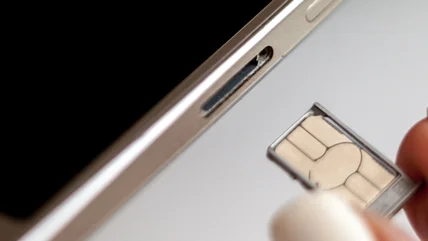
Read MoreSwapping SIM cards isn't something you'll do all the time, but when it does come up, you should do it carefully.
Read MoreEveryone getting online at the same time can slam the network, but working around these slowdowns is possible with a few tricks.
Read MoreSmart home products most often harness Wi-Fi to function. But what can you do if you lose internet frequently?
Read MoreHere are some of the other, older vehicles that use fans for downforce like the Tesla Roadster does.
Read MoreDon't underestimate this compact pickup.
Read MoreSamsung's Auto Blocker protects your Galaxy phone from security threats, but it does have drawbacks. Here's what it does and when you might want to turn it off.
Read MoreEthernet will keep your devices connecting online in record time, while Wi-Fi keeps them untethered. But how well can they both work together?
Read More